Indonesia and Russia Near Historic Deal for Floating Nuclear Power Plants
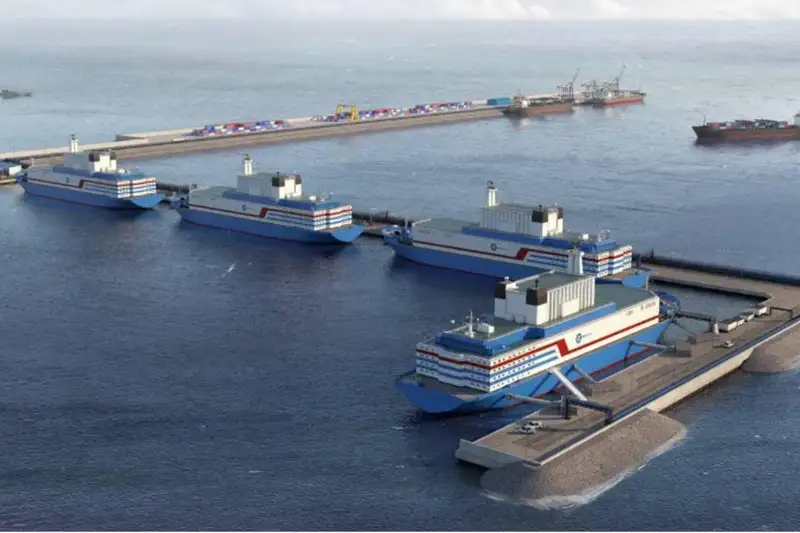
- Indonesia and Russia's Rosatom are closing in on formal negotiations for advanced floating nuclear power plant technology.
- If finalized, Indonesia will become the first country to receive Russia's next-generation Project 20871 Small Modular Reactor (SMR) units.
- The floating units are constructed off-site in shipyards, bypassing traditional 8-to-10-year onshore construction timelines.
- The ocean-bound power stations provide clean electricity, industrial heat, and large-scale seawater desalination for remote island regions.
Navigating the complex energy landscape of an vast archipelago containing over 17,000 islands has long presented Indonesia with severe infrastructural hurdles. Building conventional power plants on remote landmasses often breaks down due to geographical isolation, prohibitive costs, and fragmented regional grids. However, a major technological shift is taking shape on the horizon: Moscow and Jakarta are advancing toward formal negotiations to deploy Russia's next-generation floating nuclear power plants (FNPPs), offering a mobile, ocean-based solution to island energy deficits.
Quick summary
- Indonesia and Russia's state atomic energy corporation, Rosatom, are nearing formal bilateral talks for advanced floating nuclear power plant technology.
- If finalized, Indonesia will become the first country to receive Russia's next-generation Project 20871 Small Modular Reactor (SMR) units.
- The floating units can be built off-site in shipyards and towed directly to coastal locations, bypassing traditional 8-to-10-year onshore construction timelines.
- Beyond baseline electricity, these marine power stations offer dual-use capabilities, including industrial heat generation and large-scale seawater desalination for isolated island regions.
Overcoming Island Energy Deficits with Ocean-Bound Reactors
For decades, powering isolated island communities and dispersed industrial hubs has remained one of Southeast Asia's most daunting civil engineering puzzles. Developing conventional terrestrial power grids on scattered islands requires massive upfront infrastructure investment, complex land acquisition processes, and lengthy civil construction cycles. In many remote coastal zones, reliance on imported diesel generators remains an expensive and carbon-heavy compromise.
The floating nuclear power plant concept radically alters this calculus. Instead of spending close to a decade erecting a traditional land-based nuclear reactor, floating units are constructed entirely within controlled shipyard conditions. Once assembled and thoroughly tested, these units are towed by sea directly to designated coastal anchorages. Upon arrival, they connect into existing localized coastal electrical grids, serving effectively as giant, movable energy reserves positioned directly off shore.
Why it matters
The potential deployment of floating nuclear reactors in Indonesia marks a transformative moment for clean energy architecture in Southeast Asia. For an archipelagic nation, modular ocean-based power provides rapid scalability without occupying scarce land resources or requiring extensive civil engineering on unstable terrain. This technological approach offers a viable roadmap for heavy island decarbonization while stabilizing regional electricity grids that currently struggle with power fluctuations.
Furthermore, the implications extend far beyond basic power generation. Floating reactors powered by Small Modular Reactor (SMR) technology generate significant high-temperature thermal energy. This waste heat can be harnessed directly for industrial processing zones located along coastal corridors or routed into heavy-duty seawater desalination plants. For remote island populations facing acute fresh water scarcity alongside energy poverty, this dual utility offers a comprehensive dual-infrastructure solution.
Background
Russia remains the global pioneer in commercial floating nuclear energy, having successfully commissioned and operated the world's first modern floating nuclear power plant, the Akademik Lomonosov, situated in the remote Chukotka region in Russia's Far East. The operation of the Akademik Lomonosov demonstrated the real-world viability of operating nuclear reactors on floating pontoon platforms under extreme geographical conditions.
The proposed deal with Indonesia, centered around advanced designs like the Project 20871 Modified Power Unit (MPEB), represents a significant technological iteration over earlier models. By integrating modern Small Modular Reactor (SMR) technology into optimized hull structures, these next-generation units maximize safety margins, improve refueling intervals, and offer superior modularity. Rather than building bespoke civil infrastructure for every new power station—a process that typically consumes 8 to 10 years for standard land-based plants—shipyard-assembled floating units streamline manufacturing schedules and drastically lower localized execution risks.
Unlocking Industrial Potential and Clean Water
The strategic collaboration between Rosatom and Indonesian authorities is structured as a comprehensive technological transfer rather than a simple electricity purchasing contract. Deploying nuclear maritime assets requires robust onshore support systems, stringent regulatory oversight, and specialized technical expertise. Consequently, the project scope encompasses building a full high-tech ecosystem within Indonesia, including nuclear engineering education, human resource training, and specialized maritime maintenance infrastructure.
By establishing localized nuclear capabilities, Indonesia can leverage clean thermal and electrical power to boost coastal industrial zones. High-energy manufacturing, mineral processing, and regional ports require constant baseload electricity that intermittent renewable sources like solar or wind cannot always guarantee in island settings. Floating nuclear units provide continuous, zero-emission baseload energy while maintaining the agility to be redeployed if regional demand shifts over time.
Qnews24h insight
While the prospect of floating SMR technology presents a elegant answer to Indonesia's energy fragmentation, practical deployment will demand rigorous international regulatory compliance and robust maritime security frameworks. Transporting and operating nuclear material across active maritime routes requires flawless coordination on marine safety, environmental protection, and severe-weather resilience against tropical storms or seismic activity. Rather than viewing this project purely as a commercial deal, industry observers should track how Jakarta establishes its national nuclear regulatory architecture and navigates cross-border non-proliferation protocols. If successfully executed, the Indonesian model could set the benchmark for how island nations across the Global South utilize modular nuclear assets to bypass traditional land-based energy constraints.
Frequently Asked Questions
What is a Floating Nuclear Power Plant (FNPP)?
A floating nuclear power plant is a non-self-propelled or self-propelled vessel equipped with small modular nuclear reactors. Built in specialized shipyards, these platforms are towed to coastal areas to supply electricity, heat, and desalinated water directly to nearby land grids.
How do floating nuclear plants differ from traditional nuclear stations?
Traditional nuclear plants are built on land and require extensive civil engineering, taking between 8 to 10 years to construct. Floating plants are prefabricated in shipyards, significantly reducing construction timelines, lowering local civil infrastructure costs, and allowing flexible mobility between coastal regions.
Why is this technology particularly suited for Indonesia?
Indonesia is made up of over 17,000 islands, making central grid distribution extremely difficult. Floating reactors can anchor off remote islands, supplying reliable baseload power and fresh water through desalination without demanding huge land tracts or complex island-to-island underwater grid networks.
Sources
- Soha News: Một quốc gia Đông Nam Á có thể sẽ được nhận đặc quyền chưa từng có từ Nga?
- Nevskoye Design Bureau / Rosatom Project 20871 Technical Specifications
Why it matters
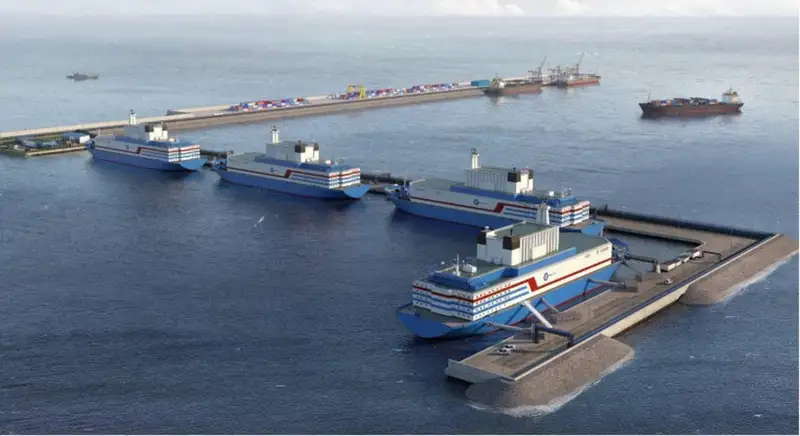
The deployment of floating nuclear power plants offers an innovative energy solution for archipelagic nations facing grid fragmentation and land constraints. It enables rapid decarbonization of remote islands, guarantees stable baseload power for coastal industrial hubs, and delivers large-scale seawater desalination to fresh-water-scarce coastal communities.
Background
Russia pioneered modern floating commercial nuclear power with the deployment of the Akademik Lomonosov in Chukotka. Traditional terrestrial nuclear stations face high capital costs and multi-year land construction delays (8-10 years). The move toward Project 20871 SMR units represents an evolutionary jump toward smaller, modular, shipyard-built floating plants optimized for export to coastal and island economies.
Deploying marine nuclear technology in tropical archipelagos requires stringent regulatory compliance, rigorous environmental safeguards against natural hazards, and robust maritime security. The success of the Rosatom-Indonesia initiative depends heavily on Jakarta establishing a comprehensive nuclear regulatory framework and technical workforce, which could serve as a global reference model for island nations seeking modular nuclear energy.
References
Editorial information
The editorial team reviews sources, adds context, and structures stories so readers can understand the news more clearly.
Article from QNEWS24H
Comments
(0)No comments yet. Be the first to share your thoughts.