How to Swap SIM Cards to iPads and Smartwatches Without Facing Account Locks

- Vietnamese telecom operators enforce biometric verification whenever a subscriber SIM card is moved to a new physical device.
- Secondary hardware platforms—including cellular iPads, smartwatches, and screenless 4G routers—struggle to complete verification due to camera, display, or OTP processing...
- Subscribers who fail to complete required identity verification within specified carrier timeframes face one-way service suspensions.
- Users can easily prevent service disruption by authenticating their subscriber identity on carrier mobile apps prior to removing the SIM card from their primary smartphone.
Transferring a physical SIM card from a primary mobile phone to a tablet, smartwatch, or portable Wi-Fi router used to be a routine, plug-and-play task completed in seconds. However, thousands of mobile subscribers now face sudden service suspensions after moving their cards to secondary connected hardware. A silent regulatory shift in subscriber verification protocols has transformed a simple card swap into a potential connectivity bottleneck for unprepared users.
Quick summary
- Vietnamese telecom operators enforce biometric verification whenever a subscriber SIM card is moved to a new physical device.
- Secondary hardware platforms—including cellular iPads, smartwatches, and screenless 4G routers—struggle to complete verification due to camera, display, or OTP processing limitations.
- Subscribers who fail to complete required identity verification within specified carrier timeframes face one-way service suspensions.
- Users can easily prevent service disruption by authenticating their subscriber identity on carrier mobile apps prior to removing the SIM card from their primary smartphone.
Why it matters
The enforceability of mobile identity verification marks a significant step forward for cybersecurity, but it reveals a distinct operational gap between fraud prevention mandates and consumer hardware ecosystems. Millions of subscribers utilize SIM cards across diverse secondary hardware, relying on cellular connectivity for mobile remote work, health tracking, and hotspot sharing. When network security policies assume every SIM resides inside a fully equipped modern smartphone, users of specialized devices bear the burden of unexpected service interruptions.
For remote professionals utilizing portable 4G routers or digital nomads operating cellular tablets, a sudden one-way lock on a data SIM can halt business operations. Furthermore, wearable devices used for safety and location tracking rely on uninterrupted network access. Understanding how carriers flag device swaps and knowing the exact sequence to bypass software deadlocks is essential for maintaining continuous connectivity across all personal tech accessories.
Background
Beginning June 15, mobile network operators across Vietnam launched upgraded automated subscriber monitoring systems. Designed to combat unregistered SIM cards, telecommunication fraud, and illegal commercial lines, these security frameworks automatically detect when a SIM card's unique hardware identifier is attached to a new International Mobile Equipment Identity (IMEI) number.
Under national regulations, mobile subscribers must standardize their personal information against national identification databases, specifically utilizing Citizen Identity Cards (CCCD) and VNeID integration. When a SIM card is transferred, carrier systems mandate identity verification to ensure the physical holder matches the registered subscriber of record. While smartphone users can quickly open carrier mobile applications and perform facial scanning via front-facing cameras, secondary connected hardware rarely provides the same user interface environment.
The Hardware Bottleneck: Why Secondary Devices Fail Verification
The friction encountered during device transfers stems directly from hardware and operating system constraints inherent to non-smartphone equipment:
1. Portable 4G Wi-Fi Routers
Dedicated mobile hotspots and portable 4G routers are purpose-built for data distribution. They possess no integrated screen interface, no camera sensors for facial scanning, and no native operating system capable of running carrier applications like My Viettel, My VNPT, or My MobiFone. When carrier systems request biometric authentication from a SIM inserted into a router, the hardware is fundamentally incapable of responding.
2. Smartwatches and Wearables
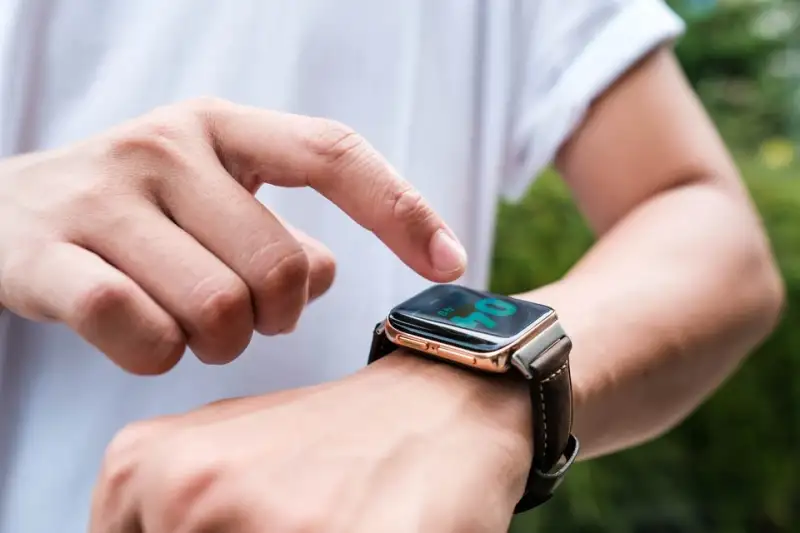
While cellular smartwatches feature touch displays, their screen dimensions and specialized wearable operating systems create severe interface barriers. Most smartwatches lack front-facing cameras required for high-resolution facial recognition, and their native application ecosystems rarely support complete carrier identity management tools.
3. iPads and Tablets
Cellular tablets provide large displays and high-quality camera systems, but they frequently encounter software obstacles with SMS-based authentication. Certain tablet configurations or data-centric SIM plans cannot receive standard short-code SMS text messages containing One-Time Passwords (OTPs), blocking users from initiating the carrier verification flow on the tablet itself.
Step-by-Step Guide: Safe SIM Transfer Protocol
Fortunately, mobile network operators permit account authentication state persistence across device swaps if subscribers execute a crucial preparation step while the SIM remains in a fully functional smartphone.
Step 1: Standardize Subscriber Identity
Ensure your mobile line has been completely registered and updated with your national identification (CCCD) or synchronized through the official VNeID platform. Unverified or outdated subscriber profiles will fail identity checks regardless of the device used.
Step 2: Log Into Official Carrier Applications
Before physically ejecting the SIM card from your smartphone, download and log into your respective mobile carrier application:
- Viettel subscribers: Access the My Viettel application.
- VNPT subscribers: Access the My VNPT application.
- MobiFone subscribers: Access the My MobiFone application.
Complete the login procedure using the OTP sent directly to your phone number while the SIM is active in the smartphone. Ensure the application session is active and verified.
Step 3: Transfer the Physical SIM
Once your subscriber account shows an authenticated status within the smartphone application, power off your secondary device (iPad, smartwatch, or 4G router), remove the SIM card from your phone, and insert it into the target hardware. Because your account session was already authenticated and verified on the primary handset, the carrier network recognizes the subscriber clearance, neutralizing the risk of an automatic one-way line suspension.
Qnews24h insight
Mandatory biometric identity verification represents a vital pillar in modernizing national telecom infrastructure and dismantling cybercrime networks. However, enforcing rigid smartphone-centric verification flows across an increasingly multi-device marketplace creates avoidable consumer friction. Secondary connected devices—such as cellular smartwatches, tablets, and IoT hotspots—are fundamentally designed around data consumption rather than direct human identity management.
As digital connectivity expands into smart home systems, automotive telematics, and wearable health monitors, telecom providers must evolve their verification architectures. Offering web portal verification, multi-device management dashboards, or family-account delegation mechanisms will be crucial to maintaining strict cybersecurity standards without locking out legitimate users who rely on non-traditional mobile hardware.
Frequently Asked Questions
Why does my SIM get locked after putting it in a new device?
Carriers automatically detect when a SIM card is inserted into a new IMEI number. To prevent unauthorized SIM hijacking, systems demand biometric identity verification. If this verification is not completed within the mandatory window, the line is automatically restricted.
Can I complete biometric verification directly on an iPad?
While iPads have cameras, carrier applications may struggle to deliver SMS OTP codes on data-only tablet connections. It is highly recommended to complete app authentication on a smartphone prior to moving the SIM card.
What should I do if my SIM card is already locked one-way?
If your line has already been restricted, reinsert the SIM card into a fully functioning smartphone, launch your carrier's official mobile application, and follow the on-screen biometric identity re-verification prompts, or contact carrier customer support for guidance.
Sources
Based on reporting and official compliance guidelines published by Znews.vn.


Why it matters
The enforceability of mobile identity verification marks a significant step forward for cybersecurity, but it reveals a distinct operational gap between fraud prevention mandates and consumer hardware ecosystems. Millions of subscribers utilize SIM cards across diverse secondary hardware, relying on cellular connectivity for mobile remote work, health tracking, and hotspot sharing. When network security policies assume every SIM resides inside a fully equipped modern smartphone, users of specialized devices bear the burden of unexpected service interruptions.
Background
Beginning June 15, mobile network operators across Vietnam launched upgraded automated subscriber monitoring systems. Designed to combat unregistered SIM cards, telecommunication fraud, and illegal commercial lines, these security frameworks automatically detect when a SIM card's unique hardware identifier is attached to a new International Mobile Equipment Identity (IMEI) number. Under national regulations, mobile subscribers must standardize their personal information against national identification databases (CCCD/VNeID).
Mandatory biometric identity verification represents a vital pillar in modernizing national telecom infrastructure and dismantling cybercrime networks. However, enforcing rigid smartphone-centric verification flows across an increasingly multi-device marketplace creates avoidable consumer friction. Secondary connected devices are fundamentally designed around data consumption rather than direct human identity management. Telecom providers must evolve their verification architectures to support web portal verification and multi-device management dashboards.
References
Editorial information
The editorial team reviews sources, adds context, and structures stories so readers can understand the news more clearly.
Article from QNEWS24H
Comments
(0)No comments yet. Be the first to share your thoughts.