Indie Fishing Game 'How to Fish' Reels in Over 370,000 Concurrent Players on Steam

- 'How to Fish,' a $5 co-op fishing game, reached a peak of 373,971 concurrent players on Steam within five days of its launch.
- This player count more than doubles the all-time peak of 'Peak,' another popular co-op title known for its extensive player base.
- The game's success comes from an indie, self-published studio, differentiating it from commercially backed titles and highlighting the impact of accessible, affordable gameplay.
- Its viral popularity underscores a broader 'friendslop renaissance,' where micro-budget games focused on simple, shared fun are attracting massive audiences typically reserved for...
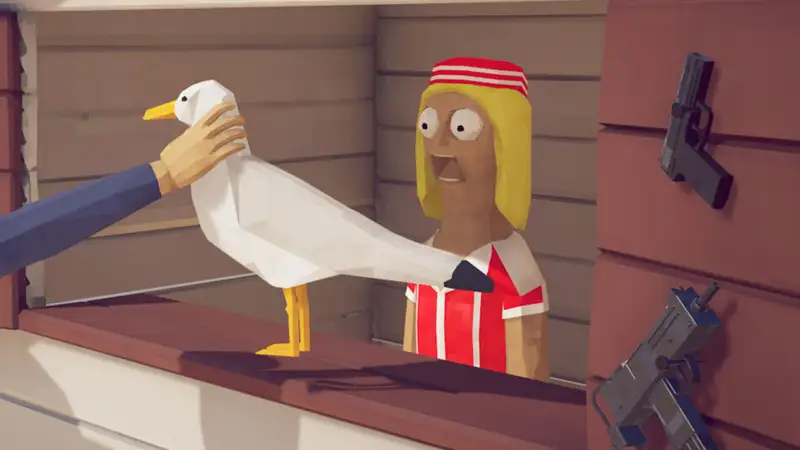
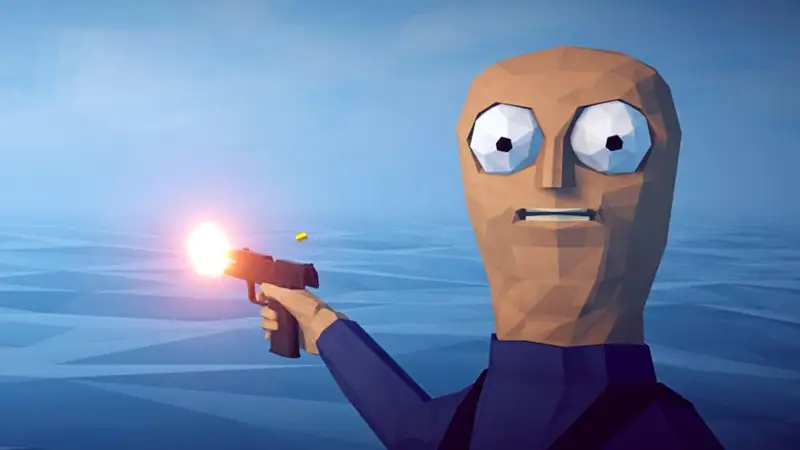
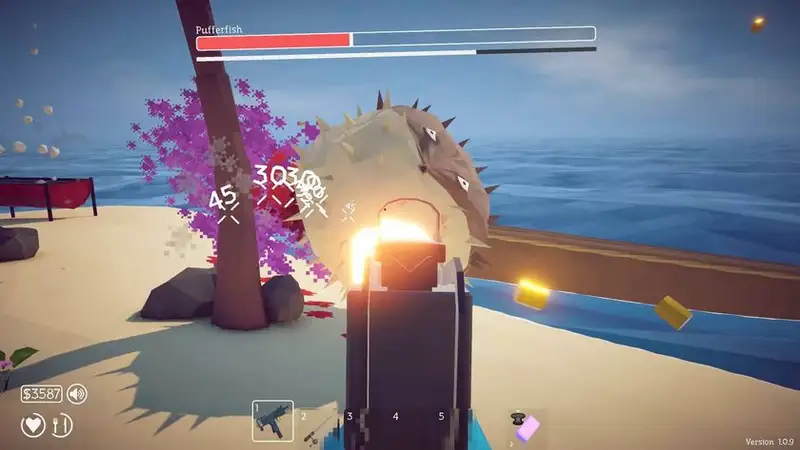
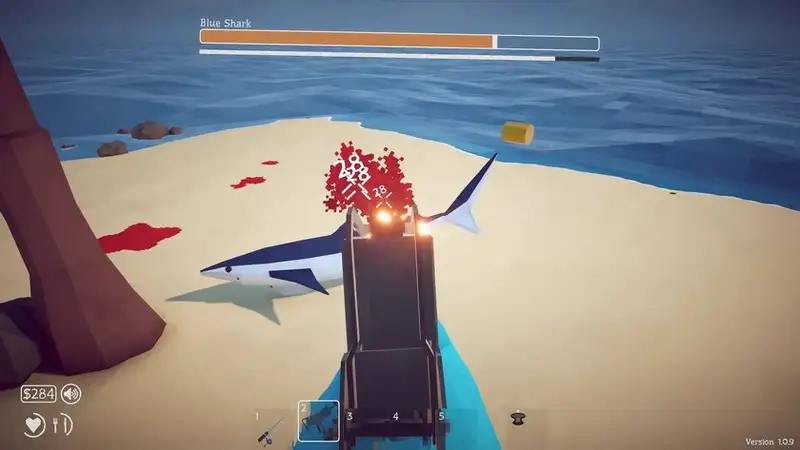
In an era where blockbuster game releases often dominate headlines with their multi-million dollar budgets and sprawling open worlds, a modest, self-published co-op fishing game has unexpectedly cast a wide net, capturing the attention and participation of hundreds of thousands of players. 'How to Fish,' a title from Sweden-based indie studio Dazed Games, has achieved an astonishing player peak on Steam, signaling a significant shift in player preferences and reaffirming the potent market value of simplicity and social interaction.
Quick summary

- 'How to Fish,' a $5 co-op fishing game, reached a peak of 373,971 concurrent players on Steam within five days of its launch.
- This player count more than doubles the all-time peak of 'Peak,' another popular co-op title known for its extensive player base.
- The game's success comes from an indie, self-published studio, differentiating it from commercially backed titles and highlighting the impact of accessible, affordable gameplay.
- Its viral popularity underscores a broader 'friendslop renaissance,' where micro-budget games focused on simple, shared fun are attracting massive audiences typically reserved for AAA releases.





Why it matters
The meteoric rise of 'How to Fish' holds significant implications for the video game industry, players, and developers alike. For the industry, it's a powerful validation that innovation doesn't always require immense capital; rather, a focused vision on core gameplay and social dynamics can lead to explosive growth. It challenges the prevailing notion that only games with photorealistic graphics or competitive esports potential can achieve mainstream success, opening doors for smaller studios to bypass traditional publishing routes.

For players, this trend signifies a growing appetite for accessible, low-stress, and highly social gaming experiences. Many are seeking an antidote to the complexity and often demanding nature of high-budget titles, finding solace and camaraderie in shared, straightforward activities like virtual fishing with friends. This points to a desire for connection and simple enjoyment without a steep financial or time commitment.
Developers, particularly those in the indie space, can draw invaluable lessons from Dazed Games' achievement. It demonstrates the power of a modest price point combined with strong word-of-mouth and community engagement. This success story offers a blueprint for how focused design, appealing to specific social play styles, can cultivate a massive, organic following, potentially shifting development priorities towards experience-centric rather than feature-bloated games.
Background
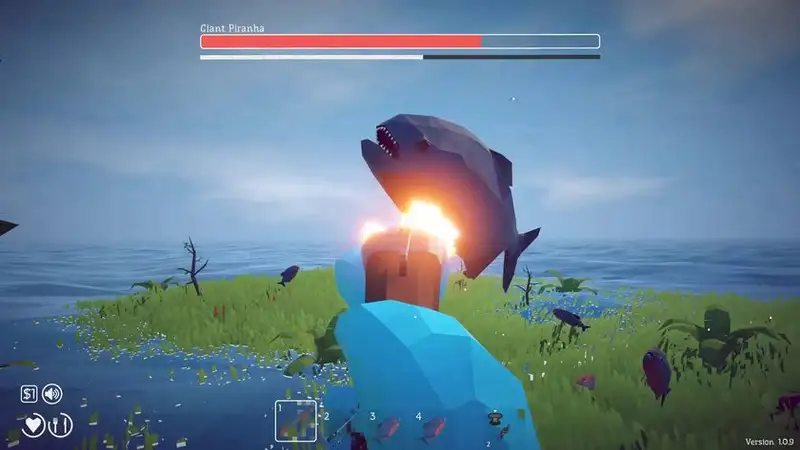
The gaming landscape has long been characterized by a dichotomy: on one end, colossal AAA productions from major publishers pushing the boundaries of technology and narrative, and on the other, a vibrant indie scene experimenting with unique mechanics and artistic styles. However, recent years have seen the emergence and consolidation of a distinct niche often playfully termed 'friendslop' games.
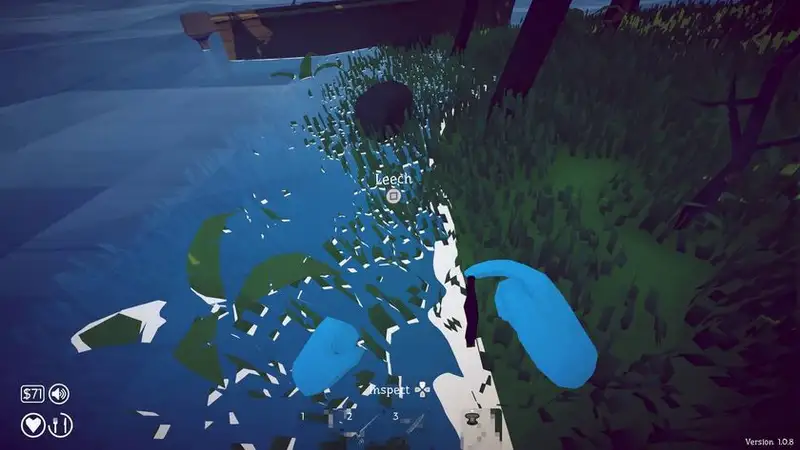
This category, characterized by its emphasis on simple, cooperative gameplay, often with low stakes and a high potential for shared laughs, has steadily gained traction. Games like 'Peak' have already proven the immense appeal of such titles, garnering significant player counts and earning accolades for their publishers. These games tap into a fundamental human desire for social connection and shared experiences, often thriving on digital platforms like Steam, which facilitate easy access and multiplayer interaction.
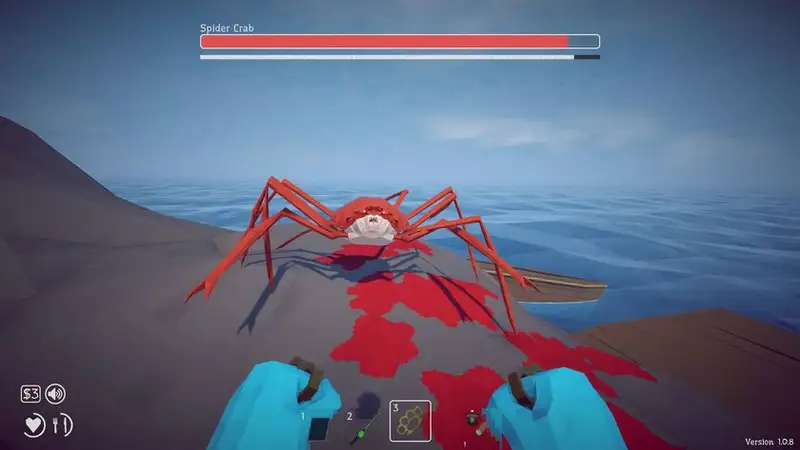
What 'How to Fish' signifies is not just a continuation but an acceleration of this trend. While 'Peak' achieved an impressive all-time peak of over 170,000 players about a year ago, 'How to Fish' has more than doubled that figure in a fraction of the time and from a self-published background. This indicates a growing maturity in the 'friendslop' market, suggesting that what was once a niche is rapidly expanding into a mainstream phenomenon, largely fueled by viral spread and community recommendation rather than conventional marketing.
Qnews24h insight

The overwhelming success of 'How to Fish' offers a distinct insight into the evolving metrics of value in the modern gaming sphere. Beyond the raw player numbers, it underscores that the perceived value of a game is increasingly detached from its graphical fidelity or narrative ambition. Instead, it resides in its ability to foster genuine social interaction, provide accessible entertainment, and deliver a high enjoyment-to-cost ratio.

This phenomenon suggests a critical market segment prioritizes immediate, shared gratification over prolonged, immersive sagas. For Dazed Games, the challenge now pivots from achieving virality to sustaining it. Managing server stability, implementing thoughtful updates, and nurturing the burgeoning community will be paramount. Their self-published status means they retain full creative and financial control, but also shoulder all operational burdens. This could be a defining moment for micro-budget game development, demonstrating that the right idea, executed simply and priced affordably, can rival the biggest industry players in reach and engagement, compelling us to reconsider traditional notions of a 'successful' game.

The Friendslop Phenomenon: A Deeper Dive

The term 'friendslop' itself playfully encapsulates the essence of these games: often a bit unpolished, sometimes silly, but always designed for maximum fun with friends. These titles typically feature straightforward mechanics that are easy to grasp, minimizing barriers to entry. 'How to Fish,' for instance, offers the simple, universal appeal of fishing – a meditative activity made dynamic and social through cooperative play.

Unlike highly competitive esports titles or complex role-playing games, 'friendslop' games thrive on low-stakes environments where player skill is less critical than collective enjoyment. This relaxed atmosphere makes them ideal for casual gaming sessions, streaming content, and forging connections without the pressure of intense competition. Their low price points further reduce commitment, making them impulse purchases that deliver disproportionately high returns in terms of entertainment hours per dollar.

The social media and streaming ecosystem plays a pivotal role in their proliferation. A small, funny moment in a 'friendslop' game can easily go viral, converting viewers into players and creating a self-sustaining cycle of discovery and adoption. This organic marketing engine is often far more effective for these types of games than traditional advertising campaigns, especially for indie studios operating on limited budgets.

Indie Developers Redefine Success Metrics
Dazed Games' decision to self-publish 'How to Fish' while achieving such significant numbers is a testament to the democratizing power of platforms like Steam. Historically, reaching a massive global audience required the backing of a large publisher with extensive marketing and distribution networks. Today, a well-designed, community-focused indie game can bypass these gatekeepers entirely.
This shift empowers small teams to retain creative control and a larger share of revenue. However, it also places considerable responsibility on them for managing the sudden demands of a massive player base, from server infrastructure to community moderation and ongoing development. The success of 'How to Fish' underscores that the indie scene is not just a breeding ground for experimental art games, but also a fertile ground for commercially triumphant, broadly appealing experiences.
The comparison with 'Peak,' which benefits from publishers like Aggro Crab and Landfall, further emphasizes this point. While publisher support can provide valuable resources, 'How to Fish' demonstrates that a compelling concept, executed effectively and resonating with a receptive audience, can achieve superior engagement without traditional institutional backing. This redefines what constitutes 'success' in the industry, highlighting player engagement and organic growth as paramount.
Looking Ahead: The Future of Casual Co-op
The 'friendslop renaissance' championed by games like 'How to Fish' is unlikely to be a fleeting trend. As players continue to seek diverse gaming experiences, the market for casual, social co-op games will likely expand further. We can anticipate more developers, both indie and established, exploring this space, focusing on simple mechanics, accessible pricing, and strong community features.
However, future titles in this genre will face increased competition. Merely being 'simple and cheap' might no longer be enough; developers will need to find unique angles, innovative social features, or compelling loops to stand out. Maintaining player engagement beyond the initial viral surge will also be crucial. 'How to Fish' will need to evolve, introducing new content, addressing community feedback, and ensuring a smooth experience to retain its rapidly amassed player base.
The long-term impact could see a recalibration of industry priorities, encouraging a greater balance between high-fidelity, high-budget productions and well-crafted, affordable social experiences. Ultimately, the success of 'How to Fish' serves as a powerful reminder that sometimes, the most profound impact comes from the most unassuming packages.
Sources
- GamesRadar+
- SteamDB (for player count data)
Frequently Asked Questions
What is 'How to Fish' and who developed it?
'How to Fish' is a co-operative fishing game available on Steam, developed by the independent studio Dazed Games, based in Sweden.
How many players has 'How to Fish' achieved?
The game reached an all-time peak of 373,971 concurrent players on Steam within five days of its launch.
What is 'friendslop' and why is it gaining popularity?
'Friendslop' is a playful term for casual, often micro-budget co-op games focused on simple mechanics, social interaction, and low stakes. They are gaining popularity because they offer accessible, low-stress fun and strong social engagement, providing a contrast to complex, high-budget titles.
Does 'How to Fish' cost a lot to play?
No, 'How to Fish' is available for a modest price of $5, contributing to its broad accessibility and viral success.
Why it matters
The meteoric rise of 'How to Fish' holds significant implications for the video game industry, players, and developers alike. For the industry, it's a powerful validation that innovation doesn't always require immense capital; rather, a focused vision on core gameplay and social dynamics can lead to explosive growth. It challenges the prevailing notion that only games with photorealistic graphics or competitive esports potential can achieve mainstream success, opening doors for smaller studios to bypass traditional publishing routes. For players, this trend signifies a growing appetite for accessible, low-stress, and highly social gaming experiences. Many are seeking an antidote to the...
Background
The gaming landscape has long been characterized by a dichotomy: on one end, colossal AAA productions from major publishers pushing the boundaries of technology and narrative, and on the other, a vibrant indie scene experimenting with unique mechanics and artistic styles. However, recent years have seen the emergence and consolidation of a distinct niche often playfully termed 'friendslop' games. This category, characterized by its emphasis on simple, cooperative gameplay, often with low stakes and a high potential for shared laughs, has steadily gained traction. Games like 'Peak' have already proven the immense appeal of such titles, garnering significant player counts and earning...
The overwhelming success of 'How to Fish' offers a distinct insight into the evolving metrics of value in the modern gaming sphere. Beyond the raw player numbers, it underscores that the perceived value of a game is increasingly detached from its graphical fidelity or narrative ambition. Instead, it resides in its ability to foster genuine social interaction, provide accessible entertainment, and deliver a high enjoyment-to-cost ratio. This phenomenon suggests a critical market segment prioritizes immediate, shared gratification over prolonged, immersive sagas. For Dazed Games, the challenge now pivots from achieving virality to sustaining it. Managing server stability, implementing...
References
Editorial information
The editorial team reviews sources, adds context, and structures stories so readers can understand the news more clearly.
Article from QNEWS24H
Comments
(0)No comments yet. Be the first to share your thoughts.