HMD Global Teases Asha 305 Revival: A Modern Take on Nokia's Classic Feature Phone Line
- HMD Global is reportedly reviving the Asha phone series, a popular line from Nokia's past.
- A new device, HMD Asha 305 (model TA-1779), has appeared in official certification documents.
- Unlike its 2012 predecessor, the new Asha 305 is expected to feature LTE connectivity, adapting to modern network standards.
- This move indicates HMD's ongoing strategy to target the 'smart feature phone' market, combining simplicity with essential modern capabilities.
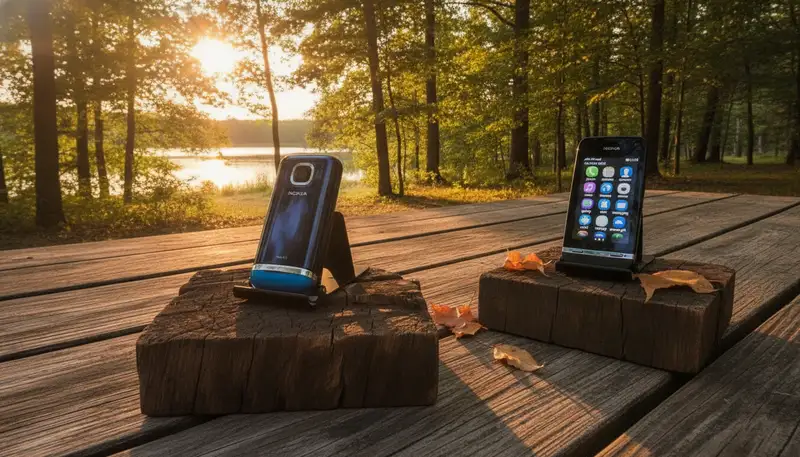
A familiar name from Nokia's storied past is poised for a surprising return. HMD Global, the company currently manufacturing and marketing Nokia-branded mobile phones, has reportedly begun preparations to reintroduce the Asha phone line, a series that once served as Nokia's bridge between basic feature phones and early smartphones. The unexpected appearance of a new device, identified as HMD Asha 305 with the model code TA-1779, in recent certification documents signals HMD's intent to bring this classic brand into the modern era, notably with support for LTE connectivity.
Quick summary
- HMD Global is reportedly reviving the Asha phone series, a popular line from Nokia's past.
- A new device, HMD Asha 305 (model TA-1779), has appeared in official certification documents.
- Unlike its 2012 predecessor, the new Asha 305 is expected to feature LTE connectivity, adapting to modern network standards.
- This move indicates HMD's ongoing strategy to target the 'smart feature phone' market, combining simplicity with essential modern capabilities.
Why it matters
The potential revival of the Asha series by HMD Global carries several significant implications for consumers, the mobile industry, and the company's strategic direction. For consumers, it offers an intriguing alternative in a market saturated with high-end smartphones. Many users are seeking simpler devices for 'digital detox,' extended battery life, or as a reliable secondary phone, and a modern Asha could fill this niche perfectly. It appeals to those who prioritize essential communication and basic internet access over complex applications and constant digital engagement.
For HMD, this move represents a calculated effort to diversify its product portfolio and tap into a distinct market segment often overlooked by major smartphone manufacturers. By leveraging the strong nostalgic appeal of the Asha brand, HMD aims to attract former Nokia users while providing contemporary utility. The inclusion of LTE is crucial, making the device viable in current network infrastructures where older 2G and 3G networks are being phased out globally. This ensures the new Asha isn't just a retro remake but a functional device fit for today's connectivity standards.
Furthermore, the reintroduction highlights a sustained demand for what are often termed 'smart feature phones' or 'hybrid phones.' These devices, positioned between basic phones and full-fledged smartphones, can be particularly important in emerging markets where affordability and robust connectivity are key. The success of a revamped Asha will demonstrate whether nostalgia, combined with practical upgrades, can be successfully converted into a commercially viable product line, as analyst Kreso from Nokiamob aptly noted.
Background
The original Nokia Asha series was launched in 2012, at a pivotal time in the mobile phone industry. These devices, including the original Asha 305, were Nokia's answer to the burgeoning smartphone market, offering a bridge between traditional feature phones and the more advanced capabilities of early smartphones. The Asha 305, for instance, featured a 3-inch touchscreen, dual-SIM support, and 2G connectivity, targeting users who desired a simple yet capable device without the higher cost of a full smartphone. Running on Nokia's Series 40 platform, they provided a more advanced user interface than typical basic phones and were particularly popular in developing economies.

Following Nokia's sale of its mobile phone division to Microsoft in 2014, and subsequent retreat from the handset market, HMD Global emerged in 2016. The Finnish company secured the rights to use the Nokia brand for mobile phones and tablets, aiming to revive the brand's legacy. Since then, HMD has released a range of Android smartphones and Nokia-branded feature phones, consistently maintaining a presence in both segments of the market.
HMD Global has previously experimented with hybrid devices that blend feature phone simplicity with enhanced connectivity. An example is the 'Touch 4G,' a device that ran on the RTOS Touch operating system. This model featured a 3.2-inch LCD screen, basic cameras, and a Unisoc T127 chip, offering limited web-based applications through a browser – often referred to as a 'cloud phone' concept. These earlier efforts underscore HMD's long-standing interest in catering to users who need more than just a basic phone but less complexity than a full smartphone. The transition to LTE for the new Asha 305 is a crucial evolution from the 2G-only original, reflecting the global shift in network infrastructure and ensuring the device's relevance in today's digital landscape.
HMD's Strategic Revival of Asha
The re-emergence of the Asha name with a new HMD-branded device signals a strategic move by HMD Global to solidify its position in the 'smart feature phone' category. This segment, though smaller than the smartphone market, holds steady demand, especially in regions prioritizing durability, battery life, and cost-effectiveness. The original Asha line carved out a significant niche for Nokia, and HMD appears keen to capitalize on that enduring brand recognition, albeit without the explicit Nokia logo on the new product.
By incorporating LTE, HMD is ensuring that the new Asha 305 is not a mere nostalgic tribute but a genuinely functional device for contemporary networks. This upgrade transforms a previously 2G-limited phone into one capable of handling modern mobile data speeds, albeit likely for basic browsing and messaging apps. This approach aligns with HMD's broader efforts to offer a diverse range of mobile solutions, from entry-level feature phones to mid-range Android smartphones, catering to various consumer preferences and budgets.
Balancing Nostalgia with Modern Utility
The success of the HMD Asha 305 will hinge on its ability to strike a delicate balance between leveraging the powerful nostalgia of the Asha brand and delivering genuinely useful modern features. While the name itself might grab initial attention, long-term commercial viability will depend on practical considerations. These include competitive pricing, robust battery performance, and an intuitive user experience that integrates essential applications or web-based services without overwhelming the user.

Analysts suggest that converting the 'hoài niệm' (nostalgia) into 'giá trị thương mại' (commercial value) will be HMD's primary challenge. This means ensuring the device is not just a simpler phone, but a smart choice for its target audience – whether they are seeking a distraction-free experience, a durable work phone, or an affordable primary device in markets with developing digital infrastructure. If HMD can successfully blend the simplicity and charm of the original Asha with the necessary connectivity and basic smart features of today, the Asha 305 could carve out a significant, albeit niche, place in the global mobile market.
Qnews24h insight
HMD Global's calculated move to revive the Asha brand with LTE support isn't merely a nostalgic play; it represents a pragmatic strategy to solidify its position in the often-overlooked 'smart feature phone' segment. By re-imagining a familiar, trusted name from Nokia's past with contemporary connectivity, HMD aims to capture a growing demographic seeking digital simplicity without sacrificing essential modern communication capabilities. Success will hinge not just on brand recognition, but on delivering a compelling balance of core utility, battery longevity, and accessible web-based features that effectively differentiate it from budget smartphones, offering a genuine alternative rather than a compromise. This approach could carve out a resilient niche for HMD in a saturated mobile market.
Sources
Frequently Asked Questions
What is the HMD Asha 305?
The HMD Asha 305 is a rumored new device from HMD Global, the company behind Nokia-branded phones. It is expected to be a modern revival of Nokia's classic Asha 305 feature phone, updated with LTE connectivity to meet current network standards.
What makes the new HMD Asha 305 different from the original Nokia Asha 305?
The most significant difference is the inclusion of LTE network support in the new HMD Asha 305, a major upgrade from the original 2012 model's 2G connectivity. This makes the device compatible with modern mobile data networks. While full specifications are not yet known, it is expected to offer updated basic smart features tailored for a simple user experience.
Why is HMD Global reviving the Asha brand?
HMD Global appears to be leveraging the nostalgic appeal and brand recognition of the Asha name to target a specific market segment. This includes consumers looking for simpler, more affordable phones, a secondary device, or a 'digital detox' option. It's also a strategic move to offer an alternative to smartphones and cater to users in emerging markets who prioritize battery life, durability, and essential connectivity.
Will the new Asha 305 have the Nokia logo?
According to reports, the new HMD Asha 305 will likely not carry the Nokia logo. Instead, it is expected to be branded as an HMD device, leveraging the 'Asha' name as a distinct product line under HMD Global.
Why it matters
The potential revival of the Asha series by HMD Global offers an intriguing alternative for consumers seeking simpler, distraction-free mobile devices with extended battery life. For HMD, it represents a strategic move to diversify its portfolio, tapping into the nostalgic appeal of the Asha brand while providing crucial modern utility through LTE connectivity. This could cement HMD's position in the 'smart feature phone' market, particularly in regions where affordability and robust, yet simple, communication are paramount.
Background
The original Nokia Asha series launched in 2012, serving as an affordable bridge between basic feature phones and early smartphones, with devices like the Asha 305 featuring touchscreens and 2G connectivity. After Nokia's handset division was acquired by Microsoft, HMD Global emerged in 2016, licensing the Nokia brand for phones. HMD has since explored 'smart feature phone' concepts, such as the Touch 4G, which offered basic internet and web apps on simplified operating systems. The move to bring back Asha with LTE reflects the industry's shift away from 2G/3G networks, necessitating modern connectivity for any relevant feature phone.
HMD Global's calculated move to revive the Asha brand with LTE support isn't merely a nostalgic play; it represents a pragmatic strategy to solidify its position in the often-overlooked 'smart feature phone' segment. By re-imagining a familiar, trusted name from Nokia's past with contemporary connectivity, HMD aims to capture a growing demographic seeking digital simplicity without sacrificing essential modern communication capabilities. Success will hinge not just on brand recognition, but on delivering a compelling balance of core utility, battery longevity, and accessible web-based features that effectively differentiate it from budget smartphones, offering a genuine alternative rather...
References
Editorial information
The editorial team reviews sources, adds context, and structures stories so readers can understand the news more clearly.
Article from QNEWS24H
Comments
(0)No comments yet. Be the first to share your thoughts.