Hideo Kojima's OD: The 'Crazy' Vision Xbox Backed Against Industry Skepticism

- Hideo Kojima's upcoming horror game, OD, was rejected by multiple major companies who found its concept too radical.
- Xbox Game Studios ultimately partnered with Kojima Productions to publish OD, signaling a commitment to unconventional projects.
- Kojima describes OD as "something that no one has ever seen before," aiming to push the boundaries of fear and game systems.
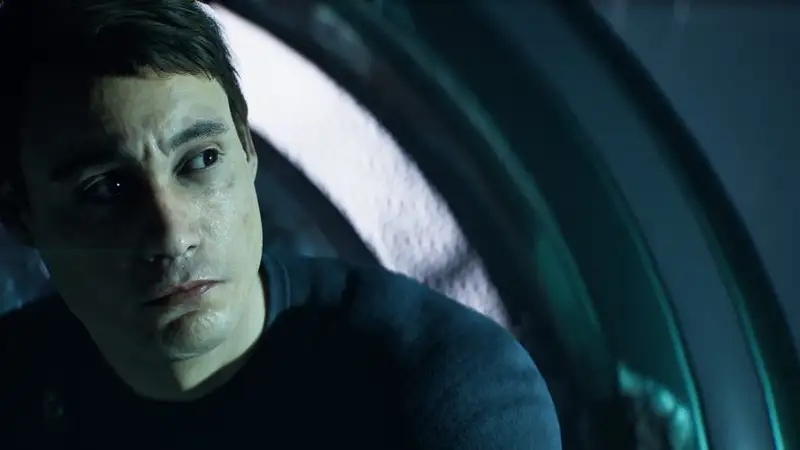
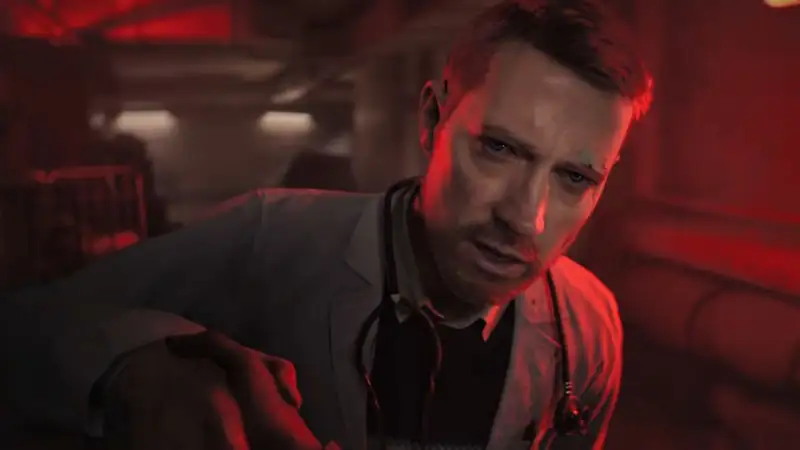
- The game is a collaboration with filmmaker Jordan Peele and features a notable cast including Sophia Lillis and Hunter Schafer.
In an industry often driven by established formulas and proven successes, the journey of a truly radical idea can be fraught with skepticism and outright rejection. Such was the initial experience for visionary game developer Hideo Kojima, whose upcoming horror title, OD, was reportedly dismissed as 'crazy' and unfeasible by numerous major and emerging companies before finding a champion in Xbox Game Studios.

Quick summary

- Hideo Kojima's ambitious horror game, OD, was widely rejected by other companies who deemed its innovative concept too difficult to realize.
- Xbox Game Studios ultimately partnered with Kojima Productions, embracing the game's unique vision despite its unconventional nature.
- Kojima has described OD as an unprecedented experience, aiming to push the boundaries of fear and introduce entirely new game systems.
- The project involves a high-profile collaboration with filmmaker Jordan Peele and stars Sophia Lillis, Hunter Schafer, and the late Udo Kier.




Why it matters
The story behind OD's adoption by Xbox highlights several critical dynamics within the video game industry. Firstly, it underscores the persistent tension between creative innovation and commercial viability. Even for a figure as celebrated as Hideo Kojima, whose name is synonymous with groundbreaking titles, pushing truly novel concepts remains a formidable challenge when seeking traditional publisher backing. This raises questions about how many other genuinely revolutionary ideas might be stifled without a willing patron.

Secondly, Xbox's decision to support OD signals a strategic pivot towards securing high-profile, exclusive content that differentiates its platform. In an increasingly competitive landscape, aligning with a renowned auteur like Kojima—especially given his historical ties to rival platforms—is a significant coup. This move could influence how other platforms approach funding experimental projects and fostering relationships with top-tier talent.
Finally, for players, the prospect of a Kojima horror game that promises 'something no one has ever seen before' is immensely exciting. It suggests a potential redefinition of the horror genre and interactive storytelling itself. If OD delivers on its audacious claims, it could set new benchmarks for immersive experiences and game design, expanding the creative possibilities for developers across the industry.

Background

Hideo Kojima has long been recognized as one of the most distinctive voices in game development, celebrated for his cinematic storytelling, intricate world-building, and willingness to challenge conventional gameplay mechanics. His most famous creation, the Metal Gear Solid series, cemented his reputation as an auteur capable of crafting deeply immersive and thought-provoking experiences. Following his departure from Konami and the establishment of Kojima Productions, he released Death Stranding, a game that defied easy categorization and sparked widespread discussion for its unique 'strand' genre.

Throughout his career, Kojima has maintained a close, albeit sometimes complex, relationship with the PlayStation brand, with many of his seminal titles launching as exclusives or having strong associations with Sony's consoles. Death Stranding, for instance, initially launched as a PlayStation exclusive before later arriving on PC and, eventually, Xbox. This history makes Xbox's embrace of OD particularly notable, marking a significant shift in platform allegiances for one of gaming's most iconic creators.
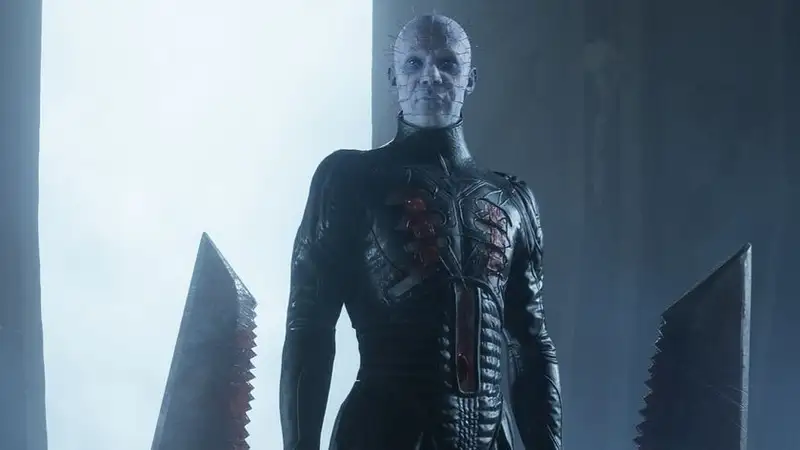
The development of OD began during Kojima's work on Death Stranding, as he independently conceived a concept that he felt pushed beyond existing boundaries. His subsequent attempts to pitch this vision to various companies, both established industry giants and burgeoning studios, met with uniform resistance. Their common refrain highlighted the perceived impossibility of realizing his innovative, unprecedented game system, labeling the idea as 'crazy'—a testament to its radical departure from known game design paradigms.

The Visionary's Challenge
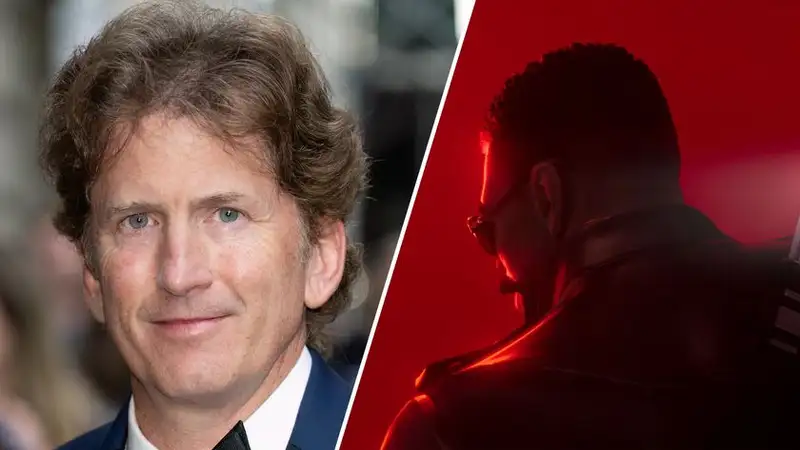
Despite a storied career and a track record of delivering critically acclaimed and commercially successful titles, Kojima found that his latest, most ambitious concept for OD was met with considerable apprehension across the industry. He recounted pitching the project to a diverse range of companies, both established behemoths and newer players, only to receive the same feedback: the concept was too outlandish, too difficult to comprehend, and ultimately beyond their capabilities to produce.

This widespread dismissal underscores the inherent risks associated with truly experimental game development. Publishers, often driven by market trends and investor expectations, typically prefer projects with clear precedents and predictable returns. Kojima's vision for OD, described as 'something that no one has ever seen before' and a 'new game system,' evidently fell outside these comfortable parameters, posing a significant challenge to conventional funding models and development pipelines.
The reluctance to back such an unconventional project, even from a developer of Kojima's stature, illustrates the cautious nature of the game industry's major players. Innovation, while frequently lauded, often faces an uphill battle when it threatens to disrupt established production methods or venture into uncharted creative territory, highlighting the courage required from both creators and their eventual partners.
Xbox's Strategic Embrace

Amidst the industry-wide skepticism, Xbox emerged as the key platform willing to take a chance on Kojima's 'crazy' idea. Xbox executive Phil Spencer, known for his long-standing role in the gaming division, reportedly showed immediate enthusiasm for the concept, recognizing its potential to be a groundbreaking title. This endorsement was instrumental in securing OD as an Xbox Game Studios published title.
The decision to back OD aligns with Xbox's broader strategic vision, articulated by executives like Asha Sharma, who serves as Chief Operating Officer for Xbox. Sharma described OD as 'deeply moving' and emblematic of 'another kind of game,' emphasizing the platform's commitment to fostering diverse creative expressions. This support for unconventional projects reflects Xbox's ambition to broaden its platform's appeal and provide a fertile ground for creators pushing the boundaries of interactive entertainment.

This partnership with Kojima Productions is a significant win for Xbox, especially considering Kojima's previous strong ties to PlayStation. It represents a calculated move to secure exclusive content from one of the industry's most respected minds, potentially drawing new players to the Xbox ecosystem. While the company faces ongoing challenges, including recent layoffs, its investment in unique, creator-driven content like OD signals a continued effort to innovate and attract top talent.

Pushing Boundaries: Beyond Conventional Horror
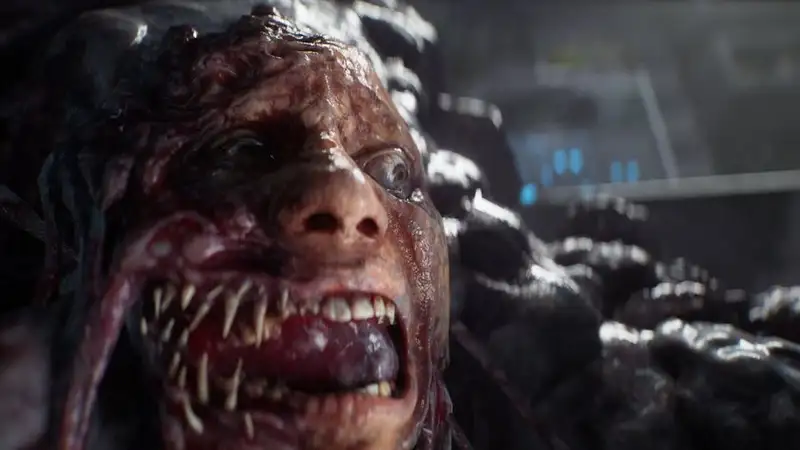
Kojima has offered tantalizing glimpses into the innovative nature of OD, asserting that early trailers might deceptively portray it as a 'standard horror game.' He maintains that the project transcends existing definitions of horror, aiming to go 'beyond the limit of the 'scariness' that other games had reached.'
The game is envisioned as a single-player experience designed to be 'as scary as possible.' However, Kojima also hinted at a unique 'system' designed to prevent players from abandoning the game when the intensity becomes too overwhelming. This intriguing mechanic suggests a sophisticated approach to player engagement and psychological pacing, distinguishing OD from typical horror titles that often rely solely on escalating terror.
This blend of extreme fright and innovative player retention mechanics indicates Kojima's intent to craft not just a scary game, but one that fundamentally rethinks how horror interacts with its audience. By collaborating with acclaimed horror filmmaker Jordan Peele, known for his genre-bending works like Get Out and Us, Kojima appears poised to deliver a narrative and interactive experience that reshapes expectations for the horror genre.
Qnews24h insight
The narrative surrounding Hideo Kojima's OD offers a sharp insight into the high-stakes balancing act between artistic vision and commercial imperative in the modern gaming industry. The initial widespread rejection of OD underscores that even a titan like Kojima cannot simply dictate the direction of big-budget projects; radical ideas inherently carry financial risks that most publishers are loath to assume. Yet, Xbox's embrace of this 'crazy' concept is a calculated gamble, positioning the platform as a patron of groundbreaking creativity, potentially at the expense of safer, more predictable titles.
This move is more than just securing an exclusive; it's a statement. In an era where subscription services and platform ecosystems demand a constant influx of diverse, high-quality content, backing a project that promises to be 'something that no one has ever seen before' could yield immense long-term dividends in brand perception and player loyalty. While the commercial success of such an avant-garde title remains to be seen, the symbolic value of Xbox championing a vision deemed too ambitious by others reinforces its commitment to pushing the boundaries of interactive entertainment, rather than merely refining existing formulas. This could set a precedent for future funding of 'auteur' projects, challenging the industry to consider the value of bold innovation beyond immediate market trends.
Sources
Frequently Asked Questions (FAQ)
What is Hideo Kojima's new game, OD?
OD is an upcoming horror game developed by Kojima Productions, led by Hideo Kojima. It's described as an entirely new type of game system designed to push the boundaries of fear and interactive storytelling, featuring collaborations with filmmaker Jordan Peele and a notable cast.
Why did other companies reject Kojima's pitch for OD?
According to Kojima, numerous major and emerging companies rejected his pitch for OD because they found the concept 'crazy' and didn't understand how to realize its unprecedented game system. They believed it was something they wouldn't be able to produce.
Why did Xbox decide to publish OD?
Xbox saw the potential in Kojima's innovative vision, with executive Phil Spencer reportedly keen on the concept. Xbox leadership views OD as representing 'another kind of game' that aligns with their platform's broader vision of supporting diverse creators and unique, boundary-pushing experiences.
When is OD expected to be released?
As of the latest information, OD does not yet have a confirmed release date. Details about its launch window are expected to be revealed at a later time.
Why it matters
The journey of Hideo Kojima's 'OD' from widespread rejection to Xbox's embrace highlights critical industry dynamics: the struggle for true innovation against commercial conservatism, Xbox's strategic pivot to secure exclusive, high-profile content, and the potential redefinition of the horror genre for players. This collaboration could set new benchmarks for creative freedom and platform differentiation, influencing how ambitious projects are funded and perceived in the future.
Background
Hideo Kojima, renowned for groundbreaking titles like 'Metal Gear Solid' and 'Death Stranding,' has a storied history of pushing creative boundaries. Historically, many of his major projects were associated with PlayStation. The concept for 'OD' emerged during his work on 'Death Stranding,' envisioned as an unprecedented game system. Despite his reputation, numerous companies dismissed his pitch for 'OD' as too 'crazy' and unfeasible, underscoring the industry's general aversion to projects without clear precedents before Xbox stepped in.
Xbox's decision to back Hideo Kojima's 'OD,' despite its radical nature and widespread industry skepticism, represents a calculated, high-stakes gamble. This move is less about a safe commercial bet and more about a strategic positioning of Xbox as a patron of true innovation and artistic autonomy. In an increasingly homogenized gaming landscape, aligning with a visionary like Kojima, who promises 'something no one has ever seen before,' could significantly enhance Xbox's brand image and differentiate its ecosystem. This partnership could serve as a litmus test for the viability of funding audacious, 'auteur-driven' projects, potentially influencing future development models and encouraging...
References
Editorial information
The editorial team reviews sources, adds context, and structures stories so readers can understand the news more clearly.
Article from QNEWS24H
Comments
(0)No comments yet. Be the first to share your thoughts.