Before the Billion-Dollar Empire: How GTA 4 Multiplayer Defined Pure Sandbox Chaos

- Grand Theft Auto IV introduced official built-in multiplayer to the franchise, shifting player dynamics from serious narrative grit to unscripted sandbox comedy.
- Unlike the heavily structured, economy-driven GTA Online, GTA 4 multiplayer relied on customizable rules, physics-driven car chases, and raw player creativity.
- While official PC servers shut down in 2020, the legacy of GTA 4 multiplayer survives through community projects like GTA Connected and active console matches.
- The evolution from GTA 4's experimental lobbies to GTA 5's commercial empire highlights a major industry shift toward live-service monetization.
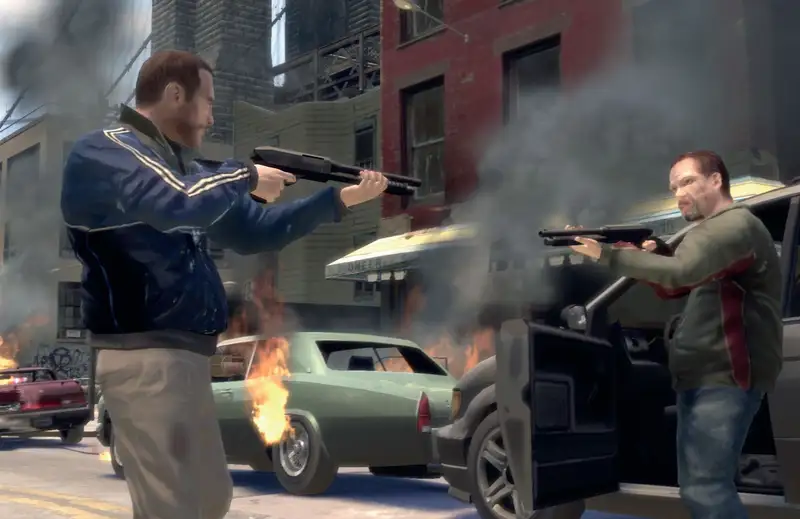
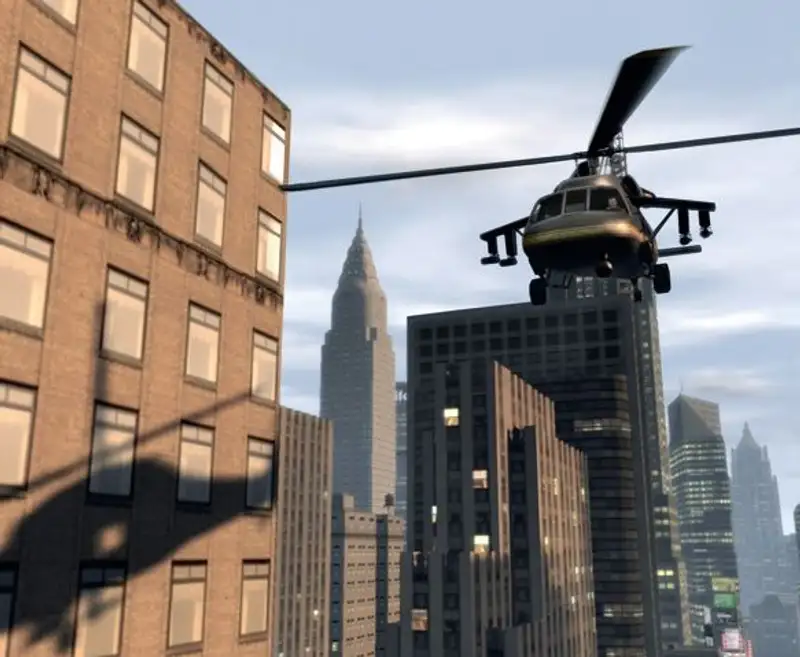
Long before Grand Theft Auto Online evolved into an unprecedented multi-billion-dollar commercial empire featuring multi-stage cooperative heists, weaponized flying vehicles, and complex real estate empires, multiplayer in Liberty City was a remarkably simple, unscripted playground. When players loaded into Grand Theft Auto IV's online lobbies, they were not grinding virtual currency to purchase subterranean bunkers; they were simply finding out what happens when dozens of fire trucks collide at full speed in an explosive crossfire.
Quick summary
- Grand Theft Auto IV introduced official built-in multiplayer to the franchise, shifting player dynamics from serious narrative grit to unscripted sandbox comedy.
- Unlike the heavily structured, economy-driven GTA Online, GTA 4 multiplayer relied on customizable rules, physics-driven car chases, and raw player creativity.
- While official PC servers shut down in 2020, the legacy of GTA 4 multiplayer survives through community projects like GTA Connected and active console matches.
- The evolution from GTA 4's experimental lobbies to GTA 5's commercial empire highlights a major industry shift toward live-service monetization.
Why it matters
The contrast between GTA 4's multiplayer and modern open-world online games illustrates the evolution of video game business models over the past two decades. In the late 2000s, multiplayer components were viewed primarily as value-added extensions of a complete single-player package. Today, online modes are designed as ongoing live-service platforms engineered to maximize player retention, daily engagement metrics, and recurring microtransactions.
Examining this shift highlights what modern gaming has gained in cinematic production, narrative integration, and long-term content updates, alongside what was traded away: the frictionless spontaneity of jumping into an open world where every participant has equal equipment and zero economic anxiety.
Background
Before Rockstar Games officially introduced native multiplayer in GTA 4, community modders had spent years attempting to bring networked gameplay to 3D open worlds. Projects such as Multi Theft Auto (MTA) and San Andreas Multiplayer (SA-MP) proved that players had a voracious appetite for roaming digital cities together.
With GTA 4, Rockstar integrated multiplayer directly into the engine, taking advantage of Euphoria physics, advanced vehicle deformation, and high-fidelity gunplay. While Rockstar eventually discontinued official PC multiplayer support for GTA 4 in 2020 following the removal of Games for Windows Live, the mode remains accessible through console backward compatibility and third-party modifications like GTA Connected.
The Beauty of Unscripted Sandbox Havoc
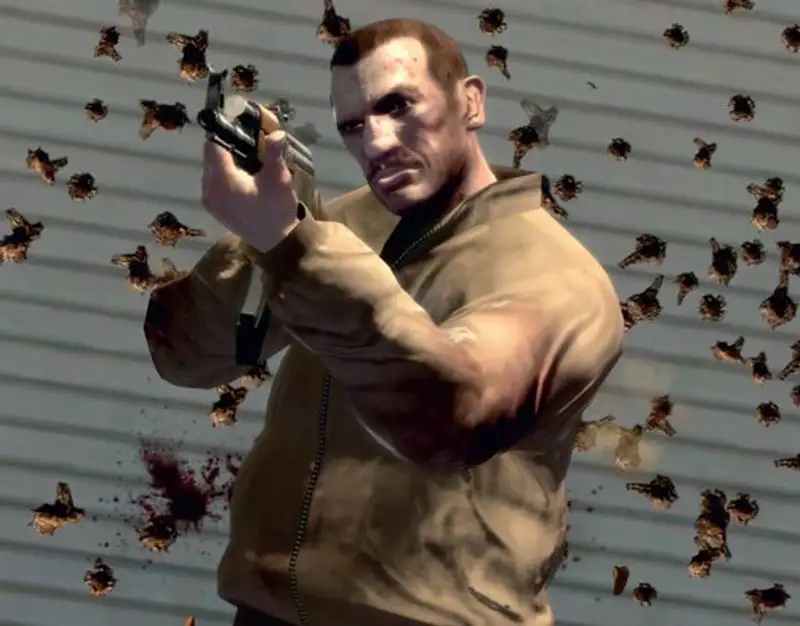
In single-player mode, GTA 4 presented a grounded, cinematic, and occasionally grim story centered on Niko Bellic’s immigrant journey. However, the introduction of other human players completely altered the atmosphere of Liberty City, transforming a gritty drama into an unpredictable slapstick comedy.
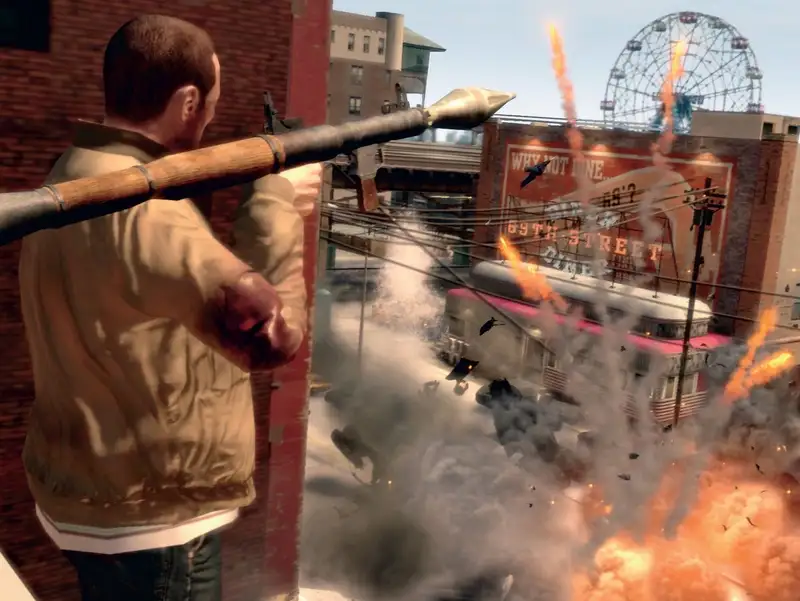
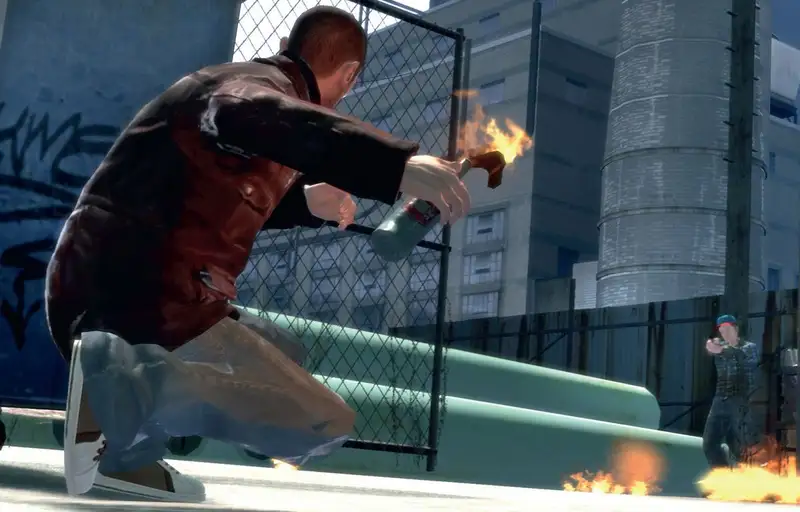
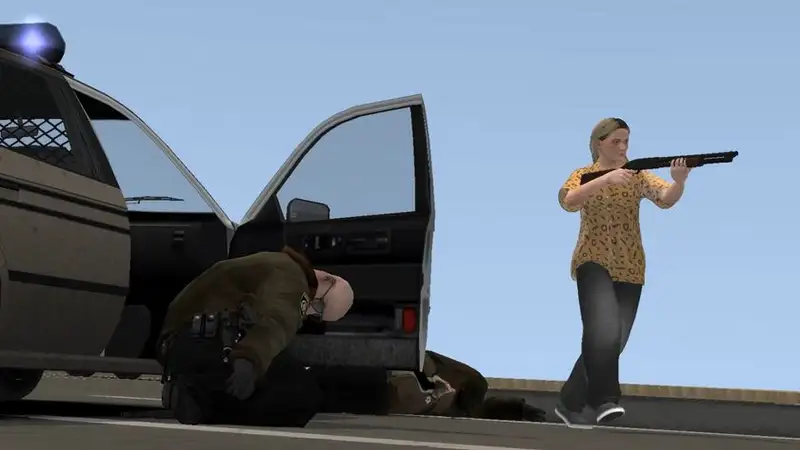
Without a persistent in-game bank balance to protect, players embraced sheer absurdity. Lobbies could be configured to create wildly asymmetric combat scenarios—such as restricting an entire Turf War objective mode exclusively to rocket launchers. The resulting matches forced players to grapple with slow-moving projectiles and intense physics-driven vehicle wreckage, delivering visceral and unchoreographed thrills.
Modes such as 'GTA Race' allowed weapons on the track, frequently causing lower-ranked drivers to abandon any hope of winning conventionally. Instead, trailing racers routinely organized makeshift roadblocks, turned emergency vehicles into battering rams, or transformed standard races into desperate demolition derbies reminiscent of post-apocalyptic survival games.
Humanity and Physics: The Core of Emergent Gameplay
What made GTA 4's multiplayer particularly memorable was the collision between high-end physics simulations and human unpredictability. The game’s realistic weight distribution, heavy steering mechanics, and ragdoll animations turned routine gunfights into dramatic cinema.
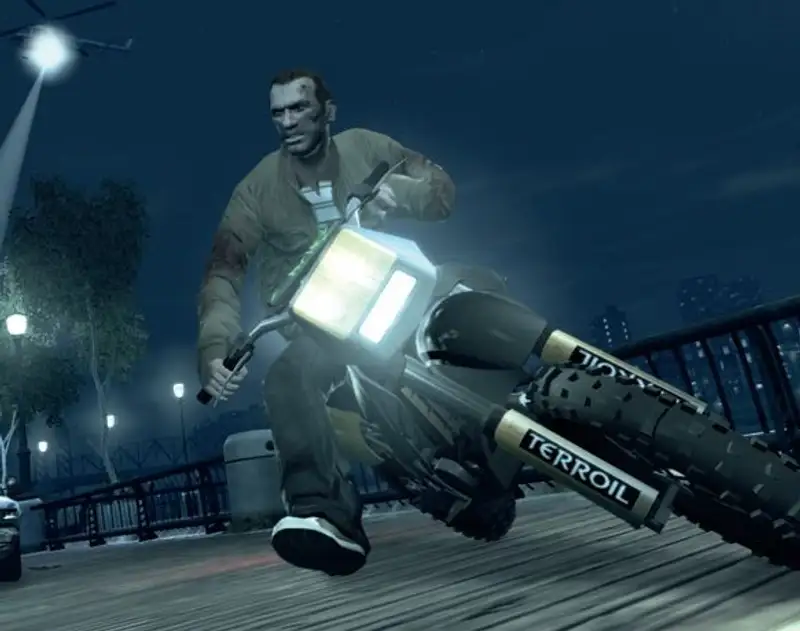
A standard team deathmatch could suddenly morph into an homage to classic crime films, with players hanging out of car windows firing sidearms, only to miscalculate a high-speed corner and careen off a suspension bridge into the river below. The absence of heavy progression systems meant that players were never penalized for experimenting with unconventional tactics or laughing at catastrophic failures.
GTA 4 vs. GTA Online: Two Different Philosophies
When GTA Online launched in 2013 alongside GTA 5, Rockstar adopted a radically different design philosophy. Progression, property ownership, businesses, and an intricate financial economy became the central pillars of the multiplayer experience.
While GTA Online provided years of continuous expansions and unmatched commercial longevity, it also introduced steep financial barriers and aggressive free-roam hostility fueled by heavily weaponized military hardware. In contrast, GTA 4 offered an even playing field where fun was derived entirely from player interaction rather than gear disparity or economic status.
Qnews24h insight
The legacy of GTA 4 multiplayer serves as a critical reminder that complexity does not always equate to fun. As the video game industry prepares for the next generation of open-world design in Grand Theft Auto VI, developers must recognize that player-driven emergent chaos remains a core component of franchise identity. While live-service infrastructure is essential for modern commercial viability, preserving accessible, low-stakes sandbox modes where players can simply experiment without economic penalties will be crucial for maintaining long-term community goodwill.
Frequently Asked Questions
Can you still play GTA 4 multiplayer today?
Yes. While official PC servers were retired in 2020, players on PC can still access multiplayer through community-run platforms like GTA Connected. Additionally, the original multiplayer modes remain operational on PlayStation 3 and Xbox consoles via backward compatibility.
How did GTA 4 multiplayer differ from GTA Online?
GTA 4 multiplayer lacked persistent economies, real-money microtransactions, character leveling perks, and complex business management. It focused primarily on traditional matchmaking lobbies, customizable sandbox rules, deathmatches, and races with equalized weapon access.
Did GTA 4 have cooperative multiplayer missions?
Yes, GTA 4 featured dedicated cooperative missions such as 'Deal Breaker', 'Hangman's NOOSE', and 'Bomb da Base II', where small squads of players worked together to complete tactical objectives against AI enemies.
Sources
Original analysis and retrospective context based on historical reporting from PC Gamer.













Why it matters
The structural contrast between GTA 4's multiplayer and GTA Online mirrors the broader gaming industry's transition from sandbox freedom to hyper-monetized live-service ecosystems. Understanding how GTA 4 succeeded with simple, player-driven matchmaking provides crucial perspective on what modern open-world multiplayer titles gain in retention and revenue—and what they often sacrifice in spontaneous fun.
Background
Prior to GTA 4's launch in 2008, multiplayer in 3D Grand Theft Auto titles existed primarily through dedicated community-built modifications such as Multi Theft Auto (MTA) and SA-MP. When Rockstar Games integrated native multiplayer directly into Liberty City, it marked the studio's first massive official foray into networked open-world gameplay. Although the official PC multiplayer backend was deprecated in 2020, dedicated fan communities have kept the game playable via custom clients.
The enduring nostalgia for GTA 4's multiplayer reveals a growing fatigue with modern live-service progression grinds. While GTA Online generated unprecedented revenue for Take-Two Interactive, its heavily gated progression and microtransactions shifted the player focus from emergent sandbox comedy to repetitive financial optimization. As anticipation builds for GTA 6, developers face the delicate design challenge of balancing profitable live-service structures with the frictionless, chaotic sandbox freedom that originally made multiplayer Grand Theft Auto iconic.
References
Editorial information
The editorial team reviews sources, adds context, and structures stories so readers can understand the news more clearly.
Article from QNEWS24H
Comments
(0)No comments yet. Be the first to share your thoughts.