Global Memory Crisis Intensifies, Driving Up Gaming Hardware Costs, Valve Confirms

- Steam Machine prices, starting over $1,000, are expected to remain high due to a worsening memory crisis.
- Valve engineers confirm that demand from AI data centers is escalating the global shortage of memory chips and storage components.
- Production of Steam Machines is currently constrained by limited memory capacity, impacting overall availability.
- Industry leaders, including Xbox and Lenovo, foresee a sustained period of elevated memory costs, predicting a 'new normal' and potential price doubling by 2027.
The landscape of consumer electronics, particularly within the competitive gaming hardware sector, is currently navigating turbulent waters. Enthusiasts hoping for a dip in the price of high-performance devices, such as Valve's Steam Machine, are likely to be disappointed. Reports from industry insiders, including Valve itself, paint a grim picture: the global memory chip crisis is not only persisting but is actively worsening, with significant implications for both manufacturers and end-users.
Quick summary
- The starting price for a Steam Machine, already exceeding $1,000, is projected to remain high for the foreseeable future.
- Valve engineers indicate that the global memory chip and storage crisis is intensifying, driven primarily by the escalating demand from AI data centers.
- This component scarcity directly impacts production capacity, with Valve confirming that its Steam Machine output is currently limited by memory availability.
- Other industry players like Xbox and Lenovo anticipate a sustained period of elevated memory costs, with some projections suggesting prices could double again by late 2027.
Why it matters
This escalating memory crisis has profound implications across the tech ecosystem. For the average consumer and avid gamer, it means continued high prices for essential hardware components like RAM and storage, affecting everything from purchasing a new gaming PC to upgrading an existing system or acquiring a next-generation console. The dream of more affordable, powerful gaming setups might remain elusive for longer than anticipated.
For hardware manufacturers, the situation presents significant challenges in terms of supply chain stability, production planning, and profitability. Companies must either absorb higher component costs, passing them on to consumers, or face constrained production volumes. This can stifle innovation, delay product launches, and create a competitive environment where access to components is as crucial as design and marketing.
More broadly, it underscores a fundamental shift in the global technology market: the burgeoning demands of artificial intelligence are now directly competing with traditional consumer electronics for critical semiconductor resources. This re-prioritization of supply could redefine market dynamics, impacting everything from product roadmaps to the long-term affordability of everyday smart devices.
Background
The semiconductor industry has experienced a tumultuous period over the past few years, marked by a confluence of factors ranging from pandemic-induced supply chain disruptions to geopolitical tensions. Initially, a surge in demand for remote work and entertainment technologies created bottlenecks for various components, including microprocessors and graphics cards.
However, the current memory chip crisis represents a distinct and evolving challenge. While previous shortages often stemmed from manufacturing capacity struggling to keep pace with generalized demand, the present situation is increasingly dominated by the exponential growth of artificial intelligence. Large language models and advanced AI applications require immense computational power and, critically, vast amounts of high-bandwidth memory (HBM) and conventional DRAM. This has led to AI data centers becoming priority clients for chip foundries and memory manufacturers.
Valve’s Steam Machine, conceptualized as a PC gaming console alternative running SteamOS, entered this complex market environment. Its initial high price points were already a barrier for many consumers, but the deepening memory crisis exacerbates this challenge, making price reductions extremely difficult. Statements from industry figures, such as Xbox CEO Asha Sharma anticipating memory costs to double again by 2027 and Lenovo predicting a 'new normal' for RAM expenses, highlight a widespread industry concern that this is not a short-term fluctuation but a significant, structural shift.
Qnews24h insight
The current memory crisis is more than just a temporary supply-demand imbalance; it signifies a fundamental restructuring of the global semiconductor market driven by the insatiable appetite of artificial intelligence. What we are witnessing is a strategic pivot by chip manufacturers towards higher-margin, high-volume orders from enterprise AI clients, effectively re-prioritizing component allocation away from consumer electronics. Valve's candid assessment that the situation is 'still getting worse' and that retail prices lag bulk supply by months indicates a deepening chasm between the needs of the consumer market and the realities of component availability.
This scenario suggests that the 'new normal' for memory costs, as predicted by Lenovo, is less about market correction and more about a permanent recalibration where consumer affordability becomes a secondary consideration for chip producers. For companies like Valve, this necessitates a strategic re-evaluation of product goals, as evidenced by their apparent comfort with constrained Steam Machine sales, viewing the device more as an ecosystem gateway than a high-volume revenue generator. This insight points to a future where general-purpose computing hardware for consumers might face sustained pricing pressures and potentially slower technological advancement, as bleeding-edge memory technologies are first channeled into the AI sector.
Memory Crisis: The AI Factor
The primary driver behind the current escalation in memory component pricing and scarcity is the explosive growth of artificial intelligence. AI data centers, which are rapidly expanding globally, require vast quantities of specialized memory chips and high-capacity storage solutions to train and run complex models. These sophisticated operations demand unparalleled bandwidth and density, placing immense pressure on the global supply of both DRAM and NAND flash memory.
Valve engineer Yazan Aldehayyat, in a candid interview, confirmed this grim outlook. "Honestly, it's still getting worse," Aldehayyat stated regarding pricing trends. He further elaborated that the retail prices consumers see today typically lag behind the bulk supply market by a significant margin, often three to six months. This suggests that the current high prices at retail are merely a precursor to potentially even higher costs yet to filter through the supply chain.
Consumer Impact and Industry Outlook
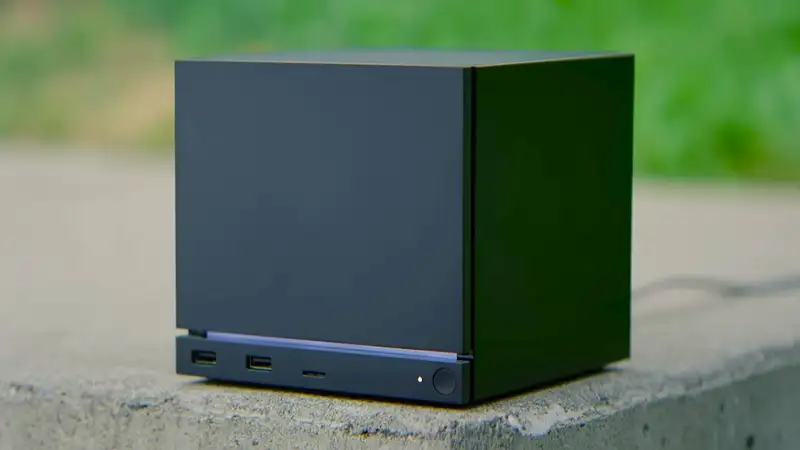
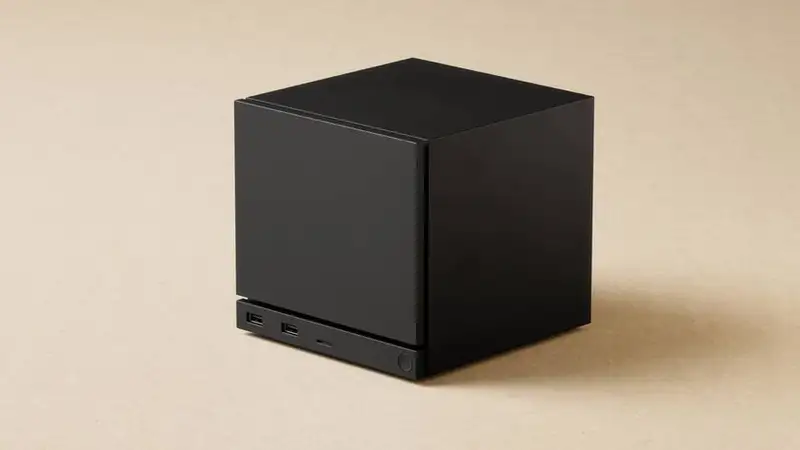
The implications for PC gamers and console enthusiasts are direct and unavoidable. Higher component costs translate directly into more expensive finished products. A Steam Machine, for instance, starts at an already premium price point of over $1,000 for a 512GB model without a controller. This price point, far from being an anomaly, is a direct reflection of the underlying market conditions.
The issue extends beyond Valve’s offerings. The broader console market is also feeling the pinch. Xbox CEO Asha Sharma has publicly voiced expectations that memory costs could potentially double again before the autumn of 2027. This sentiment is echoed by technology giants like Lenovo, who have indicated that the industry is settling into a "new normal" for RAM expenses, implying that consumers should not anticipate a return to pre-crisis pricing structures anytime soon.
Valve's Strategic Approach Amid Scarcity
Despite the challenging market conditions, Valve appears to be maintaining a pragmatic, long-term strategic view regarding its Steam Machine. Fellow Valve engineer Pierre-Loup Griffais highlighted the immediate operational impact, stating, "We're basically building everything we can. We're limited by memory capacity, for sure." This confirms that production is not being throttled by a lack of demand, but by a physical limitation in acquiring necessary components.
Interestingly, Valve's overall corporate strategy suggests that while unit sales of the Steam Machine are important, they are not the sole metric of success. The device is positioned as a crucial avenue for introducing users to open-source PC gaming and, more importantly, expanding Valve's comprehensive digital ecosystem. This perspective implies a willingness to accept lower initial sales volumes in exchange for broader market penetration and long-term engagement with their platform and services. Such a strategy allows Valve some resilience against volatile component costs, focusing on the strategic value of the product rather than just its immediate profitability per unit.
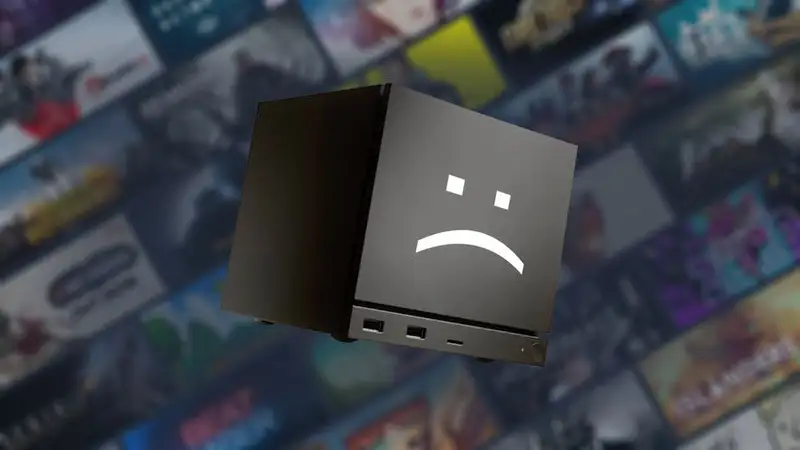
In a related development aimed at enhancing user experience, Valve is also reportedly updating its Steam Machine error codes. These changes are designed to be more helpful and intuitive for users, beginning with the critical 'scary red overheating light,' improving diagnostic clarity for common hardware issues.
Sources
- {"title": "The Steam Machine's $1,000+ price tag is unlikely to come down anytime soon as Valve says the memory crisis is 'still getting worse' | GamesRadar+", "url": "https://www.gamesradar.com/games/the-steam-machines-usd1-000-price-tag-is-unlikely-to-come-down-anytime-soon-as-valve-says-the-memory-crisis-is-still-getting-worse/"}
Frequently Asked Questions
Why are memory chip prices rising and affecting devices like the Steam Machine?
Memory chip prices are rising primarily due to intense demand from AI data centers, which require vast quantities of high-bandwidth memory and storage for training and running complex AI models. This high-priority demand is outstripping supply, leading to increased costs and scarcity for consumer-grade devices like the Steam Machine.
How long is this memory crisis expected to last?
Industry experts, including Valve engineers and executives from companies like Xbox and Lenovo, suggest that the crisis is not a short-term fluctuation. Valve believes it's 'still getting worse,' while others predict sustained high costs, with some projections indicating memory costs could double again by late 2027. This points towards a multi-year challenge for the industry.
How does the memory crisis impact PC gamers and console buyers?
For PC gamers and console buyers, the memory crisis means continued high prices for gaming hardware, including complete systems, individual components like RAM and storage, and next-generation consoles. It could also lead to production limitations, affecting product availability and potentially slowing down hardware innovation in the consumer market.
What is Valve's strategy for the Steam Machine amidst these challenges?
Valve views the Steam Machine as a strategic device to bring more users into its open-source PC gaming ecosystem, rather than focusing solely on high unit sales. Despite production being limited by memory capacity, Valve is not overly concerned with immediate sales volume, instead prioritizing the device's role in expanding engagement with its platform and services.













Why it matters
The escalating memory crisis directly impacts consumer affordability and hardware availability, forcing gamers to contend with higher prices for PCs, consoles, and upgrades. For manufacturers, it creates significant supply chain instability and cost pressures, potentially stifling innovation and delaying product releases. This situation also highlights a critical shift where AI's voracious demand for components now heavily influences the broader technology market, signaling a long-term recalibration of component allocation and pricing.
Background
The current memory chip crisis follows a period of global semiconductor disruptions, initially exacerbated by pandemic-driven demand surges and supply chain issues. However, the present challenge is uniquely characterized by the insatiable growth of artificial intelligence, which requires vast quantities of high-bandwidth memory (HBM) and conventional DRAM for its data centers. This new priority for AI clients is diverting crucial components, causing unprecedented scarcity and price hikes for traditional consumer electronics. Valve's Steam Machine, launched into this volatile market, faces an uphill battle to offer competitive pricing, reflecting wider industry concerns shared by major...
The memory crisis underscores a profound, structural shift in the global tech economy: industrial AI demand is now actively reshaping the semiconductor landscape, prioritizing enterprise needs over consumer markets. Valve's acknowledgment that the situation is 'still getting worse' and that retail prices lag bulk supply suggests this isn't a temporary blip, but a new paradigm where component allocation heavily favors AI infrastructure. This implies that the 'new normal' for memory costs isn't just about market volatility, but a re-evaluation of component value driven by high-margin AI applications, potentially relegating consumer hardware to a secondary tier of priority and making...
References
Editorial information
The editorial team reviews sources, adds context, and structures stories so readers can understand the news more clearly.
Article from QNEWS24H
Comments
(0)No comments yet. Be the first to share your thoughts.