Future Games Show Expands to Three-Show Lineup for Gamescom as Global Showcases Multiply
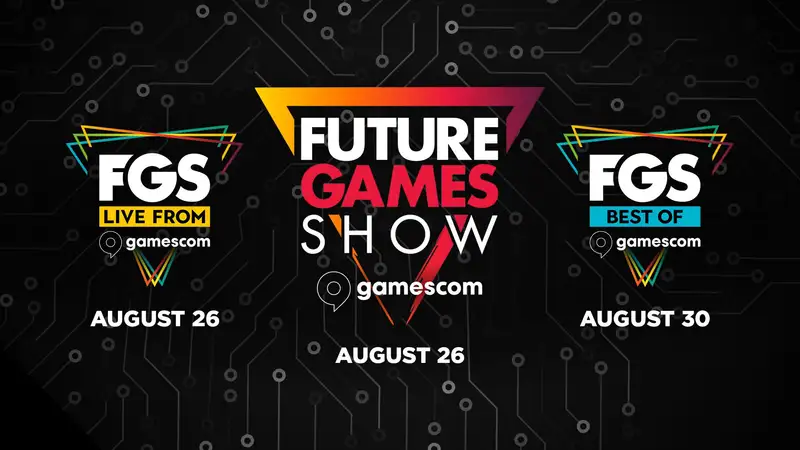
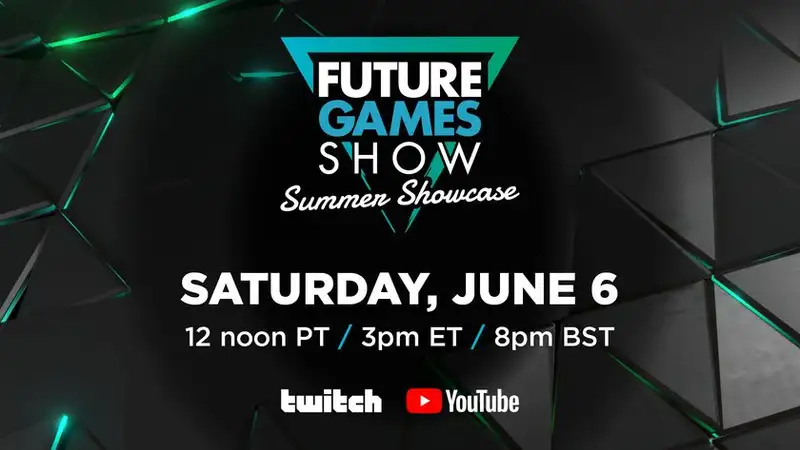
- The Future Games Show returns to Gamescom with three distinct shows: the main showcase, FGS Live, and a 'Best Of' recap broadcast.
- The showcase lineup aims to highlight world premieres, exclusive developer interviews, and immediate downloadable game demos for viewers.
- In tandem with European coverage, the PC Gaming Show Tokyo Direct has been announced for September 20 to target the growing Japanese PC gaming market.
As the global gaming industry gears up for its traditional late-summer pilgrimage to Cologne, Germany, the battle for digital viewership and player attention is intensifying. Gamescom, long established as the world’s largest physical trade show, has fully evolved into a massive multi-day digital broadcast hub for international audiences. In a bid to capture a wider share of this global spotlight, organizers have announced that the Future Games Show is expanding its programming footprint, returning to the German convention with an unprecedented three-show broadcast structure designed to cover every angle of the show floor.
Quick summary
- Three-Show Format: The Future Games Show is expanding its Gamescom presence with three separate broadcasts focusing on exclusive trailers, live developer deep dives, and recap coverage.
- Direct Player Engagement: The programming lineup will place a heavy emphasis on immediate consumer interaction, offering world premieres alongside brand-new, playable game demos.
- Global Footprint: This expansion comes as the PC Gaming Show prepares for its own international spin-off, the Tokyo Direct, scheduled to broadcast during the Tokyo Game Show in September.

Why it matters
With the permanent dissolution of E3, the gaming calendar lacks a single, central focal point for summer announcements, resulting in a highly fragmented landscape of digital showcases. By expanding to three distinct shows, the Future Games Show is attempting to build a sustained narrative over the course of Gamescom week rather than relying on a single, easily forgotten broadcast. For consumers, this translates to a steadier stream of hands-on game demos they can download immediately, transforming viewers from passive observers into active players. For independent and mid-tier developers, these multi-tier showcases provide a vital platform for visibility at a time when securing a slot in premier mainstream events can be both prohibitively expensive and highly competitive.

Background
Gamescom, held annually in Cologne, Germany, has historically served as a critical consumer-facing cornerstone of the European gaming calendar. Over the past several years, however, its digital importance has grown exponentially, largely anchored by Geoff Keighley’s high-profile Opening Night Live showcase. This year, the opening showcase is scheduled to air on August 25, setting the stage for a week of major announcements.
The Future Games Show has carved out a unique niche within this ecosystem, prioritizing creative indie projects and ambitious double-A titles that might otherwise be overshadowed by corporate mega-franchises. Past iterations of the showcase have successfully highlighted critically acclaimed and highly anticipated titles such as Resident Evil Requiem, Clair Obscur: Expedition 33, and the stylistic puzzle-adventure Blue Prince. The transition to a three-show model reflects a broader shift where digital media publications are stepping directly into the role of primary broadcasters to maintain audience engagement in a post-physical print era.
Deconstructing the Three-Show Strategy
1. The Flagship Showcase: World Premieres and Demos
The first broadcast acts as the traditional centerpiece of the event. Viewers can expect a rapid-fire sequence of world premieres, exclusive cinematic trailers, and detailed gameplay walkthroughs. Crucially, this show will highlight immediate, downloadable game demos, allowing players to instantly experience the titles featured on screen. This immediate call-to-action has become one of the most effective conversion tools for digital-first showcases.
2. FGS Live: The Post-Show Deep Dive

Broadcasting immediately after the flagship event, FGS Live transitions the coverage into a post-show analysis format. This segment is designed to address a common complaint about modern gaming showcases—namely, that fast-paced montages often lack context. By featuring live developer interviews, developer deep dives, and real-time news updates, this show aims to provide a deeper understanding of the creative processes and mechanics behind the newly revealed games.
3. The "Best Of" Showcase: Virtual Floor Tours
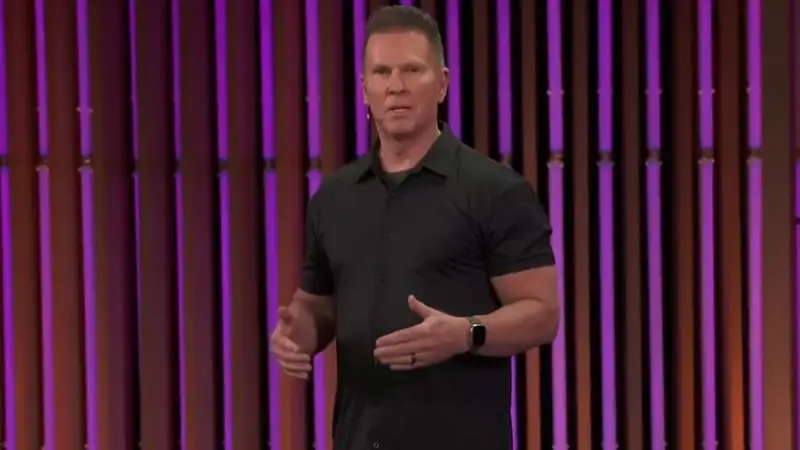
The final broadcast of the trio targets the sheer scale of the Cologne event. Navigating the massive physical halls of the Koelnmesse can be daunting, and the "Best Of" show seeks to bring that on-the-ground atmosphere to remote global audiences. This broadcast will feature curated booth tours, exclusive on-site interviews, and a comprehensive recap of Gamescom’s most significant announcements, ensuring that viewers don't miss key moments from the physical show floor.
Expanding the Horizon to Tokyo
The strategic expansion of these digital showcases is not confined to Europe. Alongside the Gamescom announcement, organizers revealed that the PC Gaming Show will return to Japan for the PC Gaming Show Tokyo Direct on September 20, aligning with the Tokyo Game Show.

This push into the Japanese market is particularly notable. While Japan has historically been dominated by dedicated console and mobile gaming, the PC gaming segment has experienced massive, double-digit growth in the region over the last five years. Establishing a dedicated digital broadcast during the country’s premier trade show allows global developers to speak directly to this rapidly expanding demographic while offering Japanese creators a direct channel to western PC gaming enthusiasts.
Qnews24h insight
Splitting a major showcase into three separate broadcasts is a calculated risk that reflects the current reality of "showcase fatigue." Audiences have become increasingly critical of overly long, bloated streams filled with cinematic trailers that feature no actual gameplay. By segmenting the coverage into hype (the Flagship Showcase), substance (FGS Live), and culture (the "Best Of" Show), organizers are attempting to respect the differing interests of modern viewers.
However, the viability of this model hinges entirely on the quality of the lineup. If the editorial team stretches its announcements too thin across three broadcasts, it risks diluting the value of the brand. The inclusion of playable game demos is the ultimate saving grace here. In a market where consumer skepticism is high, allowing players to immediately verify a developer's claims by playing a demo is the single most powerful marketing tool available today. The broader games industry will be watching closely to see if this tri-broadcast model can maintain high digital engagement throughout Gamescom week, potentially establishing a new blueprint for how major gaming conventions are covered in the future.
Sources
This report is based on announcements and official coverage detailed by PC Gamer regarding the upcoming Gamescom event calendar.
Why it matters
In the post-E3 era, digital showcases are fragmented. A three-show format allows publishers and media outlets to build a sustained week-long narrative, offering mid-tier and indie developers vital visibility while giving players immediate hands-on access through instant game demos.
Background
Gamescom in Cologne, Germany, has become the world's premier hybrid gaming event, anchored digitally by Geoff Keighley's Opening Night Live. The Future Games Show has traditionally served as a platform for creative double-A and indie titles, previously featuring games like Resident Evil Requiem and Blue Prince. This year's expansion signals a shift toward comprehensive, live-broadcast journalism covering the physical convention floor.
The decision to launch three separate shows is an attempt to combat digital showcase fatigue by separating quick-hitting trailers from technical deep dives. Its success will depend entirely on content density; if the announcements are spread too thin, the brand risks dilution, making the inclusion of immediate playable demos critical to keeping audiences engaged.
References
Editorial information
The editorial team reviews sources, adds context, and structures stories so readers can understand the news more clearly.
Article from QNEWS24H
Comments
(0)No comments yet. Be the first to share your thoughts.