FF7 Remake Director Prioritizes FFXIV Patch Schedule for Crossover Event
- Final Fantasy VII Remake director Naoki Hamaguchi prioritized preserving Final Fantasy XIV's regular patch schedule during the upcoming crossover event planning.
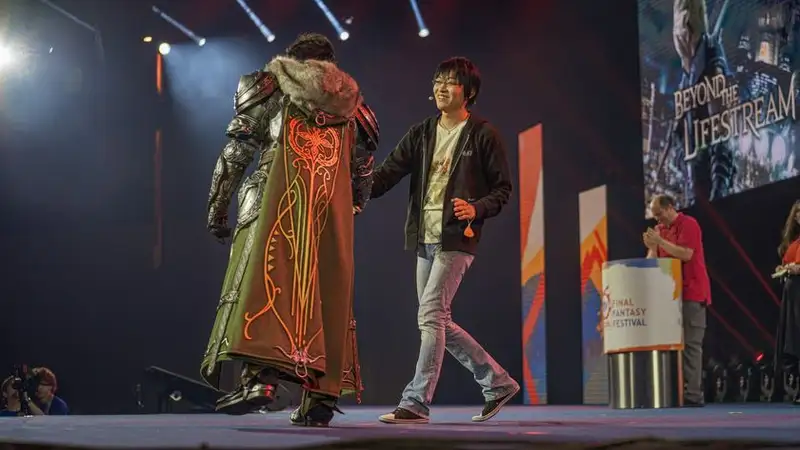
- The collaboration, slated for next year, will see significant involvement from the FF7 Remake team, including original writer Kazushige Nojima as story supervisor.
- Both Hamaguchi and FFXIV director Naoki 'Yoshi-P' Yoshida actively managed creative scope to prevent overambitious ideas from derailing development.
- The crossover is expected to feature a new 'Evercold raid series' within Final Fantasy XIV, integrating assets and narrative elements from the Remake trilogy.
A highly anticipated convergence of two of Square Enix's most beloved universes, Final Fantasy VII Remake and the sprawling online world of Final Fantasy XIV, is on the horizon. However, behind the excitement, a meticulous balancing act has been unfolding. Naoki Hamaguchi, director of the Final Fantasy VII Remake trilogy, has revealed that a primary concern in developing this ambitious crossover was ensuring it would not disrupt the crucial patch release schedule of the immensely popular MMORPG, Final Fantasy XIV.
Quick summary
- Final Fantasy VII Remake director Naoki Hamaguchi prioritized preserving Final Fantasy XIV's regular patch schedule during the upcoming crossover event planning.
- The collaboration, slated for next year, will see significant involvement from the FF7 Remake team, including original writer Kazushige Nojima as story supervisor.
- Both Hamaguchi and FFXIV director Naoki 'Yoshi-P' Yoshida actively managed creative scope to prevent overambitious ideas from derailing development.
- The crossover is expected to feature a new 'Evercold raid series' within Final Fantasy XIV, integrating assets and narrative elements from the Remake trilogy.
Why it matters
For players and the broader gaming industry, this careful approach to development underscores the complex realities of managing major intellectual properties, especially when one is a live-service game like Final Fantasy XIV. The consistent delivery of new content and system updates is paramount for maintaining player engagement and subscription numbers in an MMORPG. Any disruption to FFXIV's regular patch cadence could lead to player dissatisfaction, perceived content droughts, and potentially a decline in its active user base. Hamaguchi's insistence on respecting this schedule highlights a mature understanding of live-service operations, setting a precedent for future inter-franchise collaborations. It also offers a rare glimpse into the logistical challenges faced by major studios in balancing creative ambition with practical development constraints and player expectations.
Background
The idea of a crossover between the distinct worlds of Final Fantasy VII Remake and Final Fantasy XIV has long been a dream for many fans, building on Square Enix's history of inter-game events. Final Fantasy XIV, under the stewardship of Naoki 'Yoshi-P' Yoshida, has seen a remarkable turnaround since its disastrous initial launch, becoming one of the most critically acclaimed and commercially successful MMORPGs in history. Its success is heavily reliant on a consistent and predictable content pipeline, delivered through regular, large-scale patches. Meanwhile, the Final Fantasy VII Remake project represents a monumental undertaking, reimagining a beloved classic in multiple installments, each requiring significant development resources and time.
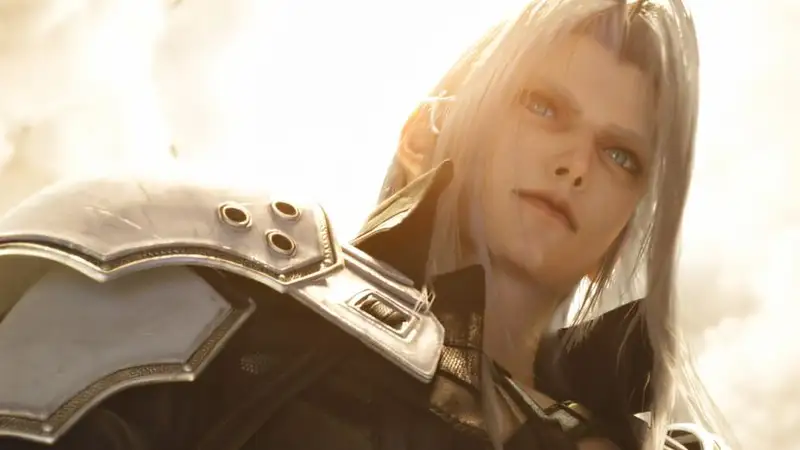
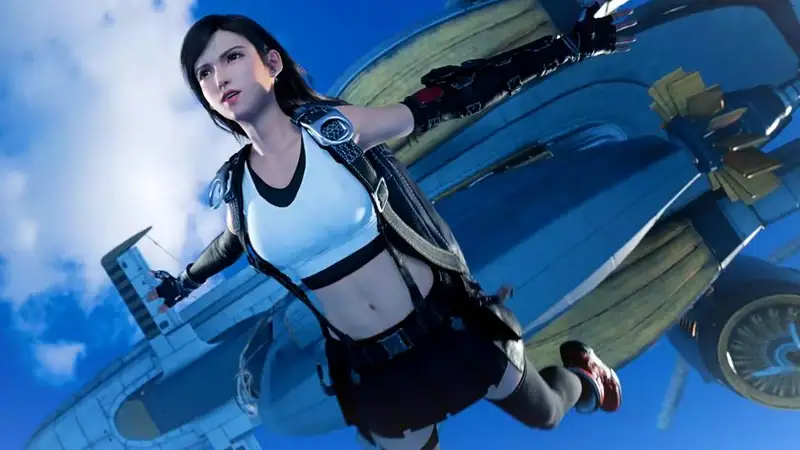
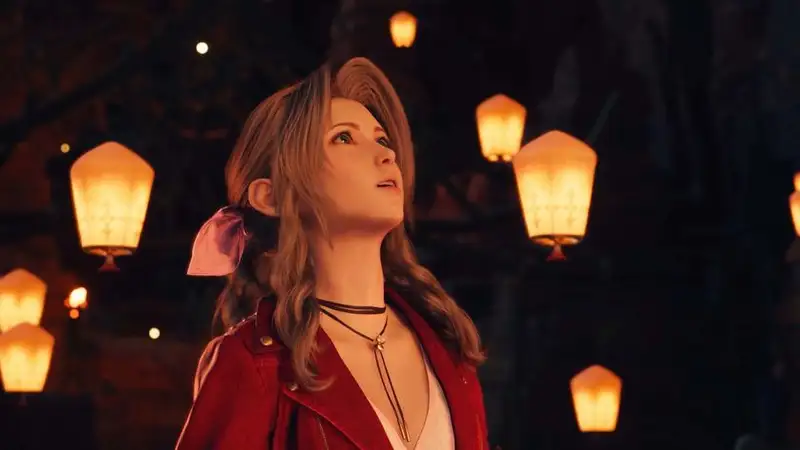
The current collaboration builds upon the precedent set by previous Final Fantasy XIV crossovers, such as those with Final Fantasy XV and Monster Hunter: World, which successfully introduced new content without major disruptions. However, integrating the highly detailed world of Final Fantasy VII Remake, a project still actively under development itself, presented unique challenges. The decision to involve the Remake team so heavily, with its original writer Kazushige Nojima supervising the story and the team collaborating on assets for an 'Evercold raid series,' indicates a desire for a deep, lore-rich integration rather than a superficial cameo. This heightened level of involvement necessitated early and careful planning to prevent potential conflicts with FFXIV's established content delivery pipeline.
The Balancing Act of Creative Vision and Practicality
The core of the development challenge, as articulated by Hamaguchi, revolved around managing the creative enthusiasm that naturally arises when two prominent teams collaborate. Developers often generate a multitude of ambitious ideas, but these must be tempered by realistic assessments of available resources and timelines. Hamaguchi recounted needing to remind his team to 'look at our bandwidth to see what's realistic' and to 'be reasonable,' a sentiment echoed by Yoshi-P, who also has a reputation for meticulous planning and transparent communication regarding FFXIV's development.
This managerial oversight was crucial to ensure that the excitement for the crossover didn't inadvertently 'put the cart before the horse' by overcommitting resources that would otherwise be dedicated to FFXIV's essential updates. The collaboration requires not only a conceptual merging of worlds but also the technical integration of assets and systems, which can be a complex and time-consuming process for separate development teams. The need for both directors to personally oversee these 'touch-ups' on top of their primary directorial roles for Final Fantasy XIV's Evercold expansion and Final Fantasy VII Revelation further highlights the demanding nature of this high-profile project.
Resource Allocation in Modern Game Development
The dialogue around 'bandwidth' and 'realistic' expectations isn't unique to Square Enix. It's a fundamental challenge across the modern gaming industry, particularly with increasingly complex titles and the rise of live-service models. Allocating sufficient resources—human, financial, and technological—to concurrent projects without compromising existing commitments is a constant tightrope walk. For an MMORPG like FFXIV, its regular patch schedule is its lifeblood. These patches don't just add new story content; they include essential bug fixes, balance adjustments, quality-of-life improvements, and seasonal events that keep the player base active and subscribed.
Disrupting this rhythm can have significant negative repercussions, eroding player trust and engagement built over years. Hamaguchi's cautious stance reflects an understanding that while a crossover generates buzz, the long-term health of an ongoing live game must take precedence. This suggests a strategic maturity within Square Enix to prioritize sustainable development and player retention over short-term hype, especially given their commitment to both the Final Fantasy VII Remake trilogy's completion and FFXIV's continued evolution.
Qnews24h insight
The emphasis on safeguarding Final Fantasy XIV's patch schedule during the Final Fantasy VII Remake crossover development provides a clear insight into Square Enix's evolving operational philosophy. It signals a heightened awareness within the company regarding the distinct development cycles and player expectations for different types of games, particularly the non-negotiable demands of a live-service MMORPG. Instead of allowing the allure of a major crossover to create scope creep and potential delays for FFXIV, leadership actively intervened to ensure practical limits were set. This proactive management of development 'bandwidth' suggests a lesson learned from past industry challenges, focusing on sustainable content delivery for their flagship online title while still leveraging the immense appeal of their other major IPs for promotional synergies. It's a pragmatic approach that prioritizes long-term stability and player trust over unbridled, potentially disruptive, creative ambition.
Sources
Navigating the Future of Franchise Crossovers
The success of the Final Fantasy VII Remake and Final Fantasy XIV crossover will undoubtedly be watched closely by the wider gaming industry. In an era where collaborations between major franchises are increasingly common, the lessons learned from this project could influence how other publishers and developers approach similar initiatives. The key takeaway is that seamless integration isn't just about creative storytelling or technical compatibility; it's profoundly about effective project management, resource allocation, and a deep respect for the existing commitments to a game's player base.
The leadership demonstrated by Hamaguchi and Yoshi-P, actively 'running around and touching up everything around the sides' to ensure smooth progress, exemplifies the hands-on approach required to navigate such complex undertakings. Their dual roles in directing their respective primary projects while also overseeing the intricate details of the crossover illustrate the significant dedication invested in making this event a success without compromising either title's ongoing development.
The Fan Perspective: Balancing Hype and Reality
For fans, the promise of seeing iconic characters and settings from Final Fantasy VII Remake appear in the world of FFXIV is a significant draw. The 'Evercold raid series' specifically mentioned offers a tangible exciting prospect for players. However, fans also understand the importance of FFXIV's consistent updates. They rely on the steady stream of content to keep the game fresh and engaging. Therefore, knowing that the crossover is being handled with such care to avoid impacting the MMO's regular cadence will likely foster greater trust and appreciation within the community, reinforcing Square Enix's commitment to its players.
FAQ
When is the Final Fantasy VII Remake and Final Fantasy XIV crossover expected?
The crossover event is currently planned to take place sometime next year, though a specific release date has not yet been announced.
Who is involved in creating the crossover content?
The Final Fantasy VII Remake development team is heavily involved, with director Naoki Hamaguchi overseeing the collaboration. Original Final Fantasy VII writer Kazushige Nojima is serving as a story supervisor, and the team is contributing assets for the new 'Evercold raid series' in FFXIV.
Why was it important to protect Final Fantasy XIV's patch schedule?
Maintaining Final Fantasy XIV's consistent patch schedule is crucial for the MMORPG's ongoing success, player retention, and delivering regular new content and updates. Disrupting this cadence could lead to player dissatisfaction and negatively impact the game's active user base.
What is the 'Evercold raid series'?
The 'Evercold raid series' is a new content addition planned for Final Fantasy XIV as part of the crossover event with Final Fantasy VII Remake. It will integrate elements and assets from the Remake trilogy into FFXIV's gameplay, providing a fresh challenge for players.

Why it matters
For players and the broader gaming industry, this careful approach to development underscores the complex realities of managing major intellectual properties, especially when one is a live-service game like Final Fantasy XIV. The consistent delivery of new content and system updates is paramount for maintaining player engagement and subscription numbers in an MMORPG. Any disruption to FFXIV's regular patch cadence could lead to player dissatisfaction, perceived content droughts, and potentially a decline in its active user base. Hamaguchi's insistence on respecting this schedule highlights a mature understanding of live-service operations, setting a precedent for future inter-franchise...
Background
The idea of a crossover between the distinct worlds of Final Fantasy VII Remake and Final Fantasy XIV has long been a dream for many fans, building on Square Enix's history of inter-game events. Final Fantasy XIV, under the stewardship of Naoki 'Yoshi-P' Yoshida, has seen a remarkable turnaround since its disastrous initial launch, becoming one of the most critically acclaimed and commercially successful MMORPGs in history. Its success is heavily reliant on a consistent and predictable content pipeline, delivered through regular, large-scale patches. Meanwhile, the Final Fantasy VII Remake project represents a monumental undertaking, reimagining a beloved classic in multiple installments,...
The emphasis on safeguarding Final Fantasy XIV's patch schedule during the Final Fantasy VII Remake crossover development provides a clear insight into Square Enix's evolving operational philosophy. It signals a heightened awareness within the company regarding the distinct development cycles and player expectations for different types of games, particularly the non-negotiable demands of a live-service MMORPG. Instead of allowing the allure of a major crossover to create scope creep and potential delays for FFXIV, leadership actively intervened to ensure practical limits were set. This proactive management of development 'bandwidth' suggests a lesson learned from past industry challenges,...
References
Editorial information
The editorial team reviews sources, adds context, and structures stories so readers can understand the news more clearly.
Article from QNEWS24H
Comments
(0)No comments yet. Be the first to share your thoughts.