EVN Urges Smart Refrigerator Choices to Slash Household Energy Bills
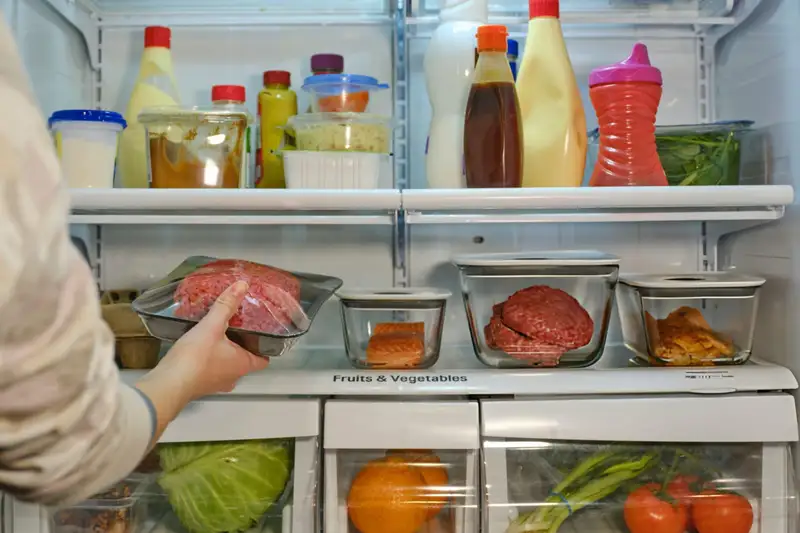
- EVN advises choosing refrigerator capacities based on household size and shopping frequency to avoid unnecessary electricity consumption.
- Oversized refrigerators consume more electricity than necessary, even when partially empty, leading to wasted energy.
- Proper usage habits, such as avoiding hot food storage, wrapping items tightly, and setting appropriate temperatures, are crucial for energy efficiency.
- Regular maintenance (e.g., cleaning condenser coils) and strategic placement away from heat sources significantly reduce power consumption.
As energy costs continue to be a pressing concern for households across Vietnam and globally, the nation's dominant power utility, Vietnam Electricity (EVN), has issued timely and comprehensive guidance focused on a ubiquitous household appliance: the refrigerator. Far from a simple 'plug-and-play' device, EVN's advisory highlights that conscientious selection and daily operational habits can significantly alter a household's electricity bill, urging consumers to move beyond the traditional 'bigger is better' mindset towards a more energy-efficient approach.
Quick summary
- EVN advises choosing refrigerator capacities based on household size and shopping frequency to avoid unnecessary electricity consumption.
- Using an oversized refrigerator for inadequate storage needs leads to wasted energy as the appliance cools empty space.
- Critical energy-saving habits include avoiding hot food storage, wrapping items tightly, and setting appropriate temperatures for different compartments.
- Regular maintenance, such as cleaning condenser coils, and strategic placement away from heat sources are essential for optimal efficiency and lower power bills.
Why it matters
The guidance from EVN holds significant implications for millions of Vietnamese households, directly influencing their monthly expenditure on electricity. In an era of increasing living costs and environmental awareness, optimizing the energy consumption of a continuously running appliance like the refrigerator offers a tangible way for families to save money. Beyond personal finance, these recommendations contribute to national energy security by reducing peak demand and lowering the overall carbon footprint associated with power generation. For the appliance industry, it signals a growing consumer demand for energy-efficient models and features, potentially driving innovation towards smarter, more sustainable refrigeration solutions. Ultimately, it empowers consumers with practical knowledge to make informed decisions that benefit both their wallets and the planet.

Background
Vietnam's rapid economic development and urbanization have led to a substantial increase in electricity demand over the past decades. As incomes rise, so does the prevalence of household appliances, with refrigerators being a staple in nearly every home. This surge in appliance ownership, coupled with historical consumer tendencies to purchase larger models for perceived long-term value, has contributed to a growing burden on the national power grid. EVN, as the primary electricity provider, has a vested interest in promoting energy conservation to manage demand, especially during hot seasons when air conditioning and refrigeration usage peak. Previous campaigns often focused on general energy-saving tips or specific appliance types. This latest detailed advisory on refrigerators builds upon these efforts, reflecting a more targeted approach to educate consumers on the nuanced factors influencing an appliance's power draw, moving beyond simple 'Energy Star' ratings to practical, daily operational advice. It represents a proactive stance from the utility to foster a culture of mindful consumption, acknowledging that collective small changes can lead to substantial national savings.
Optimizing Refrigerator Size: A Key to Efficiency
One of EVN's primary recommendations challenges the common belief that 'bigger is always better.' The utility emphasizes that selecting a refrigerator with a capacity appropriate for a household's size and shopping habits is paramount. For instance, a household of fewer than three people with daily grocery runs might only require a modest 100-110 liter unit. This capacity slightly increases to 120-130 liters for those who shop every other day, and to 180-200 liters for weekly shoppers. Families of four to five members should consider capacities ranging from 130 to 230 liters, adjusting for their frequency of food purchases. Larger households, with six or more individuals, are advised to opt for units of 250 liters or more to adequately store their larger volume of groceries.
The logic behind this guidance is straightforward: an oversized refrigerator consumes more electricity because it must cool a larger internal volume, regardless of whether that space is occupied. Cooling empty air is an unnecessary expenditure of energy, leading to higher bills without a corresponding increase in utility. EVN points out that the benefits of extra storage space are often outweighed by the ongoing operational costs.
Innovative Designs for Reduced Energy Loss
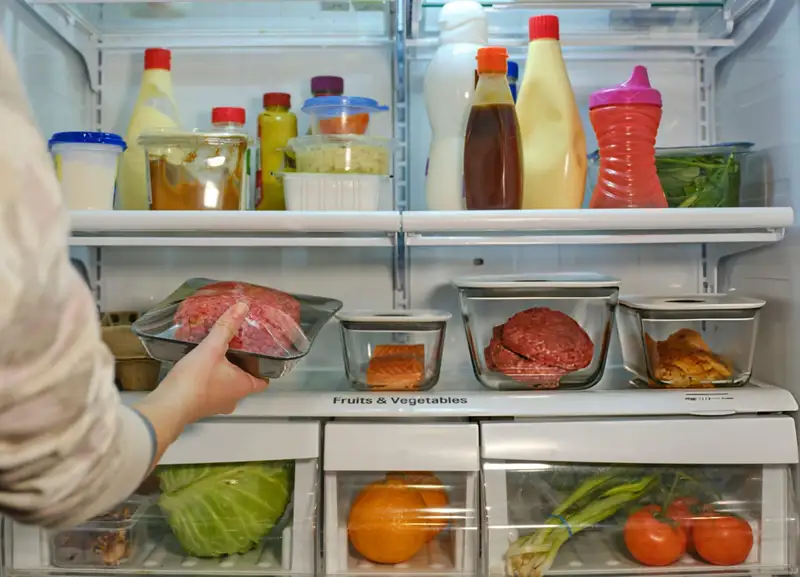
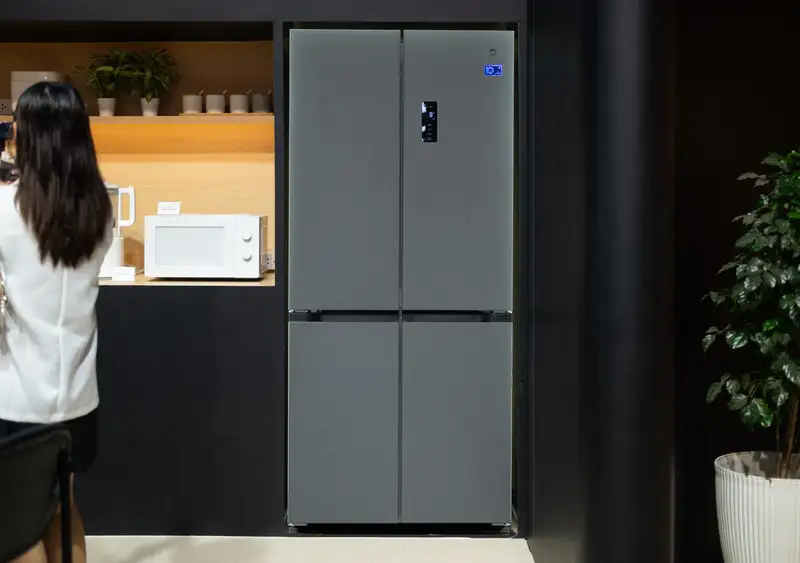
Beyond mere capacity, the design of modern refrigerators also plays a role in energy conservation. EVN highlights that models featuring multiple compartments or doors can significantly reduce cold air loss. These designs allow users to access specific food items by opening only the relevant section, rather than exposing the entire cold storage area to warmer ambient air. This localized access minimizes temperature fluctuations within the main cooling zones, thereby reducing the workload on the compressor and saving energy.
Daily Habits That Make a Difference
Even with the perfectly sized and designed refrigerator, everyday usage habits remain a critical determinant of energy consumption. EVN offers several practical tips:
Temperature Control and Food Preparation

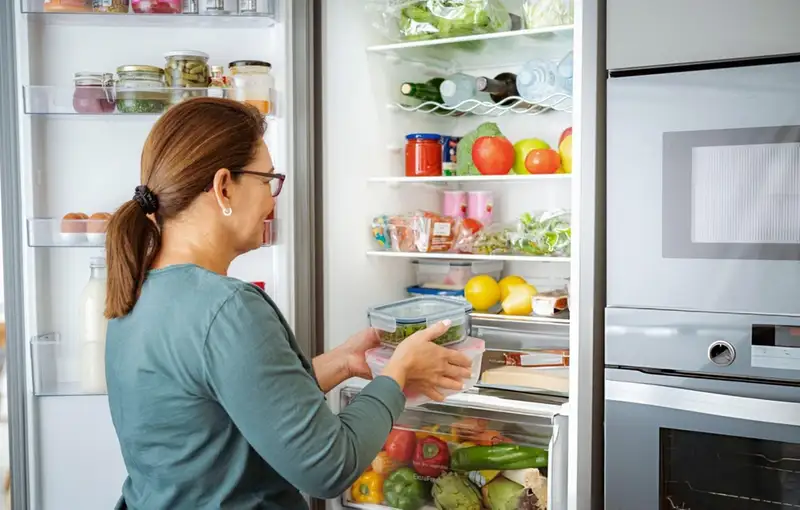
- Avoid Hot Food: Introducing hot food into the refrigerator causes an abrupt increase in internal temperature and humidity. The compressor then has to work harder and longer to restore the desired cold environment, consuming more electricity.
- Wrap Food Tightly: Sealing food in containers or wraps before refrigeration serves multiple purposes. It prevents odor transfer, maintains food freshness, and crucially, reduces the release of moisture into the refrigerator's air. Excess moisture makes the cooling system work harder to manage humidity and condensation.
- Optimal Temperature Settings: EVN provides specific temperature recommendations for different compartments: around 4°C for fresh items like eggs and dairy, 2°C for short-term meat and fish storage, 12°C for vegetables and beverages. For the freezer, -18°C is suggested for long-term preservation, while -8°C suffices for making ice or storing ice cream. Crucially, the utility advises against setting the refrigerator to its coldest possible level unless absolutely necessary, noting that a medium setting (often level 3 or 4) is usually sufficient for effective food preservation in most household models.

These seemingly minor adjustments accumulate over time, leading to substantial energy savings over the lifespan of the appliance.
Maintenance and Placement for Peak Performance
The physical environment and upkeep of a refrigerator are also key factors in its efficiency. EVN advises against placing refrigerators in direct sunlight or near heat-generating appliances like stoves, as external heat forces the unit to work harder to maintain its internal temperature. Proper ventilation is also vital; a gap of 15-20 cm from the wall ensures adequate airflow around the condenser coils, which dissipate heat. Obstruction of these coils can reduce cooling efficiency and increase power consumption.
Regular maintenance, specifically cleaning the condenser coils, is another often-overlooked task. EVN recommends cleaning these coils once or twice a year. After unplugging the unit, users can gently brush away accumulated dust and debris with a soft brush or dry cloth. Dust buildup acts as an insulator, hindering heat exchange and forcing the compressor to exert more effort, thereby consuming more electricity.
Limiting the duration and frequency of opening the refrigerator door is equally important. Each time the door is opened, warmer ambient air rushes in, disrupting the internal temperature and requiring the system to expend more energy to cool it back down. By combining these mindful practices with appropriate appliance selection, households can significantly reduce their electricity usage, contributing to both personal financial well-being and national energy conservation efforts.

Qnews24h insight
EVN's detailed advisory on refrigerator usage transcends mere technical specifications; it represents a significant push to re-educate consumers on their role in national energy management. The specificity of the advice, from ideal liter capacities for different household sizes to nuanced temperature settings and placement instructions, underscores a recognition that broad energy-saving slogans are less effective than actionable, appliance-specific guidance. This initiative suggests a strategic shift from simply supplying electricity to actively shaping consumer behavior towards sustainable consumption. It highlights an evolving landscape where utilities are not just infrastructure providers but also crucial educators in the journey towards a more energy-conscious society. The cumulative impact of millions of households adopting these 'small' changes could profoundly affect Vietnam's energy grid stability and its environmental targets, positioning mindful appliance use as a quiet, yet powerful, component of national sustainability.
Sources

FAQ
Q: How do I determine the right refrigerator size for my family?
A: EVN recommends basing your refrigerator's capacity on your household size and shopping habits. For instance, families of three or fewer who shop daily might need 100-110 liters, while larger families or those who shop weekly would need 180-250 liters or more. The goal is to avoid cooling excessive empty space.
Q: What are the most effective daily habits to reduce my refrigerator's electricity consumption?
A: Key habits include avoiding putting hot food directly into the refrigerator, tightly wrapping or sealing all food items to reduce moisture, and setting appropriate temperature levels for different compartments (e.g., 4°C for fresh foods, -18°C for long-term freezing). Also, limit how often and how long you open the refrigerator door.
Q: Why is proper placement of a refrigerator important for energy saving?
A: Proper placement ensures your refrigerator operates efficiently. It should be located in a well-ventilated area, at least 15-20 cm away from walls, and away from direct sunlight or heat sources like ovens. This allows the heat generated by the appliance to dissipate effectively, preventing the compressor from overworking.
Q: How often should I clean my refrigerator's condenser coils?
A: EVN recommends cleaning the condenser coils at the back or bottom of your refrigerator one to two times per year. Dust and debris on these coils can reduce their heat-dissipating efficiency, causing the appliance to use more electricity to maintain its internal temperature.
Why it matters
The guidance from EVN holds significant implications for millions of Vietnamese households, directly influencing their monthly expenditure on electricity. In an era of increasing living costs and environmental awareness, optimizing the energy consumption of a continuously running appliance like the refrigerator offers a tangible way for families to save money. Beyond personal finance, these recommendations contribute to national energy security by reducing peak demand and lowering the overall carbon footprint associated with power generation. For the appliance industry, it signals a growing consumer demand for energy-efficient models and features, potentially driving innovation towards...
Background
Vietnam's rapid economic development and urbanization have led to a substantial increase in electricity demand over the past decades. As incomes rise, so does the prevalence of household appliances, with refrigerators being a staple in nearly every home. This surge in appliance ownership, coupled with historical consumer tendencies to purchase larger models for perceived long-term value, has contributed to a growing burden on the national power grid. EVN, as the primary electricity provider, has a vested interest in promoting energy conservation to manage demand, especially during hot seasons when air conditioning and refrigeration usage peak. Previous campaigns often focused on general...
EVN's detailed advisory on refrigerator usage transcends mere technical specifications; it represents a significant push to re-educate consumers on their role in national energy management. The specificity of the advice, from ideal liter capacities for different household sizes to nuanced temperature settings and placement instructions, underscores a recognition that broad energy-saving slogans are less effective than actionable, appliance-specific guidance. This initiative suggests a strategic shift from simply supplying electricity to actively shaping consumer behavior towards sustainable consumption. It highlights an an evolving landscape where utilities are not just infrastructure...
References
Editorial information
The editorial team reviews sources, adds context, and structures stories so readers can understand the news more clearly.
Article from QNEWS24H
Comments
(0)No comments yet. Be the first to share your thoughts.