EVN Guidelines: How to Choose and Use a Microwave to Reduce Household Utility Bills
- EVN advises consumers to match microwave capacity and power output strictly with family size to avoid high upfront costs and continuous energy drain.
- The choice between simple mechanical models and advanced electronic systems should depend on user demographics and exact cooking needs rather than automated trends.
- Practical habits such as optimal appliance placement, preventing standby power draw, and simple steam-cleaning methods can significantly improve long-term energy efficiency.
As electricity costs remain a major concern for modern households, managing the energy consumption of high-power kitchen appliances has moved to the forefront of domestic budgeting. To assist consumers in making smarter purchasing decisions, Vietnam Electricity (EVN) has released an expert advisory outlining the crucial criteria for choosing and operating microwaves. Far from being a simple, one-size-fits-all appliance, the modern microwave demands a strategic approach to size, technology, and operating habits to prevent silent, compounding energy waste over its operational lifespan.
Quick summary
- Capacity Alignment: EVN advises consumers to match microwave capacity and power output strictly with family size to avoid high upfront costs and continuous energy drain.
- Model Segmentation: The choice between simple mechanical models and advanced electronic systems should depend on user demographics and exact cooking needs rather than automated trends.
- Operational Efficiency: Practical habits such as optimal appliance placement, preventing standby power draw, and simple steam-cleaning methods can significantly improve long-term energy efficiency.
Why it matters
While a microwave might seem like a minor contributor to daily electricity consumption compared to continuous appliances like refrigerators or air conditioners, its high operational wattage means inefficient cycles can quietly inflate utility bills. EVN’s guidance addresses a broader consumer trend toward modernizing kitchens without evaluating the technical specifications needed. Over-specifying appliances—such as buying oversized, high-power units that are rarely used to capacity—creates unnecessary overhead for households. On a larger scale, adopting these energy-efficient habits helps reduce peak load pressure on the national power grid, proving that small, collective changes in household behavior can lead to significant national energy conservation.
Background
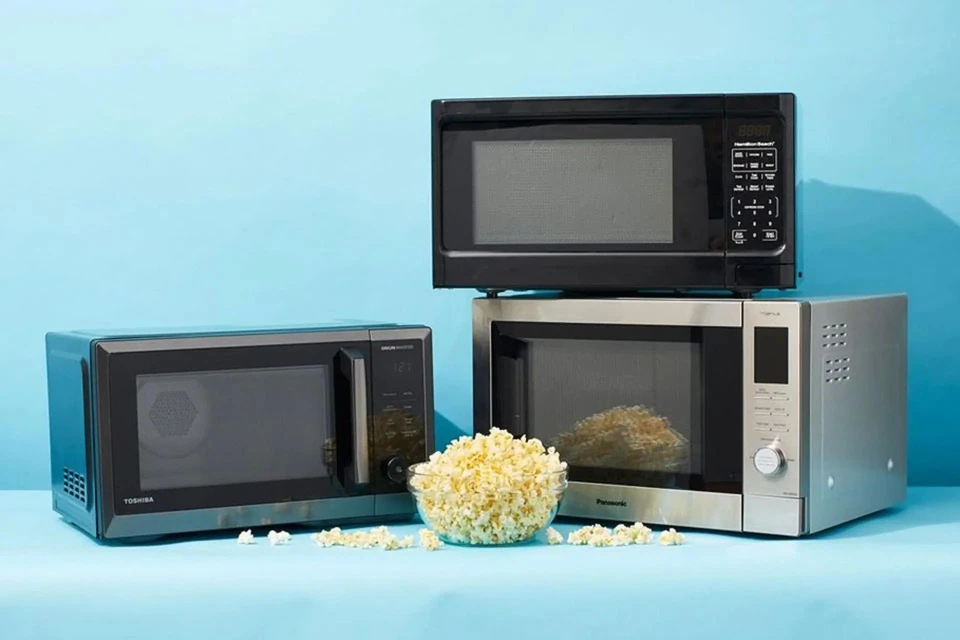
Historically, microwaves were treated as simple, single-function tools designed merely for rapid reheating and basic defrosting. However, rapid technological progress has divided the market into two distinct categories: mechanical and electronic models. Mechanical microwaves use physical rotary knobs to control time and power, offering a robust and straightforward interface. Electronic models, on the other hand, feature digital touchscreens, multi-phase programming, and advanced sensor technology. As household income rises, consumers are increasingly tempted to buy the most expensive, feature-heavy appliances available. EVN’s intervention aims to correct this consumer bias, educating the public that the most advanced or largest appliance is not always the most practical or cost-effective option.
Understanding the Core Criteria: Capacity, Power, and Technology
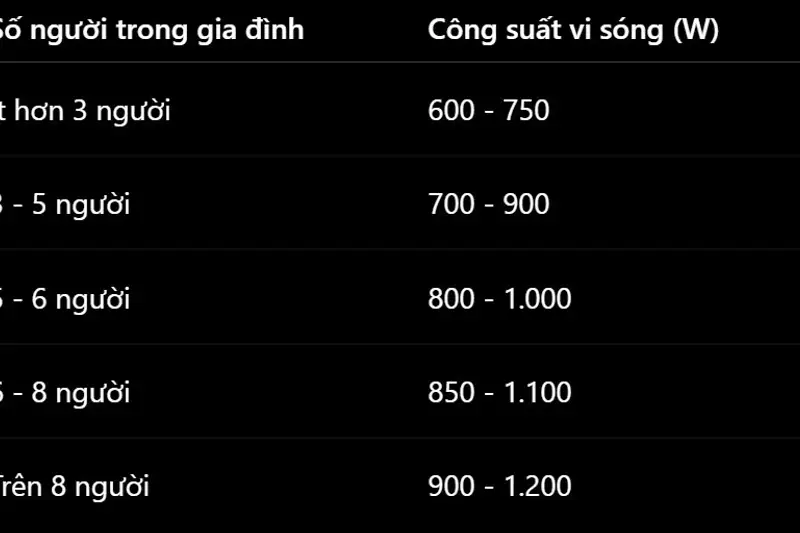
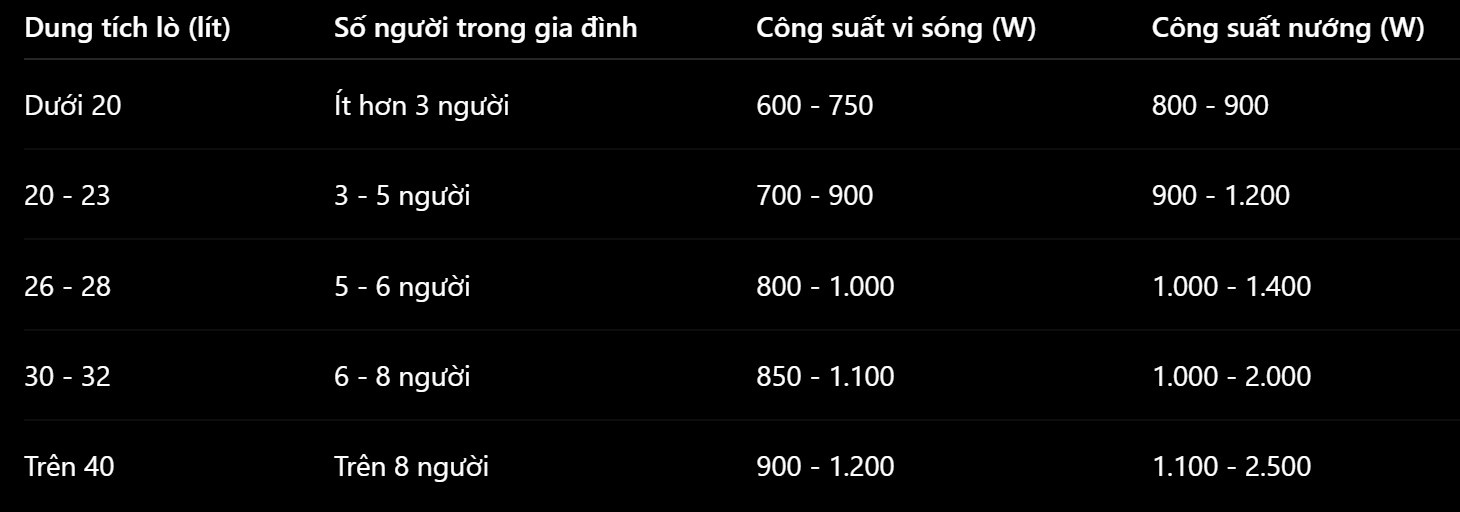
The first step in making an efficient purchase is choosing the correct size. EVN highlights that purchasing a microwave with a capacity that exceeds your household's regular cooking needs leads to double waste: a higher initial purchase price and larger electricity bills, as the machine must heat a larger internal chamber. EVN recommends the following guidelines:
- Under 3 people: Select a microwave with a capacity under 20 liters and a power output between 600W and 750W.
- 3 to 5 people: Opt for a capacity of 20 to 23 liters with a power range of 700W to 900W.
- 6 or more people: Look for large-capacity models starting from 26 liters and above, which are built to handle bulkier food portions.
Mechanical vs. Electronic Control Panels
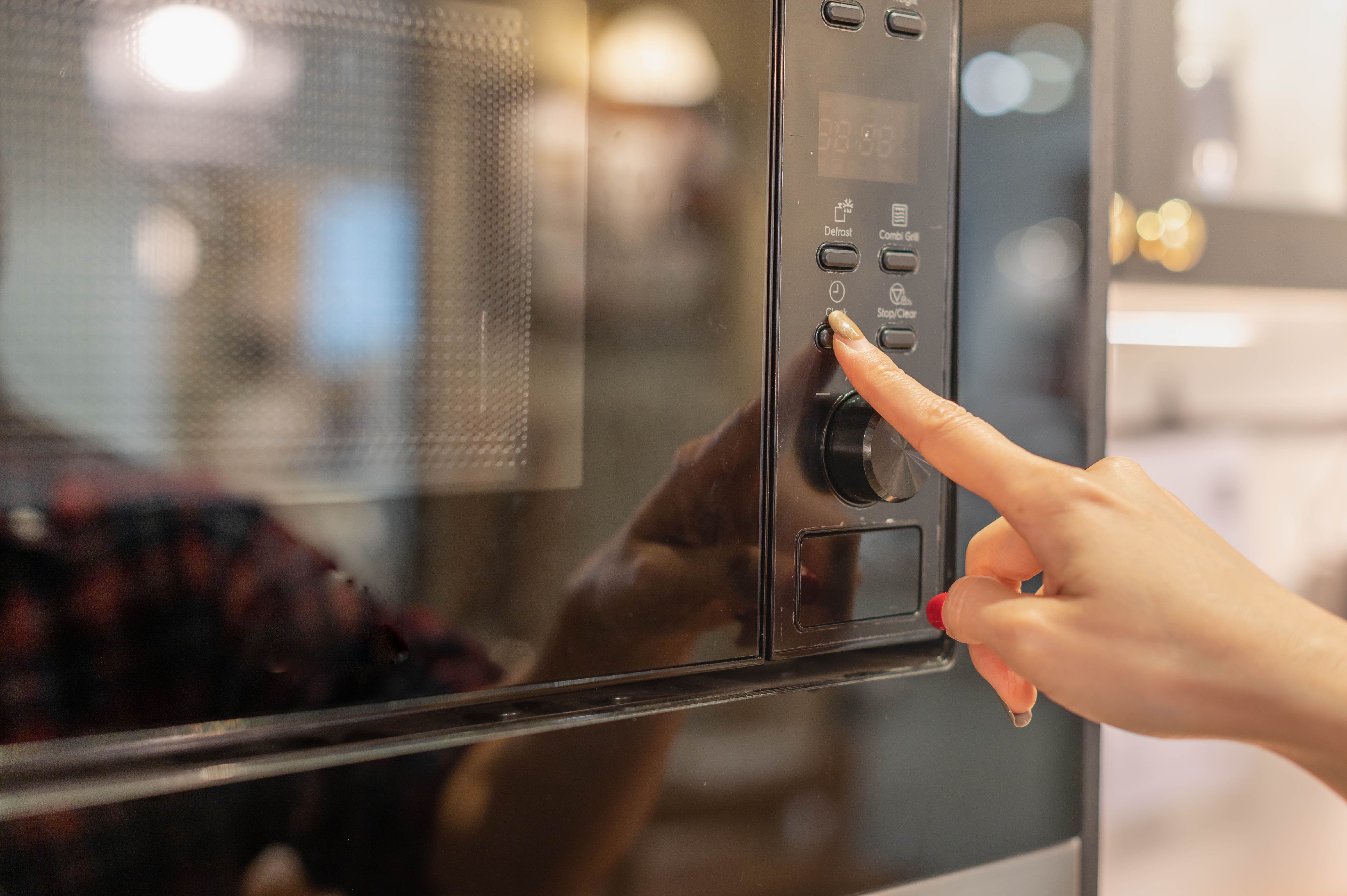
Beyond capacity, buyers must decide between mechanical and electronic controls. Mechanical microwaves are highly recommended for older family members due to their intuitive, simple design. They are also generally more affordable and cheaper to repair. Electronic models are better suited for modern, tech-savvy users who want to explore automated cooking menus, precise temperature controls, and multi-stage programs. Aligning the interface with the actual user prevents buying advanced electronics that may go unused.
The Role of Inverter Technology
For those looking to maximize energy efficiency, EVN highly recommends prioritizing microwaves equipped with Inverter (variable frequency) technology. Unlike traditional microwaves that constantly turn their power source on and off to maintain a heat level, Inverter models deliver a continuous, controlled flow of energy. This stable power delivery cooks food more evenly, preserves vital nutrients, and significantly lowers overall energy consumption. Buyers should also keep an eye out for valuable auxiliary features such as safety locks, convection fans, auto-defrost settings, and smart heat sensors.
Optimizing Microwave Operation for Daily Savings
Buying an efficient microwave is only half the battle; how you operate the appliance daily determines the actual savings on your electricity bill. One common mistake is improper appliance placement. EVN warns against placing a microwave too close to other electrical devices, especially in air-conditioned spaces. The heat generated by the microwave during operation can warm up the surrounding air, forcing nearby cooling systems like refrigerators or air conditioners to work harder and consume more power. Always place your microwave in a well-ventilated area with adequate clearance from walls and ceilings to ensure safe heat dissipation.
Smart Operational Habits
To keep consumption low, users should adapt the power setting to the specific dish. Not every food item requires maximum power; gentle tasks like melting butter or defrosting delicate foods should be run on lower power levels. Additionally, avoid opening the microwave door repeatedly to check on your food. Every time the door opens, heat escapes, prolonging the cooking cycle and drawing more power. Ensuring the door is tightly closed at all times maintains a stable internal temperature.
Maintenance and the Natural Steam Cleaning Method
Regular maintenance is another vital factor in keeping energy consumption low. Grime, food splatters, and grease buildup on the interior walls absorb microwave energy, making the heating process less efficient. To make cleaning easy and eco-friendly, EVN suggests placing a heat-resistant bowl filled with water and a few lemon slices inside the microwave. Run the oven on high for 5 to 7 minutes. The steam produced will loosen stubborn stains and grease, allowing you to wipe the interior clean with a soft cloth without using harsh chemicals. Finally, remember to unplug the appliance when it is not in use for extended periods to eliminate standby power draw, and ensure the unit is properly grounded to guarantee safe operation.
Qnews24h insight
The advice from EVN underscores a broader shift in how modern utility companies approach resource management. Instead of focusing solely on increasing power supply, energy authorities are placing a heavy emphasis on demand-side management (DSM). Educating consumers on appliance efficiency is a highly cost-effective way to stabilize the national grid. For the average consumer, this microwave advisory serves as a reminder that modern efficiency is not just about purchasing expensive, high-tech appliances. True sustainability is achieved when we choose appliances that match our actual lifestyles and commit to mindful daily habits. The slight premium paid for energy-saving features like Inverter technology is a smart investment that consistently pays for itself over the lifetime of the appliance.
Sources
This article is based on consumer guidelines and energy-saving advisories published by Vietnam Electricity (EVN) and reported by Znews.vn.
Why it matters
Understanding how to correctly select and operate a microwave prevents silent, compounding energy waste. This helps families lower monthly utility bills and collectively reduces pressure on the national electricity grid during peak hours.
Background
As urban lifestyles modernize, microwaves have evolved from simple reheating units into complex appliances featuring digital controls and specialized programs. Consumers frequently make the mistake of buying oversized, high-power units, assuming bigger is better. EVN's guidelines help consumers navigate these choices systematically.
EVN's public advisory reflects a growing trend where utility companies focus on demand-side energy management. True home efficiency is achieved not by purchasing the most expensive, feature-heavy appliances, but by selecting products that match household size and using them mindfully.
References
Editorial information
The editorial team reviews sources, adds context, and structures stories so readers can understand the news more clearly.
Article from QNEWS24H
Comments
(0)No comments yet. Be the first to share your thoughts.