Smart Home Reality Check: Why You Don't Need to Spend $800+ for a Great Robot Vacuum
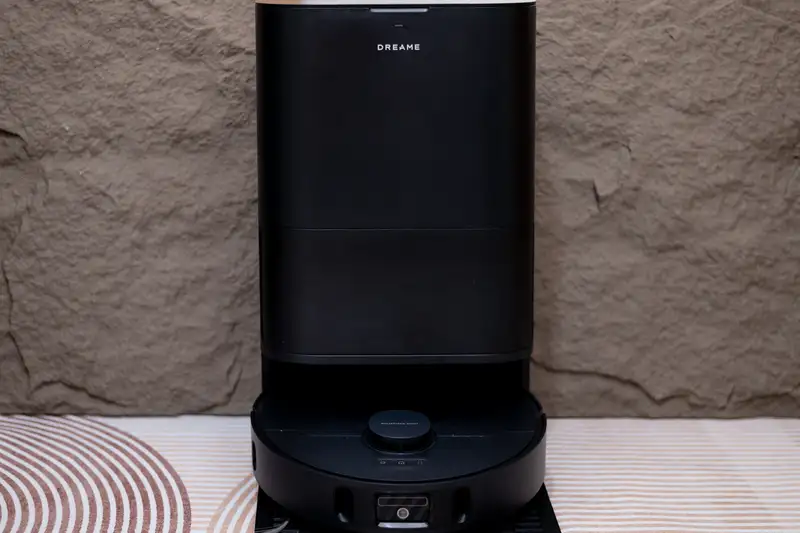
- The mid-range price segment ($300 to $500) has become the primary growth engine for the robot vacuum market.
- Premium features like RGB AI cameras and hot water mop washing are luxurious extras that do not drastically change cleaning outcomes.
- Essential features that are mandatory for true automation include self-emptying docks, 3D LiDAR mapping, and active hot-air mop drying.
For years, smart home brands convinced consumers that a spotless floor required a thousand-dollar robot armed with color AI cameras, high-temperature water dispensers, and automated chemical laboratories. However, as the global market matures, a quiet revolution in the $300 to $500 segment is proving that practical engineering matters far more than premium feature creep. Buyers are increasingly realizing that many high-end features look impressive on paper but offer negligible differences in daily cleaning performance.
Quick summary
- The mid-range price segment ($300 to $500, or roughly 10 million to 13 million VND) has emerged as the primary volume driver for the global and domestic robot vacuum industry.
- Premium bells and whistles, such as active AI color cameras and 60°C+ hot water mop washing, can be omitted without sacrificing core cleaning and sanitizing performance.
- Essential features that must not be compromised include self-emptying dustbins, precise 3D LiDAR mapping, and active hot-air mop drying to prevent mold and bacterial growth.
Why it matters
As economic pressures tighten household budgets, consumers are shifting away from impulsive tech adoption toward utility-focused purchasing. This shift directly impacts how brands design and market home appliances. In a highly saturated market, understanding which features are functional necessities versus which are costly marketing gimmicks saves consumers hundreds of dollars while forcing manufacturers to optimize their core technologies rather than inflating price tags with non-essential software add-ons.
Background
The robot vacuum market has evolved through distinct technological phases. Early generations were clumsy, relying on random bump sensors that left homes partially cleaned. The integration of Laser Distance Sensors (LiDAR) revolutionized the industry, allowing robots to systematically map and clean rooms. Following this success, manufacturers entered an arms race to justify premium price points exceeding $800. This era introduced high-maintenance features like active camera streaming, automated chemical dosing, and motorized mop lifting.
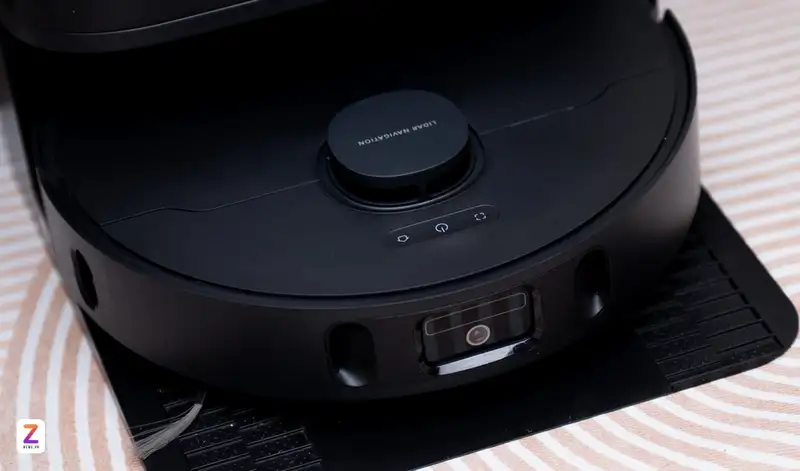
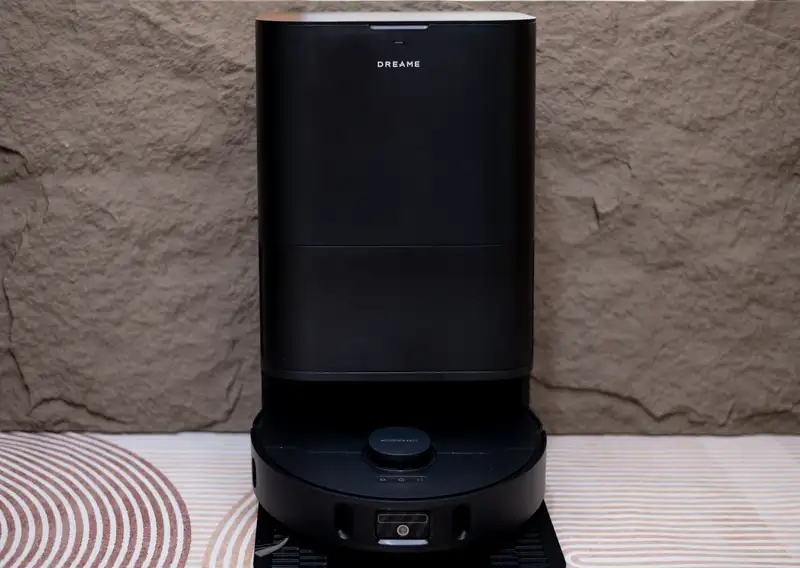
However, recent market data indicates that while the ultra-premium tier attracts tech enthusiasts, the mass market growth lies squarely in the mid-range. To capture this segment, brands are stripped-down versions of flagship models. The challenge for brands is deciding what to cut. A prime example of this trend is the Dreame D30 Ultra CE, a model that targets the sweet spot of the Vietnamese market at around 11 million VND by retaining core automated sanitation while discarding high-maintenance premium features.
The Anatomy of Necessity: Essential vs. Luxury Features
The Non-Negotiable Core: Self-Cleaning and Maintenance
A robot vacuum is only as good as its level of autonomy. If a user has to manually clean the device after every run, the purpose of automation is lost. An essential feature of any modern robot vacuum is a fully automated base station. This includes automatic dust emptying into a sealed bag, which prevents allergen exposure, and a reliable mop washing and drying cycle.
While premium stations wash mops with boiling water, testing shows that mechanical scrubbing combined with warm water (50-60°C) is highly effective at removing everyday grime. What remains absolutely critical, however, is hot-air drying. Without active drying, damp mop pads become breeding grounds for bacteria and foul odors, rendering the device useless in humid climates.
Navigation: Standard 3D LiDAR vs. Premium AI Cameras
Many flagship vacuum models now feature front-facing RGB cameras that feed data into AI object-recognition chips. While these systems excel at identifying specific objects like stray socks or pet waste, they also raise privacy concerns and significantly inflate production costs.
For the average household, standard LiDAR paired with 3D structural light sensors offers more than enough precision. This combination allows the robot to navigate in pitch-black rooms, map complex layouts in minutes, and avoid large obstacles without requiring expensive onboard camera processors.
The Rise of Extreme Suction Power
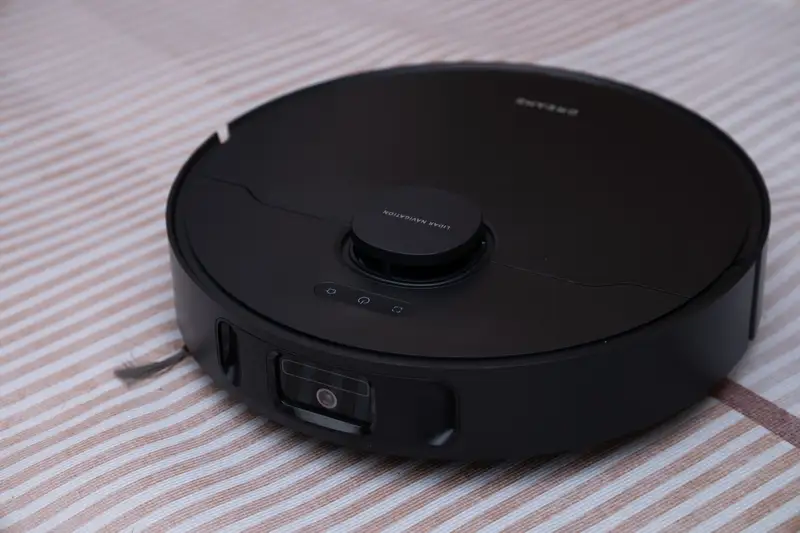
To stand out in the competitive mid-range market, some manufacturers are pushing raw performance specs to unprecedented levels. The Dreame D30 Ultra CE, for instance, features a massive 25,000 Pa suction rating. This far surpasses the typical 8,000 to 10,000 Pa standard found in older premium models. While extreme suction is overkill for flat, hard floors, it serves as a crucial feature for deep-cleaning thick carpets and pulling fine dust out of floorboard crevices.
Modular Add-ons: A Smarter Cost-Saving Strategy
Instead of forcing all buyers to pay for specialized hardware, brands are adopting modular product designs. For example, anti-tangle hair-cutting brushes (like the TriCut system) are now sold as optional accessories. Households with long-haired residents or multiple shedding pets can opt to purchase this upgrade, while those with minimal hair issues can save upfront costs by sticking with the standard brush roll.
Comparing the Mid-Range Heavyweights
The competition within the 10 million to 13 million VND bracket is fierce. When comparing the Dreame D30 Ultra CE to its primary competitors, distinct philosophical differences emerge:
- Roborock Q Revo: A popular and reliable option, but it relies on an older motor generation with lower raw suction power compared to newer mid-range entries.
- Ecovacs Deebot T30C: Offers highly comparable cleaning specs and includes a built-in anti-tangle brush out of the box. However, it typically carries a price premium of about 2 million VND more than the Dreame D30 Ultra CE.
Qnews24h insight
The commoditization of smart home robotics is moving at an incredible pace. The technological gap between an $800 flagship and a $400 mid-range vacuum has narrowed to the point of near-invisible returns for the average consumer. Manufacturers can no longer justify exorbitant price tags based on navigation alone. We expect to see the premium segment struggle to retain market share unless they introduce genuinely disruptive technologies—such as climbing stairs or advanced robotic arms. For now, the smartest financial decision for most households is to avoid the high-end hype and invest in a highly optimized, high-suction mid-range unit that excels at the basics.
Sources
Analysis based on retail market specifications and product reporting from Znews.vn.
Why it matters
Understanding which features are truly essential helps smart home consumers save hundreds of dollars. It prevents buyers from paying for over-engineered features like camera-based AI tracking, while ensuring they do not sacrifice mandatory functions like automated hot-air drying, which prevents bacteria and bad odors in damp environments.
Background
Initially, robot vacuums were simple bump-and-run sweepers. The introduction of LiDAR revolutionized the category by creating efficient cleaning paths. Over the last three years, manufacturers introduced premium systems (costing over $800) to inflate profit margins. Today, as economic conditions shift, the industry is entering a correction phase where premium performance is being compressed into affordable $300-$500 models.
The rapid closing of the performance gap between mid-range and ultra-premium robot vacuums suggests that the luxury smart home market is facing a critical inflection point. As core mechanics like extreme suction power and robust docking stations become standardized in budget-friendly models, premium brands will need to find entirely new value propositions beyond basic floor cleaning to justify their premium prices.
References
Editorial information
The editorial team reviews sources, adds context, and structures stories so readers can understand the news more clearly.
Article from QNEWS24H
Comments
(0)No comments yet. Be the first to share your thoughts.