Dungeons & Dragons Ventures into Azeroth: First 'Universes Beyond' Crossover Confirmed with World
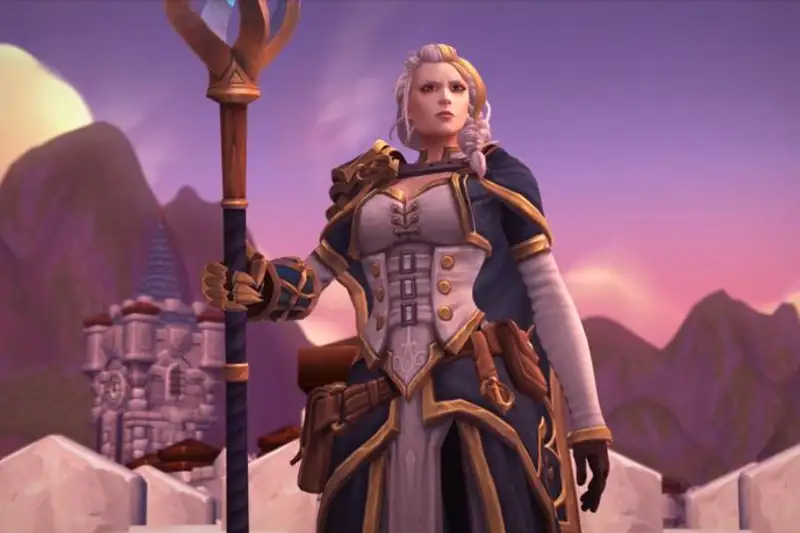
- Dungeons & Dragons' inaugural 'Universes Beyond' crossover will be a campaign setting book based on Blizzard's World of Warcraft.
- The announcement confirms prior rumors, marking a significant expansion of D&D's licensed content strategy.
- Pre-orders for the new World of Warcraft D&D book open on July 30, with early access slated for November 3 and wide release on November 17.
- This collaboration allows players to experience the lore and adventures of Azeroth in a tabletop format, independent of an internet connection.
After months of swirling speculation across the gaming community, the portals to Azeroth are officially opening for Dungeons & Dragons adventurers. Wizards of the Coast has confirmed that its highly anticipated first "Universes Beyond" crossover for D&D will immerse players in the sprawling, conflict-ridden realms of Blizzard Entertainment's World of Warcraft, marking a pivotal moment for both iconic franchises.
Quick summary
- Dungeons & Dragons' inaugural 'Universes Beyond' crossover will be a campaign setting book based on Blizzard's World of Warcraft.
- The announcement confirms prior rumors, marking a significant expansion of D&D's licensed content strategy.
- Pre-orders for the new World of Warcraft D&D book open on July 30, with early access slated for November 3 and wide release on November 17.
- This collaboration allows players to experience the lore and adventures of Azeroth in a tabletop format, independent of an internet connection.
Why it matters
This initiative represents a significant strategic pivot for Dungeons & Dragons, mirroring the highly successful "Universes Beyond" line introduced by its sister franchise, Magic: The Gathering. For players, it means new realms of storytelling, offering the ability to delve into the rich, expansive lore of Azeroth with the freedom and improvisational nature inherent to tabletop roleplaying. It democratizes the World of Warcraft experience, allowing fans to engage with its world and characters without the commitment of an MMORPG, potentially attracting new players to both D&D and the broader Warcraft universe. This move also signals a broader trend in the entertainment industry where beloved IPs are extended across different media, leveraging existing fanbases and cultivating new ones by offering novel ways to interact with familiar worlds.
Beyond just an exciting new product, this crossover speaks to the evolving landscape of intellectual property management. Wizards of the Coast, under the Hasbro umbrella, is clearly seeking to maximize the value of its extensive portfolio by fostering cross-brand engagement. For D&D, this could mean an influx of new players familiar with Warcraft lore but perhaps intimidated by the complexities of traditional D&D settings. Conversely, current D&D enthusiasts will gain a structured pathway to explore a widely recognized fantasy world, broadening their imaginative horizons beyond Faerûn or Eberron.
The practical impact for consumers is a fresh, tangible way to interact with two universes many already love. Imagine gathering around a table, rolling dice to determine the fate of a fledgling adventurer in Durotar, or navigating the treacherous dungeons of Stormwind Keep using familiar D&D mechanics. This offers a deeply personalized experience that contrasts sharply with the pre-scripted narratives of an MMO, empowering Game Masters and players to forge their own legends within an established, beloved framework. It’s an embrace of player agency within a rich narrative tapestry.
Background
The concept of Dungeons & Dragons adapting other fictional universes is far from new. Decades ago, the game offered official rules for settings like Robert E. Howard's Conan and Fritz Leiber's Lankhmar, even incorporating elements from H.P. Lovecraft's Cthulhu mythos into early editions. More recently, D&D had a prior collaboration with Blizzard Entertainment, producing supplements tied to the release of Diablo 2. However, the current "Universes Beyond" initiative marks a more formalized and aggressive strategy, directly inspired by Magic: The Gathering's highly lucrative crossovers with properties ranging from Lord of the Rings to Marvel.
This new structured program, borrowing its nomenclature directly from Magic: The Gathering's successful product line, signifies a departure from more sporadic, one-off adaptations. For years, Magic has demonstrated the immense commercial power of integrating popular external IPs into its collectible card game, drawing in new demographics and invigorating existing player bases. The financial success of sets like "Lord of the Rings: Tales of Middle-earth" and "Warhammer 40,000" commander decks provided a clear blueprint for D&D's parent company, Hasbro, and its subsidiary, Wizards of the Coast.
Rumors of a D&D/Warcraft crossover had been circulating within fan communities for months, intensifying over recent weekends, prior to this official confirmation. The leak itself served to build a palpable sense of anticipation, transforming what could have been a standard announcement into a highly anticipated reveal. This new book represents D&D's dedicated entry into leveraging external intellectual properties under a specific brand, moving beyond casual adaptations to a structured program designed to expand its reach and appeal to new audiences by drawing from popular culture's most enduring sagas.
Exploring the "Universes Beyond" Concept
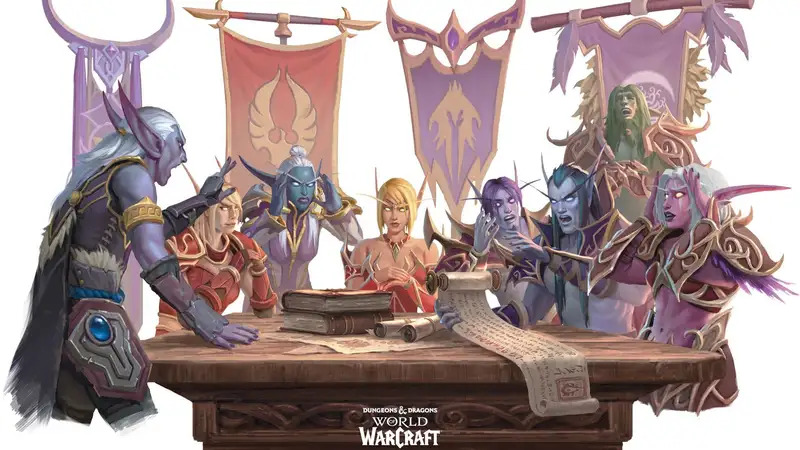
The core idea behind "Universes Beyond" is to allow players to interact with beloved characters, creatures, and settings from outside the traditional D&D cosmology, translating them into the familiar 5th Edition ruleset. For World of Warcraft, this means converting its vast bestiary, iconic locations, and diverse factions—from the noble Alliance to the formidable Horde, the savage Murlocs to the ancient Dragons—into playable races, monsters, and campaign settings. This isn't just a simple reskin; it requires careful mechanical design to ensure both authenticity to the source material and balance within D&D's established system.
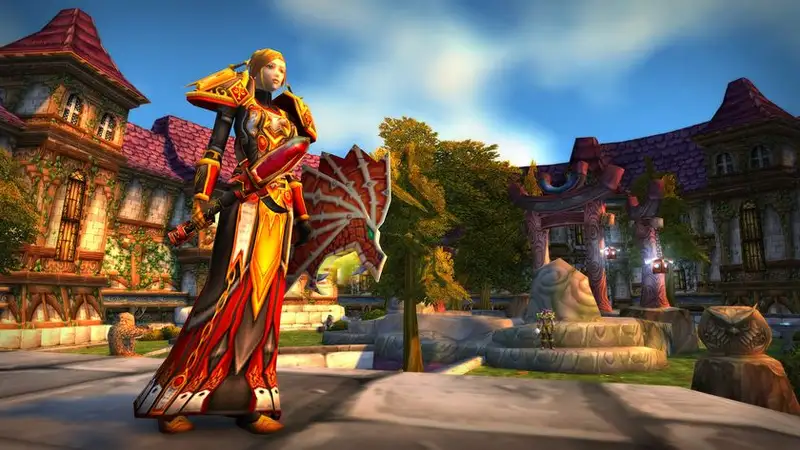
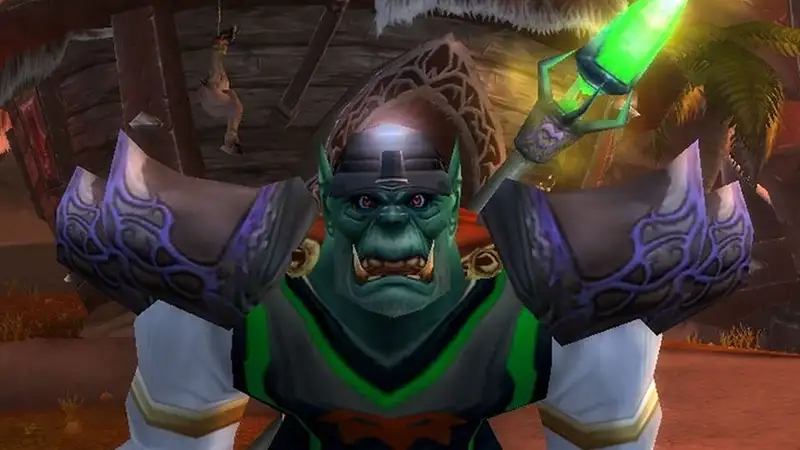
Imagine character options that allow players to embody a Tauren warrior, a Blood Elf mage, or a Forsaken rogue, complete with racial abilities and cultural nuances faithful to Azeroth. Game Masters could craft adventures spanning the plains of the Barrens, the urban sprawl of Orgrimmar or Stormwind, or the haunted forests of Silverpine, all while using the intuitive framework of D&D combat and roleplaying. This fusion offers a unique blend of nostalgia for Warcraft veterans and a fresh, accessible entry point for D&D players looking for new narrative canvases.
The Promise of Offline Azeroth Adventures
Perhaps one of the most compelling aspects highlighted by the announcement is the promise of experiencing World of Warcraft "in the absence of an internet connection." For many, the social aspect of an MMORPG is crucial, but the logistical hurdles of online gaming—subscriptions, internet stability, and the fixed nature of digital worlds—can be prohibitive. A tabletop version breaks down these barriers, offering a more intimate, flexible, and often more imaginative social experience.
This allows groups of friends to gather physically, or even remotely via virtual tabletops, to explore Azeroth at their own pace, shaping its narrative outcomes through dice rolls and shared storytelling. Iconic WoW experiences, from battling formidable raid bosses to venturing into the deepest dungeons, can be reimagined with the limitless potential of a Game Master's creativity and the players' collective imagination, free from the constraints of server maintenance or graphic fidelity. It's a return to the foundational roots of fantasy gaming, applied to a modern digital epic.
Release Schedule and Anticipation
The structured release schedule outlines a clear path for enthusiasts. Pre-orders for the World of Warcraft D&D book will open on July 30, allowing eager fans to secure their copies well in advance. Following this, an early access period will commence on November 3, likely through specific retailers or direct from Wizards of the Coast, giving some players a chance to delve into Azeroth's tabletop incarnation ahead of the broader public. The wide release on November 17 will then make the book available to the general market, just in time for the holiday season.
This staggered release approach is common in the gaming industry, often used to build momentum and manage initial demand. The anticipation built by the initial rumors and subsequent confirmation, coupled with a defined timeline, positions this crossover as one of the most significant D&D releases in recent memory, poised to capture the attention of millions across both the tabletop and video game communities.
Qnews24h insight
The formal launch of Dungeons & Dragons' "Universes Beyond" line with World of Warcraft is a calculated strategic maneuver by Wizards of the Coast, indicating a clear intent to replicate the commercial triumphs seen with Magic: The Gathering's similar program. This move suggests an evolving understanding of brand synergy and player engagement, recognizing that an established, deep lore like World of Warcraft offers fertile ground for tabletop adaptation. While some purists may debate the integration of external IPs into D&D's core, the financial success and expanded player base observed in Magic's crossovers provide a compelling business case.
The choice of World of Warcraft, an IP with a vast, loyal, and somewhat overlapping fanbase, minimizes the risk of alienating existing D&D players while maximizing the potential for cross-pollination. The "leaked" nature of the announcement, whether intentional or not, also served to build anticipation, indicating a savvy approach to public relations in the gaming space. This convergence points towards a future where distinct fantasy franchises increasingly borrow from one another, blurring traditional boundaries to create new revenue streams and engagement points for a diverse global audience. It also highlights a broader industry trend of embracing a "metaverse" of sorts, where intellectual properties are no longer confined to their original mediums but become adaptable across various platforms, enriching fan experiences and extending commercial lifespans. The success of this inaugural D&D 'Universes Beyond' product will undoubtedly shape the future trajectory of such collaborations, potentially opening the door for even more unexpected and ambitious crossovers down the line.
Sources
FAQ
Q: What is the Dungeons & Dragons 'Universes Beyond' initiative?
A: 'Universes Beyond' is a new product line for Dungeons & Dragons, inspired by a successful similar program in Magic: The Gathering. It focuses on creating official D&D campaign settings and content based on popular external intellectual properties, starting with World of Warcraft.
Q: When will the D&D World of Warcraft book be available?
A: Pre-orders for the Dungeons & Dragons World of Warcraft crossover book will begin on July 30. Early access will be available starting November 3, followed by a wide release on November 17.
Q: How will the D&D World of Warcraft crossover differ from playing the MMORPG?
A: This D&D book will allow players to experience the lore, characters, and settings of World of Warcraft through the flexible, cooperative storytelling framework of a tabletop roleplaying game. Unlike the online MMORPG, it offers a personalized, improvisation-driven experience with friends, independent of an internet connection or fixed digital mechanics, empowering players and Game Masters to shape their own unique narratives within Azeroth.





Why it matters
This initiative represents a significant strategic pivot for Dungeons & Dragons, mirroring the highly successful "Universes Beyond" line introduced by its sister franchise, Magic: The Gathering. For players, it means new realms of storytelling, offering the ability to delve into the rich, expansive lore of Azeroth with the freedom and improvisational nature inherent to tabletop roleplaying. It democratizes the World of Warcraft experience, allowing fans to engage with its world and characters without the commitment of an MMORPG, potentially attracting new players to both D&D and the broader Warcraft universe. This move also signals a broader trend in the entertainment industry where beloved...
Background
The concept of Dungeons & Dragons adapting other fictional universes is far from new. Decades ago, the game offered official rules for settings like Robert E. Howard's Conan and Fritz Leiber's Lankhmar, even incorporating elements from H.P. Lovecraft's Cthulhu mythos into early editions. More recently, D&D had a prior collaboration with Blizzard Entertainment, producing supplements tied to the release of Diablo 2. However, the current "Universes Beyond" initiative marks a more formalized and aggressive strategy, directly inspired by Magic: The Gathering's highly lucrative crossovers with properties ranging from Lord of the Rings to Marvel. This new structured program, borrowing its...
The formal launch of Dungeons & Dragons' "Universes Beyond" line with World of Warcraft is a calculated strategic maneuver by Wizards of the Coast, indicating a clear intent to replicate the commercial triumphs seen with Magic: The Gathering's similar program. This move suggests an evolving understanding of brand synergy and player engagement, recognizing that an established, deep lore like World of Warcraft offers fertile ground for tabletop adaptation. While some purists may debate the integration of external IPs into D&D's core, the financial success and expanded player base observed in Magic's crossovers provide a compelling business case. The choice of World of Warcraft, an IP with a...
References
Editorial information
The editorial team reviews sources, adds context, and structures stories so readers can understand the news more clearly.
Article from QNEWS24H
Comments
(0)No comments yet. Be the first to share your thoughts.