Dragon Ball Super: Beerus Anime Sets October Premiere, Reveals Themes & NYCC World Premiere
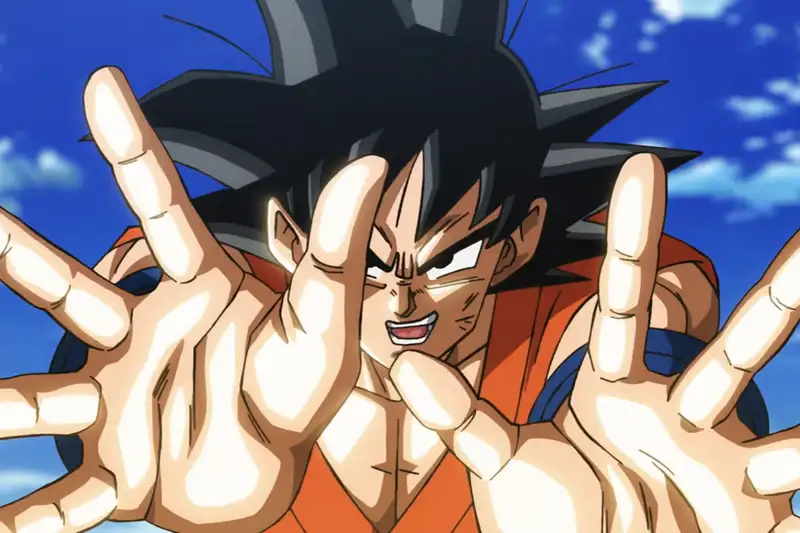
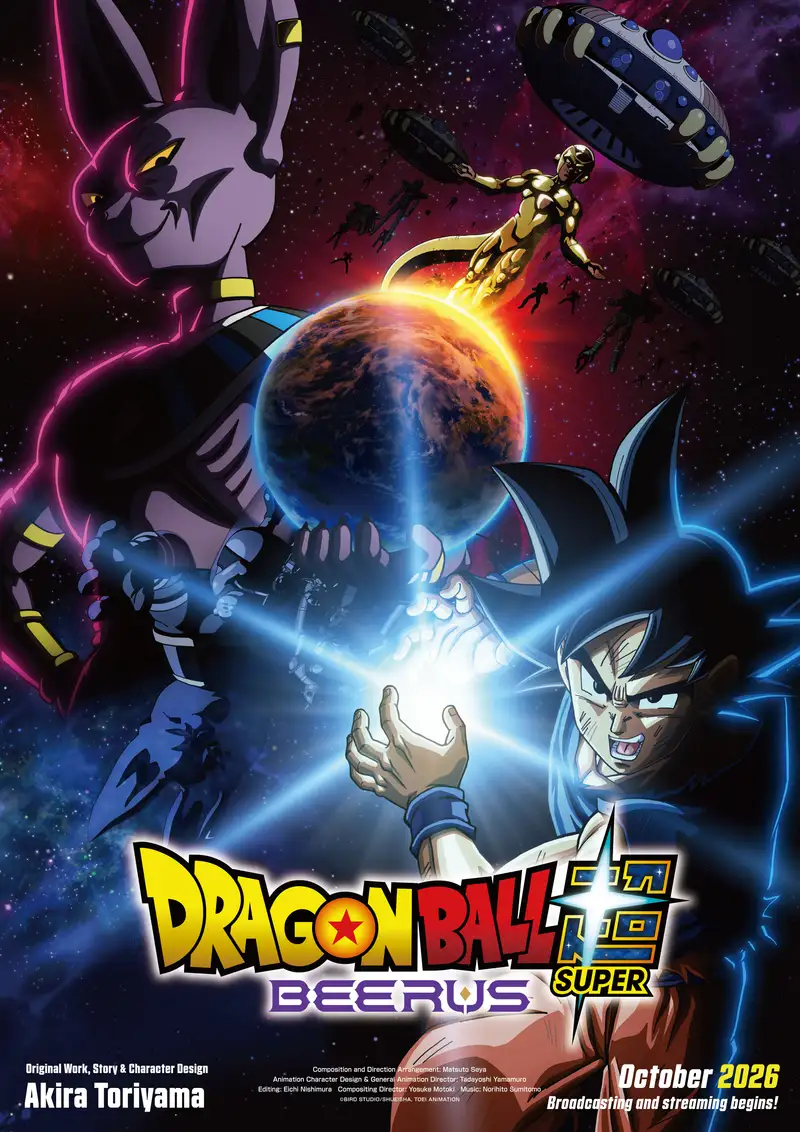
- The Dragon Ball Super: Beerus anime will officially premiere on October 11, 2026.
- New theme songs, "ONOGAMI" by MEGATERA・ZERO and "Kan Peki no Peki" by VK Blanka, have been revealed.
- An exclusive world-premiere advance screening will take place at New York Comic Con on October 8, featuring English voice actors.
- The series is designed to lead directly into the upcoming Dragon Ball Super: The Galactic Patrol (Moro Arc) anime.
The long-anticipated television adaptation of the pivotal Beerus arc from the Dragon Ball Super saga is set to make its official debut on October 11, injecting fresh energy into the beloved franchise. This new series, titled Dragon Ball Super: Beerus, offers fans a dedicated anime exploration of the God of Destruction’s initial confrontation with Goku and Earth’s mightiest heroes, laying crucial groundwork for future narratives, including the eagerly awaited Moro Arc.
Quick summary
- The Dragon Ball Super: Beerus anime will officially premiere on October 11, 2026.
- New theme songs, "ONOGAMI" by MEGATERA・ZERO (opening) and "Kan Peki no Peki" by VK Blanka (ending), have been revealed.
- An exclusive world-premiere advance screening will take place at New York Comic Con on October 8, featuring English voice actors.
- The series is designed to lead directly into the upcoming Dragon Ball Super: The Galactic Patrol (Moro Arc) anime.
Why it matters
For dedicated Dragon Ball enthusiasts, the arrival of Dragon Ball Super: Beerus signifies more than just a new animated series; it represents a significant step in re-establishing the television continuity that fans have craved since the main Dragon Ball Super anime concluded in 2018. This adaptation provides a structured re-telling of a foundational arc, initially covered in the film Dragon Ball Z: Battle of Gods and briefly in the early episodes of Dragon Ball Super. By dedicating a full series to it, the narrative can potentially delve deeper into character development, the lore of the Gods of Destruction, and the intricacies of Beerus and Whis's personalities, thereby enriching the overall Dragon Ball universe. Moreover, the series acts as a direct narrative precursor to the highly anticipated Moro Arc, building a seamless bridge for the franchise’s future television endeavors and maintaining crucial momentum following recent projects like Dragon Ball DAIMA.
Background
The Dragon Ball phenomenon, originating with Akira Toriyama's manga in 1984, has captivated global audiences for decades. Following the immense success of Dragon Ball Z (1989-1995), the franchise saw a significant resurgence with Dragon Ball Super, which began serialization in 2015 and continues to this day. The Dragon Ball Super TV anime ran from July 2015 to March 2018, encompassing arcs such as the Battle of Gods, Resurrection 'F', Universe 6 Saga, Goku Black Saga, and the Tournament of Power.
However, the initial 'Battle of Gods' and 'Resurrection 'F'' sagas in the Dragon Ball Super TV anime were condensed adaptations of existing feature films, Dragon Ball Z: Battle of Gods (2013) and Dragon Ball Z: Resurrection 'F' (2015). This meant that the television series essentially re-covered ground already explored on the big screen, albeit with expanded content. The new Dragon Ball Super: Beerus anime appears to be a focused re-adaptation, providing a fresh and potentially more expansive television interpretation of the Beerus arc, which is critical for understanding Goku's journey into God-level power and the introduction of characters like Beerus and Whis, who profoundly reshaped the power dynamics of the Dragon Ball universe. This strategic move aims to prepare the fanbase for the next major storyline, the Moro Arc, effectively filling a gap in the direct TV anime narrative progression.
The announcement also comes at a poignant time for the franchise, following the passing of its legendary creator, Akira Toriyama, on March 1, 2024. Projects like Dragon Ball Super: Beerus, along with others such as the recent Dragon Ball DAIMA anime and the ambitious Dragon Ball Theme Park planned for Qiddiya City in Saudi Arabia, continue to carry forward Toriyama's incredible legacy and the enduring appeal of his creations.
Qnews24h insight
The strategic timing and presentation of Dragon Ball Super: Beerus suggest a deliberate effort to consolidate the franchise's animated continuity and build anticipation for its future. By revisiting the Beerus arc as a dedicated series rather than a film adaptation, the creators can ensure that new and returning viewers alike have a complete, serialized understanding of this foundational storyline before plunging into subsequent arcs like the highly anticipated Moro saga. This approach mitigates potential narrative gaps that might arise from varying consumption patterns of films versus television series. Furthermore, the selection of artists like MEGATERA・ZERO and VK Blanka, who express profound personal connections to Dragon Ball, imbues the project with an authentic fan-centric spirit, ensuring the thematic music resonates deeply with the franchise's long-standing cultural impact and emotional resonance.
New York Comic Con Preview: A Global Stage
Adding to the excitement, Dragon Ball Super: Beerus is set to make a significant splash at New York Comic Con 2026. A special panel, "Dragon Ball Super: Beerus SPECIAL PANEL," is scheduled for October 8 at the Javits Center’s Empire Stage. This event will offer attendees a rare opportunity to be among the first in the world to experience the anime's debut with an advance screening of the first episode.
The panel promises a treat for English-speaking fans, featuring Jason Douglas, the distinctive voice of Beerus, and Ian Sinclair, who voices Whis. Monica Rial, the English voice of Bulma, will host the event, bringing another familiar voice to the stage. Attendees are also slated to receive exclusive merchandise, including a Dragon Ball Super: Beerus fan chain and face towel, along with a Dragon Ball Super Card Game Fusion World Energy Marker, making the event a must-attend for collectors and enthusiasts.
The Enduring Legacy of Dragon Ball and its Musical Heartbeat
The unveiling of the theme songs is a crucial element for any anime, particularly for a franchise with the cultural weight of Dragon Ball. The opening theme, "ONOGAMI" by MEGATERA・ZERO, and the ending theme, "Kan Peki no Peki" by VK Blanka, aim to capture the essence of the series' themes of strength, struggle, and self-belief. Both artists have shared their personal history with Dragon Ball, underscoring the deep impact the series has had on their lives and creative journeys.
MEGATERA・ZERO elaborated on "ONOGAMI," explaining his desire to reflect the various fighters within Dragon Ball, not just the heroes but also formidable adversaries who fight with their own strength and convictions, embodying the concept of 'ono ga mi' – one's own body and self. VK Blanka, for "Kan Peki No Peki," spoke of his childhood spent absorbed in the manga and anime, expressing immense honor in contributing musically to the franchise. He aimed to encapsulate not only the obvious "strength" and "courage" but also the "sadness" and "injustice" that often lie beneath the surface of the battles.
The profound personal connection articulated by both musicians highlights the pervasive influence of Dragon Ball across generations. The soundtrack of an anime often becomes as iconic as its visuals, and these new themes are poised to become an integral part of the Beerus arc experience, setting the tone for each episode and leaving a lasting impression on viewers.
Franchise Evolution: From Manga Pages to Global Phenomenon
Akira Toriyama's creation began as a manga serialized in Shueisha’s Weekly Shonen Jump from 1984 to 1989. Its sequel, Dragon Ball Z, ran from 1989 to 1995, cementing its status as a global phenomenon. Dragon Ball Super, the direct sequel to Z, began serialization in 2015 and continues to expand the universe with new sagas and characters.
The franchise has spawned numerous anime adaptations, including the original Dragon Ball, Dragon Ball Z, Dragon Ball GT (a non-canonical sequel), Dragon Ball Super, and the spin-off Super Dragon Ball Heroes. The recent film, Dragon Ball Super: SUPER HERO, released in August 2022, demonstrated the series' continued theatrical drawing power with a strong opening in North America. Beyond animation, the brand continues to expand into other ventures, such as the ambitious Dragon Ball Theme Park, which is being developed as a major attraction within Qiddiya City in Saudi Arabia, spanning an impressive 500,000 square meters. These diverse projects underscore the enduring vitality and expansive vision for the Dragon Ball universe, ensuring its relevance for years to come.
Sources
- Anime Corner
- Press Release
- Dragon Ball Official X
FAQ
- What is the primary purpose of the new Dragon Ball Super: Beerus anime?
The Dragon Ball Super: Beerus anime aims to provide a dedicated, serialized television adaptation of the Beerus arc, which was previously covered in a movie and briefly in the early episodes of the original Dragon Ball Super TV series. Its main goal is to fully establish the narrative leading up to the upcoming Dragon Ball Super: The Galactic Patrol (Moro Arc). - Who are the artists behind the new theme songs for Dragon Ball Super: Beerus?
The opening theme song, "ONOGAMI," is performed by MEGATERA・ZERO. The ending theme song, "Kan Peki no Peki," is performed by VK Blanka. Both artists have expressed a deep personal connection to the Dragon Ball franchise. - What can fans expect at the New York Comic Con Dragon Ball Super: Beerus panel?
Attendees at the New York Comic Con panel on October 8 will be treated to a world-premiere advance screening of the first episode. The panel will feature English voice actors Jason Douglas (Beerus), Ian Sinclair (Whis), and Monica Rial (Bulma as host). Exclusive fan merchandise will also be distributed. - How does this anime relate to the future of the Dragon Ball Super story?
Dragon Ball Super: Beerus is explicitly designed as a stepping stone to the highly anticipated Dragon Ball Super: The Galactic Patrol (Moro Arc) anime. It will ensure that viewers have a comprehensive understanding of the events and character developments from the Beerus arc before the new major storyline begins.
Why it matters
For dedicated Dragon Ball enthusiasts, the arrival of Dragon Ball Super: Beerus signifies more than just a new animated series; it represents a significant step in re-establishing the television continuity that fans have craved since the main Dragon Ball Super anime concluded in 2018. This adaptation provides a structured re-telling of a foundational arc, initially covered in the film Dragon Ball Z: Battle of Gods and briefly in the early episodes of Dragon Ball Super . By dedicating a full series to it, the narrative can potentially delve deeper into character development, the lore of the Gods of Destruction, and the intricacies of Beerus and Whis's personalities, thereby enriching the...
Background
The Dragon Ball phenomenon, originating with Akira Toriyama's manga in 1984, has captivated global audiences for decades. Following the immense success of Dragon Ball Z (1989-1995), the franchise saw a significant resurgence with Dragon Ball Super , which began serialization in 2015 and continues to this day. The Dragon Ball Super TV anime ran from July 2015 to March 2018, encompassing arcs such as the Battle of Gods, Resurrection 'F', Universe 6 Saga, Goku Black Saga, and the Tournament of Power. However, the initial 'Battle of Gods' and 'Resurrection 'F'' sagas in the Dragon Ball Super TV anime were condensed adaptations of existing feature films. The new Dragon Ball Super: Beerus anime...
The strategic timing and presentation of Dragon Ball Super: Beerus suggest a deliberate effort to consolidate the franchise's animated continuity and build anticipation for its future. By revisiting the Beerus arc as a dedicated series rather than a film adaptation, the creators can ensure that new and returning viewers alike have a complete, serialized understanding of this foundational storyline before plunging into subsequent arcs like the highly anticipated Moro saga. This approach mitigates potential narrative gaps that might arise from varying consumption patterns of films versus television series. Furthermore, the selection of artists like MEGATERA・ZERO and VK Blanka, who express...
References
Editorial information
The editorial team reviews sources, adds context, and structures stories so readers can understand the news more clearly.
Article from QNEWS24H
Comments
(0)No comments yet. Be the first to share your thoughts.