Digital Future: Shifting the Gamer Rights Conversation Amid PlayStation's Physical Sunset

- Analyst Daniel Ahmad emphasizes that PlayStation's digital shift necessitates a focus on consumer rights, not just the loss of physical media.
- He highlights that console digital storefronts lack crucial features like gifting, family sharing, and robust refunds, which are standard on PC platforms like Steam.
- The conversation needs to push for stronger digital ownership rights and consumer protections as physical game production by platforms like PlayStation winds down.
- The inherent fragility of digital licenses compared to physical game ownership makes these consumer rights more critical than ever.
The console gaming world finds itself at a pivotal juncture, where the tactile pleasure of physical game ownership is steadily giving way to the convenience and permanence of digital libraries. As major players like PlayStation increasingly lean into a digital-first future, epitomized by the eventual cessation of physical disc production, an essential conversation is emerging—one that transcends nostalgia for game boxes and delves into the very core of consumer rights in an increasingly digital landscape. What does it mean to 'own' a game when it exists solely as data, and how can gamers ensure their entitlements are protected?
Quick summary

- Industry analyst Daniel Ahmad recently drew parallels between PlayStation's move away from physical game production and the earlier obsolescence of disc drives in personal computers.
- Ahmad clarified that his primary point was to redirect the conversation towards critical consumer rights in digital ecosystems, not to endorse the decline of physical media.
- Key features such as gifting, family sharing, and comprehensive refund policies, which are common on PC digital storefronts like Steam, are largely absent or underdeveloped on console platforms.
- Advocacy groups and analysts are now emphasizing the urgent need for robust digital ownership rights and consumer protections as the industry transitions further into digital distribution.





Why it matters

For millions of gamers worldwide, this shift isn't merely about the format of their favorite titles; it strikes at the heart of ownership, value, and long-term access. The transition from physical to purely digital distribution has profound implications. Physical games offered tangible assets, resale value, and the assurance of access even if storefronts shut down. Digital games, conversely, often represent a license to play rather than true ownership, potentially leaving consumers vulnerable to platform-holder policies regarding game availability, account access, and pricing. Without robust consumer rights, the market power of console manufacturers in a digital-only environment could diminish player agency, limit options for game sharing or gifting, and complicate refund processes. This could fundamentally alter how consumers interact with their purchased content, shifting control further away from the player and towards the platform.

Background

The journey from physical media dominance to digital ascendancy in gaming has been a gradual yet relentless one. For decades, games were exclusively distributed via cartridges, floppy disks, CDs, and then DVDs and Blu-rays. The PC gaming market began its significant digital shift much earlier, primarily driven by platforms like Steam, which launched in 2003. Steam revolutionized PC game distribution by offering unparalleled convenience, digital storefronts, automatic updates, and a vast library of titles, effectively sidelining physical PC game discs for most users. The practicalities of modern PC gaming, requiring massive downloads and frequent updates, made physical media increasingly cumbersome and often redundant, as discs frequently contained only a fraction of the full game data or merely served as an installer for a mandatory digital download.

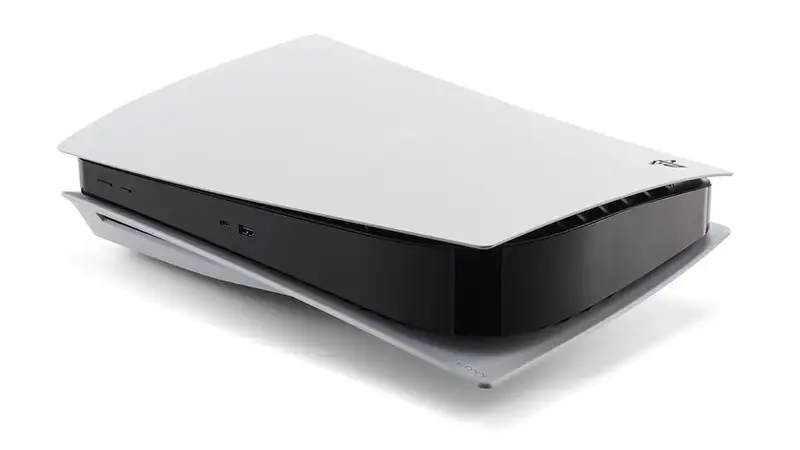
Console gaming, while also embracing digital downloads for over a decade, has maintained a stronger attachment to physical media, partly due to established retail channels and collector culture. However, recent generations have shown a clear trend towards digital. Sony's PlayStation 5, for instance, launched with both a standard model and a 'Digital Edition' lacking a disc drive, signaling a strategic embrace of the digital future. Xbox has also followed suit with disc-less console variants. This move, combined with the increasing size of game installs that often exceed the capacity of a single Blu-ray disc and necessitate large day-one patches, has set the stage for the eventual sunset of physical production. Advocacy groups like 'Stop Killing Games' have emerged in response, highlighting concerns about game preservation and consumer ownership in this evolving digital landscape, aiming to ensure that the convenience of digital does not come at the expense of fundamental player rights.

The Digital Divide: PC vs. Console Consumer Rights
As analyst Daniel Ahmad correctly points out, the shift to digital is not inherently problematic if accompanied by adequate consumer protections. His comparison to the PC market, where disc drives are virtually obsolete for modern gaming, is instructive. On PC, platforms like Steam have, over time, developed comprehensive consumer features. These include straightforward gifting mechanisms, robust refund policies that allow players to return games within certain playtime and purchase windows, and family sharing options that permit multiple users within a household to access a shared library without needing to repurchase games. These features largely emerged from a competitive market where Valve, the creator of Steam, faced rivals like GOG, Epic Games Store, and the ever-present option of piracy, which implicitly pressured platforms to offer superior user experiences and protections.
The console ecosystem, however, presents a different scenario. Each major console manufacturer—Sony (PlayStation Store), Microsoft (Xbox Store), and Nintendo (eShop)—operates a comparatively closed and less competitive digital marketplace. Consequently, consumer rights and features on these platforms often lag behind those offered on PC. While some refund policies exist, they are frequently more restrictive. Gifting options are limited or non-existent for many titles, and comprehensive family sharing solutions akin to Steam's are generally absent. This disparity creates a significant 'digital divide,' where console gamers moving away from physical media may find themselves with fewer rights and less control over their digital purchases than their PC counterparts. The urgent call for a shift in the conversation, therefore, underscores the need for platform holders to proactively implement more equitable and consumer-centric digital policies, especially as the physical alternative fades.

Navigating the New Era of Digital Ownership
The core of the issue lies in the fundamental difference between owning a physical product and licensing digital content. A physical game disc, historically, conferred a sense of true ownership: it could be played offline, lent to friends, resold, or collected. Digital games, by contrast, are typically accessed through licenses tied to specific accounts and platforms. This model means that the continued availability of a game, its functionality, and the terms of its use are often at the discretion of the platform holder. Should a digital storefront close, or an account be suspended, access to purchased games could be jeopardized. This inherent fragility of digital ownership, coupled with the diminishing physical option, makes the call for stronger consumer rights not just a preference but a necessity.
The industry is at a crossroads where the convenience and environmental benefits of digital distribution must be balanced with the enduring need for consumer confidence and control. Without legal frameworks or stronger industry self-regulation mandating certain protections, gamers risk finding themselves in a future where their 'purchases' are fleeting and their choices limited. The message from analysts and advocacy groups is clear: as disc production ends and the digital future solidifies, the focus must shift from how games are delivered to how gamers are empowered. The challenge for console manufacturers will be to evolve their digital ecosystems to truly serve, rather than merely control, their vast player bases, ensuring that the digital era is defined by robust ownership rights and not just technological advancement.
Qnews24h insight
The discourse surrounding PlayStation's gradual exit from physical media production, clarified by Daniel Ahmad, reveals an uncomfortable truth for console gamers: the current trajectory prioritizes platform convenience and cost-efficiency over comprehensive consumer empowerment. While the inevitable shift to digital offers undeniable benefits in distribution and accessibility, the lack of parity between PC and console digital storefronts in terms of consumer rights is a critical flaw. Console manufacturers, operating in effectively walled gardens, face less competitive pressure to implement robust features like gifting, broad refund policies, or true family sharing compared to their PC counterparts. This allows them to maintain a more restrictive licensing model for digital content, which, in the absence of physical alternatives, risks diminishing the long-term value and control consumers have over their game libraries. For the digital transition to be truly beneficial, it's imperative that console platforms embrace a more consumer-centric approach, perhaps even pre-emptively, rather than waiting for legal mandates or significant public outcry. The future of gaming isn't just digital; it must also be equitable.
Sources

FAQ
What are the main consumer rights being discussed for digital games?
The primary consumer rights under discussion include the ability to gift digital games to others, robust and fair refund policies for digital purchases, and effective family sharing options that allow multiple users within a household to access a shared library without needing to buy multiple copies of the same game.
Why is the shift to digital games seen as inevitable by many analysts?
The shift is considered inevitable due to several factors: the declining presence of disc drives in modern computers and increasingly, consoles; the massive file sizes of modern games that often exceed physical disc capacity and require large day-one downloads; the environmental benefits of reduced packaging and shipping; and the convenience of instant digital access and automatic updates for consumers.
How do PC digital storefronts differ from console stores in terms of consumer features?
PC digital storefronts, notably Steam, generally offer more comprehensive consumer features. These include more flexible refund policies (e.g., within 2 hours of playtime or 14 days of purchase), dedicated gifting functionalities for most titles, and well-established family sharing systems. Console digital stores typically have more restrictive refund policies, limited or no gifting options, and less developed family sharing capabilities.
What is the 'Stop Killing Games' movement?
'Stop Killing Games' is an advocacy initiative focused on challenging the industry's practices regarding game preservation and digital ownership. It advocates for stronger consumer rights in the digital age, particularly in light of games being delisted, digital storefronts closing, and the perceived fragility of digital game 'ownership.'
Why it matters
The transition to a digital-only gaming future, accelerated by platform decisions like PlayStation's cessation of physical disc production, poses significant challenges to consumer autonomy and ownership. Without a strong framework of digital rights, gamers risk losing the ability to resell games, face limitations on sharing content with family or friends, and may encounter more restrictive refund policies. This shift concentrates power with platform holders, potentially leading to less consumer-friendly practices and jeopardizing long-term access to purchased content if digital storefronts or services are discontinued. The current debate aims to ensure that the convenience of digital does...
Background
The gaming industry has steadily moved from physical distribution to digital over the past two decades. PC gaming led this charge, with platforms like Steam establishing robust digital ecosystems that gradually rendered physical PC game discs largely obsolete. Key to Steam's success was the integration of extensive consumer-friendly features such as easy gifting, flexible refund policies, and family sharing. Console gaming, while also adopting digital downloads, has maintained a stronger physical presence until recently. However, with the launch of disc-less console versions (like the PS5 Digital Edition) and the increasing size of modern games requiring significant digital components even...
While the technological and logistical advantages pushing the gaming industry towards a fully digital future are clear, the console segment's approach to this transition still leaves much to be desired from a consumer perspective. Daniel Ahmad's clarification rightly steers the discussion away from nostalgic lament for physical media towards the proactive establishment of robust digital consumer rights. The current state of console digital storefronts—which often lack the gifting, family sharing, and comprehensive refund policies commonplace on PC platforms like Steam—reveals a significant power imbalance. Without the direct competitive pressures seen in the PC market, console platform...
References
Editorial information
The editorial team reviews sources, adds context, and structures stories so readers can understand the news more clearly.
Article from QNEWS24H
Comments
(0)No comments yet. Be the first to share your thoughts.