Bungie Delays Fix for Destiny 2 Infinite Damage Bug, Encouraging Player Exploitation
- Bungie is intentionally delaying a fix for a 'near infinite damage' bug in Destiny 2 for approximately one week, allowing players to exploit it.
- The bug enables guardians to stack multiple seasonal Artifact perks, leading to unprecedented damage output against PvE enemies and bosses.
- To maintain competitive integrity, Bungie has disabled Artifacts in all Player-versus-Player (PvP) modes, preventing an event they've dubbed 'The Artifactening.'
- Simultaneously, an old boss-cheesing technique, involving 'punting' raid bosses off arena ledges, has also resurfaced following the Monument of Triumph update.
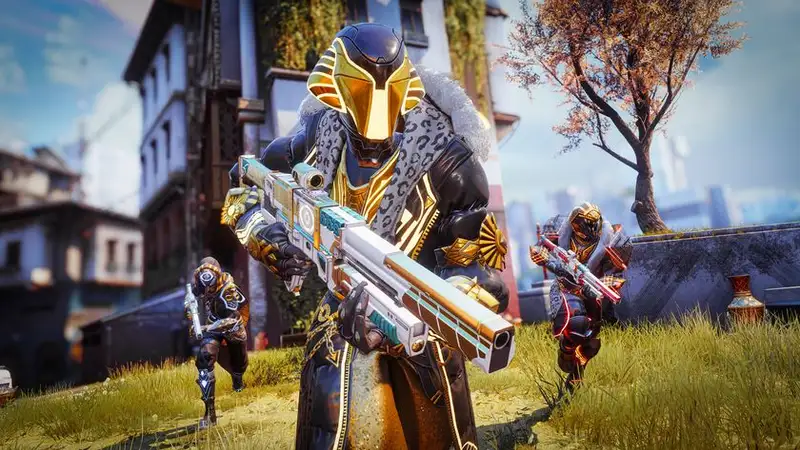
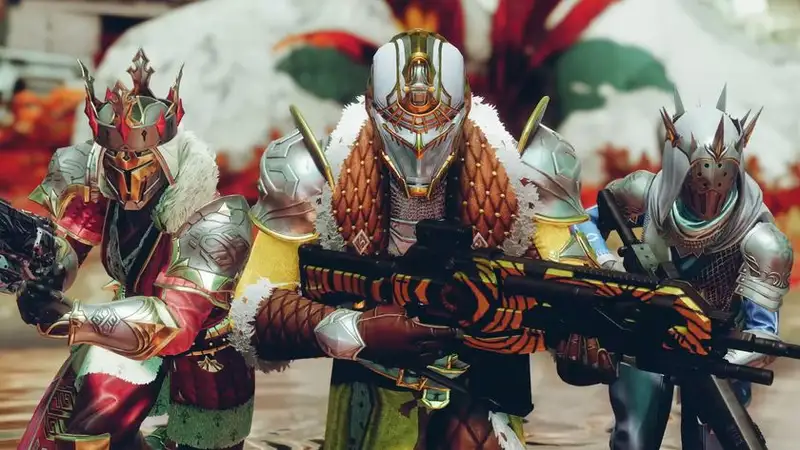
In an unexpected turn for the highly popular online shooter Destiny 2, its developer Bungie has made the rare decision to actively encourage players to exploit a significant game-breaking bug. For roughly a week, guardians will be able to inflict 'near infinite damage' on enemies, particularly raid bosses, before a patch is deployed. This move, stemming from a newly discovered exploit within the recent Monument of Triumph update, has sparked both amusement and strategic planning among the game's dedicated community.
Quick summary
- Bungie is intentionally delaying a fix for a 'near infinite damage' bug in Destiny 2 for approximately one week, allowing players to exploit it.
- The bug enables guardians to stack multiple seasonal Artifact perks, leading to unprecedented damage output against PvE enemies and bosses.
- To maintain competitive integrity, Bungie has disabled Artifacts in all Player-versus-Player (PvP) modes, preventing an event they've dubbed 'The Artifactening.'
- Simultaneously, an old boss-cheesing technique, involving 'punting' raid bosses off arena ledges, has also resurfaced following the Monument of Triumph update.
Why it matters
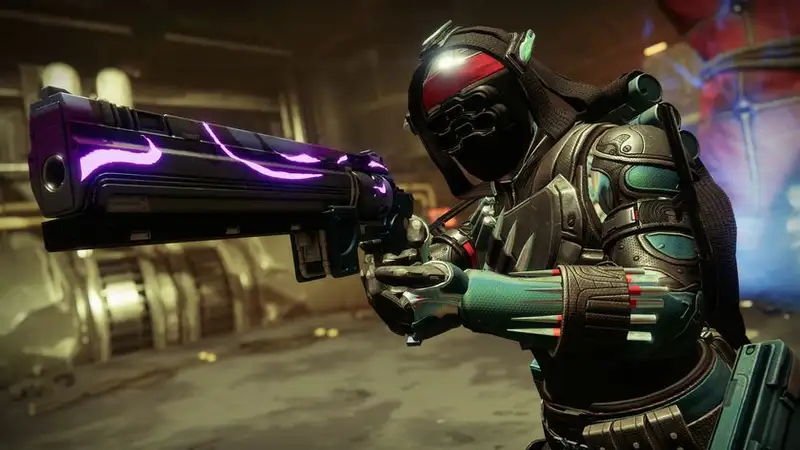
This isn't merely about a temporary glitch; Bungie's decision offers a fascinating glimpse into modern live-service game development and community engagement. By deliberately delaying a fix for a power-granting exploit, the developer is prioritizing player enjoyment and unique experiences over immediate game balance in non-competitive environments. For players, this means an unprecedented opportunity to tackle difficult content with ease, potentially achieving feats they otherwise couldn't. It fosters a sense of shared, fleeting excitement, creating memorable moments and organic content for streamers and social media.
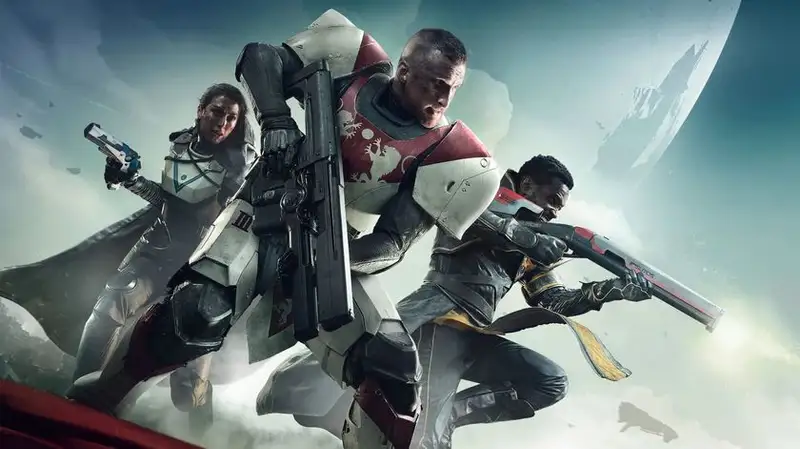
Economically, such a move could see a temporary surge in player activity and engagement, as guardians log in to experience the 'god mode' before it vanishes. It sets a unique precedent for how developers might address similar non-critical exploits in the future, weighing the short-term fun against the long-term impact on game health and player expectations. Furthermore, it highlights the delicate balance between developer control and community-driven emergent gameplay in persistent online worlds.
Background
Destiny 2, a sprawling space-faring shooter, has been a cornerstone of the live-service gaming landscape since its launch. Known for its intricate build-crafting, challenging raid content, and continuous seasonal updates, the game frequently introduces new systems and perks. The 'Monument of Triumph' update, a significant content drop, arrived with the intention of celebrating player achievements and bringing back beloved activities.
Within this update, players discovered an unintended interaction: the ability to stack multiple instances of the same seasonal Artifact perk. Seasonal Artifacts are temporary power-ups introduced each season, offering unique modifiers to player abilities and weapons. Normally, these perks are meant to be chosen individually, but the bug allowed for their accumulation, leading to exponentially increased damage. This type of power imbalance can often stem from the sheer complexity of modern game engines and the vast number of interconnected systems, where a single change can ripple through unintended pathways.
Game exploits are not new to Destiny 2 or the broader gaming world. From 'out-of-bounds' glitches to damage buffs, players frequently uncover unintended ways to gain an advantage. Historically, developers often rush to patch such issues to preserve game integrity and fairness. Bungie itself has a track record of addressing significant exploits promptly. However, their current stance marks a notable departure, echoing rare instances where other developers have embraced, rather than immediately removed, 'fun' bugs, albeit usually smaller in scale.

Adding to the nostalgic chaos, the Monument of Triumph update also brought back the ability to 'punt' bosses off ledges. This particular exploit, where specific environmental interactions allow players to instantly defeat raid bosses by pushing them into an abyss, is a beloved, albeit controversial, tactic from Destiny's past. Its return, particularly in new challenging content like The Pantheon, further underscores the update's unintended consequences and Bungie's current relaxed approach.
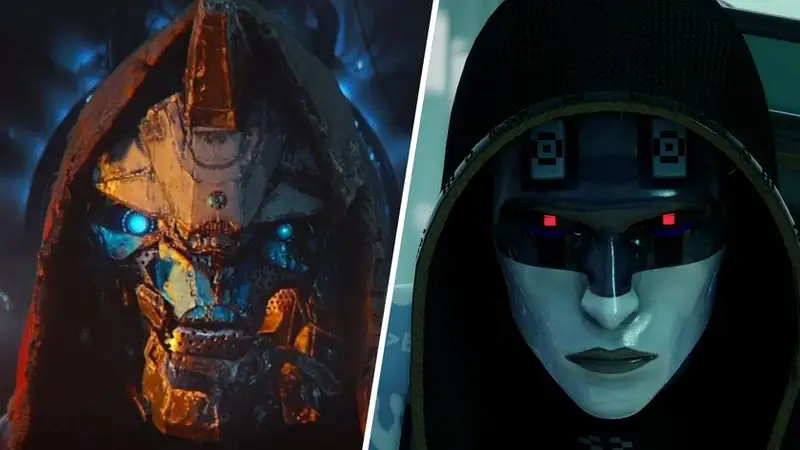
The 'Artifactening' and Boss Punting
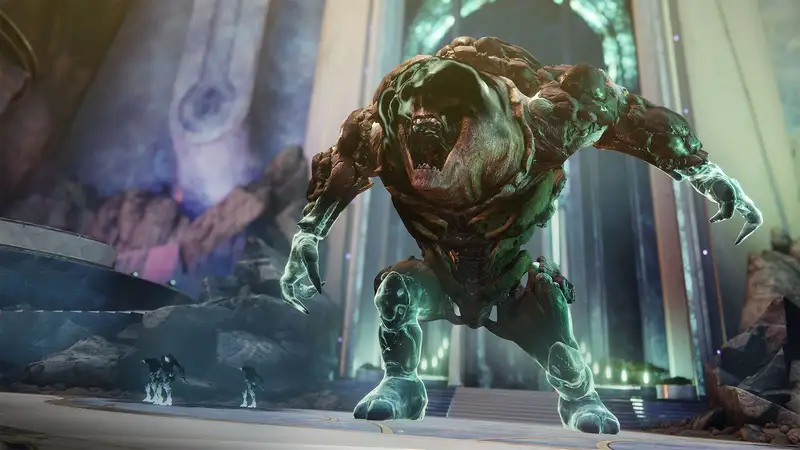
The core of the current damage exploit lies in the seasonal Artifact system. Players can reportedly stack up to seven copies of the same Artifact mod, such as 'Thunderous Retort,' which normally provides a significant damage boost to specific abilities like Chaos Reach. With multiple instances active, the damage output becomes truly astronomical, effectively turning guardians into demigods capable of decimating even the toughest raid bosses in seconds. Social media platforms have been flooded with clips showcasing absurd damage numbers and boss melts, giving rise to the community term 'The Artifactening.'
Bungie's communication on the matter was surprisingly open, with the Destiny 2 team stating on X (formerly Twitter), "While we're planning a fix (next week likely), we think this is a bit fun. Go ahead. Get out there, beat up on Atheon. Destroy some bosses. Do your thing." This direct invitation to exploit the bug is a testament to their desire to engage with the community's sense of discovery and fun.
Crucially, the studio has taken steps to cordon off the exploit's impact. Recognizing the competitive imbalance this would create, Artifacts have been temporarily disabled in all PvP modes. This ensures that while players can revel in overpowered PvE destruction, the integrity of competitive Crucible matches remains intact. This proactive measure demonstrates a nuanced approach, allowing for emergent gameplay without undermining the fundamental fairness of player-versus-player combat.
Adding to the nostalgic chaos, the Monument of Triumph update has also seen the return of the infamous 'boss punting' mechanic. This involves players using specific abilities or environmental interactions to push raid bosses, such as Morgeth in The Pantheon, off the edge of the arena, leading to an instant victory. A Bungie comms manager, 'dmg04,' even acknowledged this returning exploit on X, quipping, "It wouldn't be a Destiny release if you couldn't bump a boss off a ledge." This lighthearted acceptance of classic 'cheeses' further solidifies Bungie's current permissive stance on non-game-breaking exploits.
Developer Transparency and Community Engagement
Bungie's decision to openly acknowledge and temporarily permit a game-breaking bug stands out in an industry often characterized by swift, quiet patches. This level of transparency fosters a stronger relationship with its player base. By treating the bug as a temporary, shared experience rather than an urgent problem to be eradicated, Bungie demonstrates an understanding of player psychology and the inherent appeal of short-lived 'power fantasy' moments.

This approach stands in contrast to many other online games where exploits are often met with immediate hotfixes, bans, or stern warnings. While such measures are necessary for critical exploits that severely destabilize the game economy or competitive play, Bungie has clearly drawn a distinction for this particular PvE-centric glitch. It creates a unique 'event' for the community, encouraging discussion, content creation, and a surge in player activity as everyone rushes to experience the power before it's gone.

The explicit encouragement for players to 'do your thing' resonates deeply within a gaming culture that often celebrates finding clever, albeit unintended, ways to bend game rules. It’s a calculated risk that, for now, appears to be paying off in terms of positive community sentiment and heightened engagement.
Qnews24h insight
Bungie's calculated decision to let the 'infinite damage' bug ride for a week in Destiny 2 is a shrewd move that transcends typical bug resolution. Instead of a standard damage control scenario, it's a strategic embrace of emergent gameplay and a testament to modern community management in live-service titles. This approach suggests that developers are increasingly recognizing the value of temporary, 'fun' chaos in player engagement, understanding that a controlled, time-limited exploit can generate more positive sentiment and activity than an immediate, unceremonious patch.
However, this strategy isn't without its potential pitfalls. While currently focused on PvE, a sustained tolerance for such exploits could inadvertently set a precedent, creating an expectation among players that future 'fun' bugs will also be permitted. It highlights the inherent tension in developing complex live games: the constant struggle between meticulously balanced systems and the inevitable, often entertaining, glitches that arise. Bungie's maneuver here represents a confident tightrope walk, leveraging a momentary lapse in game integrity as a unique, time-gated content event. It's a pragmatic recognition that sometimes, for a week, letting players be overpowered gods can be excellent for game health, rather than detrimental.
Sources
FAQ
What is the 'near infinite damage' bug in Destiny 2?
The 'near infinite damage' bug allows Destiny 2 players to stack multiple instances of the same seasonal Artifact perk, leading to massively increased damage output from their abilities and weapons, effectively making them extremely powerful against PvE enemies and bosses.
Why is Bungie not fixing the bug immediately?
Bungie has stated they believe the bug is 'a bit fun' and has intentionally decided to delay the fix for approximately one week. This allows players to experience a temporary 'god mode' and engage with the exploit before it is patched out, fostering unique community moments and engagement.
Will players get banned for using this bug?
No, Bungie has explicitly encouraged players to use the bug in PvE content, stating 'Go ahead. Get out there, beat up on Atheon. Destroy some bosses. Do your thing.' This means players will not face penalties for exploiting this specific glitch.
How long will the bug be active?
Bungie plans to deploy a fix 'next week likely,' indicating the bug will be active for approximately one week from the time of their announcement, providing a limited window for players to experience the enhanced power.
Why it matters
Bungie's unusual decision to delay a bug fix highlights a shifting approach to game balance and community engagement in live-service games. It provides players with a unique, temporary power fantasy, fostering shared experiences and potentially boosting short-term player activity. This strategy offers a case study in how developers can manage non-critical exploits to generate positive sentiment and organic content, while carefully segmenting its impact by disabling it in competitive modes. It also sets a unique precedent for developer-player interaction regarding future game glitches.
Background
Destiny 2 has a history of complex updates and occasional exploits, common in live-service games with intricate systems. The 'Monument of Triumph' update introduced new content and mechanics, including seasonal Artifact perks designed to modify player abilities. The current 'infinite damage' bug arose from an unintended interaction allowing players to stack these perks. This follows previous instances of game-breaking bugs and the recent reappearance of an old 'boss punting' exploit, indicating the challenge of maintaining perfect balance in a continuously evolving game. Bungie's current permissive stance marks a notable departure from the typical rapid patching of such issues.
Bungie's calculated decision to let the 'infinite damage' bug ride for a week in Destiny 2 is a shrewd move that transcends typical bug resolution. Instead of a standard damage control scenario, it's a strategic embrace of emergent gameplay and a testament to modern community management in live-service titles. This approach suggests that developers are increasingly recognizing the value of temporary, 'fun' chaos in player engagement, understanding that a controlled, time-limited exploit can generate more positive sentiment and activity than an immediate, unceremonious patch. However, this strategy isn't without its potential pitfalls. While currently focused on PvE, a sustained tolerance...
References
Editorial information
The editorial team reviews sources, adds context, and structures stories so readers can understand the news more clearly.
Article from QNEWS24H
Comments
(0)No comments yet. Be the first to share your thoughts.