Dead Space Creator Glen Schofield Announces Retirement After Storied Career
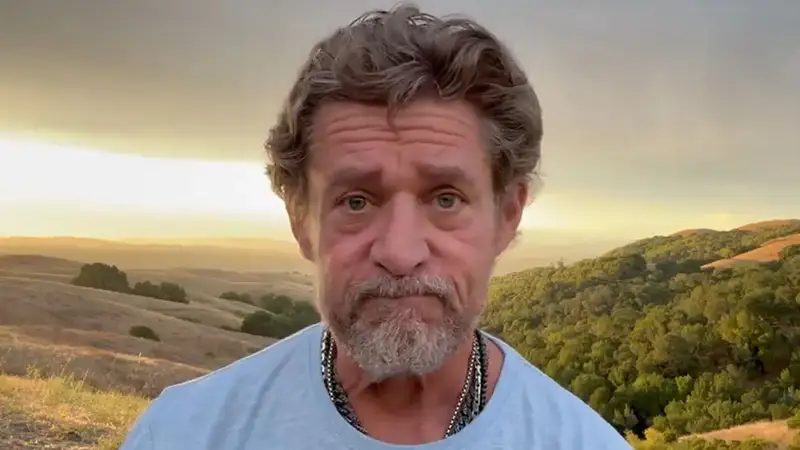
- Glen Schofield, celebrated creator of Dead Space and director of Call of Duty titles, has announced his retirement from the video game industry.
- His career spanned diverse roles, from Crystal Dynamics to founding Sledgehammer Games and Striking Distance Studios.
- Schofield's most recent game, The Callisto Protocol, developed by his studio, received a mixed reception upon release.
- He reflected on the current challenging landscape of the games industry, marked by layoffs and AI debates, while expressing optimism for its future.
A foundational figure in modern video game horror and action, Glen Schofield, has announced his retirement from an industry he significantly shaped. Known for spearheading the critically acclaimed Dead Space series and co-directing multiple successful Call of Duty titles, Schofield's departure marks the end of a multi-decade career that traversed significant shifts in game development and technology. His announcement comes amidst a period of considerable upheaval in the games industry, prompting reflections on both his expansive legacy and the evolving landscape for creators.
Quick summary

- Glen Schofield, the creative force behind Dead Space and a key director for several Call of Duty entries, has officially retired from the video game industry.
- His extensive career included leadership roles at Crystal Dynamics and Sledgehammer Games, contributing to a diverse portfolio of titles across various genres.
- Schofield's most recent venture, The Callisto Protocol, developed by his studio Striking Distance, received a mixed critical reception.
- He acknowledged the current challenging climate in the games industry, citing mass layoffs and AI controversies, but conveyed strong optimism for its future.

Why it matters
Glen Schofield's retirement is more than just a personal career milestone; it signifies a changing guard in an industry undergoing profound transformations. For players, his work has defined a generation of atmospheric horror and intense first-person action, leaving an indelible mark on genres that continue to evolve. His departure offers a moment to reflect on the creative processes, pressures, and triumphs inherent in large-scale game development, particularly for a veteran who has navigated both critical highs and recent challenges.
For the industry itself, his reflections on current difficulties—such as widespread layoffs and the ethical dilemmas surrounding AI in creative fields—underscore a critical juncture. Schofield's perspective, as someone who has witnessed massive creative explosions and navigated turbulent waters, carries weight. His optimism, despite these hurdles, might serve as a beacon for aspiring developers, reinforcing the notion that creativity and innovation will ultimately prevail over transient crises.
Moreover, the narrative of his career, culminating with the reception of The Callisto Protocol, highlights the ever-increasing stakes and demands placed on game creators. Even seasoned veterans can face immense pressure and public scrutiny, making the process of delivering a universally acclaimed title an increasingly challenging endeavor in today's crowded market.
Background
Schofield's journey in the video game world began long before the iconic corridors of the USG Ishimura. In the late 1990s, he served as Vice President at Crystal Dynamics, where he directed games like Gex 3D: Enter the Gecko and Gex 3: Deep Cover Gecko, as well as the dark fantasy title Blood Omen 2: Legacy of Kain. These early roles established his versatility and foundational understanding of game design and production across different genres and platforms.
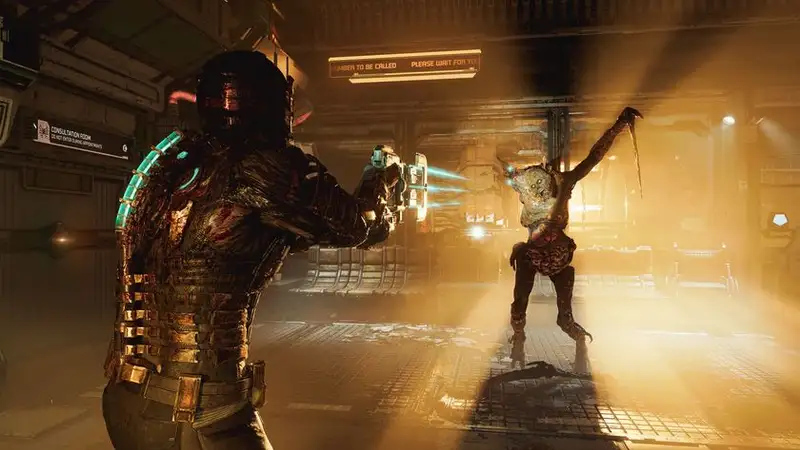
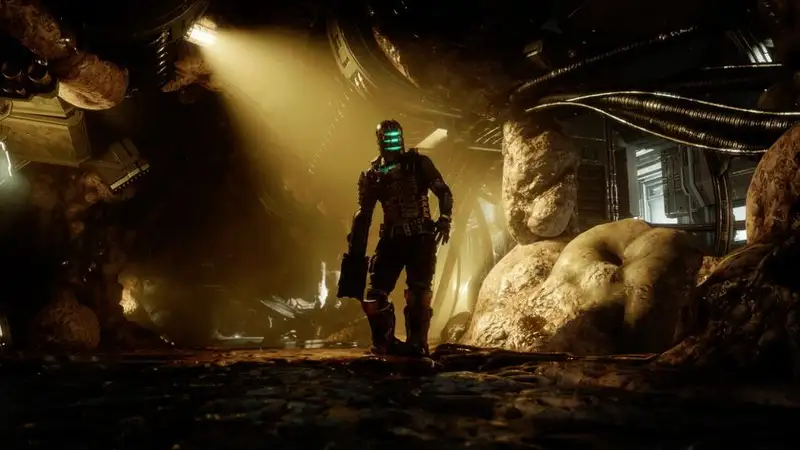
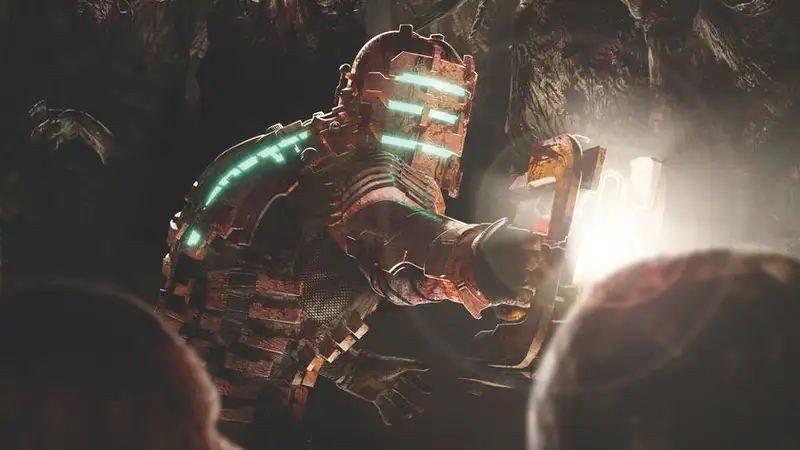
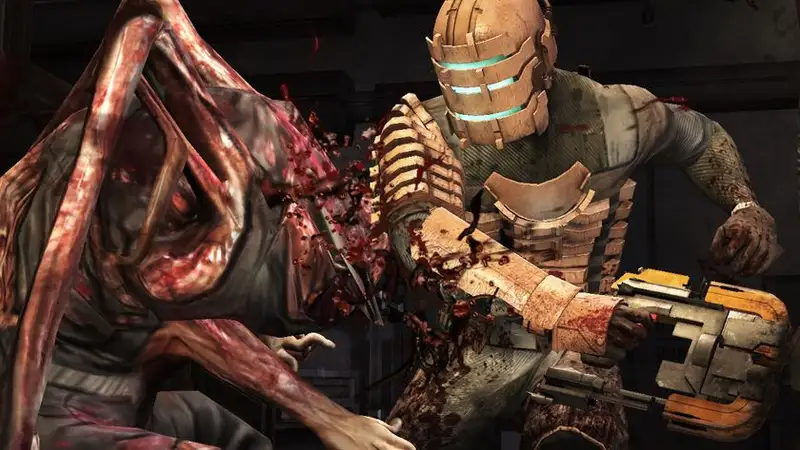
His career trajectory truly ascended with the creation of Dead Space. Developed under Electronic Arts and released in 2008, this sci-fi survival horror masterpiece redefined the genre with its visceral combat, terrifying atmosphere, and innovative dismemberment mechanics. Dead Space garnered widespread critical acclaim and established Schofield as a visionary in horror game development, leaving a lasting legacy that continues to inspire. The game's success led to sequels and a recent remake, cementing its place in gaming history.
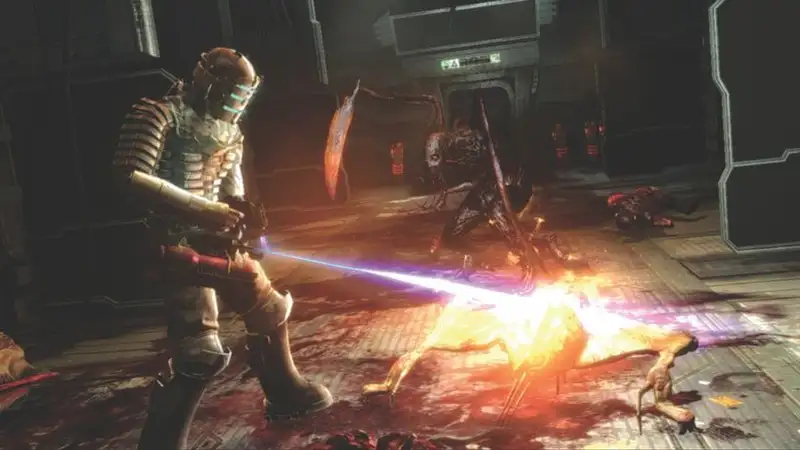
Following his success with Dead Space, Schofield transitioned to co-found Sledgehammer Games, where he co-directed and produced major entries in the blockbuster Call of Duty franchise. Titles like Call of Duty: Modern Warfare 3, Call of Duty: Advanced Warfare, and Call of Duty: WWII became commercial juggernauts, showcasing his ability to pivot from horror to high-octane military shooters and manage massive development teams. This period cemented his reputation as a developer capable of delivering high-quality, large-scale experiences.
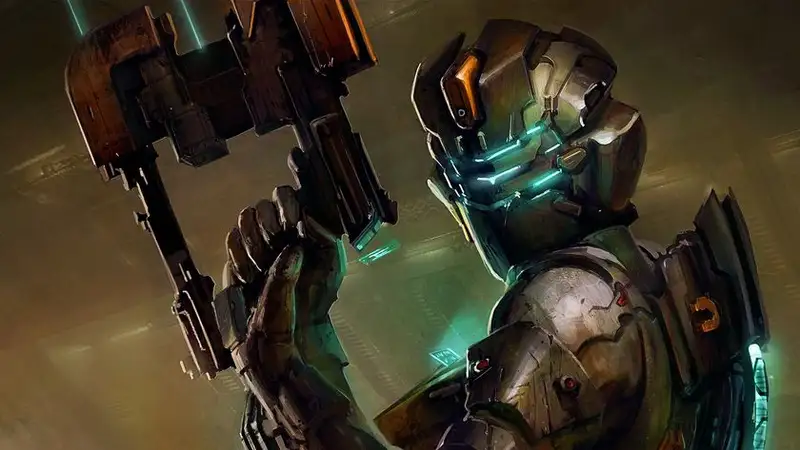
However, the latter part of his career saw him return to his horror roots with Striking Distance Studios and their debut title, The Callisto Protocol. Released in 2022, the game was highly anticipated as a spiritual successor to Dead Space. Despite a strong initial premise and ambitious visuals, it faced a mixed critical reception, with many reviewers pointing to technical issues and design choices that fell short of expectations. This outcome underscores the immense challenges even experienced creators face in meeting the lofty expectations of modern gaming audiences, particularly when following up on a beloved classic.
The Industry's Current Climate and Schofield's Perspective
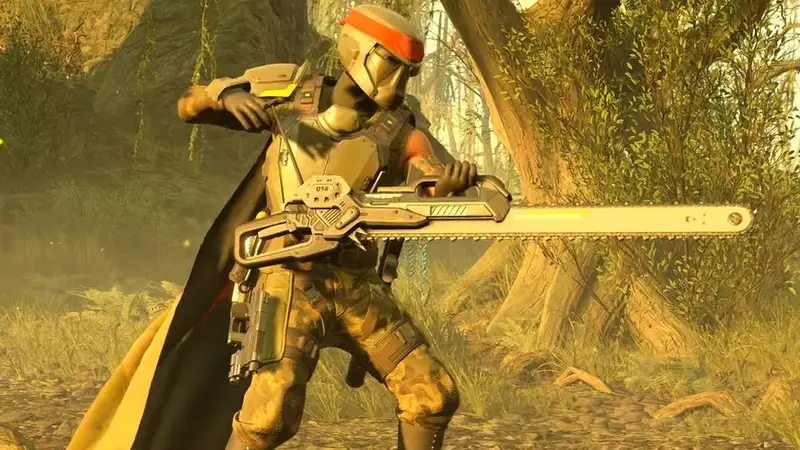
Schofield's retirement announcement resonates against a backdrop of significant turbulence within the global video game industry. The past year has seen an unprecedented wave of mass layoffs across major and independent studios alike, impacting thousands of talented developers. Economic pressures, shifting market demands, and consolidations have led to a volatile environment, creating uncertainty for many professionals.
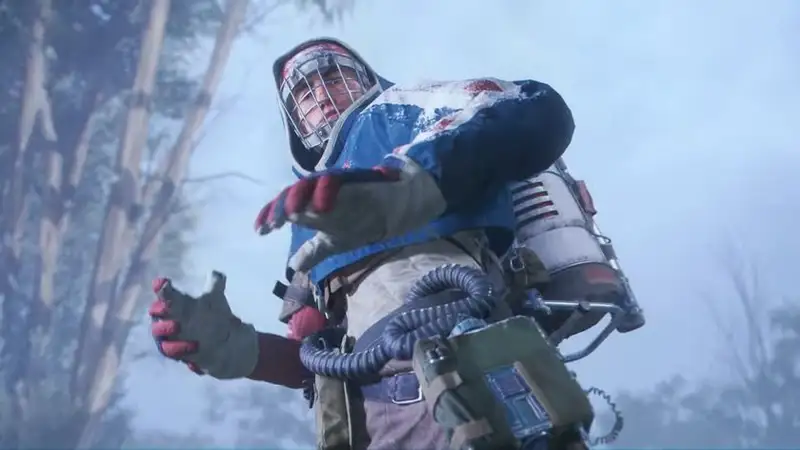
Simultaneously, the rapid advancement of artificial intelligence has sparked intense debate regarding its role in creative fields. Discussions around ethical AI use, job displacement concerns, and the future of creative authorship are pervasive, contributing to a sense of unease within development communities. Schofield's acknowledgment of these 'tough times' in his farewell message highlights his acute awareness of these pressing issues.

Despite these considerable challenges, Schofield expressed a remarkably optimistic outlook. He lauded the industry's talent and declared, "the future ahead is really, really bright." His message to the "next generation of game makers" — to explore, experiment, enjoy, and prioritize ideas — serves as an enduring testament to the fundamental creative spirit that drives the industry, suggesting that the current difficulties are transient and will ultimately be overcome by innovation and passion.

Qnews24h insight

Glen Schofield's retirement, occurring at a moment of pronounced industry volatility, carries a distinct symbolic weight. His career trajectory, from pioneering horror with Dead Space to helming blockbuster military shooters, and then circling back to a new horror IP with The Callisto Protocol, encapsulates the cyclical nature of creative ambition and the relentless pressures of a consumer-driven market. The mixed reception of his final major project, while not uncommon in an industry prone to high expectations, serves as a poignant reminder that even veteran creators with proven track records are not immune to critical hurdles, further intensifying the already significant stress on development teams.
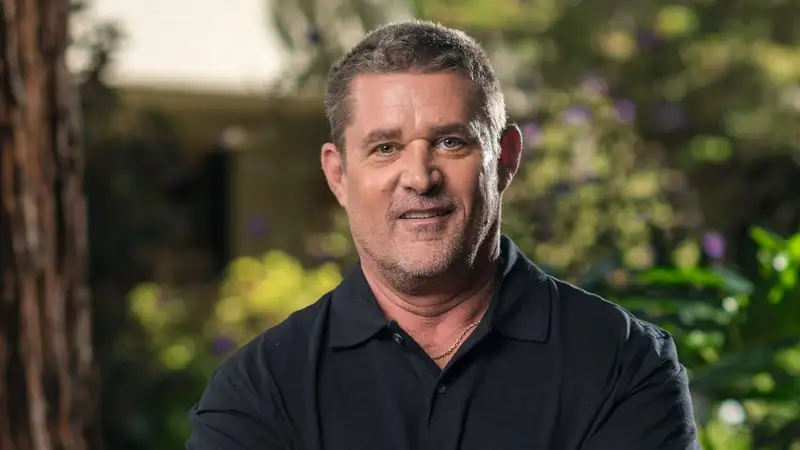
His parting words, particularly the emphasis on the industry's inherent talent and a "really, really bright" future despite current layoffs and AI concerns, offer a crucial perspective. This isn't just a generic platitude; it's an affirmation from someone who has witnessed the industry's evolution firsthand, including its spectacular growth and periodic contractions. It suggests a deep-seated belief that the core passion for innovation and storytelling within game development will ultimately weather economic downturns and technological disruptions. Schofield's call for the next generation to "explore, experiment, enjoy, and don't forget that the most important thing is the idea" is a powerful, almost philosophical, endorsement of creative purity in an increasingly commercialized and complex landscape. His departure therefore symbolizes not an end, but a transition, urging a return to the foundational principles that have always driven gaming's greatest achievements amidst modern challenges.
Sources
Frequently Asked Questions
Who is Glen Schofield?
Glen Schofield is a highly acclaimed American video game developer known for creating the iconic sci-fi survival horror series Dead Space. He also served as a director and producer on several successful Call of Duty titles, including Modern Warfare 3, Advanced Warfare, and WWII.
What are some of Glen Schofield's most notable games?
Schofield is best known for Dead Space (2008), which he created and executive produced. Other significant titles include his directorial work on Gex 3D: Enter the Gecko and Blood Omen 2: Legacy of Kain, and his contributions to the Call of Duty franchise during his time at Sledgehammer Games.
Why is Glen Schofield retiring now?
While Schofield's exact reasons are personal, his retirement follows the release of his most recent game, The Callisto Protocol, which received mixed reviews. He also acknowledged the current 'tough times' in the video game industry, referencing widespread layoffs and discussions around AI's role in creative development.
What did Schofield say about the future of the games industry?
Despite acknowledging the current turbulence, Schofield expressed strong optimism for the industry's future. He described it as an "amazing industry with so many talented people" and encouraged the next generation of game makers to explore, experiment, and prioritize ideas, believing the future is "really, really bright."
Why it matters
Glen Schofield's retirement signals the departure of a significant creative force whose work defined horror and action genres for a generation of players. His journey, culminating after the mixed reception of his latest title, underscores the intense pressures and evolving demands placed on veteran game developers in an industry currently grappling with economic instability and technological shifts like AI. His parting words, offering optimism amid industry turbulence, provide a valuable perspective for current and future game creators.
Background
Glen Schofield's extensive career began in the late 1990s at Crystal Dynamics, where he held a Vice President role and directed titles such as Gex 3D: Enter the Gecko and Blood Omen 2: Legacy of Kain . His most impactful creation came with the 2008 release of Dead Space under EA, a groundbreaking sci-fi horror game that cemented his reputation. Subsequently, he co-founded Sledgehammer Games and significantly contributed to the Call of Duty franchise, co-directing Modern Warfare 3 , Advanced Warfare , and WWII . Schofield later founded Striking Distance Studios, returning to his horror roots with The Callisto Protocol (2022), which, despite high expectations, garnered a lukewarm critical...
Glen Schofield's decision to retire, especially after the challenging reception of The Callisto Protocol and amidst a period of widespread industry upheaval, offers a poignant reflection on the cyclical nature of creative endeavors in gaming. It highlights the immense pressure even seasoned, successful developers face in a hyper-competitive market where fan expectations, often fueled by nostalgia, can be astronomically high. His optimistic parting message—championing talent and ideas despite mass layoffs and AI controversies—suggests a belief in the inherent resilience and creative spirit of game developers to navigate these 'tough times.' This perspective, from a veteran who has witnessed...
References
Editorial information
The editorial team reviews sources, adds context, and structures stories so readers can understand the news more clearly.
Article from QNEWS24H
Comments
(0)No comments yet. Be the first to share your thoughts.