The Analog Rebellion: Why Tired Consumers Are Trading Smartphones for Retro Gadgets
- Growing backlash against endless subscription fees, algorithmic curation, and intrusive notifications is driving a surge in physical media and retro hardware sales.
- Hardware manufacturers like Casio, Kodak, and FiiO are releasing modernized analog devices—such as CD players with digital ripping capabilities and half-frame film...
- Consumers are realizing that digital storefronts can revoke access to purchased media at any time, making physical cartridges, CDs, and vinyl the only secure way to own art.
In an era dominated by hyper-connected smart devices, algorithmic playlists, and the creeping dread of subscription fatigue, a subtle but powerful rebellion is taking root in consumer technology. Millions of users are discovering that the convenience of having everything at their fingertips has come at a steep cost: the loss of true digital ownership, constant screen distraction, and a homogenized cultural experience curated by corporate AI. As modern streaming platforms hike their monthly fees while quietly removing purchased content from their digital libraries, consumers are looking backward to move forward. The modern "de-digitization" movement is not merely a nostalgic retreat into the 1990s; it is a deliberate, tactical reclamation of personal focus, media sovereignty, and tactile joy.
Quick summary
- The Rise of Digital Fatigue: Growing backlash against endless subscription fees, algorithmic curation, and intrusive notifications is driving a surge in physical media and retro hardware sales.
- Modernizing Legacy Tech: Hardware manufacturers like Casio, Kodak, and FiiO are releasing modernized analog devices—such as CD players with digital ripping capabilities and half-frame film cameras—tailored to the digital detox crowd.
- Reclaiming True Ownership: Consumers are realizing that digital storefronts can revoke access to purchased media at any time, making physical cartridges, CDs, and vinyl the only secure way to own art.
Why it matters
The shift toward physical media and single-utility hardware represents a fundamental realignment of how we consume culture. For the past fifteen years, the tech industry has sold us on the dream of the cloud—the promise that physical clutter could be completely replaced by lightweight digital subscriptions. However, in 2024, that dream has soured into a landscape of fragmented streaming platforms, dynamic price hikes, and licensing agreements that allow companies to delete movies, music, and games from users' libraries without warning or compensation.
By opting for analog or offline alternatives, consumers are reasserting their right to ownership. Furthermore, replacing a multi-functional smartphone with dedicated offline devices—such as a dedicated MP3 player or a simple digital watch—serves as a crucial tool for mental wellness. It shields users from the dopamine-fueled loop of social media notifications, proving that the best way to touch grass is to leave the internet behind entirely.
Background
To understand the current resurgence of 1990s-era hardware, one must look at the trajectory of digital distribution over the last two decades. The early 2000s saw the democratization of media through MP3s and digital ripping, which promised liberation from bulky physical formats. This evolved into the platform era of the 2010s, where Spotify, Netflix, and digital storefronts made physical media seem utterly obsolete.
However, as these platforms matured, their limitations became glaringly obvious. The "rentership economy" took hold, meaning consumers never actually owned the art they paid for. Simultaneously, the rise of "smart" tech integrated tracking, ads, and infinite scroll mechanics into nearly every facet of daily life. The sudden revival of vinyl records in the late 2010s was the first major warning shot to the tech industry, proving that physical formats were far from dead. Now, that same analog enthusiasm is expanding into other retro domains, including CDs, cassettes, retro gaming cartridges, and vintage wristwatches.
The Hardware Leading the Offline Revolution
The modern market is no longer just about vintage thrift store finds; established tech brands are actively manufacturing high-quality retro gear designed for contemporary lifespans. This modern-retro hybrid category is serving as a gateway for people looking to de-digitize their daily routines.
FiiO DM13: The Resurrection of the Compact Disc
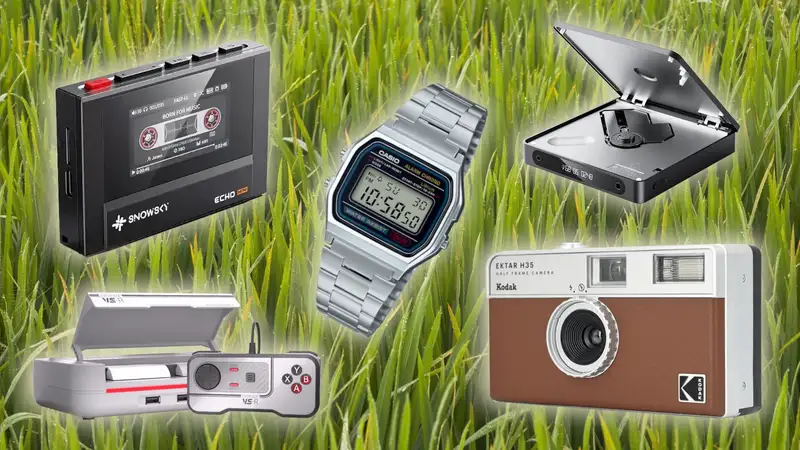
The compact disc, once dismissed as a fragile stepping stone between vinyl and streaming, is experiencing a major renaissance. Devices like the FiiO DM13 show how modern technology can elevate classic formats. Unlike the flimsy plastic disc players of the late 90s, modern interpretations combine high-fidelity audio engineering, balanced headphone outputs, and digital ripping capabilities. It allows audiophiles to collect physical albums, appreciate the sequencing of an LP as the artist intended, and bypass the compressed, low-bitrate streams of modern services.
Kodak Ektar H35: Slowing Down Photography
Smartphones have turned us into compulsive curators of thousands of meaningless, forgotten images stored in cloud servers we rarely look at. The Kodak Ektar H35, a half-frame film camera, forces a return to deliberate, mindful photography. Because it shoots two exposures per standard 35mm frame, it dramatically cuts down the high cost of modern film development while maintaining the charm, grain, and physical permanence of analog photography.

Casio A158WA: Escaping the Smartwatch Notification Trap
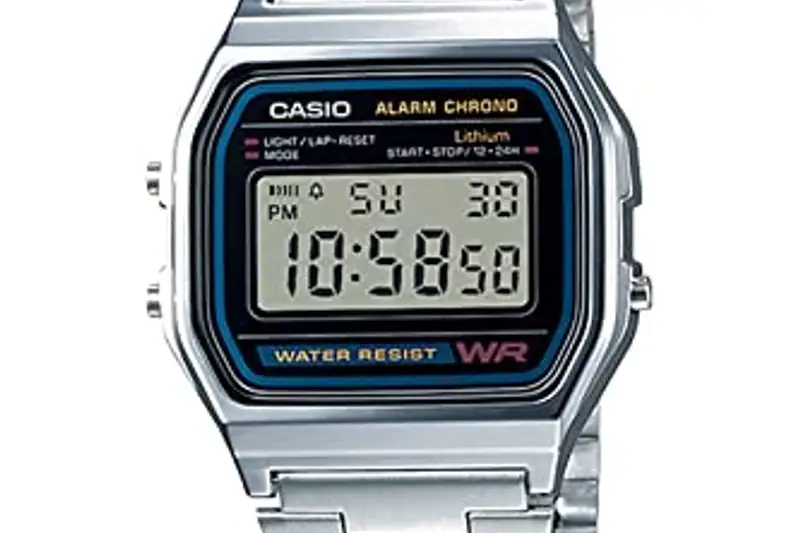
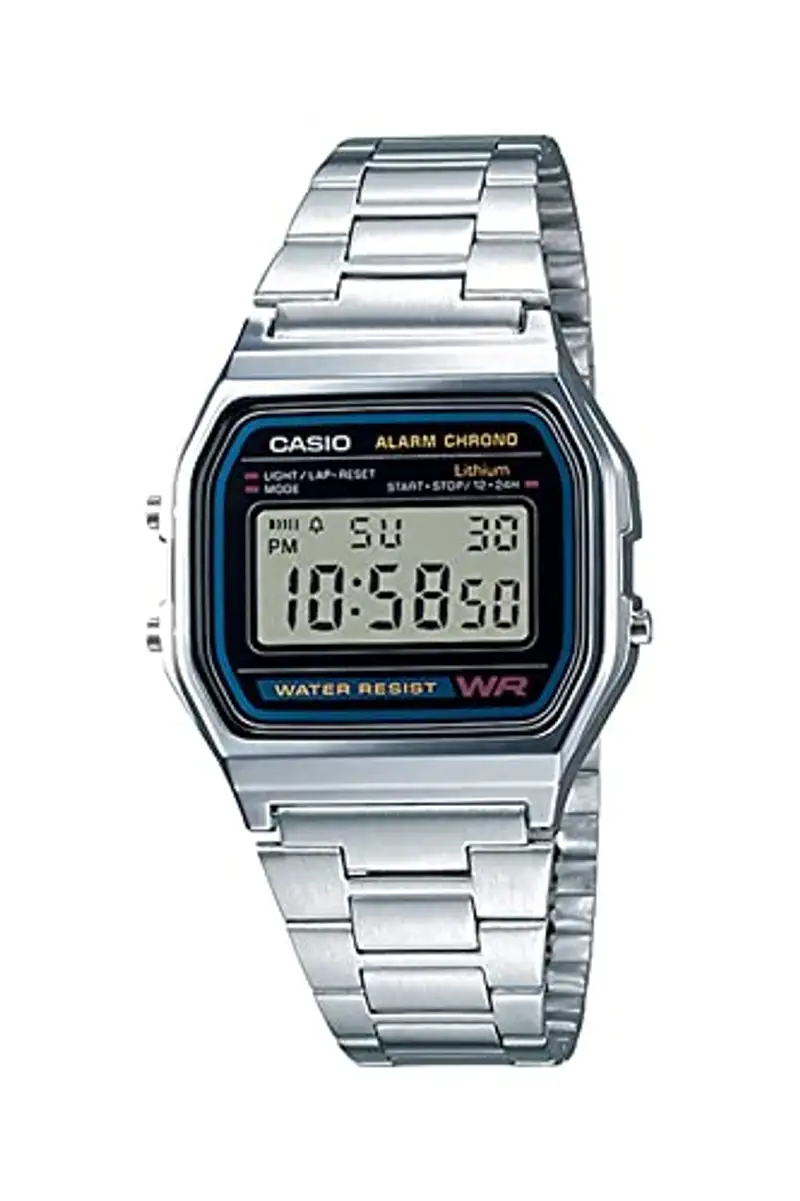
The modern smartwatch has turned our wrists into an extension of the corporate workspace, vibrating with emails, Slack pings, and calorie reminders. The timeless Casio A158WA series offers an elegant escape. It tells the time, features a basic alarm, holds a charge for years, and demands absolutely nothing from your cognitive bandwidth.
Qnews24h insight
The modern "de-digitization" movement is often dismissed by Silicon Valley executives as a transient, aesthetic trend driven by Gen Z novelty-seeking on TikTok. This is a profound miscalculation. The migration toward retro hardware is a rational economic and psychological response to a broken digital ecosystem. When streaming subscriptions collectively cost more than a premium cable package of yore, and when video game publishers openly state that gamers should get "comfortable with not owning their games," buying physical media or a cartridge-based console like the Evercade VS-R is a highly logical financial pivot.
True media preservation cannot exist in a purely digital, DRM-restricted cloud. As long as tech conglomerates prioritize recurring subscription revenue and algorithmic control over user autonomy, the secondary market for physical media and offline-first gadgets will continue to transform from a niche hobby into a mainstream necessity. The future of technology might not be more screens, but rather, knowing when to turn them off.
Sources
- Based on editorial insights and tech trends compiled by GamesRadar: GamesRadar+ Retro Hardware Feature
Why it matters
The shift toward physical media and single-utility hardware represents a fundamental realignment of how we consume culture. For the past fifteen years, the tech industry has sold us on the dream of the cloud—the promise that physical clutter could be completely replaced by lightweight digital subscriptions. However, in 2024, that dream has soured into a landscape of fragmented streaming platforms, dynamic price hikes, and licensing agreements that allow companies to delete movies, music, and games from users' libraries without warning or compensation.
Background
To understand the current resurgence of 1990s-era hardware, one must look at the trajectory of digital distribution over the last two decades. The early 2000s saw the democratization of media through MP3s and digital ripping, which promised liberation from bulky physical formats. This evolved into the platform era of the 2010s, where Spotify, Netflix, and digital storefronts made physical media seem utterly obsolete. However, as these platforms matured, their limitations became glaringly obvious. The 'rentership economy' took hold, meaning consumers never actually owned the art they paid for. The sudden revival of vinyl records in the late 2010s was the first major warning shot to the tech...
The modern 'de-digitization' movement is often dismissed by Silicon Valley executives as a transient, aesthetic trend driven by Gen Z novelty-seeking. This is a profound miscalculation. The migration toward retro hardware is a rational economic and psychological response to a broken digital ecosystem. When streaming subscriptions collectively cost more than a premium cable package, and when video game publishers openly state that gamers should get 'comfortable with not owning their games,' buying physical media or a cartridge-based console like the Evercade VS-R is a highly logical financial pivot.
References
Editorial information
The editorial team reviews sources, adds context, and structures stories so readers can understand the news more clearly.
Article from QNEWS24H
Comments
(0)No comments yet. Be the first to share your thoughts.