Why Dawn of War 2's 'The Last Stand' Remains the Ultimate Co-op MOBA That Never Was
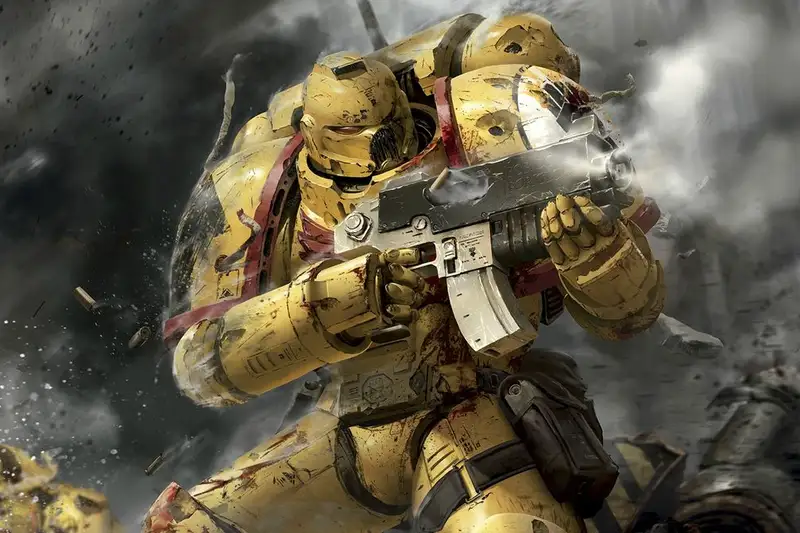
- The Last Stand mode in Dawn of War 2 remains a highly active co-op experience even 15 years after the game's final expansion.
- The mode functions as a PvE MOBA, stripping away RTS base-building to focus on single-hero tactical gameplay and deep build customization.
- Players can experience the mode today via the 2024 Dawn of War 2: Anniversary Edition, which includes all original expansions.
For decades, real-time strategy (RTS) players have relied on a sacred ritual to bridge the skill gaps between friends: the "comp stomp." You gather a group of varying experience levels, team up against computer-controlled opponents, and spend an evening trying to coordinate without anyone getting utterly crushed. But anyone who has spent a Friday night doing this knows the harsh truth—traditional comp stomps usually fall flat. RTS bots either cheat relentlessly to compensate for their lack of tactical depth or crumble instantly under the slightest pressure, leaving players with a hollow victory. Yet, in the autumn of 2009, Relic Entertainment quietly cracked this design puzzle, delivering a cooperative experience so ahead of its time that players are still matchmaking in it today.
Quick summary
- A Tactical Masterpiece: "The Last Stand" stripped away traditional RTS base-building, leaving players with a single hero unit fighting through 20 increasingly brutal waves of enemies.
- A Pioneer of Its Era: Launching in October 2009—the exact same month as League of Legends—the mode laid the groundwork for a cooperative PvE MOBA that mainstream developers largely ignored.
- Modern Accessibility: While the standalone version was delisted from Steam, the entire experience remains active and playable today through the 2024 release of Dawn of War 2: Anniversary Edition.
Why it matters
The gaming landscape is currently dominated by cooperative horde shooters like Space Marine 2 and Helldivers 2, yet the industry has almost entirely abandoned the isometric, tactical perspective for cooperative play. "The Last Stand" proved that tactical micro-management could be incredibly satisfying without the stress of competitive PvP matchmaking. By blending RPG progression, RTS controls, and MOBA-style hero abilities, it offered a gateway for casual players to enjoy the grimdark Warhammer 40,000 universe without needing to master complex economic build orders.
Background
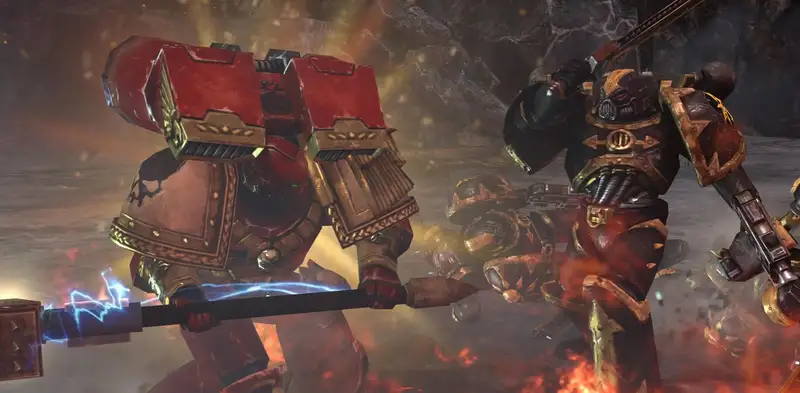
When Relic Entertainment released Warhammer 40,000: Dawn of War 2 in early 2009, it was a massive departure from its predecessor. Out went the massive armies and sprawling base-building of the original game, replaced by cover-based, small-scale squad tactics. While this shift polarized the traditional RTS community, it set the perfect stage for "The Last Stand," which arrived as a free update later that year.
The mode was so popular that in 2011, Sega spun it off as a budget-priced standalone title on Steam called The Last Standalone. Though that specific listing has since been retired, the legacy lives on. Today, the definitive way to experience the mode is through the Dawn of War 2: Anniversary Edition, a 2024 compilation that brings together the base game alongside its major expansions, Chaos Rising and Retribution.
The Mechanics of a Perfect Hybrid
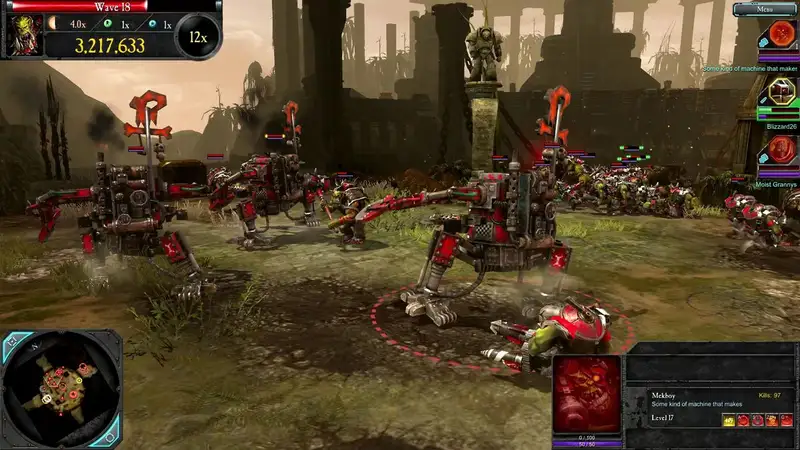
At its core, "The Last Stand" operates on a simple premise: three players select a single hero commander and work together to survive 20 waves of hostile forces. The pacing is deliberate. Early waves feature fragile Ork boyz and Tyranid gaunts, allowing players to get a feel for their abilities. Soon, however, the game introduces devastating artillery, heavy armor, and massive boss units that require precise coordination to take down.
By restricting players to a single unit, Relic effectively created a PvE MOBA. Players manage cooldowns, position themselves behind cover, and coordinate crowd-control abilities. It offers the high-intensity micro-management of competitive multiplayer games but packages it in a stress-free, cooperative environment where players are united against a common threat rather than screaming at each other in a chat lobby.
Unmatched Build Variety and the Grimdark Vibe
What keeps players returning to "The Last Stand" 15 years after its final expansion is its incredibly deep progression and itemization system. As heroes level up, they unlock new wargear—weapons, armor, and accessories—that completely redefine how they play.
For instance, a Space Marine Captain can be built as a tanky melee powerhouse wielding lightning claws, or as a support-oriented commander providing healing auras and ranged fire from a heavy bolter. The Ork Mekboy can teleport erratically around the battlefield dropping mines, while the Chaos Sorcerer can summon doppelgangers or melt entire squads with psychic fire. This level of customization ensures that no two matches feel exactly the same, encouraging players to experiment with team compositions to maximize their survival chances.
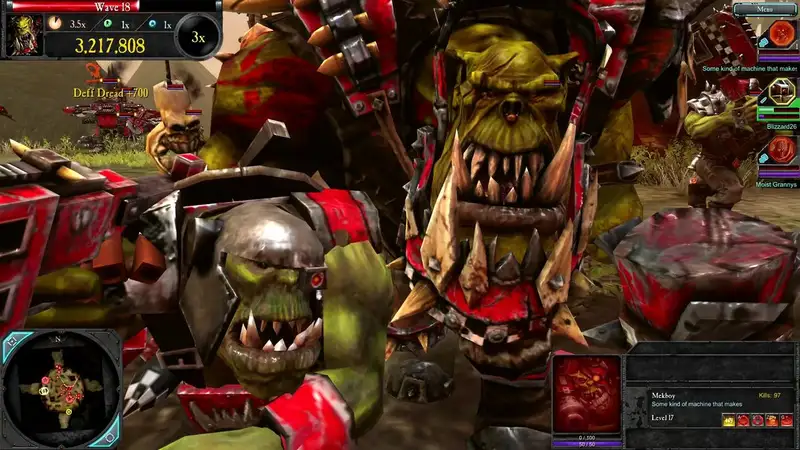
The Brutality of Wave 16
Rather than using artificial difficulty scaling like giving enemies massive health bars, "The Last Stand" uses clever tactical challenges to pressure players. The most infamous example of this is Wave 16, which spawns exact clones of the players' own heroes, equipped with the same high-level gear and abilities they brought into the match. Fighting your own min-maxed creations—who can also revive each other—requires genuine tactical improvisation and a deep understanding of your own build's weaknesses.
Qnews24h insight
The enduring popularity of "The Last Stand" highlight a significant missed opportunity in modern game development. When the MOBA boom occurred in the early 2010s, developers focused almost exclusively on the highly competitive, PvP aspects of the genre (exemplified by Dota 2 and League of Legends). In doing so, they left the cooperative PvE MOBA space virtually empty.
While modern action games like Space Marine 2 capture the visceral thrill of fighting Warhammer's horrors in third-person, they lack the broad strategic overview that an isometric camera provides. Relic’s formula proved that tactical strategy could be highly accessible without sacrificing complexity. As rumors and fan wishes for a potential Dawn of War 4 continue to circulate, any future developer would do well to realize that reviving "The Last Stand" is just as important as perfecting traditional base-building RTS mechanics.
Sources
Originally reported and analyzed by PC Gamer.
Why it matters
The lasting appeal of 'The Last Stand' highlights a major gap in the modern gaming market: the lack of high-quality, isometric PvE MOBAs. While developers spent a decade chasing competitive PvP formulas, Relic's co-op gem proved there is a dedicated, long-term audience for tactical, non-toxic cooperative play.
Background
Released in 2009, Warhammer 40,000: Dawn of War 2 shifted away from classic RTS base construction to lean into tactical squad mechanics. 'The Last Stand' was introduced as a free wave-survival mode, later spawning a standalone release in 2011. In 2024, Sega consolidated these experiences into the Anniversary Edition.
The longevity of 'The Last Stand' is a testament to perfect mechanical synergy rather than nostalgia. By combining deep RPG progression (wargear) with tactical RTS positioning, Relic solved the 'comp stomp' dilemma, proving that PvE strategy games can have infinite replayability when designed around player agency and build diversity.
References
Editorial information
The editorial team reviews sources, adds context, and structures stories so readers can understand the news more clearly.
Article from QNEWS24H
Comments
(0)No comments yet. Be the first to share your thoughts.