Cracked Smartphone Screen? The Truth About Tempered Glass Protectors

- Applying a screen protector to a cracked smartphone screen offers temporary physical safety from sharp glass fragments and helps contain damage.
- This measure does not restore the screen's original durability or repair the underlying structural damage, providing only a false sense of security.
- A cracked display immediately compromises the device's water resistance, and liquid UV-cured adhesives must be strictly avoided to prevent internal component damage.
- Users should prioritize professional screen replacement as soon as financially viable, as temporary protectors are merely short-term workarounds, not genuine repairs.
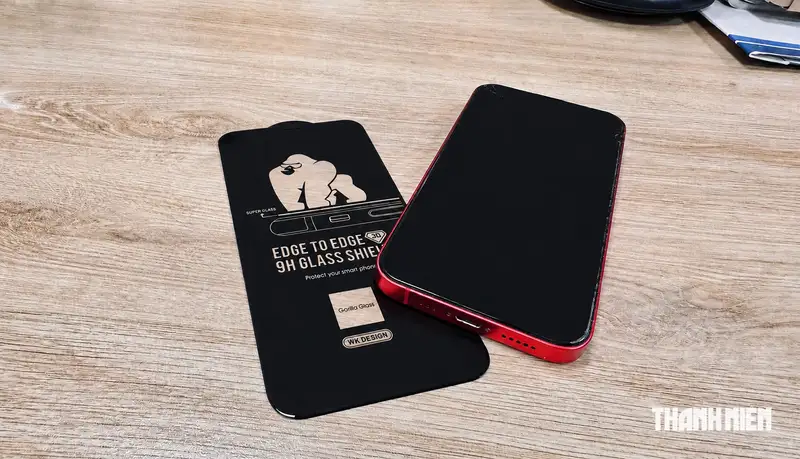
Few things are as instantly disheartening as the sight of a cracked smartphone screen after an accidental drop. The immediate thought often turns to the costly repair bill, prompting many users to explore quick, do-it-yourself solutions. Among the most popular temporary fixes is applying a new tempered glass screen protector directly over the damaged display. While this method might offer a superficial sense of security and prevent injury from loose glass fragments, experts consistently warn that it's a stopgap measure at best, failing to address the underlying structural damage and potentially introducing further complications.
Quick summary
- Applying a screen protector to a cracked smartphone screen offers temporary physical safety from sharp glass fragments and helps contain damage.
- This measure does not restore the screen's original durability or repair the underlying structural damage, providing only a false sense of security.
- A cracked display immediately compromises the device's water resistance, and liquid UV-cured adhesives must be strictly avoided to prevent internal component damage.
- Users should prioritize professional screen replacement as soon as financially viable, as temporary protectors are merely short-term workarounds, not genuine repairs.
Why it matters
The decision of how to handle a cracked smartphone screen extends beyond mere aesthetics; it has significant implications for device functionality, user safety, and long-term financial cost. For users, a visibly cracked screen can be a daily annoyance, but more critically, exposed glass shards pose a real risk of cuts and scrapes. Beyond the immediate physical hazard, a compromised screen means the device loses its original dust and water resistance, leaving sensitive internal components vulnerable to environmental damage from moisture, dust, and debris. Relying on a temporary fix without addressing the core damage can lead to more extensive, and thus more expensive, repairs down the line, potentially even rendering the device irreparable. Furthermore, a damaged screen significantly diminishes the resale value of a phone, turning a valuable asset into a liability.
Background
Smartphone screens have become increasingly durable over the years, with innovations like Gorilla Glass leading the charge in impact and scratch resistance. However, no screen is truly impervious to damage, and accidental drops remain a leading cause of smartphone casualties. The repair market has grown exponentially alongside the mobile industry, with screen replacements often representing a substantial portion of a device's total cost, sometimes approaching half its original price. This high cost drives many users to seek less expensive alternatives. Historically, solutions ranged from simply enduring a cracked screen to applying basic plastic films, which offered minimal protection. The advent of tempered glass screen protectors, designed to absorb impact and protect pristine screens, naturally led users to wonder if they could serve a similar, albeit remedial, purpose on an already damaged display. This pragmatic, yet often misguided, approach stems from a desire to extend the life of an expensive device without incurring immediate, significant repair expenses.
Navigating a Cracked Display: Practical Advice
Before considering any temporary measures, a thorough assessment of the screen's damage is paramount. Not all cracks are created equal, and the appropriate response varies significantly based on the severity and nature of the damage.
Assessing the Damage and Choosing Your Protector
For minor cosmetic damage, such as hairline cracks or small spiderweb fractures that haven't compromised the display's functionality, a rigid tempered glass protector might offer a reasonable degree of temporary mitigation. It can help prevent further spread of small cracks by distributing minor impacts and, crucially, keep glass fragments from flaking off. However, if the screen is severely shattered, with large pieces missing or extensive fragmentation, a flexible plastic film protector is often the better choice. Its pliability allows it to conform better to uneven surfaces and more effectively contain loose shards, significantly reducing the risk of injury.
Immediate Risks: Water Resistance and Internal Damage
One of the most critical considerations is the immediate loss of a smartphone's water and dust resistance once its screen is cracked. The integrity of the seals designed to protect internal components is compromised, making the device highly susceptible to liquid ingress. This risk is further exacerbated by certain types of screen protectors. Specifically, liquid UV glue protectors, which require a liquid adhesive to cure under UV light, must be avoided at all costs on a cracked screen. The liquid adhesive can seep through any crack or fissure, making its way into the phone's delicate internal circuitry and causing irreparable damage to components like the motherboard, battery, or cameras.
Pre-Application Checks and Data Security
Before applying any protector to a damaged screen, users should meticulously check all primary functionalities of the device. Verify that the touch sensitivity is still responsive across the entire screen, test the fingerprint sensor or Face ID if applicable, and ensure the front-facing camera and any proximity sensors are working correctly. Any existing issues indicate deeper damage that a protector cannot fix and will likely worsen over time. Furthermore, given the inherent risks involved with a compromised screen, backing up all data to a cloud service or a computer is an indispensable step. This precautionary measure ensures that precious photos, contacts, and other vital information are not lost in the event of further damage or a complete device failure.
Application Techniques for Damaged Screens
When applying a protector to a cracked screen, the process demands extra care. Begin by gently wiping the screen with a clean, lint-free microfiber cloth. Avoid using any liquid cleaning solutions, as these can easily seep into cracks and cause internal damage. The application itself should be done with minimal pressure. Applying too much force can cause existing cracks to propagate or new ones to form. It's common for air bubbles to appear beneath the protector on a cracked screen. Unlike on a pristine screen where bubbles suggest poor application, on a damaged display, they often indicate the unevenness of the fractured surface. Do not attempt to forcefully smooth them out, as this can exacerbate the damage. Accept that the primary goal is temporary containment and protection, not a flawless finish.
Qnews24h insight
While the immediate allure of a cheap, quick fix for a cracked smartphone screen is understandable, our analysis suggests that applying a screen protector over existing damage is a classic example of a temporary solution that defers, rather than resolves, a critical problem. It offers a crucial safety benefit by preventing physical injury and buying users time, which can be invaluable given the high cost of screen replacements. However, this act of deferral carries an inherent risk: it creates a false sense of security, often leading users to underestimate the underlying damage and the rapid degradation of key device features like water resistance. The decision to 'patch' a screen, while pragmatic in the short term, highlights a broader consumer dilemma where cost-saving measures can inadvertently lead to greater expenses or even total device loss if the fundamental issues are not addressed professionally and promptly. It's a trade-off that often prioritizes immediate financial relief over the long-term health and functionality of an indispensable personal device.
Sources
Frequently Asked Questions
Q1: Can a tempered glass protector really repair my cracked phone screen?
A1: No, a tempered glass protector cannot repair a cracked phone screen. It is a temporary measure designed to provide a smoother surface, contain glass fragments, and offer a slight layer of protection against further minor impacts. It does not restore the screen's structural integrity or fix any underlying damage to the display panel or touch functionality.
Q2: Will applying a screen protector to a cracked screen make my phone waterproof again?
A2: Absolutely not. A cracked screen inherently compromises your phone's water and dust resistance, as the factory seals are broken. Applying a screen protector will not restore this protection. In fact, using liquid-based glues for certain protectors can even cause liquid to seep through the cracks and damage internal components, making the situation worse.
Q3: What are the biggest risks of putting a screen protector on a cracked display?
A3: The biggest risks include a false sense of security leading to delayed professional repair, which can result in more severe damage over time. There's also the immediate loss of water resistance, making the device vulnerable to liquid damage. Furthermore, certain types of liquid adhesives (like UV glue) can seep into cracks and damage internal electronics. Finally, the damaged screen might still have compromised touch sensitivity or display issues that the protector won't fix, potentially worsening with use.
Q4: When should I definitely seek professional repair instead of using a temporary protector?
A4: You should seek professional repair immediately if your screen exhibits more than just minor cracks. This includes issues like black ink-like spots, colorful lines or pixelation on the display, unresponsive touch functionality, or significant glass fragmentation. These symptoms indicate damage beyond the top glass layer, requiring a full screen replacement for proper functionality and to prevent further internal damage.







Why it matters
The decision of how to handle a cracked smartphone screen extends beyond mere aesthetics; it has significant implications for device functionality, user safety, and long-term financial cost. For users, a visibly cracked screen can be a daily annoyance, but more critically, exposed glass shards pose a real risk of cuts and scrapes. Beyond the immediate physical hazard, a compromised screen means the device loses its original dust and water resistance, leaving sensitive internal components vulnerable to environmental damage from moisture, dust, and debris. Relying on a temporary fix without addressing the core damage can lead to more extensive, and thus more expensive, repairs down the line,...
Background
Smartphone screens have become increasingly durable over the years, with innovations like Gorilla Glass leading the charge in impact and scratch resistance. However, no screen is truly impervious to damage, and accidental drops remain a leading cause of smartphone casualties. The repair market has grown exponentially alongside the mobile industry, with screen replacements often representing a substantial portion of a device's total cost, sometimes approaching half its original price. This high cost drives many users to seek less expensive alternatives. Historically, solutions ranged from simply enduring a cracked screen to applying basic plastic films, which offered minimal protection. The...
While the immediate allure of a cheap, quick fix for a cracked smartphone screen is understandable, our analysis suggests that applying a screen protector over existing damage is a classic example of a temporary solution that defers, rather than resolves, a critical problem. It offers a crucial safety benefit by preventing physical injury and buying users time, which can be invaluable given the high cost of screen replacements. However, this act of deferral carries an inherent risk: it creates a false sense of security, often leading users to underestimate the underlying damage and the rapid degradation of key device features like water resistance. The decision to 'patch' a screen, while...
References
Editorial information
The editorial team reviews sources, adds context, and structures stories so readers can understand the news more clearly.
Article from QNEWS24H
Comments
(0)No comments yet. Be the first to share your thoughts.