Cracked Phone Screen? Avoid These DIY Fixes That Cause More Damage

- Avoid common DIY screen repair 'hacks' like WD-40, toothpaste, super glue, and nail polish, as they can cause extensive and irreversible damage to your smartphone.
- These substances can harm crucial screen layers, damage internal components, void warranties, and make professional repair significantly more difficult or impossible.
- For minor cracks, temporary solutions like a screen protector or clear tape can prevent immediate spread, but are not long-term fixes.
- The safest and most effective solution for a cracked phone screen is always professional repair, which ensures proper techniques, genuine parts, and device longevity.
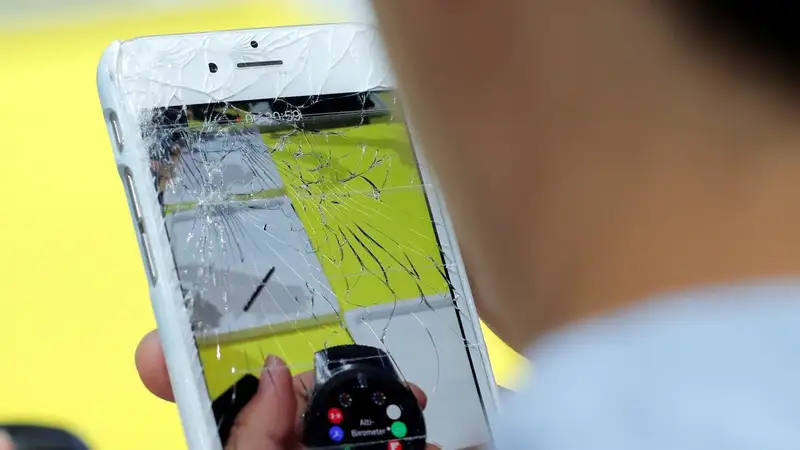
The sudden sight of a spiderweb crack across a smartphone screen is a universal moment of dread. In the immediate aftermath, the natural impulse for many is to seek a quick, cost-effective fix. A quick online search reveals a plethora of do-it-yourself (DIY) remedies, promising to magically restore the device. Yet, what often appears as ingenious life hacks are, in reality, perilous pitfalls that can transform a manageable repair into a catastrophic device failure.
Quick summary
- Avoid common DIY screen repair 'hacks' like WD-40, toothpaste, super glue, and nail polish, as they can cause extensive and irreversible damage to your smartphone.
- These substances can harm crucial screen layers, damage internal components, void warranties, and make professional repair significantly more difficult or impossible.
- For minor cracks, temporary solutions like a screen protector or clear tape can prevent immediate spread, but are not long-term fixes.
- The safest and most effective solution for a cracked phone screen is always professional repair, which ensures proper techniques, genuine parts, and device longevity.
Why it matters
Ignoring expert advice against DIY screen repairs carries significant consequences for smartphone owners. Attempting to fix a cracked screen with unapproved substances can lead to far greater financial outlay than the initial cost of professional repair. Beyond the visible damage to the screen's surface, these home remedies can seep into internal circuitry, corroding delicate components, short-circuiting electrical pathways, or permanently affixing debris. This not only compromises the device's functionality and potentially its data security but also almost certainly voids any remaining manufacturer's warranty, leaving consumers with no recourse for further issues. In essence, a misguided attempt to save a small sum upfront can result in the complete loss of a valuable device and its contents.
Background
The ubiquity of smartphones has fundamentally changed how we interact with the world, making a damaged device a significant disruption. Modern smartphones, designed with large, edge-to-edge glass displays for immersive experiences, are inherently more susceptible to screen damage compared to the more robust, plastic-bodied phones of previous generations. This shift in design, prioritizing aesthetics and functionality, has inadvertently fueled a robust repair industry and, concurrently, a thriving ecosystem of online DIY 'fixes'.
The internet, a double-edged sword, offers both legitimate repair guides and a vast array of questionable advice, often disseminated through viral videos and social media posts promising miraculous, low-cost solutions. This proliferation of unverified information, coupled with the often-high cost of official repairs, creates a strong temptation for users to try their hand at home remedies. However, without the specialized tools, knowledge, and understanding of complex smartphone architecture, these attempts frequently exacerbate the problem, turning a simple screen replacement into a more intricate and expensive repair—or worse, rendering the device irreparable.
The Hidden Dangers of Home Remedies
While the allure of a quick, cheap fix for a cracked smartphone screen is understandable, many popular DIY methods pose significant risks, often escalating minor damage into irreversible hardware failures. Understanding why these seemingly innocuous solutions are detrimental is crucial for any smartphone owner facing a damaged display.
The Misguided Appeal of WD-40 and Lubricants
One common but highly ill-advised suggestion involves using products like WD-40 or other oil-based lubricants to 'fill' screen cracks. WD-40 is primarily a water dispersant and penetrating oil, not a screen repair solution. Modern smartphone screens are coated with an oleophobic (oil-repellent) layer designed to prevent fingerprints and smudges. Applying WD-40 directly attacks and degrades this essential coating, making the screen more susceptible to smudges, harder to clean, and potentially affecting touch sensitivity.
Furthermore, liquids—especially petroleum-based ones—can easily seep through microscopic cracks into the phone's internal components. This ingress can lead to corrosion of sensitive circuits, short-circuits, and long-term hardware degradation. Even if the immediate effect isn't catastrophic, the long-term presence of such chemicals within the device can cause intermittent failures, reduce battery life, and compromise the phone's overall integrity.
Toothpaste and Abrasive Pastes: Abrasions, Not Solutions
Another widely circulated 'hack' suggests using toothpaste to buff out scratches or fill in cracks. This advice stems from toothpaste's mild abrasive properties, typically used for polishing teeth. However, a smartphone screen's glass is a highly engineered, delicate surface. Applying abrasive toothpaste will not fill cracks; instead, it will inevitably cause more superficial scratches and haze on the glass or its protective coatings.
These micro-abrasions diminish the screen's clarity and tactile smoothness. Moreover, the paste can get lodged in the cracks, attracting dust and moisture, creating a breeding ground for further damage. Once the oleophobic layer is compromised by abrasion, the screen's protective qualities are permanently impaired, making it even more vulnerable to future damage and difficult to maintain.
Super Glue and Nail Polish: Sealing in Damage, Not Repairing It
The idea of using super glue or clear nail polish to seal a crack might seem logical to some, but it is one of the most destructive DIY methods. These substances are designed for permanent adhesion and, once applied, are incredibly difficult, if not impossible, to remove without causing further damage.
Super glue and nail polish can instantly obscure the screen, creating visible distortions that degrade the viewing experience. More critically, they can seep into the various layers of the display (glass, digitizer, LCD/OLED panel) and even deeper into the phone's internal components. This can permanently bond these layers together, make the screen unresponsive, or damage the delicate backlight and display circuitry. If a professional repair becomes necessary, the presence of these hardened chemicals will exponentially increase the difficulty and cost of the repair, as technicians will have to contend with dismantling a permanently adhered, chemically compromised display, often leading to a need for more extensive component replacement.
What to Do When Your Screen Cracks: Practical Steps
Upon discovering a cracked screen, immediate and informed action is key to mitigating further damage. For very minor, hairline cracks, a temporary measure can involve applying a high-quality screen protector film or a piece of clear packing tape over the affected area. This can help prevent the crack from spreading and protect against shards of glass, but it is not a permanent solution and does not address potential underlying damage to the digitizer or display panel.
For any significant crack, or if the display's functionality (touch response, image quality) is compromised, the only truly effective and safe recourse is professional repair. Service centers possess the specialized tools, expertise, and genuine replacement parts required to properly dismantle, replace, and reassemble your device without causing additional harm. While the cost for a screen replacement can range from approximately $70 to $400 USD depending on the phone model and complexity, this investment ensures the longevity and proper functioning of your device, often coming with a warranty for the repair.
Qnews24h Insight: The True Cost of 'Saving' Money
The allure of the quick, inexpensive DIY fix for a cracked smartphone screen is a powerful one, tapping into a common human desire to save money and solve problems independently. However, the reality of modern smartphone engineering often renders such attempts counterproductive. Contemporary devices are intricate ecosystems of tightly integrated components, where a seemingly simple glass crack can mask damage to underlying digitizers, display panels, and even internal logic boards.
Our analysis suggests that the perceived immediate savings from DIY methods are almost invariably offset by the hidden, long-term costs. These include the necessity of more expensive professional repairs later, the premature replacement of an entire device, or the loss of invaluable data. While a burgeoning 'right to repair' movement advocates for greater user autonomy, it must be balanced against the inherent complexity of current technology. For most consumers, investing in professional repair, despite the initial sticker shock, represents a more judicious and ultimately more economical approach to maintaining device health and ensuring continued functionality. It underscores a crucial trade-off: convenience and perceived savings versus the genuine security and longevity that expert service provides.
Sources
FAQ
Q: Can a cracked phone screen be dangerous?
A: Yes, a severely cracked screen can be dangerous. The sharp edges of broken glass can cut your fingers, and moisture or debris can easily penetrate the phone's interior, leading to further damage, short-circuits, or even battery issues that could pose a fire risk.
Q: Will using super glue on my cracked screen void my phone's warranty?
A: Absolutely. Using unapproved substances like super glue or nail polish on your phone's screen is considered unauthorized modification or damage. This will almost certainly void your manufacturer's warranty, leaving you responsible for the full cost of any subsequent repairs.
Q: How can I temporarily protect a small crack on my phone screen?
A: For very minor cracks, you can temporarily cover the affected area with a screen protector film or a piece of clear packing tape. This can help prevent the crack from spreading, keep out dust and moisture, and protect your fingers from sharp edges. However, this is not a permanent fix and professional repair should still be considered.
Q: What is an oleophobic coating and why is it important for my phone screen?
A: An oleophobic coating is a microscopic, oil-repellent layer on your phone screen that helps resist fingerprints, smudges, and grease. It also contributes to the smooth feel of the screen. Damaging this coating, for example, by using abrasive materials or certain chemicals, makes your screen more prone to smudges and harder to clean.







Why it matters
Ignoring expert advice against DIY screen repairs carries significant consequences for smartphone owners. Attempting to fix a cracked screen with unapproved substances can lead to far greater financial outlay than the initial cost of professional repair. Beyond the visible damage to the screen's surface, these home remedies can seep into internal circuitry, corroding delicate components, short-circuiting electrical pathways, or permanently affixing debris. This not only compromises the device's functionality and potentially its data security but also almost certainly voids any remaining manufacturer's warranty, leaving consumers with no recourse for further issues. In essence, a misguided...
Background
The ubiquity of smartphones has fundamentally changed how we interact with the world, making a damaged device a significant disruption. Modern smartphones, designed with large, edge-to-edge glass displays for immersive experiences, are inherently more susceptible to screen damage compared to the more robust, plastic-bodied phones of previous generations. This shift in design, prioritizing aesthetics and functionality, has inadvertently fueled a robust repair industry and, concurrently, a thriving ecosystem of online DIY 'fixes'. The internet, a double-edged sword, offers both legitimate repair guides and a vast array of questionable advice, often disseminated through viral videos and social...
The allure of the quick, inexpensive DIY fix for a cracked smartphone screen is a powerful one, tapping into a common human desire to save money and solve problems independently. However, the reality of modern smartphone engineering often renders such attempts counterproductive. Contemporary devices are intricate ecosystems of tightly integrated components, where a seemingly simple glass crack can mask damage to underlying digitizers, display panels, and even internal logic boards. Our analysis suggests that the perceived immediate savings from DIY methods are almost invariably offset by the hidden, long-term costs. These include the necessity of more expensive professional repairs later,...
References
Editorial information
The editorial team reviews sources, adds context, and structures stories so readers can understand the news more clearly.
Article from QNEWS24H
Comments
(0)No comments yet. Be the first to share your thoughts.