Contested 'Family Values' Charter Threatens Decades of Women's and LGBTQ+ Rights in Africa

- The draft African charter on family, sovereignty, and values seeks to reject international human rights obligations, labeling reproductive rights and comprehensive sex education...
- Spearheaded by Ugandan government ministers and conservative lawmakers, the initiative aims to build a continent-wide coalition to pass the treaty at the African Union general...
- Human rights advocates and legal scholars warn the charter is a strategic effort to bypass the landmark 2003 Maputo Protocol and insulate gender-based violence from state...
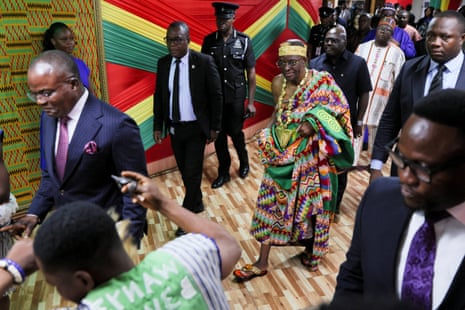
A highly contested draft treaty aimed at fundamentally restructuring the legal protections for women, children, and LGBTQ+ communities across Africa has cleared a major legislative milestone. Gathering in Accra, Ghana, delegates from 20 African nations met to advance the proposed "African charter on family, sovereignty and values"—a regional convention that critics argue is designed to dismantle decades of progress in human rights and gender equality under the banner of protecting traditional cultures from foreign influence.
Quick summary
- The draft charter seeks to reject international human rights obligations, labeling reproductive health services and comprehensive sexuality education as existential threats to the traditional African family.
- Spearheaded by Ugandan government ministers and conservative lawmakers, the initiative aims to build a continent-wide coalition to pass the treaty at the African Union general assembly.
- Human rights advocates and legal scholars warn the charter is a strategic effort to bypass the landmark 2003 Maputo Protocol and insulate gender-based violence from state accountability.
Why it matters
The progression of this draft charter marks a coordinated shift in how conservative policy is being legislated across the African continent. Rather than fighting human rights provisions country by country, conservative coalitions are seeking to build an overarching, legally binding regional framework. If adopted by the African Union, this treaty would give member states a legal justification to withdraw from existing human rights instruments, effectively reversing protections against child marriage, female genital mutilation, and gender discrimination.
Furthermore, by elevating the rights of the "family" unit above the individual, the charter risks shielding domestic abusers from state intervention. Under this framework, children's and women's rights are subordinated to parental and marital authority, leaving vulnerable individuals within the private sphere without recourse to national or international human rights courts.
Background
For more than two decades, the Maputo Protocol (the Protocol to the African Charter on Human and Peoples' Rights on the Rights of Women in Africa), adopted in 2003, has stood as the gold standard for women's rights on the continent. It explicitly guarantees comprehensive reproductive health rights, calls for the elimination of harmful traditional practices, and demands economic and social equality for women.
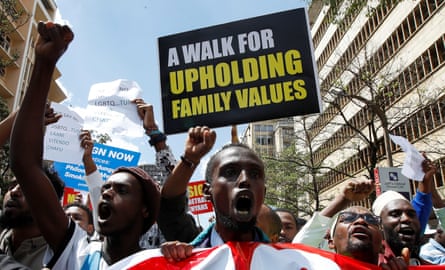
However, over the last several years, a growing counter-movement has taken root. Driven by annual inter-parliamentary conferences on family values and sovereignty, conservative lawmakers—predominantly from Uganda—have sought to draft legislation to push back against what they characterize as "western cultural imperialism." This movement has already successfully influenced highly restrictive anti-homosexuality laws in countries like Uganda and Ghana. The newly drafted charter represents the culmination of these efforts, attempting to codify these restrictive sentiments into a single pan-African treaty.
Dismantling the Legacy of the Maputo Protocol
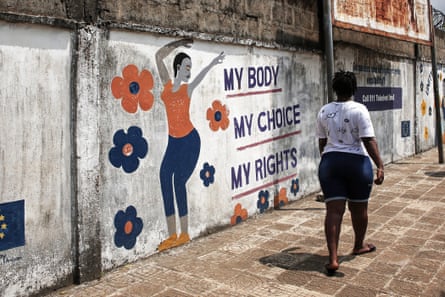
The draft charter explicitly urges African states to withdraw from any international or regional agreements that do not align with its moralistic principles. Legal experts note that this is a direct, targeted attack on the Maputo Protocol. By framing sexual and reproductive health as a "foreign ideology," the authors of the charter aim to dismantle established frameworks that protect women's bodily autonomy and provide access to lifesaving maternal healthcare.
The Paradox of 'Anti-Colonial' Rhetoric Driven by US Money
One of the most striking aspects of the charter is its reliance on anti-colonial rhetoric to reject progressive policies, while simultaneously utilizing legal and ideological frameworks imported from conservative Christian groups in the United States and Europe. The draft document directly references the Geneva Consensus Declaration, an anti-abortion document spearheaded by Trump administration officials, and mirrors campaigns run by Arizona-based lobbying groups like Family Watch International (FWI).
Feminist groups in Africa have pointed out this hypocrisy, arguing that Western conservative interest groups are using the African continent as a surrogate battleground for their own domestic culture wars. By funding conferences, drafting model legislation, and advising African lawmakers, these foreign entities have successfully disguised their ideologies as native African traditions.
Qnews24h insight
The emergence of this charter reveals a highly organized and sophisticated evolution in global conservative lobbying. Instead of defending local traditions, the sponsors of this treaty are codifying a very specific, Western-influenced evangelical worldview under the guise of indigenous sovereignty. This strategy relies on creating a false binary: positioning basic healthcare and human rights as "neocolonialism" while presenting foreign-funded conservative doctrine as "authentic African culture."
This is a dangerous geopolitical shift. By attempting to take this charter to the African Union general assembly, conservative forces are testing their ability to override international treaties. If successful, it could establish a legal precedent for nations worldwide to unilaterally opt out of human rights treaties whenever those treaties conflict with the ruling class's definition of "traditional values." This would undermine the very foundation of universal human rights, transforming basic protections into optional national choices.
FAQs
What is the draft African charter on family, sovereignty and values?
It is a proposed treaty drafted by a coalition of conservative African lawmakers that seeks to establish a continent-wide legal framework based on strict moralistic principles. It rejects comprehensive sexuality education, defines gender strictly as binary male or female, and positions reproductive rights as an existential threat to the African family.
How does this draft affect the Maputo Protocol?
The draft charter explicitly encourages African states to withdraw from any agreements that conflict with its conservative principles. This is widely seen as an attempt to dismantle the 2003 Maputo Protocol, which is the key regional treaty protecting women's and girls' reproductive rights and gender equality.
Who is backing this proposed charter?
The charter is led by a group of African lawmakers, primarily Ugandan government ministers, and supported by conservative inter-parliamentary networks. Human rights organizations have also identified significant ideological and structural support from US-based conservative Christian organizations, such as Family Watch International.
Sources
This article is based on reporting and documentation provided by The Guardian.
Why it matters
The draft charter represents a coordinated shift toward a regional, legally binding framework that would allow African states to bypass international human rights covenants. By elevating collective family interests over individual rights, the treaty could dismantle vital protections against gender-based violence, early marriage, and female genital mutilation, leaving women and children vulnerable to private-sphere abuses without legal recourse.
Background
Adopted in 2003, the Maputo Protocol has been the gold standard for women's rights in Africa. However, in recent years, conservative lawmakers, particularly in Uganda and Ghana, have pushed back against these provisions. This resistance has crystallized into annual conferences and drafted treaties aimed at substituting human rights with moralistic codes, often bolstered by political and rhetorical frameworks imported from US-based conservative organizations.
The 'family values' charter exposes a highly sophisticated strategy where global conservative groups use local proxy lawmakers to wage culture wars on African soil. By framing human rights as 'neocolonialism,' the authors paradoxically introduce a heavily Western-influenced evangelical agenda. This marks a dangerous trend toward institutionalizing regional loopholes within the global human rights framework.
References
Editorial information
The editorial team reviews sources, adds context, and structures stories so readers can understand the news more clearly.
Article from QNEWS24H
Comments
(0)No comments yet. Be the first to share your thoughts.