Compulsion Games Secures Independence from Xbox, Reclaims IP for 'South of Midnight'

- Compulsion Games completes management buyout, becoming an independent studio.
- The studio re-acquires full ownership of its original intellectual properties, including 'South of Midnight'.
- Xbox Game Studios will no longer take a cut from Compulsion Games' sales, shifting revenue benefits to the studio.
- The move follows industry turbulence and Xbox's widespread restructuring and layoffs.
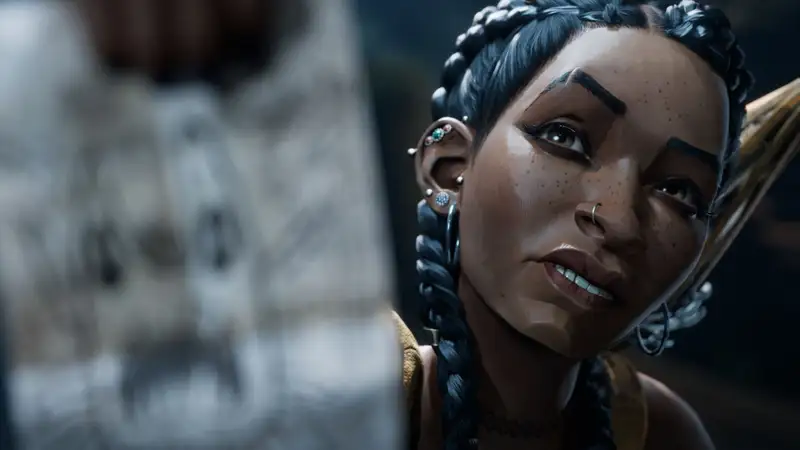
In a significant shift within the tumultuous video game industry, Compulsion Games, the acclaimed studio behind titles like We Happy Few and the eagerly anticipated South of Midnight, has officially severed ties with Xbox Game Studios. The completion of a management buyout sees the studio regain its independence, along with full ownership of its original intellectual properties, marking a pivotal moment for the Montreal-based developer.
Quick summary

- Compulsion Games has finalized a management buyout, ending its affiliation with Xbox Game Studios.
- The studio has successfully re-acquired all rights to its original intellectual properties, including the upcoming title South of Midnight.
- This transition means Compulsion Games will now retain a larger share of revenue from game sales, rather than Microsoft taking a cut.
- The move follows a period of significant restructuring and layoffs across the broader Xbox ecosystem, prompting the studio to seek an independent future.



Why it matters
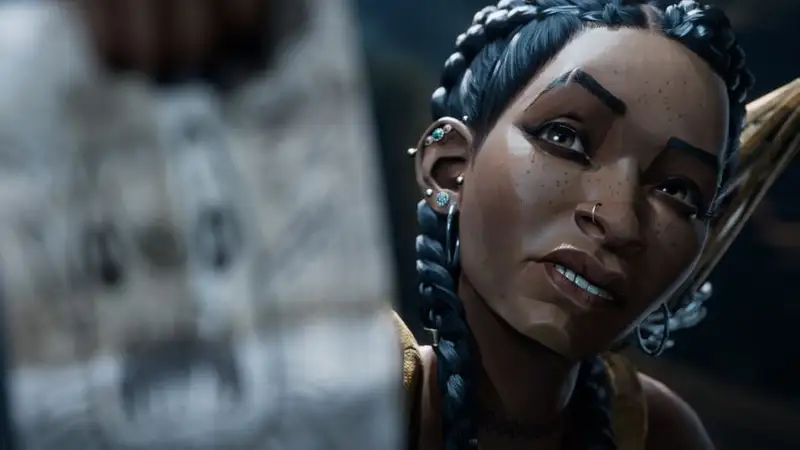
This strategic move holds substantial implications for Compulsion Games, the wider indie development scene, and even consumer choices. For Compulsion, regaining independence means greater creative and financial autonomy. The studio will now directly benefit more from its game sales, providing potentially more resources for future projects and fostering a stronger sense of ownership over its creative direction.

For players, particularly those invested in supporting independent creators or making ethical purchasing decisions, this change offers clarity. Titles like South of Midnight, previously part of the Xbox ecosystem, now stand distinctly as products from an independent studio. This distinction can influence buying patterns, especially for communities engaged in boycotts related to larger corporate affiliations, as some advocates had previously identified Compulsion's output as a possible exception due to its scale and thematic content.
Furthermore, in an industry frequently characterized by consolidation and acquisitions, a successful management buyout by a studio from a major publisher is a rare and noteworthy event. It signals a potential alternative path for developers seeking to navigate the challenges of publishing under a large corporate umbrella while retaining their unique identity and maximizing their financial upside.

Background

Compulsion Games first made its mark with unique, narrative-driven titles like 2013's Contrast and 2016's dystopian adventure, We Happy Few. Their distinct artistic vision and storytelling capabilities caught the attention of Microsoft, leading to their acquisition by Xbox Game Studios in 2018. This move placed Compulsion alongside other first-party developers, promising stable funding and access to Microsoft's vast resources, seemingly securing their future within a major publishing house.

However, the past year has been turbulent for the gaming industry, with widespread layoffs and strategic realignments affecting even major players like Microsoft. Xbox, in particular, has undergone significant restructuring, impacting various studios under its umbrella. These developments reportedly led to uncertainty and job-seeking among Compulsion developers even before more widespread changes took effect.

Rumors of Compulsion Games' potential closure emerged amidst Xbox's recent waves of layoffs, which saw thousands of employees depart across its various divisions. Instead of facing closure, CEO Guillaume Provost announced the studio's intention to depart Microsoft and explore new partnerships. The recent completion of the management buyout confirms this new direction, effectively reversing the 2018 acquisition and restoring Compulsion Games to its independent status.

Qnews24h insight
The successful management buyout by Compulsion Games stands out as a unique narrative in an era dominated by corporate consolidation within the video game industry. While large publishers frequently acquire smaller studios, the reverse — a studio buying back its independence and intellectual property — is a less common but profoundly significant occurrence. This move suggests that amidst the volatility and strategic shifts observed across major gaming corporations, there's a growing appetite, and perhaps a necessity, for creative entities to reclaim autonomy.
It's plausible this decision was catalyzed by the recent turmoil at Xbox, which has seen unprecedented layoffs and a re-evaluation of its studio strategy. For a smaller studio like Compulsion, navigating a large corporate structure during such instability may have presented challenges to creative flow and long-term stability. The buyout, therefore, represents not just a return to independence, but a proactive measure to secure the studio's future and direct its own destiny, especially as its highly anticipated title, South of Midnight, gears up for release. This could potentially inspire other mid-sized studios grappling with similar existential questions under larger publishers.

South of Midnight: A Return to Roots

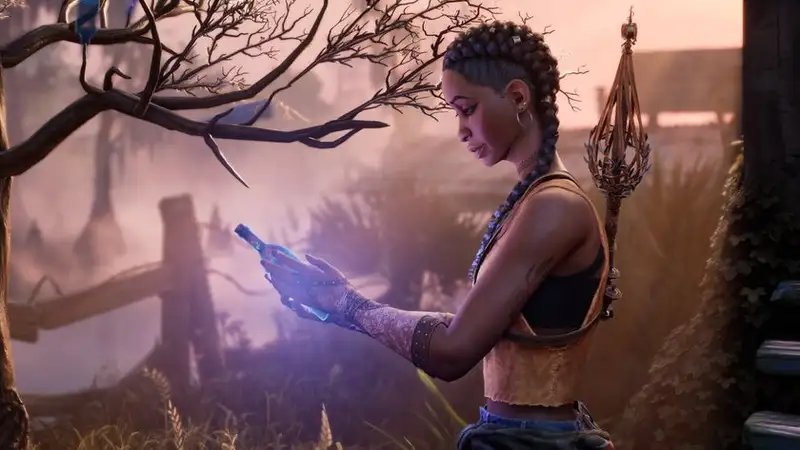
South of Midnight, a title described as a 'Deep South delight drenched in superstition and pain,' has garnered considerable attention for its unique aesthetic and compelling narrative. Developed during Compulsion's time under Xbox, its release will now uniquely mark the studio's full independence. This separation means that purchasing the game, particularly outside of Xbox's digital storefront, will directly benefit Compulsion Games without a cut going to Microsoft.
The game's themes of black liberation, as highlighted by some advocacy groups, made it a nuanced case within broader discussions about corporate boycotts. Its new independent status simplifies this dynamic, allowing consumers to support a game praised for its artistic merit and potentially impactful themes directly, free from the entanglements of larger corporate ownership.
The Future of Indie Development and Publisher Relationships
Compulsion Games' journey offers a compelling case study for the evolving relationship between independent developers and major publishers. While being acquired can offer stability and resources, it often comes at the cost of creative and financial control. The successful reversal of this process by Compulsion highlights the value that some studios place on complete autonomy, even when it means navigating the competitive landscape without a giant parent company.
This event could serve as a precedent or at least a point of discussion for other developers contemplating their long-term strategies. In an industry where talent retention and creative vision are paramount, models that allow studios to reclaim their identity and share more directly in their success might become increasingly attractive, offering a counter-narrative to the prevailing trend of acquisitions.
Sources
FAQ
What does the management buyout mean for Compulsion Games?
The management buyout means Compulsion Games is no longer part of Xbox Game Studios. It is now an independent developer, with its management team owning the studio and its original intellectual properties, including South of Midnight. This grants the studio greater creative and financial control.
Will 'South of Midnight' still be available on Xbox platforms?
While Compulsion Games is now independent, games developed under Xbox's wing, such as South of Midnight, are typically still released on Xbox platforms. The key change is that Microsoft will no longer receive a cut from its sales, assuming it's not purchased through the Xbox digital storefront, and the studio will retain more revenue.
How does this affect players who want to support Compulsion Games?
For players, the buyout means that purchasing Compulsion Games' titles, particularly South of Midnight, will now more directly support the independent studio. Previously, a portion of sales would go to Microsoft. This change might be particularly relevant for players considering the broader corporate affiliations of game publishers.
Is it common for studios to buy back their independence from large publishers?
While studio acquisitions by larger publishers are common, a management buyout where a studio reclaims its independence and intellectual property is a relatively rare occurrence. Compulsion Games' successful buyout highlights an unusual and significant event in the current gaming industry landscape, potentially offering an alternative model for developers.
Why it matters
This move is critical for Compulsion Games' creative and financial autonomy, allowing them to retain a larger share of game revenue. It also offers clarity for consumers making purchasing decisions, particularly those interested in supporting independent development or ethical consumption. The successful buyout provides a rare example of a studio reclaiming independence from a major publisher amidst an industry trend of consolidation, potentially influencing future studio-publisher relationships.
Background
Compulsion Games, creators of 'Contrast' and 'We Happy Few', was acquired by Xbox Game Studios in 2018, integrating them into Microsoft's first-party lineup. This partnership provided resources but brought the studio under a large corporate structure. Recent widespread layoffs and strategic shifts within Xbox and the broader gaming industry led to uncertainty. Amidst rumors of closure, Compulsion's CEO announced plans to leave Microsoft, culminating in this management buyout that restores their independent status and IP ownership, reversing the initial acquisition.
Compulsion Games' successful management buyout from Xbox signifies a potential counter-narrative to the prevailing industry trend of consolidation. In an environment marked by major publisher restructuring and significant layoffs, this move suggests a strategic re-prioritization of autonomy and direct financial control for a studio. It indicates a growing recognition among creative teams that navigating the complexities of large corporate ownership, especially during turbulent times, may sometimes outweigh the benefits of publisher backing. This could inspire other mid-tier studios to seek similar independent futures, viewing it as a path to greater stability and creative sovereignty in a...
References
Editorial information
The editorial team reviews sources, adds context, and structures stories so readers can understand the news more clearly.
Article from QNEWS24H
Comments
(0)No comments yet. Be the first to share your thoughts.