Cliff Bleszinski Reflects: Ego, Deals & LawBreakers' Commercial Failure

- Cliff Bleszinski, creator of Gears of War, cites his personal ego and desire for Boss Key Productions to be "his show" as a primary factor in LawBreakers' commercial failure.
- The publishing deal with Nexon, which allowed Boss Key to retain IP rights, paradoxically disincentivized the publisher from heavily promoting the game due to lower profit sharing.
- Bleszinski highlights a multitude of other issues, dubbed "death by 1,000 paper cuts," including uninspired art, a delayed Xbox launch, personal struggles with alcoholism, and...
- Despite the setback, Bleszinski expresses a strong desire to return to game development, focusing on creating immersive characters and worlds.
In an industry often defined by its colossal successes and equally dramatic failures, the post-mortem analysis of a promising title offers invaluable lessons. Few figures are as recognized in the gaming world as Cliff Bleszinski, the creative force behind iconic franchises like Unreal Tournament and Gears of War. Yet, even a veteran with such a lauded track record can encounter significant commercial hurdles. Bleszinski has recently offered a remarkably candid self-assessment of why his studio Boss Key Productions' ambitious hero shooter, LawBreakers, ultimately faltered and was shuttered just a year after its 2017 launch, revealing a complex web of personal, strategic, and business missteps.

Quick summary

- Cliff Bleszinski, creator of Gears of War, cites his personal ego and desire for Boss Key Productions to be "his show" as a primary factor in LawBreakers' commercial failure.
- The publishing deal with Nexon, which allowed Boss Key to retain IP rights, paradoxically disincentivized the publisher from heavily promoting the game due to lower profit sharing.
- Bleszinski highlights a multitude of other issues, dubbed "death by 1,000 paper cuts," including uninspired art, a delayed Xbox launch, personal struggles with alcoholism, and reduced leadership involvement.
- Despite the setback, Bleszinski expresses a strong desire to return to game development, focusing on creating immersive characters and worlds.


Why it matters
The trajectory of LawBreakers and Bleszinski's subsequent reflections provide a crucial case study for the entire video game industry, from independent developers to major publishers. For creators, it underscores the critical balance between creative vision and humility, reminding that brand loyalty to an individual rarely outweighs the appeal of a compelling, well-marketed game. For aspiring studio heads, it highlights the intricate dance of team leadership, strategic partnerships, and personal well-being. Furthermore, the candid discussion around publishing agreements sheds light on how even seemingly favorable terms, like retaining intellectual property, can inadvertently undermine a game's commercial potential if they misalign publisher incentives. Players, too, gain insight into the often-invisible complexities behind their favorite games' journeys, understanding that a game's quality alone is not always enough to guarantee its survival in a fiercely competitive market.
Background
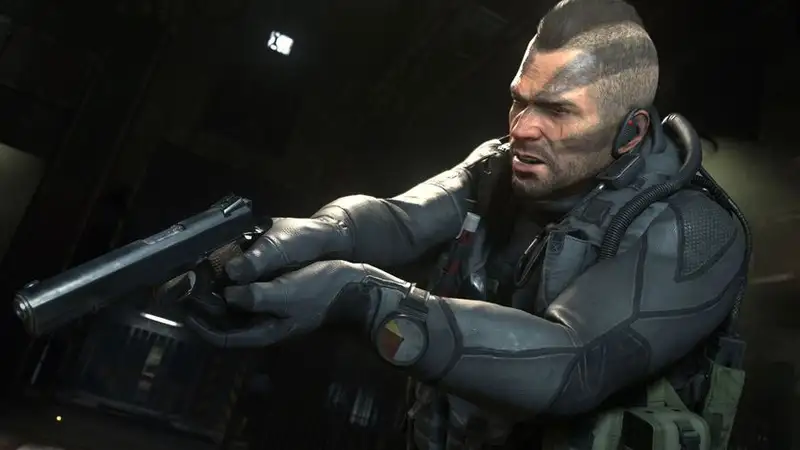
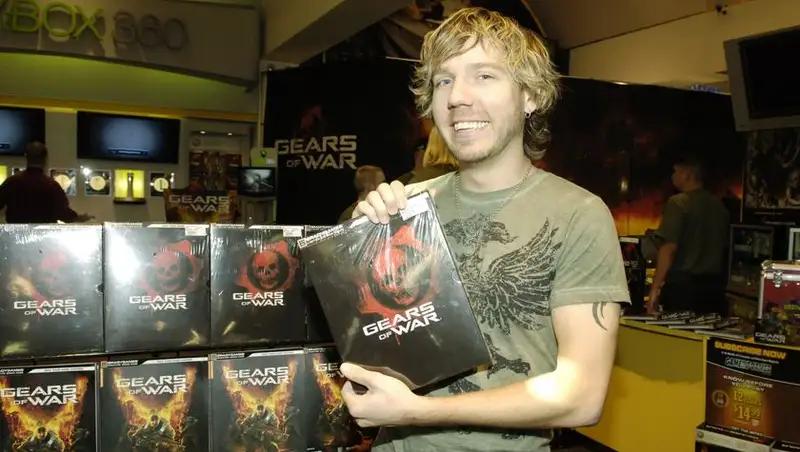
Cliff Bleszinski emerged as a prominent figure in the gaming world through his groundbreaking work at Epic Games. As the lead designer for the original Unreal Tournament and the visionary behind the wildly successful Gears of War series, he cultivated a reputation for innovative gameplay and compelling world-building. His departure from Epic in 2012 marked a significant moment, with many anticipating his next venture. In 2014, Bleszinski co-founded Boss Key Productions, a new studio poised to make its mark with LawBreakers. The game entered a burgeoning 'hero shooter' market, popularized by titles like Overwatch, which launched to immense critical and commercial acclaim in 2016. LawBreakers aimed to differentiate itself with a fast-paced, gravity-defying combat system and unique character classes. The promise of a new IP from a legendary designer fueled considerable anticipation, but the competitive landscape, combined with the underlying operational and strategic challenges now revealed by Bleszinski, set the stage for a difficult launch and eventual closure.
The Weight of Ego: A Creator's Confession

One of the most striking admissions from Bleszinski revolves around his own ego. He openly confesses that his desire for Boss Key to be 'his show' led him to pass on a potential collaboration with Rod Fergusson, a former colleague from the Gears of War era known for his leadership in production. This decision, driven by a personal ambition for sole creative command, became a foundational misstep. Bleszinski now articulates a harsh truth he learned: 'people are loyal to the game, but they're not necessarily loyal to the person.' This insight challenges the notion that a celebrated designer's name alone can guarantee a project's success or cultivate an inherent fan loyalty that translates directly to sales. In a market saturated with options, a strong personal brand can open doors, but it is ultimately the product's intrinsic quality, market fit, and execution that captivate and retain an audience.

Publishing Puzzles: The Nexon Deal's Double-Edged Sword
Beyond personal reflections, Bleszinski points to the specifics of Boss Key's publishing deal with Nexon as a significant contributing factor. The agreement was structured such that Boss Key retained the rights to its intellectual property – a seemingly advantageous position for a nascent studio. However, Bleszinski now views this as a double-edged sword. He suggests that when a deal is disproportionately favorable to one party, the other party, in this case, the publisher, may lack the full incentive to go 'all-in' on marketing and promotion. If Nexon’s potential profit share was diminished, their drive to make LawBreakers 'the next big thing' would naturally wane. This highlights a crucial, often overlooked aspect of developer-publisher relationships: aligning financial incentives is as vital as creative alignment. Even the most innovative game can struggle to find its audience without robust and enthusiastic marketing support from its publishing partner.
Death by a Thousand Cuts: Multifaceted Challenges
Bleszinski describes LawBreakers' demise as 'death by 1,000 paper cuts,' illustrating that no single factor brought the game down, but rather a confluence of smaller issues. He specifically mentioned several areas where the team fell short. The game's art style, while competent, reportedly lacked a distinctive edge necessary to stand out in a visually competitive genre. Timing also played a critical role; a delayed launch on Xbox meant missing an opportunity to connect with a significant portion of his established fanbase from the Gears of War series who might have been more inclined to try a new Bleszinski-led project on their preferred console. Furthermore, Bleszinski candidly revealed his personal struggles with alcoholism during this period, acknowledging that it impacted his involvement. He recognized that he was less present and dedicated than a lead designer should be, often leaving earlier while others stayed late, signifying a crucial gap in leadership during a critical development phase. These combined factors created a challenging environment that eroded the game's potential from multiple angles.

Lessons Learned and Future Gazing
The LawBreakers experience offers profound lessons for the entire gaming ecosystem. It illustrates that even industry titans are susceptible to misjudgments and external pressures. Creative freedom must be balanced with commercial realities, and leadership requires not only vision but also unwavering presence and effective partnership management. For players, it's a reminder that behind every game lies a complex narrative of human endeavor, fraught with strategic decisions, personal challenges, and market dynamics. Despite the commercial setback and the closure of Boss Key Productions, Bleszinski's passion for game creation remains undimmed. He articulated a clear desire to once again 'create characters and worlds,' aiming to craft experiences that resonate deeply enough for people to 'cosplay as and get tattooed on their bodies.' This enduring creative drive, tempered by hard-won wisdom, suggests that while LawBreakers may have been a failure, the journey has refined the lessons of a seasoned designer.
Qnews24h insight

Cliff Bleszinski's post-mortem of LawBreakers offers a rare and valuable glimpse into the often-opaque realities of game development. It debunks the simplistic narrative that a game's failure is solely due to poor quality or bad ideas. Instead, it highlights the intricate interplay of leadership dynamics, strategic business partnerships, market timing, and even a developer's personal well-being. The crucial insight here is that commercial success in the modern gaming landscape is a fragile ecosystem. It requires not just a good game, but also a leader capable of setting aside ego for the greater good of the project, a publisher with aligned incentives, a distinctive market presence, and impeccable execution on all fronts. LawBreakers serves as a powerful reminder that in the highly competitive video game industry, even established reputations are not a shield against the complex 'death by a thousand cuts' that can undermine an otherwise promising title.
Sources
The information for this article is based on an interview with Cliff Bleszinski published by 80.lv and reported by PC Gamer.

FAQ

-
Who is Cliff Bleszinski?
Cliff Bleszinski is a renowned American video game designer best known for his work on iconic titles like the Unreal Tournament series and the highly successful Gears of War franchise during his tenure at Epic Games.
-
What was LawBreakers and why did it fail?
LawBreakers was a multiplayer first-person shooter developed by Boss Key Productions, co-founded by Cliff Bleszinski, and launched in 2017. Despite generally positive reviews for its gameplay, it suffered commercial failure. Bleszinski attributes its downfall to a combination of factors including his own ego, a problematic publishing deal with Nexon that misaligned incentives, uninspired art design, poor timing for its Xbox launch, and his personal struggles with alcoholism impacting leadership.
-
What are the key lessons from LawBreakers' failure for game developers?
The LawBreakers case offers several critical lessons: the importance of humility and collaboration over individual ego, the necessity of aligning incentives in developer-publisher relationships, the need for distinctive market positioning (e.g., art style), strategic platform launches, and the crucial role of consistent and present leadership during development. It highlights that game quality alone is often insufficient for commercial success.
-
Is Cliff Bleszinski planning to make games again?
Yes, despite the commercial failure of LawBreakers and the closure of Boss Key Productions, Bleszinski has expressed a strong desire to return to game development. He states he still craves creating characters and worlds that resonate deeply with players.
Why it matters
The trajectory of LawBreakers and Bleszinski's subsequent reflections provide a crucial case study for the entire video game industry, from independent developers to major publishers. For creators, it underscores the critical balance between creative vision and humility, reminding that brand loyalty to an individual rarely outweighs the appeal of a compelling, well-marketed game. For aspiring studio heads, it highlights the intricate dance of team leadership, strategic partnerships, and personal well-being. Furthermore, the candid discussion around publishing agreements sheds light on how even seemingly favorable terms, like retaining intellectual property, can inadvertently undermine a...
Background
Cliff Bleszinski emerged as a prominent figure in the gaming world through his groundbreaking work at Epic Games. As the lead designer for the original Unreal Tournament and the visionary behind the wildly successful Gears of War series, he cultivated a reputation for innovative gameplay and compelling world-building. His departure from Epic in 2012 marked a significant moment, with many anticipating his next venture. In 2014, Bleszinski co-founded Boss Key Productions, a new studio poised to make its mark with LawBreakers. The game entered a burgeoning 'hero shooter' market, popularized by titles like Overwatch, which launched to immense critical and commercial acclaim in 2016. LawBreakers...
Cliff Bleszinski's post-mortem of LawBreakers offers a rare and valuable glimpse into the often-opaque realities of game development. It debunks the simplistic narrative that a game's failure is solely due to poor quality or bad ideas. Instead, it highlights the intricate interplay of leadership dynamics, strategic business partnerships, market timing, and even a developer's personal well-being. The crucial insight here is that commercial success in the modern gaming landscape is a fragile ecosystem. It requires not just a good game, but also a leader capable of setting aside ego for the greater good of the project, a publisher with aligned incentives, a distinctive market presence, and...
References
Editorial information
The editorial team reviews sources, adds context, and structures stories so readers can understand the news more clearly.
Article from QNEWS24H
Comments
(0)No comments yet. Be the first to share your thoughts.