China's Pragmatic Pivot in Embodied AI: Why Flashy Humanoid Demos are Giving Way to Heavy-Duty
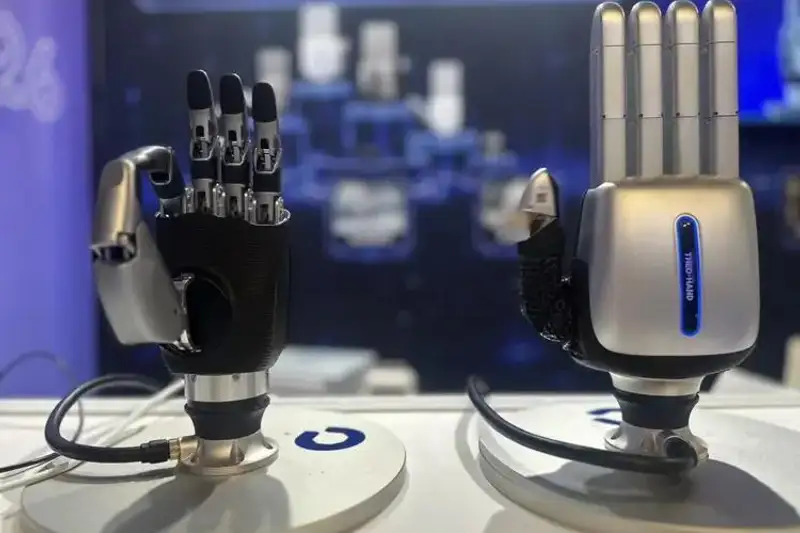
- The robotic industry is pivoting away from high-cost, general-purpose humanoids to task-specific, durable, and cost-effective end-effectors.
- Wanneng Robot has deployed its advanced dexterous hands (Std16A and Eco12) in real logistics environments, proving high reliability under peak seasonal demands.
- Breakthroughs in domestic manufacturing, such as a 31g micro electric cylinder, are reducing reliance on expensive imports and driving down hardware costs.
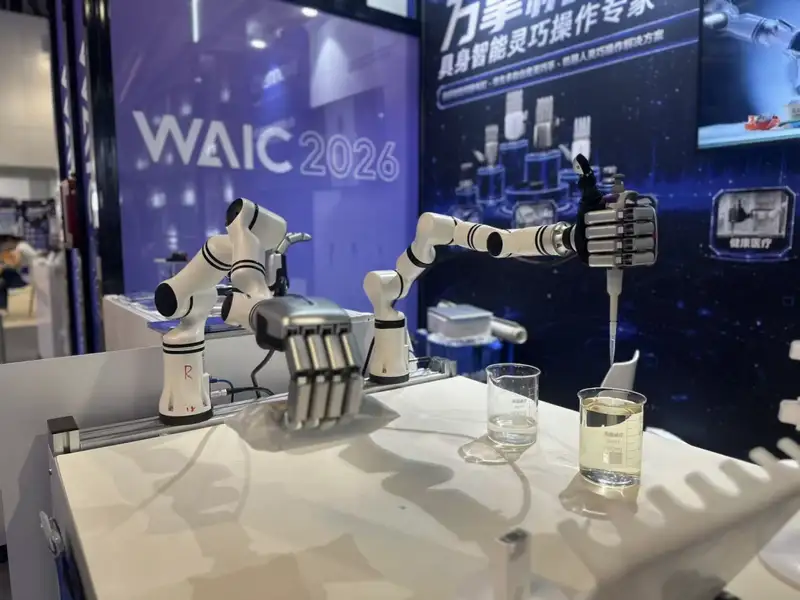
The bustling exhibition halls of the World Artificial Intelligence Conference (WAIC 2026) in Shanghai marked a stark departure from the spectacles of previous years. Instead of crowds marveling at humanoid robots performing backflips, mimicking martial arts, or clumsily pouring cups of coffee, the conversation among global supply chain operators and roboticists centered on a much colder, more demanding metric: continuous operational reliability. The era of flashy, viral demonstrations has officially ended, giving way to an intense industry-wide focus on rugged, practical, and highly specialized automation capable of surviving the daily grind of commercial logistics.
Quick summary
- Shift to Pragmatism: The Chinese robotics sector is pivoting away from high-cost, multi-purpose humanoid demonstrations toward highly specialized, durable, and cost-effective end-effectors designed for immediate factory floor integration.
- Dual-Track Product Strategy: Companies like Wanneng Robot are leading this shift with specialized hardware, deploying the heavy-duty industrial Std16A hand for logistics and the cost-efficient, lightweight Eco12 for research and light interaction.
- Supply Chain Self-Reliance: High-density micro-engineering breakthroughs—such as a domestic 31-gram coaxial electric cylinder capable of delivering 250 N of force—are enabling Chinese manufacturers to bypass expensive Western components and drastically lower production costs.
Why it matters
This shift represents the crucial transition of Embodied AI from speculative R&D into a mature, cash-flow-generative industrial sector. For years, the robotic industry struggled with the 'last mile' of automation—the physical contact point between AI perception and chaotic physical environments. By commercializing affordable, robust dexterous hands, manufacturers are directly addressing acute labor shortages in logistics and warehousing. For global businesses, this means the barrier to entry for highly adaptable automation is dropping rapidly, making advanced robotics commercially viable for mid-sized enterprises, not just tech giants.
Background
During the initial boom of Embodied AI between 2023 and 2025, venture capital poured into full-sized humanoid robot platforms. While these projects generated massive social media engagement, they failed to deliver meaningful return on investment (ROI). In real-world warehouses, traditional industrial grippers could only handle rigid objects of uniform shapes. They were utterly useless when tasked with picking up fragile items, soft plastic mailers, or easily deformed garments.
Recognizing this bottleneck, developers realized that a robot's overall intelligence is useless without a capable physical interface. Wanneng Robot's official deployment of its dexterous hand system in a live sorting center on May 23, 2026, marked a watershed moment. It proved that these complex systems could successfully graduate from controlled Proof of Concept (POC) testing to the high-stress, continuous environment of peak shopping seasons.
A Tale of Two Hands: Tailored Solutions Over Universal Dreams
Rather than trying to build a single, prohibitively expensive robotic hand that can do everything, the industry is embracing task-specific specialization. This philosophy is clearly reflected in the contrasting specifications of the latest hardware lines.
The Industrial Workhorse: Std16A
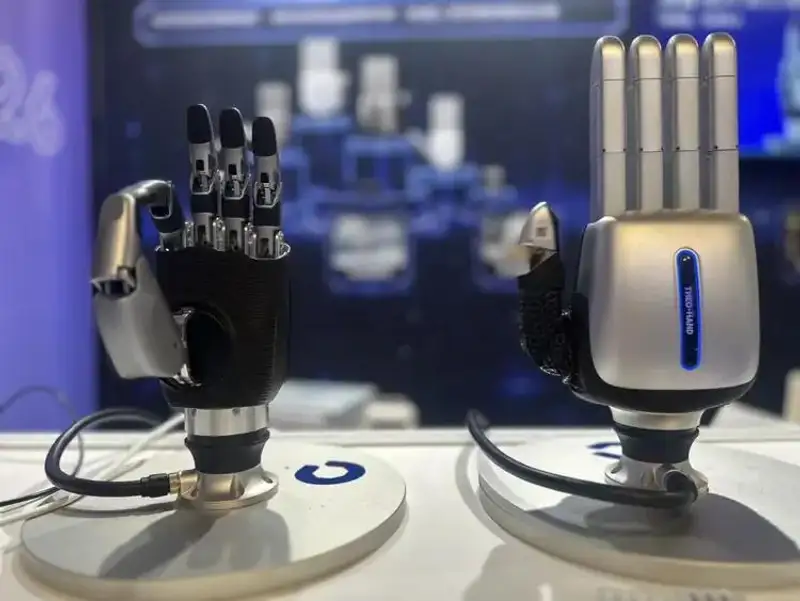
Engineered strictly for high-throughput logistics and high-precision manufacturing, the Std16A is built to endure. Measuring 245×139×79 mm and weighing just under 1,100 grams, this robotic hand boasts 16 active degrees of freedom (DoF). Driven by high-performance miniature electric cylinders, it achieves a finger repeat accuracy of ±0.2 mm and a robust gripping force of no less than 60 N across four fingers.
To bridge the gap between machine perception and physical touch, the premium version of the Std16A integrates five advanced 3D tactile sensors at the fingertips. Operated via a real-time operating system (RTOS) and utilizing the high-speed EtherCAT protocol, the hand guarantees ultra-low latency, ensuring it can adjust its grip on the fly without dropping or crushing fragile packages.
The Light Interaction Alternative: Eco12
Recognizing that not every application requires heavy-duty industrial force, the Eco12 targets remote control, educational research, and human-assistive tasks. Weighing a mere 500 grams, it reduces active degrees of freedom to 12. Instead of direct electric cylinders, it utilizes a highly optimized linkage mechanism driven by micro-motors, offering a respectable 45 N gripping force.
By mimicking the exact scale of a human hand and focusing on maximum cost-efficiency, the Eco12 provides an accessible entry point for academic institutions and software developers looking to train AI models without investing in prohibitively expensive industrial hardware.
The Micro-Engineering Feat Behind Domestic Components
The primary engineering bottleneck in robotic hand design is spatial density: packing motors, gearboxes, sensors, and control boards into a form factor identical to a human hand without compromising structural durability. Historically, this forced manufacturers to rely on expensive, imported Swiss or German micromotors.
To break this dependency, Chinese manufacturers have heavily invested in localized component development. A prime example is the next-generation miniature coaxial electric cylinder. Weighing only 31 grams, this tiny actuator delivers a massive push/pull force of up to 250 N. It operates with a repeat positioning accuracy of ±0.02 mm and a rated load speed of at least 20 mm/s. When equipped with integrated force-sensing technology, it can control applied force within a margin of ±200 N with a precision of 1 N. This domestic component breakthrough is the true driver behind the drop in production costs, allowing advanced robotic hands to be manufactured at a fraction of their previous costs.
Qnews24h insight
The transition observed at WAIC 2026 signals a healthy, inevitable consolidation of the AI and robotics sectors. For years, the market was inflated by speculative capital chasing the dream of general-purpose humanoid servants. However, the harsh realities of unit economics have forced a pivot to pragmatism. By focusing on critical sub-systems—specifically dexterous end-effectors and domestic component supply chains—manufacturers are building a highly resilient foundation. The companies that survive the coming market shakeout will not be those with the most viral videos, but those whose hardware can perform thousands of repetitive sorting, picking, and assembling tasks daily without a single human intervention.
Sources
Frequently Asked Questions
Why is the robotics industry moving away from general humanoid robots?
While full-sized humanoid robots are highly impressive in demonstrations, they are too expensive, complex, and prone to failure for immediate commercial use. The industry is shifting toward specialized, highly durable components like modular dexterous hands that can be integrated into existing industrial workflows at a fraction of the cost.
What makes handling items in a logistics warehouse difficult for traditional robots?
Traditional industrial robotic grippers are rigid and designed for specific, uniform objects like metal automotive parts. Warehouses, however, contain millions of unpredictable, soft, or deformable items (like clothes, flexible plastic bags, and fragile packages) that require delicate, human-like touch and real-time grip adjustments to prevent damage.
How do domestic component breakthroughs lower the price of these robots?
Previously, robotic hands relied on incredibly expensive imported micro-motors and actuators. By developing high-density components domestically—such as the 31-gram coaxial electric cylinder—manufacturers have vastly reduced component costs while maintaining high-precision capabilities, making the finished products economically viable for mass commercial deployment.
Why it matters
The commercialization of affordable, reliable robotic hands bridges the gap between digital AI and the physical world. This enables mid-sized logistics and manufacturing firms to adopt automation, mitigating labor shortages and lowering operational costs.
Background
The early phase of Embodied AI (2023-2025) was dominated by viral videos of humanoid robots. However, these systems lacked the practical dexterity and reliability needed for real-world applications, leading to a shift toward task-specific mechanical engineering and domestic supply chain independence.
The market is undergoing a necessary transition from speculative hype to pragmatic consolidation. Survival in the robotics space now depends on unit economics, mechanical durability, and immediate utility rather than generalized aesthetic appeal.
References
Editorial information
The editorial team reviews sources, adds context, and structures stories so readers can understand the news more clearly.
Article from QNEWS24H
Comments
(0)No comments yet. Be the first to share your thoughts.