Netflix Finale Explores Charles Manson's Enduring True Crime Legacy in New Docuseries
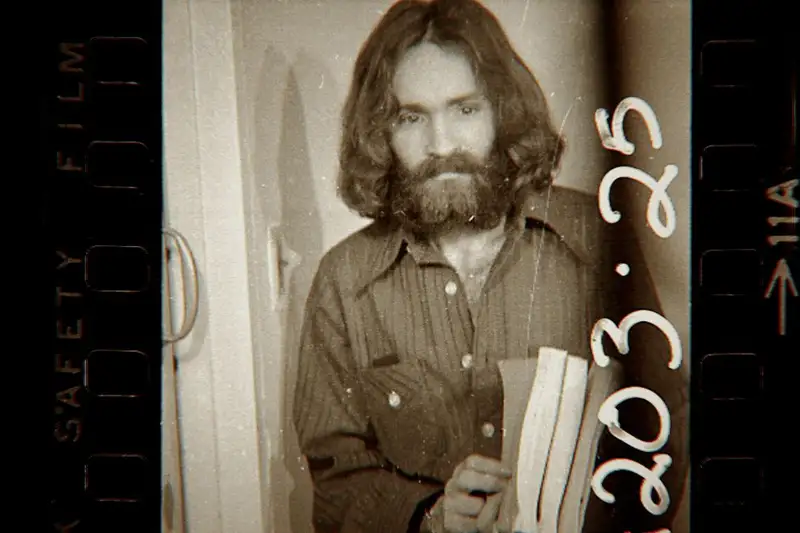
- Netflix's 'Conversations with a Killer' series concludes with a new three-part documentary, 'The Charles Manson Tapes,' releasing in August 2026.
- Directed by Joe Berlinger, the series promises a deep dive into Manson's rise, the 1969 murders, and subsequent trial, featuring unreleased prison recordings and interviews.
- Berlinger argues that Charles Manson, despite not being a traditional serial killer, was instrumental in ushering in the modern era of America's fascination with true crime.
- The documentary's goal is to analyze Manson's systems of manipulation and control, centering the experiences of survivors and those affected, rather than perpetuating his...
Decades after his name became synonymous with chilling cult violence and manipulation, Charles Manson remains a figure of enduring, morbid fascination. Now, Netflix is poised to bring this complex and disturbing narrative to a close with the final chapter of its acclaimed 'Conversations with a Killer' docuseries, set to premiere in August 2026. Titled 'The Charles Manson Tapes,' this three-part installment promises to go beyond the sensational headlines, offering an unprecedented look into the mind and methods of the man who, according to director Joe Berlinger, fundamentally reshaped America’s engagement with true crime.
Quick summary
- Netflix's 'Conversations with a Killer' series concludes with a new three-part documentary, 'The Charles Manson Tapes,' releasing in August 2026.
- Directed by Joe Berlinger, the series promises a deep dive into Manson's rise, the 1969 murders, and subsequent trial, featuring unreleased prison recordings and interviews.
- Berlinger argues that Charles Manson, despite not being a traditional serial killer, was instrumental in ushering in the modern era of America's fascination with true crime.
- The documentary's goal is to analyze Manson's systems of manipulation and control, centering the experiences of survivors and those affected, rather than perpetuating his mythology.
Why it matters
The release of 'The Charles Manson Tapes' matters significantly for several reasons, extending beyond the mere retelling of a notorious criminal saga. For true crime enthusiasts and scholars, it offers a potentially groundbreaking perspective on a case that defined a generation and irrevocably influenced the genre itself. Director Berlinger's assertion that Manson's crimes 'ushered in the modern era of America’s fascination with true crime' speaks to a shift in how society, and media, began to consume and analyze horrific events. This documentary could serve as a critical examination of how cults function, the psychological mechanisms of manipulation, and the societal vulnerabilities exploited by figures like Manson. Furthermore, by centering the voices of those who lived through the 'Manson Family' era, the series attempts to reclaim the narrative from the perpetrator, providing a vital counter-balance to the myth-making that often surrounds such figures. It’s an opportunity to reflect on media ethics in crime reporting and the enduring impact of collective trauma on communities.
Background
The story of Charles Manson and the 'Manson Family' is deeply embedded in the cultural fabric of late 1960s America. Emerging from the counter-culture movement, Manson cultivated a commune in California, attracting disillusioned youth with promises of freedom and spiritual enlightenment. This veneer shattered spectacularly in August 1969 when his followers, acting on his directives, committed a series of brutal murders, most notably the slaying of actress Sharon Tate and four others at her Los Angeles home. Though Manson himself did not directly participate in the killings, his role as the orchestrator led to his 1971 conviction for first-degree murder, a verdict that kept him imprisoned until his death in 2017. The media frenzy surrounding the trial and the bizarre nature of the crimes captivated and horrified a nation, forever altering the perception of the seemingly innocent 'hippie' movement.
Netflix's 'Conversations with a Killer' series has, since its inception in 2019 with 'The Ted Bundy Tapes,' established itself as a benchmark for deep-dive true crime documentaries. Each installment meticulously dissects the lives of infamous criminals through archival audio, exclusive interviews, and historical context. Following Bundy (2019), the series explored John Wayne Gacy and Jeffrey Dahmer (both in 2022), and most recently, the Son of Sam (2025). This progression has built a reputation for delving into the psychological underpinnings of extreme criminal behavior, setting the stage for Manson's complex story as the series' concluding subject. The choice of Manson as the finale underscores his unique, if horrifying, position in the annals of American crime.
Qnews24h insight
Joe Berlinger's decision to conclude his seminal 'Conversations with a Killer' series with Charles Manson, rather than another archetypal serial killer, offers a potent editorial insight into the evolving nature of true crime narratives. The distinction Berlinger draws—that Manson is not a 'traditional serial killer' like Bundy or Dahmer, but a figure who fundamentally altered the *consumption* and *coverage* of violence—is crucial. This perspective suggests that Manson's legacy is less about the sheer volume of his direct violent acts and more about the insidious power of his psychological manipulation and the cultural earthquake his crimes triggered. The 'Manson Family' saga wasn't just about murder; it was a chilling exposé of how vulnerable individuals could be radicalized and controlled, turning the utopian dreams of the 1960s into a nightmare. Therefore, 'The Charles Manson Tapes' isn't merely a recounting of grisly events but an analytical deep-dive into the *systems* of control and the profound societal impact of a leader who exploited fear and idealism, solidifying his place as a uniquely disturbing, and critically important, subject for the series' culmination.
Exploring the Manson Phenomenon
The upcoming documentary aims to provide an unparalleled exploration of Manson's life, from his impoverished beginnings to his rise as a charismatic cult leader. Utilizing a wealth of primary source material, including prison recordings never before made public, the series promises to offer an intimate, albeit unsettling, window into his worldview. These recordings, coupled with firsthand accounts from individuals who were once part of the 'Manson Family' and law enforcement officials involved in the original investigation, are expected to weave a comprehensive narrative that challenges existing myths.
The significance of these unreleased materials cannot be overstated. For decades, the narrative surrounding Manson has been shaped by media sensationalism, trial transcripts, and retrospective analyses. The inclusion of his own recorded phone calls from prison and direct testimonies from former followers offers a raw, unfiltered perspective. This approach aligns with Berlinger's stated objective: to examine the mechanisms of manipulation rather than simply rehashing the sensational aspects of the murders or adding to the mythology surrounding Manson.
The Enduring Appeal of True Crime
Berlinger's statement that Manson 'ushered in the modern era of America’s fascination with true crime' highlights a critical juncture in cultural history. Before Manson, public consumption of crime stories, while present, often lacked the immersive, psychological depth that became commonplace afterward. The Manson murders, with their bizarre motives, cult dynamics, and celebrity connections (Sharon Tate was a prominent actress and pregnant wife of director Roman Polanski), created an unprecedented media spectacle. This event forced a national reckoning with the darker undercurrents of society, sparking intense public discourse on morality, justice, and the nature of evil.
The 'Conversations with a Killer' series itself is a testament to this enduring fascination. By providing access to the voices and materials related to figures like Ted Bundy, Jeffrey Dahmer, and John Wayne Gacy, the series has consistently sought to understand the 'why' behind the 'what.' Concluding with Manson positions him as the foundational figure in this modern curiosity, a criminal whose impact on public consciousness extended far beyond his direct actions, influencing how future generations would engage with and seek to comprehend the darkest corners of human behavior.
Sources
- True-Crime Documentary 'Conversations with a Killer: The Charles Manson Tapes' Sets August 2026 Release (whats-on-netflix.com)
Frequently Asked Questions
What is the focus of 'The Charles Manson Tapes' documentary?
The documentary, 'The Charles Manson Tapes,' focuses on the life of cult leader Charles Manson, his rise to power, the infamous 1969 murders orchestrated by his followers, and the subsequent trial. It aims to explore the systems of manipulation he created, using previously unreleased prison recordings, firsthand accounts, and archival footage.
Who is director Joe Berlinger, and what is his approach to Manson's story?
Joe Berlinger is an Academy-Award-nominated filmmaker known for his work in true crime documentaries, including previous installments of 'Conversations with a Killer.' His approach to Manson's story is to examine the figure who he believes ushered in the modern era of true crime fascination. He seeks to dissect Manson's manipulative tactics and the experiences of those affected, rather than simply adding to the mythology surrounding him.
How does Charles Manson's case differ from other subjects in the 'Conversations with a Killer' series?
Director Joe Berlinger emphasizes that Charles Manson was not a 'traditional serial killer' like Ted Bundy, John Wayne Gacy, or Jeffrey Dahmer, who directly committed multiple murders. Instead, Manson was a cult leader who orchestrated and prompted murders, fundamentally changing how media covered violence and how the public consumed true crime narratives, focusing more on psychological control and societal impact.
Why it matters
The release of 'The Charles Manson Tapes' holds significant weight as it revisits a pivotal case that reshaped America's relationship with true crime and cult psychology. Director Joe Berlinger's perspective that Manson was instrumental in defining the modern true crime era suggests this documentary will offer more than just a recounting of events; it will examine the profound impact on media coverage, public perception of violence, and the enduring vulnerabilities within society that figures like Manson exploit. It serves as a crucial opportunity to analyze the mechanisms of manipulation and the ethical considerations in presenting such complex, often sensationalized, narratives, aiming to...
Background
The Charles Manson story is inextricably linked to the societal anxieties and cultural shifts of the late 1960s, a period marked by both idealistic counter-culture movements and deep-seated unrest. Manson leveraged this environment to build the 'Manson Family,' a communal cult that culminated in the horrific 1969 murders, including that of actress Sharon Tate. His subsequent trial and conviction for orchestrating these crimes, despite not directly participating, solidified his image as a master manipulator and a symbol of an era's lost innocence, leading to his imprisonment until his death in 2017. This upcoming documentary is the final installment of Netflix's 'Conversations with a Killer'...
Joe Berlinger's deliberate choice to conclude the 'Conversations with a Killer' series with Charles Manson, distinctly labeling him as not a 'traditional serial killer,' offers a potent editorial insight into the evolving understanding of criminal psychology and societal impact. This perspective suggests that Manson's enduring relevance isn't solely tied to his direct violent acts, but rather to his unparalleled mastery of psychological manipulation and his profound influence on how the media and public began to process extreme violence and cult phenomena. The documentary, therefore, isn't just about 'a killer'; it's about the architect of a system of control, a cultural disruptor whose...
References
Editorial information
The editorial team reviews sources, adds context, and structures stories so readers can understand the news more clearly.
Article from QNEWS24H
Comments
(0)No comments yet. Be the first to share your thoughts.