Chainsmoker Cat Anime Pulled in Hong Kong Over 'Smoking Advertisement' Violation
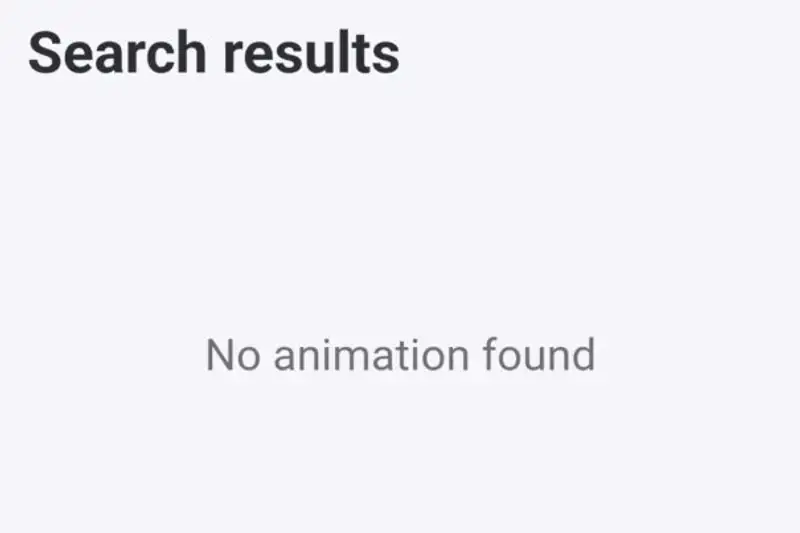
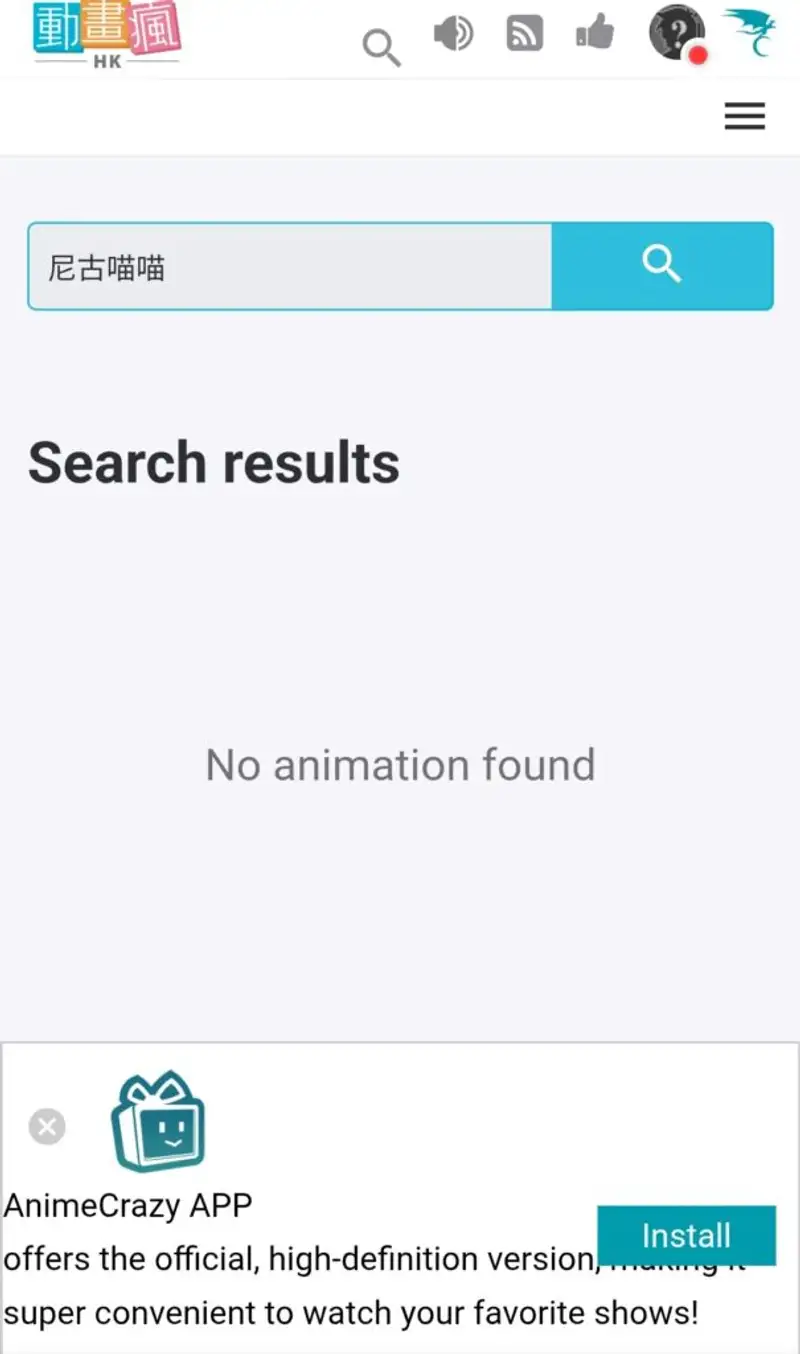
- The anime "Chainsmoker Cat" has been removed from Animation Crazy and Ani-One Asia's YouTube channel specifically within Hong Kong.
- Hong Kong's Department of Health cited violations of the Smoking (Public Health) Ordinance, interpreting the anime's portrayal of smoking as an "advertisement for smoking...
- Despite its dark humor, the series is widely considered an unglamorous depiction of nicotine addiction and behavioral dysfunction, remaining available in other regions like Taiwan...
- Streaming platforms found in violation face substantial penalties, including fines up to 50,000 HKD and daily charges for continued offenses.
Quick summary
- The anime "Chainsmoker Cat" has been removed from Animation Crazy and Ani-One Asia's YouTube channel specifically within Hong Kong.
- Hong Kong's Department of Health cited violations of the Smoking (Public Health) Ordinance, interpreting the anime's portrayal of smoking as an "advertisement for smoking products."
- Despite its dark humor, the series is widely considered an unglamorous depiction of nicotine addiction and behavioral dysfunction, remaining available in other regions like Taiwan and on global platforms such as Netflix.
- Streaming platforms found in violation face substantial penalties, including fines up to 50,000 HKD (approximately $6,400 USD) and daily charges for continued offenses.
Why it matters
This regulatory action in Hong Kong carries significant implications that ripple far beyond a single anime series. For content creators, producers, and distributors operating in the increasingly globalized digital sphere, it underscores the labyrinthine challenge of navigating disparate international censorship and public health guidelines. Such incidents can foster a "chilling effect," potentially leading creators to self-censor or dilute sensitive themes to ensure broader market access, thereby limiting artistic expression and critical social commentary. Viewers in affected regions, meanwhile, face fragmented access to global media libraries, dictated by localized interpretations of content regulations rather than universal standards.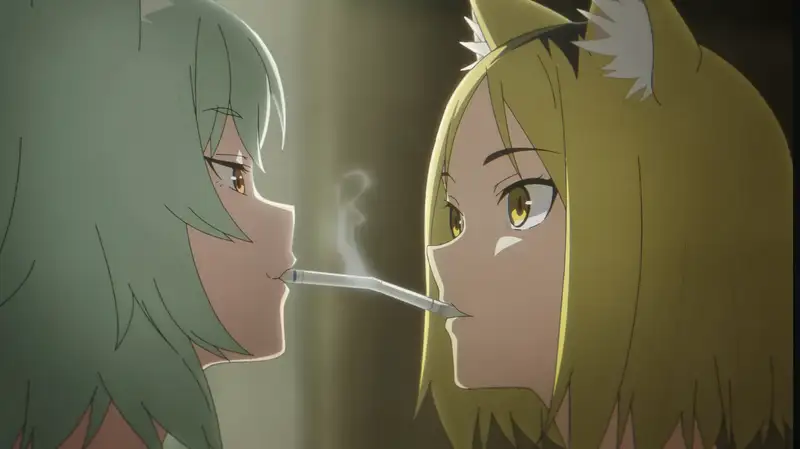 The core tension lies in the subjective distinction between artistic depiction and commercial promotion. When a work intentionally portrays the unglamorous realities of addiction, as "Chainsmoker Cat" reportedly does, its classification as an "advertisement for smoking products" by authorities raises fundamental questions about the role of art in society and the scope of public health mandates. This precedent could impact how other forms of media – films, TV shows, and even documentaries – that portray potentially harmful behaviors (like excessive alcohol consumption or violence) are treated across different jurisdictions. Furthermore, the substantial financial penalties faced by streaming services highlight the commercial risks involved in content distribution, compelling platforms to implement stricter, often more conservative, content review processes that could ultimately restrict viewer choice and cultural exchange.
Background
"Chainsmoker Cat," a dark comedy anime, draws its narrative from the popular manga series of the same name by NyanNyanFactory. The series delves into the challenging lives of anthropomorphic cat girls, a key aspect of their struggles being an overt dependency on nicotine and various other substances. Directed by Taku Kimura and animated by Bibury Animation Studios, the show has garnered attention for its unique approach to depicting addiction, blending dark humor with a raw, often explicit, portrayal of its consequences, including withdrawal symptoms and chain-smoking. The manga has seen a surge in popularity concurrent with the anime's positive reception, leading to all its volumes being slated for reprinting. Hong Kong maintains a robust framework of public health legislation, prominently featuring the Smoking (Public Health) Ordinance. This comprehensive ordinance aims to curtail tobacco use within the city and includes stringent provisions specifically targeting the advertising, promotion, and sponsorship of tobacco products. Sections 13B and 14 of the ordinance are particularly relevant, focusing on the online dissemination of what authorities deem "advertisements for smoking products." While it remains entirely legal for adults within Hong Kong to purchase and consume tobacco products, the regulations governing any form of their promotion, whether direct or indirect, are notably strict and vigorously enforced. This regulatory environment reflects a broader public health strategy aimed at discouraging smoking through various means, including restricting its visibility in public and media spheres. Interestingly, "Chainsmoker Cat" had already sparked debate in other regions prior to its removal in Hong Kong. In Japan, for instance, the series was widely believed to be the focus of discussions at a session of the Broadcasting Ethics & Program Improvement Organization (BPO) just last month. Viewers had expressed criticism regarding the anime's explicit depictions of smoking and illegal drugs. However, in a stark contrast to Hong Kong's subsequent actions, a BPO committee member reportedly defended the content, asserting that it fell squarely within the permissible bounds of freedom of expression. This earlier Japanese assessment highlights a significant divergence in how different cultural and legal systems approach the interpretation and regulation of media content, particularly when it touches on sensitive social issues. This global disparity presents an ongoing challenge for creators and distributors attempting to navigate a fragmented international market.The Regulatory Chokehold in Hong Kong
The decision by Hong Kong's Department of Health to demand the removal of "Chainsmoker Cat" was communicated directly to platforms like Animation Crazy (Hong Kong) through an official letter. The letter explicitly cited violations of the Smoking (Public Health) Ordinance, specifically Sections 13B and 14. These sections broadly prohibit the publication, display, or dissemination of tobacco advertisements. The crux of the dispute hinges on the Department of Health's interpretation that the anime’s visual and narrative elements constitute such an advertisement, even if the series itself is widely understood by its audience as a critique or dark comedy rather than an endorsement. Animation Crazy, an official platform managed by the Taiwanese internet forum Bahamut, promptly complied with the request, apologizing for the disruption and offering Hong Kong users options for refunds. Similarly, the Ani-One Asia YouTube channel, which had previously announced "Chainsmoker Cat" as part of its licensed offerings in Hong Kong in July, now lists the series as unavailable in the region. This swift compliance underscores the serious implications of violating the ordinance, which includes a maximum fine of 50,000 HKD (approximately 6,400 USD) for an initial offense, alongside a further penalty of 1,500 HKD (approximately 191 USD) for each day the perceived offense continues. Such financial deterrents compel platforms to act quickly to mitigate escalating legal and monetary risks.Artistic Intent vs. Public Health Mandate
The creative team behind "Chainsmoker Cat" has consistently aimed to depict nicotine addiction in a way that highlights its detrimental effects, not to glorify or promote it. The series features characters engaging in extreme behaviors like chain-smoking and suffering withdrawal symptoms, portraying a bleak reality often played for dark humor but without glamor. This artistic approach seeks to engage viewers through satire and exaggerated situations to explore the harshness of dependency. However, regulatory bodies like Hong Kong's Department of Health operate under a public health mandate, where the visual presence of smoking, regardless of its narrative context or moral message, can be deemed problematic.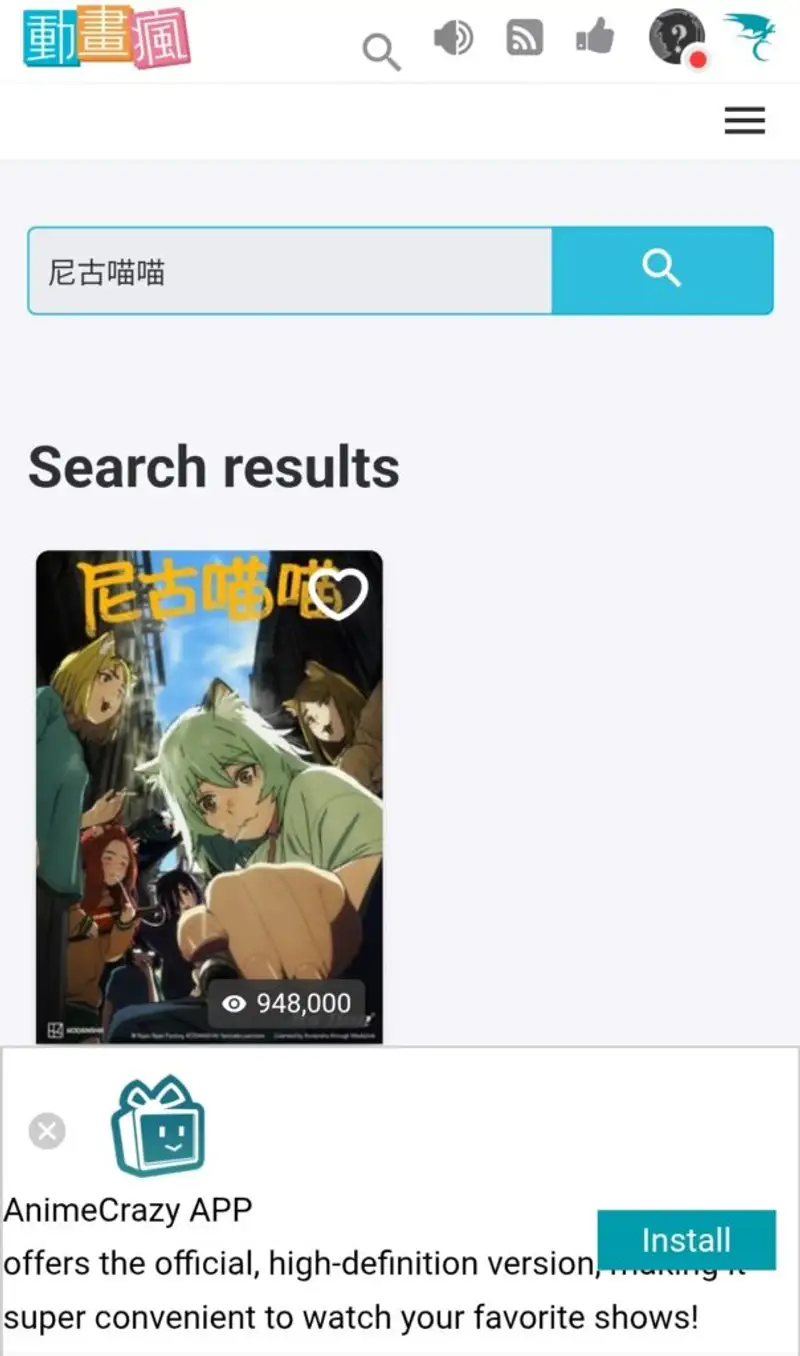 This situation echoes similar debates globally where entertainment content faces scrutiny for its portrayal of sensitive subjects. The challenge lies in distinguishing between a narrative element that reflects societal issues and one that actively encourages them. For a series where nicotine dependence is a central theme, its removal under an anti-advertising ordinance suggests that the nuanced context of its depiction was overshadowed by the sheer visibility of the act of smoking. This raises questions about how far regulatory bodies should delve into artistic interpretation, and whether a blanket ban based on visual cues inadvertently stifles creative exploration of difficult topics.
Global Streaming, Local Rules: The Distribution Dilemma
The incident with "Chainsmoker Cat" serves as a stark reminder of the complexities inherent in the global distribution of digital content. While the series remains accessible on platforms like Netflix and on Animation Crazy in Taiwan, its specific removal in Hong Kong highlights the fragmented nature of international streaming. Content providers must now contend with a patchwork of national and regional regulations, each with its own unique interpretations of what constitutes acceptable or prohibited content. This "geo-blocking" approach, where content availability is restricted by geographic location based on local laws, adds significant layers of complexity and cost for distributors. It necessitates careful legal review for each territory, potentially leading to varied versions of a show or complete unavailability in certain markets. For audiences, it creates an uneven viewing experience, where access to media is determined by geography rather than individual choice or global availability. This ongoing challenge for the streaming industry underscores the delicate balance between universal content access and adherence to diverse local legal frameworks.Qnews24h insight
The removal of "Chainsmoker Cat" in Hong Kong, citing its violation of public health ordinances against smoking advertisements, represents a critical intersection where artistic intent clashes with regulatory interpretation. The anime explicitly aims to depict nicotine addiction in an unglamorous, often dysfunctional light, using dark humor to highlight the harsh realities of substance dependence. Yet, Hong Kong authorities have seemingly interpreted these depictions, however satirical or cautionary, as falling under the umbrella of "advertisement for smoking products." This divergence suggests a regulatory framework that prioritizes the potential for any visual representation of a controlled substance to be construed as promotion, regardless of narrative context or authorial intent. The incident serves as a potent reminder of the precarious position content distributors face in navigating global markets, where a series celebrated for its artistic commentary in one region can be deemed a public health hazard in another. It underscores the urgent need for clearer guidelines on what constitutes an "advertisement" in the digital age, particularly when dealing with complex, nuanced artistic expressions that engage with challenging social themes rather than endorsing them. The decision may inadvertently restrict public discourse on addiction by limiting artistic portrayals, pushing creators towards safer, less impactful narratives to avoid legal pitfalls and ensuring content is palatable to the broadest, most risk-averse regulatory interpretation.Sources
- Anime Corner: https://animecorner.me/chainsmoker-cat-anime-pulled-from-streaming-services-in-hong-kong-over-purported-smoking-advertisement-violation/
- Bahamut Animation Crazy HK Facebook
- South China Morning Post
- Mynavi News
- Denfaminico Gamer
FAQ
- Why was "Chainsmoker Cat" pulled from streaming in Hong Kong?
The anime was removed because Hong Kong's Department of Health alleged it violated Sections 13B and 14 of the Smoking (Public Health) Ordinance, claiming its depictions of smoking constituted an "advertisement for smoking products" disseminated online. - Is "Chainsmoker Cat" still available to stream elsewhere?
Yes, the series remains available on platforms like Animation Crazy in Taiwan and on Netflix globally. It was only pulled from Animation Crazy (Hong Kong) and Ani-One Asia's YouTube channel specifically within the Hong Kong region. - What is the "Chainsmoker Cat" anime about?
"Chainsmoker Cat" is a dark comedy anime series that portrays the challenging lives of anthropomorphic cat girls, some of whom struggle with nicotine and other drug dependencies. It is generally regarded as an unglamorous, often humorous, depiction of addiction and its associated behavioral dysfunctions. - What are the potential penalties for violating Hong Kong's Smoking (Public Health) Ordinance?
Violations of Section 13B of the ordinance can lead to a maximum fine of 50,000 HKD (approximately 6,400 USD) and an additional penalty of 1,500 HKD (approximately 191 USD) for each day the perceived offense continues.
Why it matters
This regulatory action in Hong Kong carries significant implications that ripple far beyond a single anime series. For content creators, producers, and distributors operating in the increasingly globalized digital sphere, it underscores the labyrinthine challenge of navigating disparate international censorship and public health guidelines. Such incidents can foster a "chilling effect," potentially leading creators to self-censor or dilute sensitive themes to ensure broader market access, thereby limiting artistic expression and critical social commentary. Viewers in affected regions, meanwhile, face fragmented access to global media libraries, dictated by localized interpretations of...
Background
"Chainsmoker Cat," a dark comedy anime, draws its narrative from the popular manga series of the same name by NyanNyanFactory. The series delves into the challenging lives of anthropomorphic cat girls, a key aspect of their struggles being an overt dependency on nicotine and various other substances. Directed by Taku Kimura and animated by Bibury Animation Studios, the show has garnered attention for its unique approach to depicting addiction, blending dark humor with a raw, often explicit, portrayal of its consequences, including withdrawal symptoms and chain-smoking. The manga has seen a surge in popularity concurrent with the anime's positive reception, leading to all its volumes being...
The removal of "Chainsmoker Cat" in Hong Kong, citing its violation of public health ordinances against smoking advertisements, represents a critical intersection where artistic intent clashes with regulatory interpretation. The anime explicitly aims to depict nicotine addiction in an unglamorous, often dysfunctional light, using dark humor to highlight the harsh realities of substance dependence. Yet, Hong Kong authorities have seemingly interpreted these depictions, however satirical or cautionary, as falling under the umbrella of "advertisement for smoking products." This divergence suggests a regulatory framework that prioritizes the potential for any visual representation of a...
References
- 1.Chainsmoker Cat Anime Pulled From Streaming Services in Hong Kong Over Purported 'Smoking Advertisement' Violation - Anime Corner
- 2.Bahamut Animation Crazy HK Facebook
- 3.South China Morning Post
- 4.Mynavi News
- 5.Denfaminico Gamer
- 6.animecorner.me
Editorial information
The editorial team reviews sources, adds context, and structures stories so readers can understand the news more clearly.
Article from QNEWS24H
Comments
(0)No comments yet. Be the first to share your thoughts.