CD Projekt Red Quietly Raises Witcher 3 Complete Edition Price on Steam Ahead of Remaster
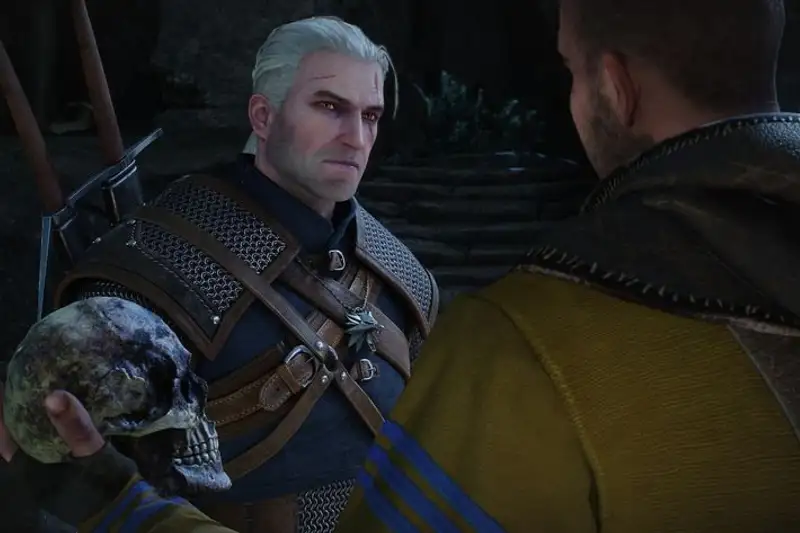
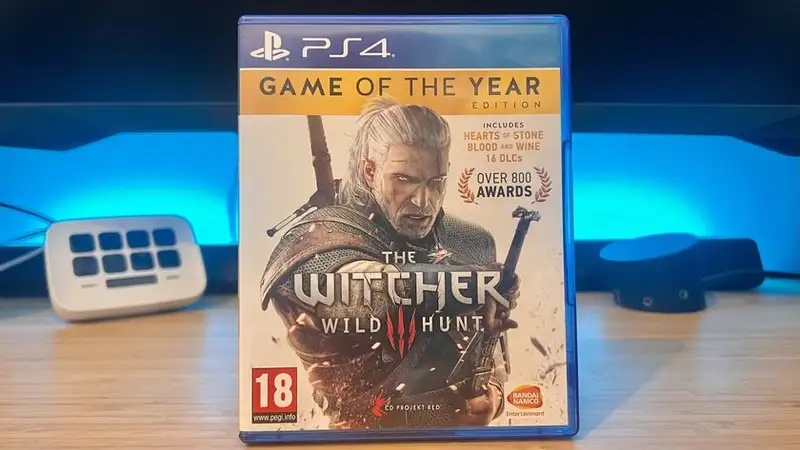
- CD Projekt Red raised the Steam price of The Witcher 3 Complete Edition by $10 weeks before its free next-gen update.
- The Complete Edition still offers a free upgrade to the remastered version for all purchasers.
- Concurrently, the same game was discounted by 50% on GOG, highlighting a significant pricing discrepancy.
- The timing and quiet nature of the price hike have prompted community discussion about CD Projekt Red's consumer-focused reputation.
Just weeks shy of the much-anticipated next-generation update for their acclaimed RPG, The Witcher 3: Wild Hunt, CD Projekt Red has implemented a subtle yet significant price adjustment for the game's Complete Edition on Steam. This move, observed by vigilant community members and verified across regions, sees the title's digital storefront cost increase, stirring conversation among fans and raising questions about the timing and rationale behind such a decision.
Quick summary
- CD Projekt Red silently increased the price of The Witcher 3: Wild Hunt Complete Edition on Steam by $10 (or equivalent regional currency) approximately a month before its free next-gen update.
- Purchasers of the Complete Edition will still receive the upcoming remastered version as a free upgrade, making the price hike apply to a product soon to be enhanced.
- Concurrently, the same Complete Edition is available for a 50% discount on GOG, a digital storefront co-founded by CD Projekt.
- The timing of the price adjustment, just prior to a major free upgrade, has prompted scrutiny from the gaming community regarding the developer's consumer-focused reputation.
Why it matters
This pricing adjustment by CD Projekt Red carries significant implications, particularly for consumer trust and industry pricing practices. For players, it means that new buyers looking to acquire The Witcher 3 and benefit from the free next-gen upgrade will now pay a higher entry price on Steam, despite the game having been on the market for years. This contrasts sharply with the long-held expectation of price reductions over a game's lifecycle, or at least stable pricing when a free upgrade is offered.
Beyond individual purchases, the move impacts CD Projekt Red's corporate image. Historically revered for its pro-consumer policies—including DRM-free releases and generous post-launch support—the company has faced challenges to this reputation following the launch of Cyberpunk 2077. A sudden price increase ahead of a free upgrade, especially with a glaring price discrepancy on GOG, risks further eroding goodwill, suggesting a shift towards more aggressive monetization strategies that prioritize short-term revenue over long-term player relationships.
For the wider gaming industry, this incident highlights the complex dynamics of digital storefront pricing, platform parity, and the perceived value of remasters or next-gen updates. It could set a precedent or at least invite discussion on how developers manage pricing for older titles receiving significant enhancements, especially when those enhancements are advertised as free upgrades. The balancing act between profitability and maintaining a positive community perception is a constant challenge, and CD Projekt Red's actions here will be closely watched.
Background
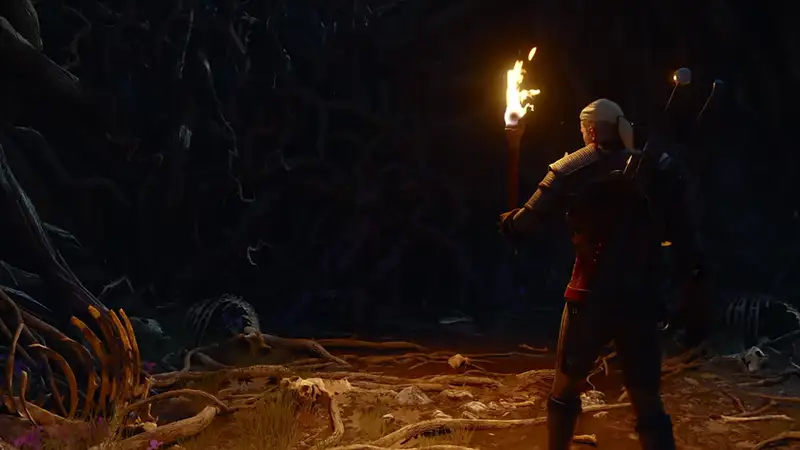
The Witcher 3: Wild Hunt, originally released in 2015, quickly cemented its status as one of the most critically acclaimed role-playing games of all time. Developed by Polish studio CD Projekt Red, it was praised for its expansive open world, compelling narrative, rich characters, and engaging combat. The game received two substantial story expansions, Hearts of Stone and Blood and Wine, which were bundled together with the base game as the Complete Edition, offering a comprehensive package for new players.
CD Projekt Red earned a strong reputation for its ethical business practices, including its stance against Digital Rights Management (DRM) and its commitment to delivering extensive, high-quality post-launch content, often for free. This player-friendly approach fostered a deeply loyal community that largely overlooked minor technical issues, viewing the studio as a champion for consumers in an industry often criticized for predatory monetization.

However, this reputation faced its sternest test with the tumultuous launch of Cyberpunk 2077 in December 2020. Plagued by widespread performance issues, especially on last-generation consoles, the game's release led to significant backlash, refunds, and even its temporary removal from the PlayStation Store. While CD Projekt Red has since worked diligently to patch and improve Cyberpunk 2077, the incident undeniably tarnished its once-pristine image as a developer always prioritizing players.

In this context, the announcement of a free next-gen upgrade for The Witcher 3 was largely seen as a positive step, a return to form for CD Projekt Red, offering a beloved title new life with visual and gameplay enhancements for modern hardware. The update promised improved textures, ray tracing, faster load times, and quality-of-life adjustments, aiming to bring the 2015 RPG up to contemporary standards. It was understood that existing owners of the game on PC, PlayStation 4, and Xbox One would receive this upgrade at no additional cost, a move consistent with the studio's earlier goodwill gestures. The subsequent, quiet price increase on Steam for the very edition that offers this free upgrade thus introduces an unexpected wrinkle, occurring approximately a month before the remaster's expected release.

The Price Anomaly: Steam vs. GOG
One of the most perplexing aspects of this price adjustment is the stark contrast between Steam and GOG. While The Witcher 3 Complete Edition saw its price rise on Steam to $49.99 (from its previous $39.99 in the US), the same edition was simultaneously available on GOG, a digital distribution platform co-founded by CD Projekt, at a 50% discount. This discrepancy means that players could acquire the game for significantly less on GOG compared to Steam, even after the Steam price hike.
This disparity is particularly notable because, despite GOG (formerly Good Old Games) operating independently, CD Projekt Red, as its parent company, would still influence or approve pricing strategies across various platforms. The existence of such a significant price difference on platforms where the developer has direct influence raises questions about strategic intent. Is it an attempt to drive traffic to GOG, or simply an oversight in pricing synchronization? The lack of official communication from CD Projekt Red regarding the Steam price increase further fuels speculation and confusion among the player base.
A History of Player Relations
CD Projekt Red has long cultivated an image of a developer deeply attuned to its player community. This was evident in their commitment to making their games DRM-free, a move highly appreciated by PC gamers. Their expansions for The Witcher 3 were lauded not just for their quality, but also for being substantial, story-rich additions that felt like mini-games in themselves, offering immense value for money. This consumer-first philosophy became a cornerstone of their brand identity.
The Cyberpunk 2077 launch, however, severely tested this perception. The game's unfinished state on base consoles and the perceived lack of transparency leading up to its release led many to question whether the studio's dedication to players had waned under the pressure of blockbuster expectations. While significant efforts have been made to redeem Cyberpunk 2077, the memory of that rocky launch still lingers. Against this backdrop, even a seemingly minor price increase on an older title, particularly when a free upgrade is imminent and a cheaper alternative exists on another platform, becomes magnified. It's perceived as a potential shift away from the pro-consumer ethos that once defined the company, raising concerns about their future engagement with their loyal fanbase.
What the Remastered Update Brings
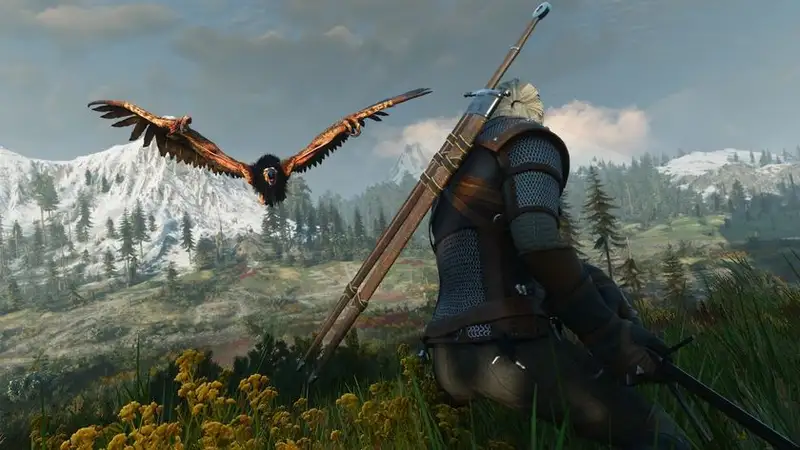
The upcoming next-gen update for The Witcher 3: Wild Hunt promises to breathe new life into the beloved RPG. Among the anticipated improvements are enhanced visuals, including ray tracing support for more realistic lighting and reflections, higher-resolution textures, and improved environmental details. Gameplay refinements are also on the agenda, with CD Projekt Red stating intentions to make combat 'much more smooth and precise', aiming for the 2015 title to compete with contemporary releases in terms of player experience.
For existing owners, this update, delivered free of charge, represents a substantial value proposition, extending the lifespan and visual fidelity of a game many already cherish. It's a move that typically reinforces positive developer-player relationships. However, the pre-update price hike on Steam for new buyers subtly alters this narrative. While the upgrade itself remains free for those who already own the game or purchase it before the hike, new entrants to the world of Geralt on Steam will now pay a premium for a product that has been available for years, even if it's about to get a significant facelift.
Qnews24h insight
The quiet price adjustment for The Witcher 3 Complete Edition on Steam by CD Projekt Red, occurring just weeks before a significant free next-gen upgrade, represents a nuanced and potentially risky strategic maneuver. While economically understandable to capitalize on renewed interest generated by the remaster announcement, the method—a silent price hike rather than a transparent communication—and the glaring price disparity with GOG, risk further eroding the goodwill CD Projekt Red has long cultivated. Coming off the heels of the Cyberpunk 2077 launch difficulties, the studio's reputation for being 'pro-consumer' is already under scrutiny. This particular action, despite the free upgrade being maintained for existing owners, could be perceived by new potential buyers as opportunistic and less aligned with their historical commitment to player value. It suggests a growing tension within the company's strategy between maximizing revenue and meticulously upholding its cherished brand identity, a balance that requires delicate management in today's interconnected gaming community.
Sources
FAQ
Why did The Witcher 3 Complete Edition price increase on Steam?
CD Projekt Red quietly raised the price of The Witcher 3 Complete Edition on Steam shortly before the release of its free next-generation upgrade. While no official reason was given, it is speculated to be a move to capitalize on the renewed interest and increased value of the game due to the upcoming visual and gameplay enhancements.
Will existing owners of The Witcher 3 Complete Edition still get the next-gen upgrade for free?
Yes, CD Projekt Red has confirmed that all existing owners of The Witcher 3: Wild Hunt, including those who own the Complete Edition, will receive the upcoming next-generation remaster as a free upgrade on PC, PlayStation 5, and Xbox Series X/S.
Is the price increase consistent across all platforms and storefronts?
No, the price increase was primarily observed on Steam. Notably, at the time of the price adjustment, The Witcher 3 Complete Edition was available at a significant 50% discount on GOG, a digital distribution platform co-founded by CD Projekt, creating a noticeable disparity in pricing across storefronts.
What does the upcoming Witcher 3 Remastered update include?
The free next-gen update for The Witcher 3 includes various enhancements such as ray tracing support, improved textures, faster loading times, and quality-of-life improvements. The developers also mentioned tweaks to combat to make it 'much more smooth and precise,' aiming for the game to better stand up to today's titles.
Why it matters
The quiet price hike for The Witcher 3 Complete Edition on Steam, just before a free next-gen upgrade, impacts consumer perception and CD Projekt Red's brand. It forces new buyers on Steam to pay more for an older title while it's heavily discounted elsewhere, potentially eroding trust built on the developer's historical pro-consumer stance. This also sets a precedent for how older games receiving significant, free updates are valued and priced in the digital marketplace.
Background
The Witcher 3: Wild Hunt, a critically acclaimed RPG from 2015, established CD Projekt Red's reputation for high-quality, player-friendly practices, including DRM-free releases and substantial free updates. This goodwill was challenged by the problematic launch of Cyberpunk 2077 in 2020. The announcement of a free next-gen upgrade for The Witcher 3 was seen as a move to reinforce player trust by enhancing a beloved title. However, the subsequent, unannounced price increase on Steam for the Complete Edition — the very version receiving this free upgrade — introduced an unexpected shift in strategy weeks before the remaster's release.
CD Projekt Red's decision to quietly increase the price of The Witcher 3 Complete Edition on Steam, particularly while offering a substantial discount on GOG and ahead of a free next-gen update, is a calculated move that risks short-term gains against long-term brand equity. While the studio is entitled to adjust pricing, the lack of transparency and the inconsistent pricing across its own-affiliated platforms undermine its carefully cultivated image as a pro-consumer developer. In the wake of the Cyberpunk 2077 launch, this action, however minor, could further strain player trust and suggest a strategic shift towards more aggressive monetization, potentially alienating a segment of its...
References
Editorial information
The editorial team reviews sources, adds context, and structures stories so readers can understand the news more clearly.
Article from QNEWS24H
Comments
(0)No comments yet. Be the first to share your thoughts.