CD Projekt Red Prioritizes Human Creativity for The Witcher 4 Amidst AI Debate

- CD Projekt Red's CEO confirms 'The Witcher 4' development is predominantly human-led.
- AI is viewed as a supplementary 'tool' to aid development, not a core creative force.
- The studio rejects full AI-generated games, citing ethical concerns.
- CDPR encourages other developers to make their own judgments on AI's role.
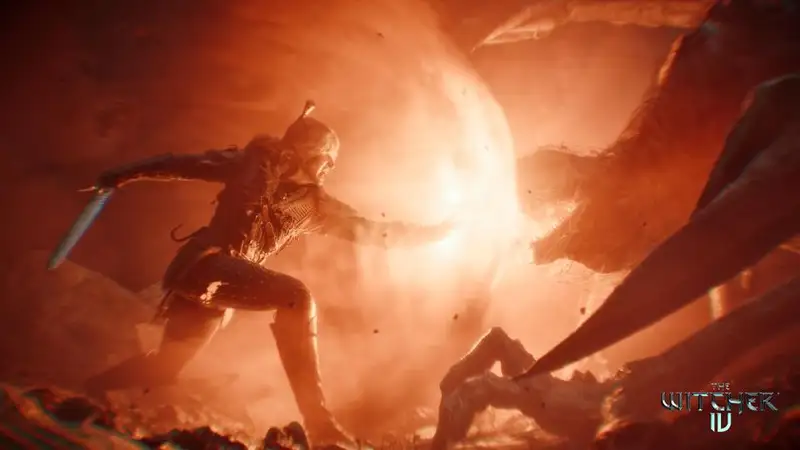
As generative artificial intelligence increasingly permeates creative industries, sparking both excitement and anxiety, one of the gaming world's most respected developers is drawing a clear line in the sand. CD Projekt Red, the Polish studio renowned for its meticulously crafted narratives and expansive worlds in The Witcher series and Cyberpunk 2077, has clarified its position on AI's role in the development of its highly anticipated next title, 'The Witcher 4' (codenamed Project Polaris). The message is unequivocal: human creativity remains paramount.
Quick summary
- CD Projekt Red's joint CEO, Michał Nowakowski, stated that the studio is 'still predominantly using people' for game development, including 'The Witcher 4'.
- Nowakowski views AI as a supplementary 'tool' to assist in specific areas of development, rather than a primary creative force.
- The company explicitly rejects the concept of relying on AI to generate entire games, citing ethical concerns regarding such an approach.
- CDPR believes each development studio must independently assess its own ethical and practical stance on AI integration.



Why it matters
This declaration from a major player like CD Projekt Red carries significant weight for several reasons. Firstly, for the vast community of gamers, it offers reassurance that the artistic integrity and human touch – qualities for which CDPR is celebrated – will be preserved in future titles. In an era where concerns about 'AI slop' and generic, algorithm-generated content are rising, this commitment signals a dedication to high-quality, handcrafted experiences.
Secondly, it has profound implications for the gaming industry's workforce. The rapid advancement of AI has fueled anxieties among artists, writers, programmers, and designers about job displacement. CDPR's stance, emphasizing continued human employment, serves as a counter-narrative to fears that AI will completely automate creative roles, offering a glimmer of hope for job security and the value of human skill. It also subtly pressures other studios to articulate their own philosophies on AI adoption, potentially influencing broader industry standards and best practices.
Finally, it contributes to the broader ethical discourse surrounding AI in creative fields. By labeling fully AI-generated games as an 'unethical path,' CD Projekt Red highlights the moral dimensions developers grapple with. This isn't just about efficiency or cost-cutting; it's about the very definition of art, authorship, and the impact on human creativity. Their position suggests that while technological advancement is inevitable, ethical boundaries must be established and respected, influencing public perception and regulatory discussions on AI use.

Background
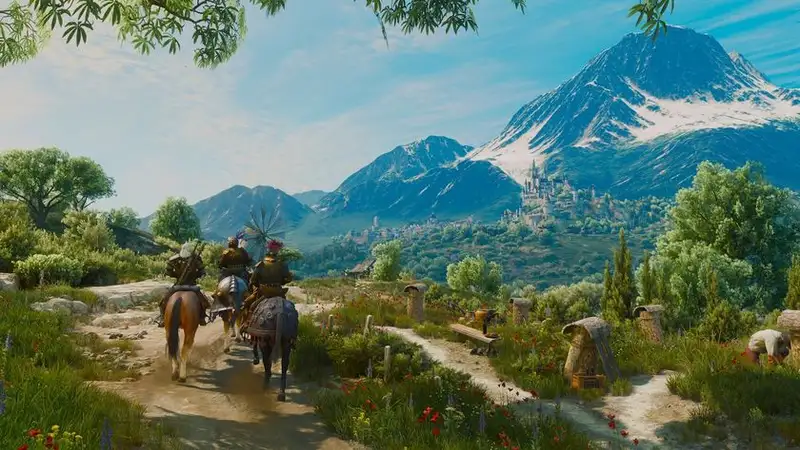
The conversation around artificial intelligence in game development isn't new, but it has intensified dramatically over the past couple of years with the emergence of powerful generative AI tools. These tools, capable of producing text, images, and even rudimentary game assets, have sparked a vigorous debate across the entertainment sector. From Hollywood writers' strikes that included demands for AI regulation to artists protesting the use of their work to train AI models without consent, the creative world is wrestling with how to adapt without compromising artistic integrity or human livelihoods.
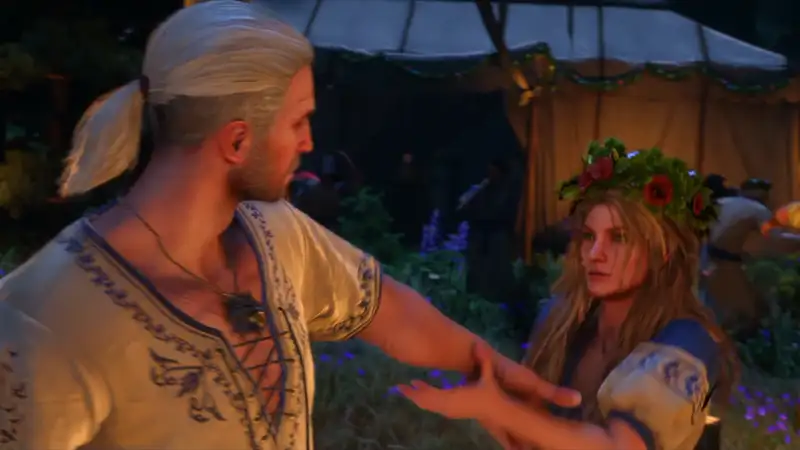
In the gaming sphere, developers have experimented with AI for various purposes, including procedural generation of environments, enhancing NPC behavior, and streamlining repetitive tasks. However, the prospect of AI creating core narrative elements, character designs, or entire game worlds has been met with significant resistance from many in the creative community. Concerns range from intellectual property rights and originality to the potential for producing soulless, uninspired content. Smaller indie studios, often seen as fertile ground for innovation, have also expressed caution, with many actively avoiding generative AI for core creative tasks due to quality and ethical concerns.
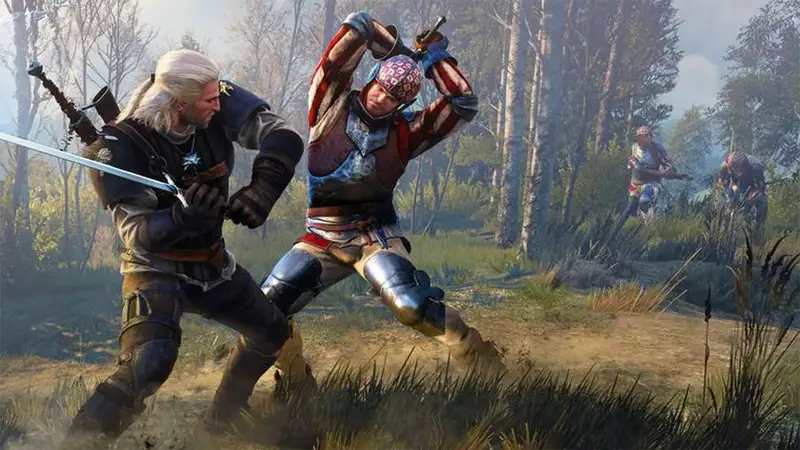
CD Projekt Red itself has a history rooted in delivering deeply immersive, narrative-driven experiences, from the intricate moral choices of The Witcher trilogy to the sprawling dystopian cityscape of Night City in Cyberpunk 2077. This reputation for craftsmanship and player immersion has arguably set a high bar for their future projects. Against this backdrop, the company's explicit statement on AI for 'The Witcher 4' reflects a commitment to a development philosophy that prioritizes the unique, often unpredictable, spark of human imagination over algorithmic efficiency, aligning with their established brand identity.
Qnews24h insight
CD Projekt Red's recent statement regarding AI integration in 'The Witcher 4' reflects a cautious yet pragmatic approach, one that acknowledges technological advancements while firmly upholding core creative values. Joint CEO Michał Nowakowski's distinction between AI as a 'tool' and AI as a 'creator' is crucial. It suggests a future where AI might optimize mundane or repetitive tasks—perhaps aiding in asset generation for environmental details, streamlining animation processes, or assisting with code debugging—thereby freeing human developers to focus on higher-level creative challenges: crafting compelling stories, designing intricate quests, and refining gameplay mechanics. This 'augmentation, not replacement' philosophy positions CDPR not as technophobes, but as discerning adopters of new technology.

However, Nowakowski's comment that 'everybody has to make those judgments on their own' also highlights the lack of a universal industry standard or ethical consensus on AI's role. While CDPR can commit to its own principles, competitive pressures, investor expectations, and the rapid evolution of AI capabilities could see other studios adopt more aggressive, AI-centric development models. The long-term challenge for CD Projekt Red, and indeed for the entire industry, will be to maintain this human-centric balance without falling behind in terms of efficiency or innovation. Their success will not only be measured in game sales but also in their ability to continue delivering experiences that feel authentically crafted, reaffirming the enduring value of human artistry in a technologically transforming landscape.
Sources


FAQ
What is CD Projekt Red's current stance on using AI in 'The Witcher 4' development?
CD Projekt Red's joint CEO, Michał Nowakowski, stated that the studio is 'still predominantly using people' for game development, including 'The Witcher 4'. He clarified that AI is viewed as a supportive 'tool' to assist specific tasks, not as a means to create entire games.
Why does CD Projekt Red consider fully AI-generated games unethical?
While the company did not elaborate on specific ethical concerns, Nowakowski explicitly stated, "I don't even think this is the right or ethical path to follow" for creating complex games like theirs. This suggests concerns regarding artistic integrity, potential job displacement for human creators, and the overall quality or 'soul' of experiences crafted solely by algorithms.
How might AI be used as a 'tool' in game development without replacing human creativity?
As a tool, AI can assist developers in various non-creative or repetitive tasks. This could include generating simple environmental assets, automating certain testing procedures, assisting with code optimization, or enhancing NPC pathfinding. By taking over mundane work, AI can free up human designers, artists, and writers to focus on the more complex, creative, and narrative-driven aspects of game development.
Does CD Projekt Red's stance influence the broader gaming industry?
As a prominent and respected developer, CD Projekt Red's public commitment to human-centric development can set a precedent and influence discussions across the industry. It provides a strong voice in the ongoing debate about AI ethics and quality, potentially encouraging other studios to adopt similar cautious or human-first approaches to integrating AI into their creative processes.
Why it matters
This statement offers reassurance to gamers about the artistic integrity of future CD Projekt Red titles. It provides a counterpoint to job displacement fears among creative professionals in the gaming industry, emphasizing the value of human talent. Furthermore, it contributes to the broader ethical debate surrounding AI's role in creative fields, highlighting the moral considerations beyond mere efficiency.
Background
The rapid advancement of generative AI tools has escalated the debate over AI's role in creative industries, including gaming, leading to anxieties about job security and artistic originality. Many artists and writers have protested against AI's use without consent, while some indie developers also express caution. CD Projekt Red, known for its high-quality, narrative-driven games, has now publicly clarified its human-first stance for 'The Witcher 4,' aligning with its established brand identity amidst these industry-wide discussions.
CD Projekt Red's position on AI for 'The Witcher 4' demonstrates a nuanced, pragmatic approach: embracing AI as an efficiency tool while safeguarding human creative control. This 'augmentation, not replacement' strategy is a deliberate move to maintain artistic integrity, vital for a studio famed for its storytelling and world-building. However, this stance also highlights the industry's fragmented ethical landscape, as other studios might prioritize different trade-offs. The long-term success of CDPR's model will gauge whether a human-first commitment can remain competitive and innovative in a rapidly evolving, AI-influenced development environment.
References
Editorial information
The editorial team reviews sources, adds context, and structures stories so readers can understand the news more clearly.
Article from QNEWS24H
Comments
(0)No comments yet. Be the first to share your thoughts.