Breaking the Cockpit Barrier: How Brigador Killers Reimagines Mech Gameplay

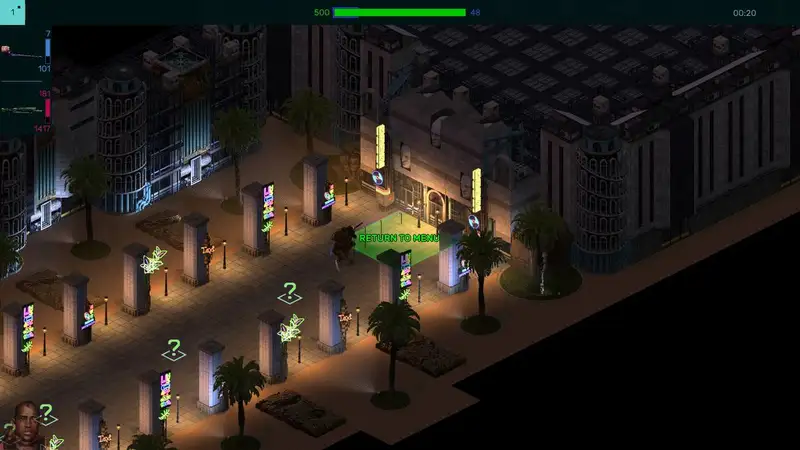
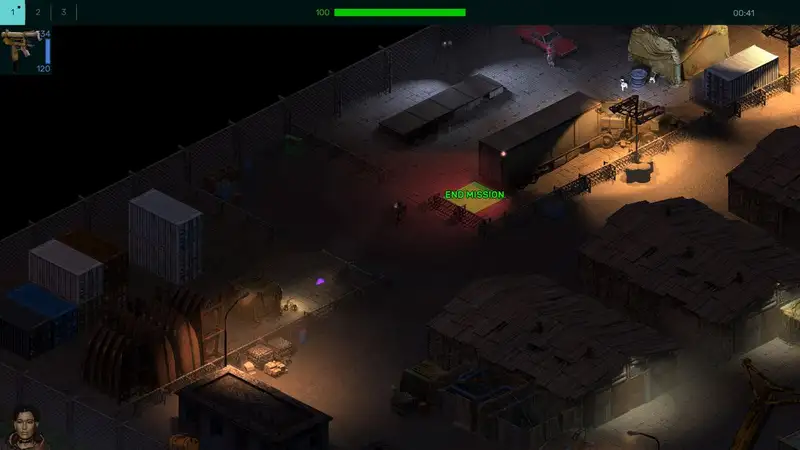
- Brigador Killers will feature on-foot gameplay, a significant departure from traditional mech game design and its predecessor.
- Developers estimate this feature added five years to the game's development due to vastly increased complexity.
- On-foot mechanics aim to deepen narrative immersion, clarify the game's genre, and allow for direct character interaction.
- Implementing human-scale gameplay required extensive new systems for inventory, environmental interaction, and vehicle handling.
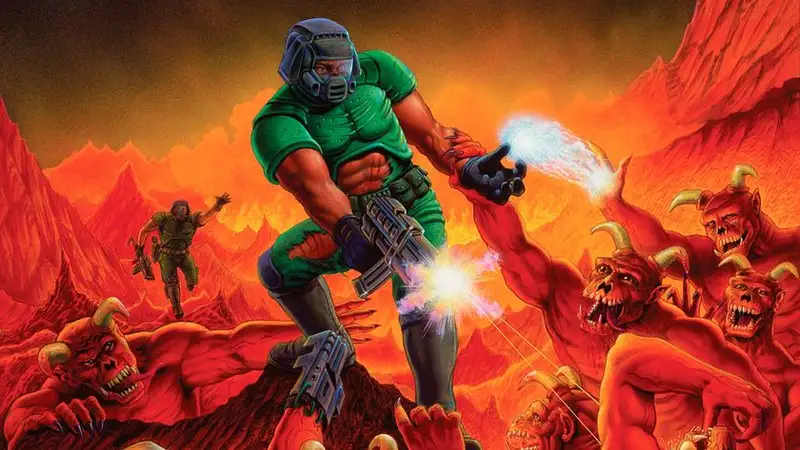
For decades, the mech game genre has largely confined players to the formidable cockpits of their colossal war machines. This design choice, while creating a unique sense of power and scale, often limits direct human interaction with the game world. However, an upcoming title, *Brigador Killers*, is challenging this convention, allowing players to step out of their mechs and experience the battlefield from a vulnerable, human perspective, a decision its developers admit came with a surprisingly hefty price tag in terms of development.

Quick summary
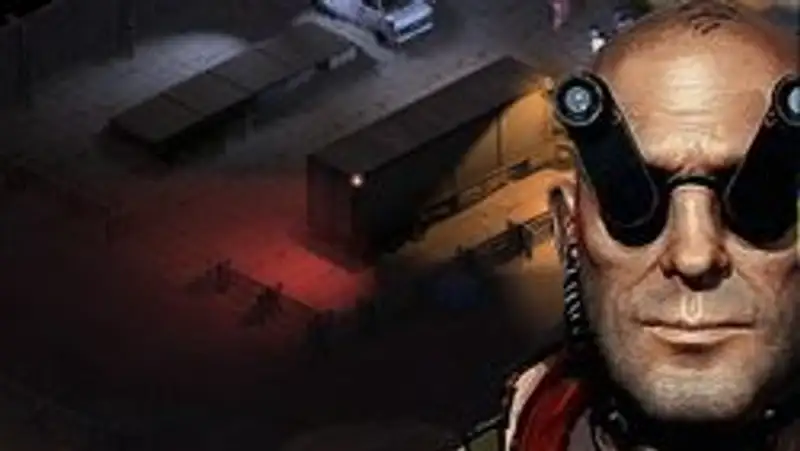
- *Brigador Killers*, the sequel to the 2014 cult classic, will feature extensive on-foot gameplay, a significant departure for the isometric mech genre.
- Developers Hugh and Jack Monahan humorously estimate that the decision to include on-foot mechanics added five years to the game's development timeline due to unforeseen complexities.
- This feature is intended to deepen narrative immersion, allow for character interaction, and help clarify the game's genre to players who might otherwise mistake its isometric view for a real-time strategy title.
- Implementing human-scale interaction necessitated the creation of entirely new game systems, including inventory management, item pick-up/drop, and enhanced environmental interactivity.

Why it matters

The inclusion of on-foot gameplay in *Brigador Killers* represents more than just an additional feature; it's a fundamental shift that could redefine player expectations within the mech genre. For players, it promises a level of immersion and narrative depth rarely seen, allowing them to truly grasp the scale of their vehicles and the world they inhabit by contrasting it with their human form. This design choice also offers new strategic possibilities and avenues for exploration, moving beyond pure combat into richer storytelling. For game developers, *Brigador Killers* serves as a stark reminder of the exponential complexity that seemingly simple features can introduce, demanding extensive resource allocation and creative problem-solving. Should it succeed, it might inspire other studios to push the boundaries of established genres, fostering greater innovation and player agency in future titles.
Background
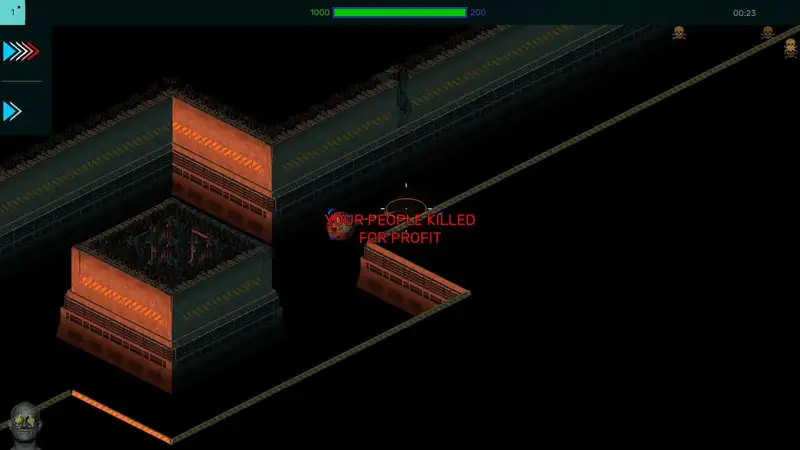
The original *Brigador*, released in 2014, earned a dedicated following for its intense isometric mech combat and atmospheric, dystopian world. Players commanded powerful, customizable mechs, obliterating environments and enemies in a top-down, tactical fashion. However, like most games in its category—from the classic *MechWarrior* series to recent titles like *Armored Core VI*—the player's perspective remained firmly within the cockpit, emphasizing the vehicle over the pilot's direct interaction with the ground. Rare exceptions, such as *Titanfall* with its pilot and titan mechanics or early access titles like *Psycho Patrol R*, have demonstrated the appeal of this duality, yet it remains largely unexplored.

The Monahan brothers, Hugh (lead designer) and Jack (artist), who developed the original *Brigador* with a lean team of four, embarked on *Brigador Killers* with a clear vision to expand on its predecessor's foundation. The sequel has been in development for a decade, a testament to its ambitious scope. This extended timeline is directly linked to the decision to incorporate on-foot segments, transforming a comparatively simpler vehicle-focused experience into one demanding intricate systems for human-scale interaction and narrative engagement.

The Unexpected Complexity of Stepping Out

The concept of exiting a mech seems straightforward, yet as Hugh Monahan quipped, it 'added five years of development time.' This seemingly innocuous request unveiled a cascade of design and programming challenges. In the original *Brigador*, players only managed a vehicle, simplifying interactions with weapons, terrain, and enemies. Introducing a human character, however, meant accounting for vastly different scales and capabilities.
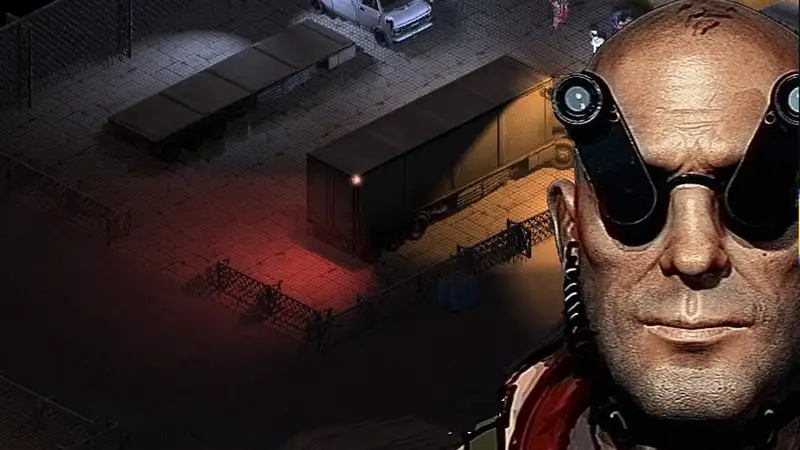
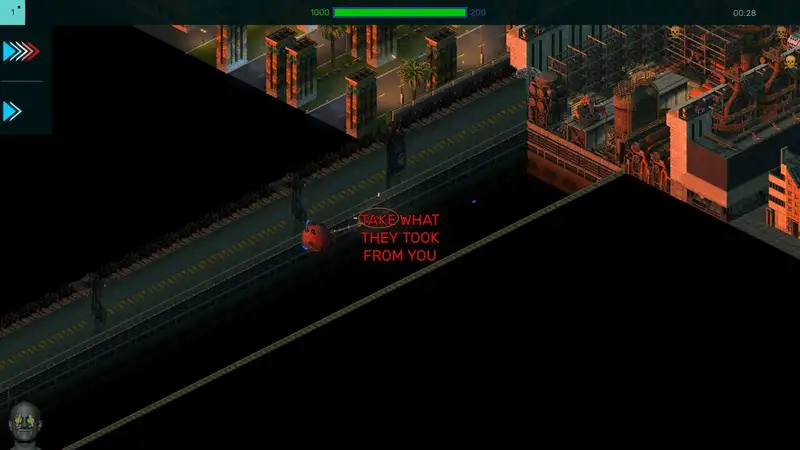
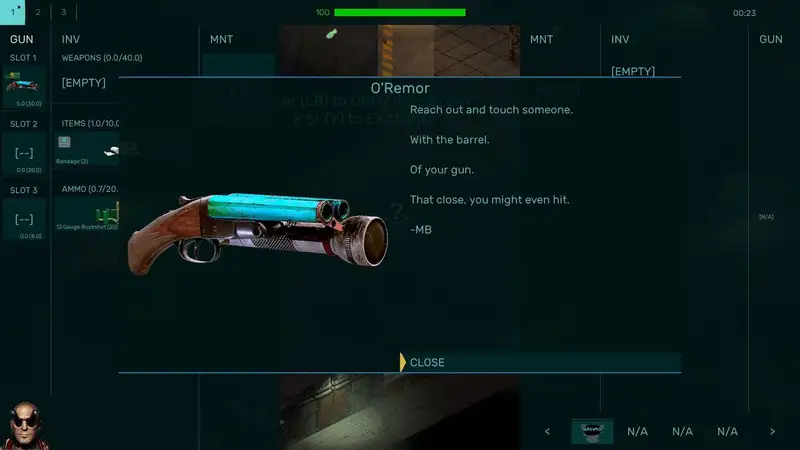
Suddenly, the development team had to grapple with a new set of player expectations. As Hugh explained, while shooting a mech and not being able to pick up its weapons is acceptable, the same isn't true for an infantry character. This necessitated the implementation of a comprehensive inventory system, the ability to pick up and drop items, and a much deeper level of environmental interaction. Players would expect to talk to non-player characters, interact with objects like payphones, and even drive smaller vehicles, which then required their own set of physics and interactions, like fitting a car onto a flatbed.
Expanding World Interaction and Narrative
Jack Monahan emphasized that these expanded mechanics serve a crucial purpose beyond novelty: enhancing storytelling and clarifying the game's genre. For new players, *Brigador*'s isometric perspective and pre-rendered environments sometimes led to misconceptions, with some assuming it was a real-time strategy game. By placing a human character at the center of the screen, the game immediately communicates that the player is controlling 'the little guy running around,' clarifying its action-oriented, immersive sim inspirations.
This human perspective allows for deeper engagement with *Brigador*'s rich, dystopian lore. Hugh noted that fans often expressed a desire to spend more time within the game's world without constantly being in combat. The on-foot sections provide opportunities for quieter moments, exploration, and direct interaction with the setting and its inhabitants, offering a more nuanced picture of what it's like to exist in this war-torn universe. This fulfills a key fantasy for players: truly inhabiting the game's space.

Team Growth and Fan Contributions
The monumental task of developing *Brigador Killers* with its expanded feature set also led to a significant scaling up of the development team. Jack Monahan recounted that the original *Brigador* was built by just four individuals, a demanding endeavor. For the sequel, Stellar Jockeys adopted a model akin to early id Software, bringing on board many individuals who were initially fans and modders of the first game. These community members, who had already demonstrated their passion and skill by creating maps and edits, are now integral to building the expanded world of *Brigador Killers*, effectively turning their 'punishment' into a professional contribution.

Players eager to experience this evolution can wishlist *Brigador Killers* and try its demo on Steam, which recently received a substantial update including new story content and quality-of-life improvements. The original *Brigador* also remains available for those wishing to delve into its foundational experience.

Qnews24h insight

Stellar Jockeys' decision to integrate on-foot gameplay into *Brigador Killers*, despite the considerable development overhead, marks a bold commitment to player immersion and narrative depth over adhering to traditional genre strictures. This move illuminates the often-underestimated complexity inherent in game design, where a seemingly minor feature can ripple through every aspect of development. By consciously trading a streamlined production timeline for a more expansive and interactive experience, *Brigador Killers* is poised to offer a unique blend of visceral mech combat and intimate human-scale exploration. This strategic gamble could not only differentiate the game in a competitive market but also inspire a re-evaluation of how player agency and environmental interaction are approached within the broader mech genre, potentially forging new pathways for storytelling and engagement in future titles.

Sources



FAQ
What is Brigador Killers and how does it differ from the original Brigador?
Brigador Killers is the upcoming sequel to the 2014 cult classic mech combat game, Brigador. Its primary difference and most ambitious feature is the introduction of on-foot gameplay, allowing players to exit their mechs and engage with the world from a human perspective, a significant departure from the original's vehicle-only combat.

Why is adding on-foot gameplay such a complex feature for a mech game?

Developers Hugh and Jack Monahan revealed that this feature 'added five years of development time.' The complexity stems from the need to create entirely new systems for human-scale interactions, including inventory management, item manipulation, conversational mechanics with NPCs, and the ability to operate smaller vehicles. This contrasts sharply with the simpler, vehicle-focused systems of most mech games.

What are the benefits of including on-foot segments in Brigador Killers?
The developers state that on-foot gameplay enhances storytelling and player immersion, allowing for deeper engagement with the game's lore and characters. It also helps clarify the game's genre for new players, distinguishing it from real-time strategy games often confused with its isometric perspective. This feature aims to fulfill player desires for more direct interaction with the game's rich world.
Why it matters
The introduction of on-foot gameplay in *Brigador Killers* is a bold design choice that could significantly impact the mech genre. For players, it promises unprecedented immersion, allowing them to truly grasp the scale of their mechs and the world by contrasting it with their vulnerable human form, while also opening doors for richer storytelling and varied gameplay. For game developers, it serves as a powerful case study illustrating the hidden complexities and resource demands of seemingly simple features, potentially inspiring future innovations in how player agency and environmental interaction are integrated into established genres.
Background
The original *Brigador* (2014) established itself as a beloved cult classic with its intense isometric mech combat. However, typical of the genre, players remained confined to their vehicles. The developers, Hugh and Jack Monahan, are now building *Brigador Killers*, a sequel that has been in development for a decade. This extended timeline is largely due to the ambitious decision to integrate on-foot gameplay, a rare feature in mech titles outside of a few exceptions like *Titanfall*. This shift demands a radical expansion of game systems, moving from a purely vehicle-centric design to one that seamlessly blends massive mech warfare with intricate human-level interaction and narrative...
Stellar Jockeys' commitment to implementing on-foot gameplay in *Brigador Killers*, despite the substantial development challenges and extended timeline, represents a significant editorial statement on game design priorities. This bold move underscores a growing industry trend towards deeper player immersion and narrative complexity, even at the cost of conventional efficiency. Rather than simply delivering 'more of the same,' the studio is actively shaping a more nuanced player experience, suggesting that future titles, particularly within established genres, may increasingly prioritize ambitious, genre-bending features to stand out, even if it means revisiting fundamental design...
References
Editorial information
The editorial team reviews sources, adds context, and structures stories so readers can understand the news more clearly.
Article from QNEWS24H
Comments
(0)No comments yet. Be the first to share your thoughts.