Blizzard Fires WoW Game Master for Boss 'One-Shot' Cheating; Complicit Players Also Punished
- Blizzard Entertainment fired a World of Warcraft Game Master for using developer tools to instantly kill dungeon bosses for friends.
- The incident was exposed by player community combat logs and a player's confession, leading to swift company investigation.
- Blizzard will take action against player accounts complicit in the cheating, and the affected dungeon run was disqualified from rankings.
- The company emphasized the incident was an isolated violation by a single employee, with internal logging confirming the breach of policy.
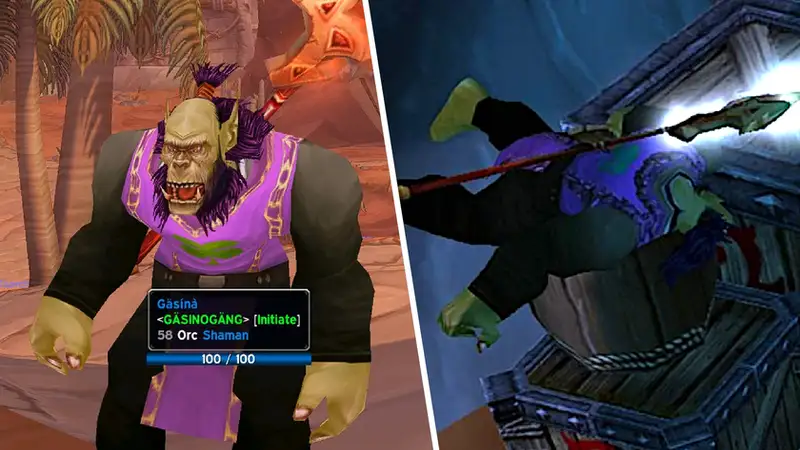
A recent scandal has rocked the World of Warcraft community, exposing a serious breach of trust from within Blizzard Entertainment's own ranks. An internal Game Master (GM) was discovered to have used powerful developer abilities to instantly vanquish high-level dungeon bosses, offering an illicit advantage to friends in a competitive setting. The incident, swiftly met with condemnation from players, prompted Blizzard to take immediate and decisive action, terminating the employee and promising sanctions against all complicit player accounts.
Quick summary

- A World of Warcraft Game Master was fired for using internal tools to 'one-shot' Mythic+ dungeon bosses for friends.
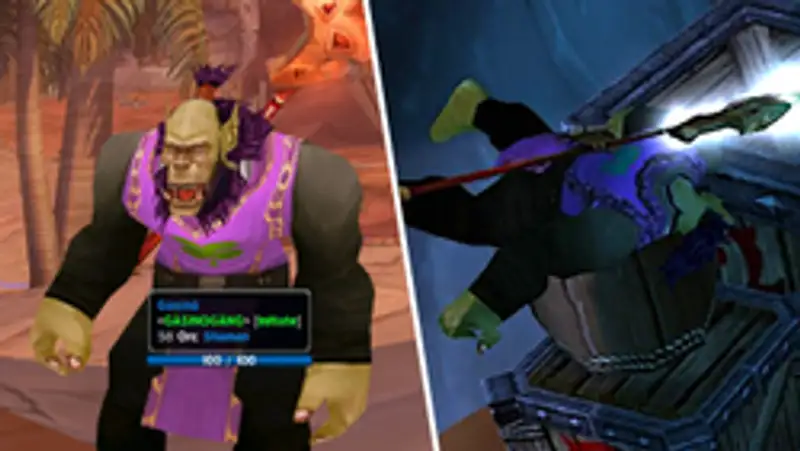
- The GM's actions were exposed via combat logs and a subsequent confession from a player involved during a Twitch stream.
- Blizzard Entertainment confirmed the incident was an isolated violation of its Code of Conduct by a single employee.
- The company announced it would take action against the player accounts that benefited from or were complicit in the cheating, and the affected dungeon run has been disqualified from rankings.



Why it matters
This incident strikes at the heart of competitive integrity and player trust in World of Warcraft, a game with millions of dedicated users and a thriving esports scene. When a developer, entrusted with maintaining the game's balance and fairness, abuses that power for personal gain, it erodes the fundamental principle of a level playing field. For players who invest countless hours honing their skills and grinding for achievements, the idea that others could bypass challenges through insider connections is deeply demoralizing.

Beyond individual player morale, the scandal raises critical questions about internal security protocols and access management within major game development studios. While Blizzard maintains this was an isolated event, the revelation prompts scrutiny of how developer tools are monitored and the potential for similar abuses, however rare, to undermine the competitive ecosystem of not just World of Warcraft, but the broader online gaming industry. It reinforces the necessity for rigorous oversight to protect the integrity of online competitive play and preserve the hard-earned achievements of legitimate players.

Background
Game Masters (GMs) have been a cornerstone of online role-playing games like World of Warcraft since their inception. Historically, GMs were highly visible figures within the game world, acting as in-game customer service representatives, moderating player behavior, and assisting with technical issues or bugged quests. They possessed unique, powerful abilities – often referred to as 'GM tools' or 'GM spells' – that allowed them to teleport, spawn items, or, critically, manipulate game environments and entities for administrative purposes. Their presence was crucial for maintaining order and resolving disputes in a persistent online world.
However, over the past decade, the role of GMs has largely shifted. Most routine customer service interactions are now handled through web-based support tickets and automated systems, making direct in-game GM intervention a rarer occurrence. When GMs do enter live servers, it's typically for specific, monitored reasons, such as testing raid encounters on Public Test Realms (PTR) or during 'world first' raid races to address critical, game-breaking bugs. This shift meant that the very existence of GMs with live-server access, let alone their ability to spectate and intervene, came as a surprise to many players when this incident surfaced.

The scandal itself unfolded earlier this week, drawing widespread attention across Reddit and other community platforms. Combat logs from a Mythic+ dungeon run were posted, revealing a boss with nearly full health suddenly expiring due to an unidentified 'GM ability.' Further investigation by the community quickly uncovered a similar instant kill earlier in the same run. The evidence was compounded when one of the players involved in the affected group openly confessed on a Twitch stream, admitting to requesting their GM friend's assistance to avoid redoing a difficult section of the dungeon. This public admission quickly amplified the community's outrage, demanding a swift and transparent response from Blizzard.
The Breach of Trust: GM Powers Misused
The core of the issue lies in the severe misuse of developer privileges. The Game Master, an employee of Blizzard, leveraged internal 'development tools and spells' on live servers. These tools, designed for crucial testing and urgent fixes, were instead deployed to grant an unfair advantage to a group of friends in a competitive Mythic+ dungeon environment. Mythic+ dungeons are timed, increasingly difficult versions of standard dungeons, offering lucrative rewards and global leaderboard rankings. The ability to instantly eliminate a boss — effectively skipping a significant challenge — directly undermines the competitive integrity of this system.
The incident quickly spiraled into a major community discussion, with many players expressing disbelief and frustration. The idea that someone with privileged access would abuse it for personal connections not only broke company policy but also violated the implicit trust players place in game developers to uphold fair play. The visible evidence in combat logs and the subsequent player confession made the situation undeniable, forcing Blizzard to address the issue head-on and demonstrate its commitment to fair play.

Blizzard's Swift Response and Policy Reinforcement

Blizzard Entertainment acted decisively in response to the controversy. Community manager Randy 'Kaivax' Jordan confirmed in a forum post that the employee responsible had been terminated. The statement underscored that the actions were a direct violation of the company's Code of Conduct. Crucially, Blizzard also announced that it would be 'taking action against the player accounts that were complicit in this violation,' signaling a zero-tolerance approach not only to the perpetrator but also to those who knowingly benefited from the illicit activity. While the exact nature of these player sanctions (e.g., temporary bans, permanent bans, item forfeiture) was not immediately specified, it sends a clear message about accountability.

The company also detailed its internal security measures, explaining that a 'small number of Blizzard employees' have access to these powerful tools for legitimate reasons. Every single use of these internal commands on live realms is logged and reviewed by the Platform Security team, a system designed to ensure that access is warranted and not abused. It was this very process, Blizzard stated, that allowed them to confidently confirm the incident was isolated to one individual, reinforcing their confidence in their oversight mechanisms despite this regrettable lapse.

Competitive Integrity in World of Warcraft
For World of Warcraft, particularly its competitive PvE (Player versus Environment) scene, the integrity of leaderboards and rankings is paramount. Platforms like Raider.io meticulously track Mythic+ dungeon completions, providing global rankings that signify player skill and dedication. The dungeon run in question, though perhaps not a 'world first' achievement, was for a title – a prestigious in-game reward. Raider.io has since disqualified the record for the compromised run, effectively erasing any ill-gotten gains from the leaderboards.
This incident, while seemingly isolated, casts a shadow over the competitive environment. It highlights the constant battle against cheating, whether through external software, exploits, or, in this rare case, internal abuse of power. Maintaining a fair competitive environment is crucial for the health of any online game, as it motivates players to strive for legitimate achievements and fosters a sense of accomplishment.

The Evolving Role of Game Masters

The scandal also sheds light on the evolving role of Game Masters. While GMs were once visible and active figures in the virtual world, their responsibilities have largely transitioned to behind-the-scenes support. This shift, driven by the sheer scale of modern MMORPGs and the efficiency of digital customer service, means that instances of GMs actively intervening in gameplay are rare and typically reserved for high-stakes, monitored scenarios. The fact that a GM was able to 'spectate' and intervene in a live dungeon run speaks to a lingering capability that, while necessary for some functions, also presents a vector for potential misuse.
This event serves as a stark reminder that even with advanced security protocols, the human element remains a critical factor in maintaining game integrity. The trust placed in employees with powerful administrative access is immense, and any breach of that trust has ripple effects throughout the player community.
Wider Implications for Online Gaming Ecosystems
The repercussions of such an incident extend beyond World of Warcraft. The online gaming industry, a multi-billion-dollar global market, relies heavily on fostering fair and trustworthy environments. Insider abuse, even if rare, can damage a company's reputation and lead to skepticism among its player base. Developers across the industry must continuously review and reinforce their internal security policies, access controls, and employee conduct guidelines to prevent similar occurrences.
This situation underscores the importance of transparency from game developers when such breaches occur. Blizzard's swift investigation, public statement, and commitment to penalizing all involved parties demonstrate a necessary level of accountability that helps to rebuild player confidence. Ultimately, the health of any online gaming ecosystem depends on the belief that everyone, from the casual player to the highest-ranking competitor, operates under the same set of rules, enforced impartially.
Qnews24h insight
While Blizzard's immediate and transparent response to the Game Master's abuse of power in World of Warcraft is commendable, the incident itself highlights a persistent vulnerability inherent in all complex online systems: insider threats. The company's reliance on comprehensive logging and security teams to detect such abuses, rather than entirely preventing the possibility of them, suggests a reactive rather than a purely proactive defense. For a studio of Blizzard's stature, with a history of maintaining one of the world's most enduring online games, this episode underscores that even robust internal controls are only as strong as the human element operating within them. It serves as a crucial reminder that continuous vigilance over privileged access, coupled with a strong ethical culture, remains paramount to safeguarding game integrity and player trust, particularly in competitive environments where any perceived unfairness can severely damage a game's ecosystem.
Sources
FAQ
What exactly did the World of Warcraft Game Master do?
The Game Master (GM) used their internal developer tools and abilities to instantly kill boss enemies in a Mythic+ dungeon for a group of friends. This provided an unfair advantage by allowing them to bypass difficult encounters without effort.
What actions has Blizzard taken in response to this incident?
Blizzard Entertainment swiftly fired the Game Master involved for violating their Code of Conduct. Additionally, the company announced it would be taking disciplinary action against all player accounts that were complicit in or benefited from the illicit activity. The affected dungeon run has also been disqualified from competitive rankings on Raider.io.
How did the World of Warcraft community discover this cheating?
The incident came to light after a Reddit user posted combat logs showing a boss with nearly full health suddenly dying to an unknown 'GM ability.' Further community investigation and a subsequent confession from one of the involved players on a Twitch stream corroborated the evidence, leading to widespread outrage and attention.
Does this mean Blizzard GMs are regularly interfering in live games?
Blizzard has stated that this was an isolated incident by a single employee. They explained that while a small number of employees have access to developer tools for necessary testing and urgent fixes on live servers, every use of these tools is logged and reviewed by their Platform Security team to ensure legitimate use.
Why it matters
This incident severely impacts the competitive integrity of World of Warcraft, particularly its Mythic+ dungeon rankings, and erodes player trust in the fairness of the game. It highlights critical vulnerabilities in internal access controls for powerful developer tools within major game studios and underscores the constant challenge of maintaining a level playing field in online gaming. For the player base, it's a stark reminder that even those meant to uphold the rules can break them, demanding strong, transparent enforcement from developers to restore confidence.
Background
Game Masters (GMs) in MMORPGs like World of Warcraft traditionally served as in-game support, but their role has largely shifted to behind-the-scenes support over time. This particular GM exploited powerful developer tools, usually reserved for testing or critical fixes, to 'one-shot' bosses in a Mythic+ dungeon, a competitive, timed challenge. The breach came to light through community-shared combat logs and was further confirmed by a player's confession on Twitch. The scandal raised questions about GM involvement in live games, as most customer service now occurs off-server, making direct in-game intervention uncommon.
While Blizzard's prompt and transparent response in terminating the Game Master and sanctioning complicit players is a necessary step to restore faith, this incident exposes a perennial challenge for all online game developers: balancing essential internal access with absolute security. The fact that an employee, despite internal logging and security oversight, could still abuse privileged tools for personal connections, underscores that human integrity remains the ultimate firewall. For Blizzard, already navigating complex community relations, this event, even if isolated, highlights the imperative for continuous reinforcement of ethical conduct and stricter real-time monitoring of...
References
Editorial information
The editorial team reviews sources, adds context, and structures stories so readers can understand the news more clearly.
Article from QNEWS24H
Comments
(0)No comments yet. Be the first to share your thoughts.