Bleach: Thousand-Year Blood War Part 4 'The Calamity' Episode 1 Review and Narrative Analysis
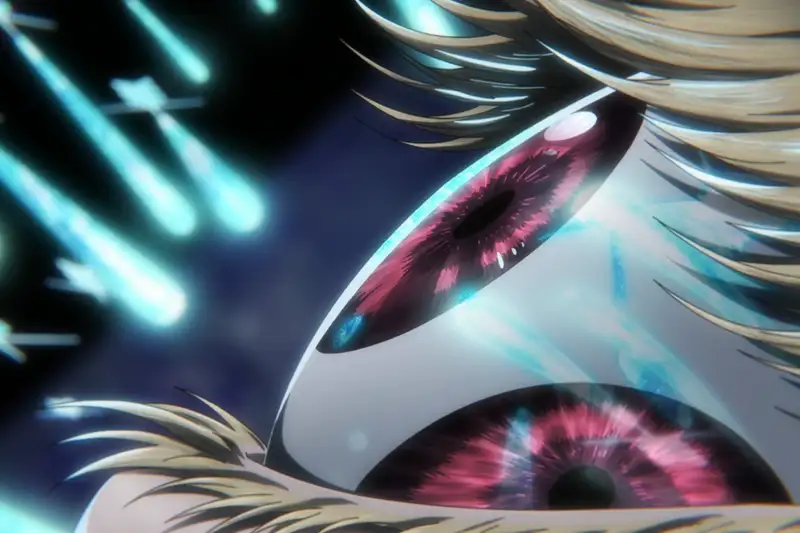
- Part 4 'The Calamity' opens with a reordered dream sequence involving Yhwach and Ichigo before re-establishing character battle positions across the realm.
- The final cour is confirmed for a 10-episode run, leaving roughly 25 manga chapters to adapt with significant space for anime-original expansions.
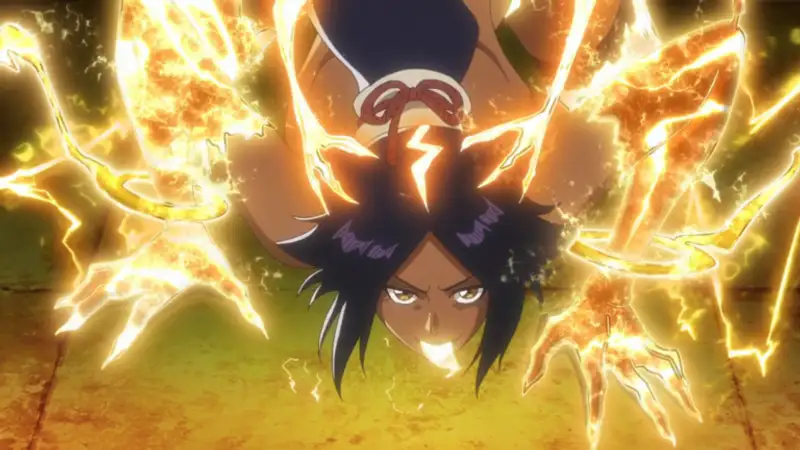
- Episode 1 delivers spotlight clashes for Uryu Ishida against Jugram Haschwalth and Yoruichi Shihoin against Askin Nakk Le Vaar.
The final chapter of one of anime's most defining sagas has officially begun as Bleach: Thousand-Year Blood War returns with its fourth and final cour, subtitled The Calamity. Episode 1 sets the operational tone for the definitive confrontation between the Soul Reapers and Yhwach's Quincy forces, re-establishing key match-ups while signaling how Studio Pierrot intends to manage its remaining narrative runway.
Quick summary
- Part 4 'The Calamity' opens with a reordered dream sequence involving Yhwach and Ichigo before re-establishing character battle positions across the realm.
- The cour is confirmed for a 10-episode run, leaving roughly 25 manga chapters to adapt with significant space for anime-original expansions.
- Episode 1 delivers spotlight clashes for Uryu Ishida against Jugram Haschwalth and Yoruichi Shihoin against Askin Nakk Le Vaar.
Why it matters
For over a decade, fans of Tite Kubo's franchise lived with the abrupt pacing of the manga's original 2016 conclusion. By securing a 10-episode order for the final 25 remaining chapters, Studio Pierrot has rare structural room to refine battle choreography, flesh out character arcs, and deliver a coherent final resolution for international streaming audiences.
Background
When Bleach: Thousand-Year Blood War premiered in October 2022, it marked the return of the series after a ten-year television absence following its initial 2012 cancellation. Subsequent cours released across 2023 and 2024 systematically expanded upon Tite Kubo's printed work, incorporating extended battle sequences for Squad 0, additional Quincy backstory, and altered narrative beats to address historical narrative gaps.
Qnews24h insight
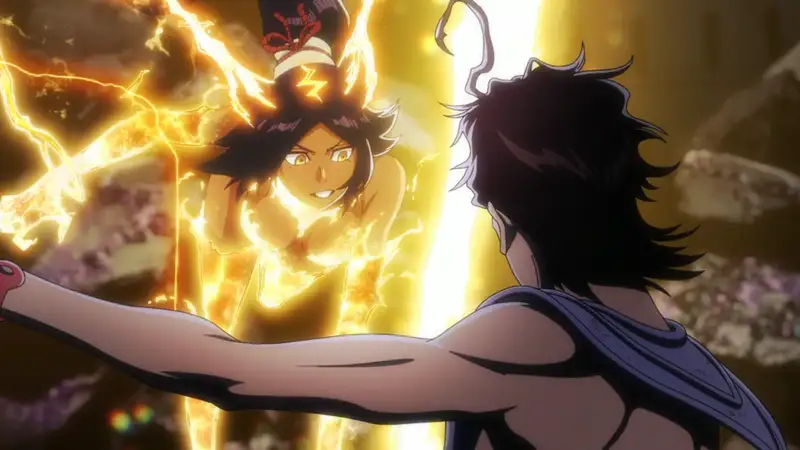
While Episode 1 establishes a solid 7/10 baseline, the technical delivery points to a deliberate allocation of animation resources by Studio Pierrot. The noticeable contrast between heavy CGI arrow effects during Uryu's duel and high-impact dynamic lighting during Yoruichi's transformation suggests production priorities are balanced carefully. However, adapting only three chapters in the premiere guarantees that future episodes will have ample pacing headroom for substantial anime-original content.
Opening Hook: Restructured Timelines and Psychological Tension
The premiere episode opens with a distinct structural departure from the original manga layout. Viewers are immediately thrust into a vignette-styled dream sequence where Yhwach envisions Ichigo Kurosaki striking him down. Yhwach himself describes this vision as "no better dream than a nightmare," framing the psychological stakes of the final battle right from the outset.
Visually, the scene utilizes a distinct aesthetic reminiscent of the primordial world flashbacks shown in previous cours. Notably, Yhwach is depicted without activating his precognitive ability, The Almighty, while Ichigo appears in his early series Shikai form and original attire, prior to his Fullbring awakening. Moving this sequence to the very front of Part 4 provides an immediate narrative hook, forcing audiences to question the nature of Yhwach's foresight before transitioning into the active war zone.
Rather than relying on a conventional recap episode, the production team uses a brief aerial overview to track the location and condition of the remaining fighters following the events of Part 3. This approach allows the narrative to maintain forward momentum while re-establishing combat groups.
Clash of the Quincies: Uryu Ishida vs. Jugram Haschwalth
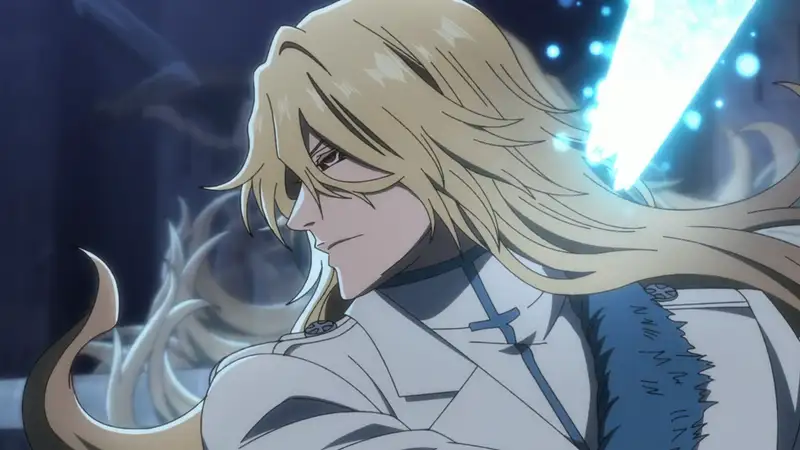
After a brief farewell exchange where Ichigo leaves Haschwalth to Uryu with a smile, the episode shifts its focus to a one-on-one confrontation between the two Quincy leaders. Haschwalth, now utilizing the powers of The Almighty, faces off against Uryu, whose combat kit has received substantial anime updates.
Studio Pierrot inserts an anime-original action sequence showcasing Haschwalth effortlessly dodging Uryu's bow attacks and spirit energy constructions. The movement utilizes visual afterimages that give Haschwalth's defensive maneuvers a smooth sense of speed. However, the fight choreography itself remains relatively subdued compared to previous high-intensity clashes, such as Ichigo and Uryu's direct confrontation in earlier episodes.
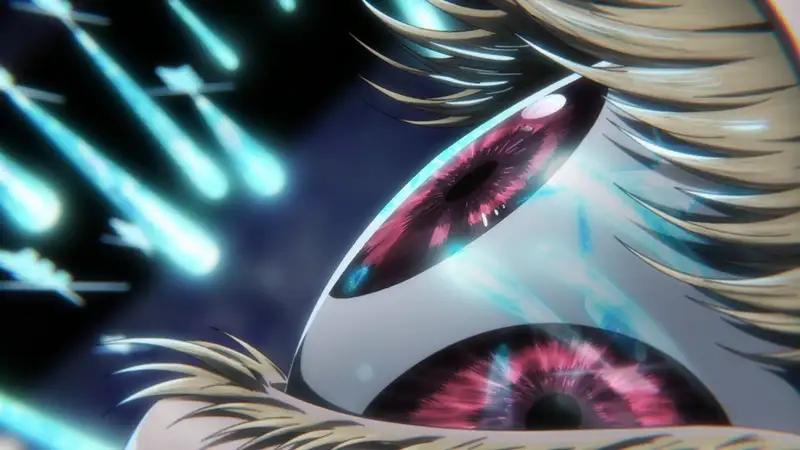
The animated execution of Uryu's projectile attacks leans noticeably on CGI rendering for the Heilig Pfeil beams. While linear speed passes look sharp, close-quarters motion feels somewhat less fluid. Despite the technical variance, small character details remain intact, including a lighthearted moment where Uryu's eyeglasses withstand a direct sword jab without fracturing.
Venom and Thunder: Yoruichi Shihoin Battles Askin Nakk Le Vaar
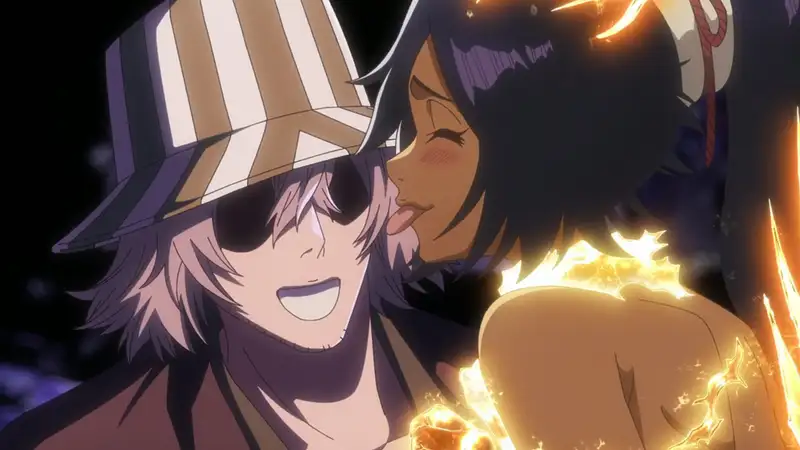
The secondary fight focus of the episode brings Yoruichi Shihoin, Kisuke Urahara, and Yushiro into conflict with Sternritter Askin Nakk Le Vaar. Askin's portrayal continues to benefit greatly from energetic voice acting that highlights his trademark blend of casual sarcasm and lethal combat lethality.
The narrative pacing in this middle segment slows down as the dialogue reiterates the roster of Special Threats before transitioning into physical exchanges. Hand-to-hand sequences move smoothly, though visual composition choices leave background environments noticeably out of focus during primary martial arts beats to keep attention centered on close-quarters impacts.
The visual peak of the episode arrives with the reveal of Yoruichi's ultimate form, Thunderous Black Cat Battle Princess. This transformation takes full advantage of the updated lighting engine implemented across the Thousand-Year Blood War adaptation. Dynamic, bright lightning energy crackles around Yoruichi continuously as the animation directly tracks physical strikes, punches, and claw strikes without relying on quick cuts.
Production Strategy and Pacing for the Final Cour
With official confirmation that Part 4 'The Calamity' will span 10 episodes covering roughly 25 remaining chapters of Tite Kubo's manga, the series is operating at an average adaptation rate of 2.5 chapters per episode. Given that earlier cours occasionally condensed up to four chapters into a single broadcast, this measured pacing provides significant room for original anime scenes.
Episode 1 adapts approximately three manga chapters, functioning effectively as a foundational setup piece rather than a climax. By laying down clear battle lines early on, the production team positions the remaining nine episodes to expand on character motivations, clarify lingering lore questions, and flesh out the final sequence of battles.
Sources
This coverage relies on review data and adaptation analysis originally published by Anime Corner.
Why it matters
For over a decade, fans of Tite Kubo's franchise lived with the abrupt pacing of the manga's original 2016 conclusion. By securing a 10-episode order for the final 25 remaining chapters, Studio Pierrot has rare structural room to refine battle choreography, flesh out character arcs, and deliver a coherent final resolution for international streaming audiences.
Background
When Bleach: Thousand-Year Blood War premiered in October 2022, it marked the return of the series after a ten-year television absence following its initial 2012 cancellation. Subsequent cours released across 2023 and 2024 systematically expanded upon Tite Kubo's printed work, incorporating extended battle sequences for Squad 0, additional Quincy backstory, and altered narrative beats to address historical narrative gaps.
While Episode 1 establishes a solid 7/10 baseline, the technical delivery points to a deliberate allocation of animation resources by Studio Pierrot. The noticeable contrast between heavy CGI arrow effects during Uryu's duel and high-impact dynamic lighting during Yoruichi's transformation suggests production priorities are balanced carefully. However, adapting only three chapters in the premiere guarantees that future episodes will have ample pacing headroom for substantial anime-original content.
References
Editorial information
The editorial team reviews sources, adds context, and structures stories so readers can understand the news more clearly.
Article from QNEWS24H
Comments
(0)No comments yet. Be the first to share your thoughts.