Behind the Return of Black Clover Season 2: Director and Star Detail Visual and Narrative Upgrades
- Black Clover Season 2 is officially scheduled to premiere in October 2026, backed by secured funding and a robust production schedule designed to avoid the visual inconsistencies...
- Voice actor Gakuto Kajiwara, marking a decade of voicing Asta, reveals that the protagonist will display unprecedented vulnerability, shifting away from solo triumphs to rely...
- Director Ayataka Tanemura plans to heavily upgrade the show's signature magical battles, introducing faster tempos and more refined graphical choreography.
When Black Clover first burst onto the anime scene in 2017, it faced the monumental task of proving itself in a crowded shonen landscape, initially earning a reputation for its frantic pacing and its protagonist's unrelenting shouting. Fast forward to the present day, and the franchise has solidified its status as a modern powerhouse of the genre. Following a massive five-year television hiatus, the series is preparing to make its grand return to screens in October 2026. At a recent industry panel, the creative minds driving the adaptation shared insights into how this extended break has allowed them to fundamentally elevate both the visual quality and the emotional core of the upcoming season.
Quick summary
- Long-Awaited Return: Black Clover Season 2 is officially scheduled to premiere in October 2026, backed by secured funding and a robust production schedule designed to avoid the visual inconsistencies of the past.
- Asta's Emotional Maturity: Celebrating ten years in the role, voice actor Gakuto Kajiwara reveals that the protagonist will display unprecedented vulnerability, shifting away from solo triumphs to rely deeply on collective teamwork.
- Elevated Visual Direction: Director Ayataka Tanemura plans to heavily upgrade the show's signature magical battles, introducing faster tempos and more refined graphical choreography.
Why it matters
The structural transition of Black Clover from a continuous, weekly broadcast to a highly planned seasonal return reflects a wider, healthier evolution within the anime production industry. Historically, long-running shonen adaptations suffered from intense animator burnout and visual degradation due to non-stop production cycles. By taking a five-year hiatus to secure ample budgets and establish a realistic schedule, Studio Pierrot and the production committee are setting a sustainable precedent. For the audience, this transition promises cinematic-grade combat and a more faithful, carefully paced adaptation of Yuki Tabata's original manga.
Background
Adapting Yuki Tabata's hit manga, Black Clover chronicles the journey of Asta and Yuno, two orphans competing to become the Wizard King in a kingdom where magical aptitude defines social hierarchy. While Yuno is a prodigy, Asta is born completely devoid of magic, eventually obtaining a rare anti-magic grimoire. The original anime series paused in March 2021 as the production drew too close to the ongoing manga chapters. During the subsequent gap, the franchise maintained its momentum with the 2023 movie Black Clover: Sword of the Wizard King. The official announcement of Season 2 at Anime Expo has re-ignited global fan enthusiasm, promising to cover the high-stakes arcs that have since concluded in the printed source material.
Qnews24h insight
The emphasis on Asta showing "weakness" and characters being "taken away" highlights a shift in modern shonen storytelling. Modern anime audiences are increasingly fatigued by infallible protagonists who solve every crisis through sudden power-ups. By focusing on emotional grief, permanent loss, and coordinated squad tactics, Black Clover is aligning itself with the gritty, high-stakes narrative style popularized by contemporary giants like Jujutsu Kaisen and Demon Slayer. This creative direction ensures the series remains narratively relevant to an older, more demanding demographic that has grown up alongside the franchise over the past decade.

A Decade of Growth: Gakuto Kajiwara on Finding Asta's Vulnerability
For voice actor Gakuto Kajiwara, the journey of voicing Asta has mirrored his own professional evolution. Kajiwara stepped into the booth a decade ago as a relative novice, frequently relying on raw energy and improvisation to match Asta's hyperactive personality. Today, with ten years of experience under his belt, Kajiwara approaches the character with a more refined, layered methodology.
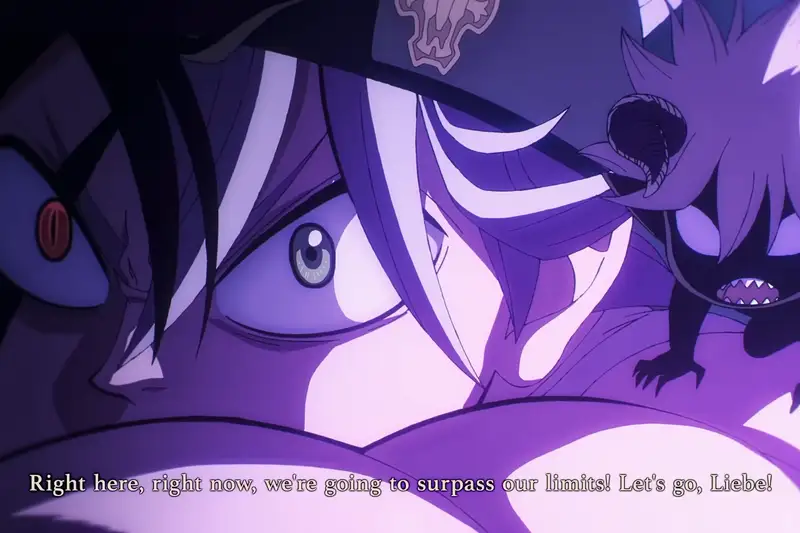
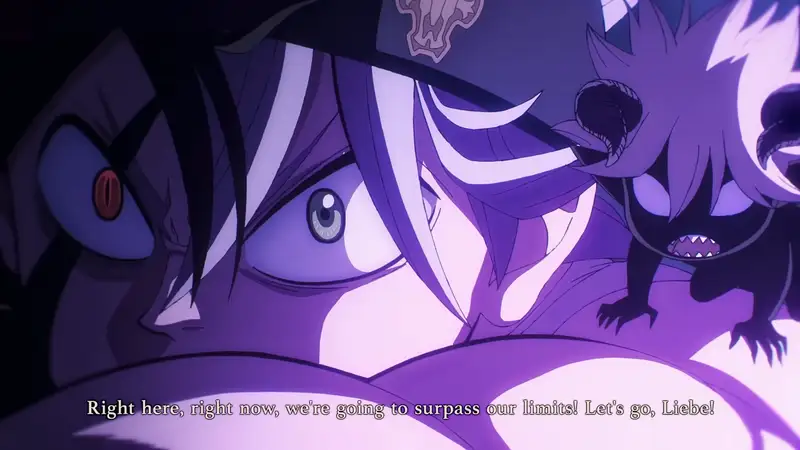
In the upcoming season, Asta will face challenges that cannot be overcome by stubborn willpower alone. Kajiwara emphasizes that viewers will see a side of the young magic knight that includes genuine doubt and vulnerability. The emotional core of this performance will rely heavily on Asta's relationships—particularly his complex, symbiotic connection with Liebe, the demon residing within his grimoire, voiced by Nobuhiko Okamoto. Kajiwara notes that the dynamic between Asta and Liebe is one of mutual influence, requiring a deep level of synchronization between the voice actors to portray their unified battle sequences effectively.
A Refined Directorial Lens Under Ayataka Tanemura
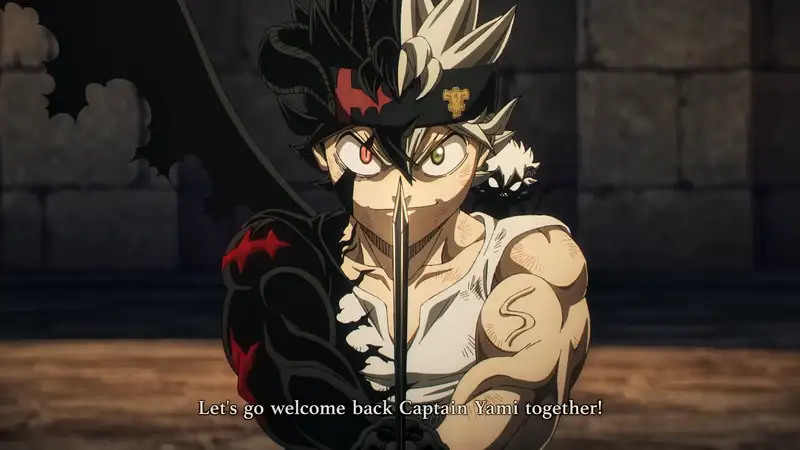
Stepping into the director's chair is Ayataka Tanemura, who previously served the franchise in multiple creative capacities under former director Tatsuya Yoshihara. This deep, multi-faceted history with the production gives Tanemura a unique advantage. Rather than completely rebuilding the show's identity, he seeks to honor Yoshihara’s foundational work while infusing the project with his own distinct directorial touch.
Tanemura's primary objective for Season 2 is a comprehensive visual upgrade. This involves refining the visual depiction of magic, quickening the tempo of the battles, and ensuring that the animation retains a highly polished look throughout the season's run. By working with a healthier schedule and better-allocated funds, the creative team has the freedom to experiment with dynamic camera angles and complex action choreography that were simply impossible under the previous weekly broadcast model.
Thematic Shifts: Facing Grief and Forging Deeper Bonds
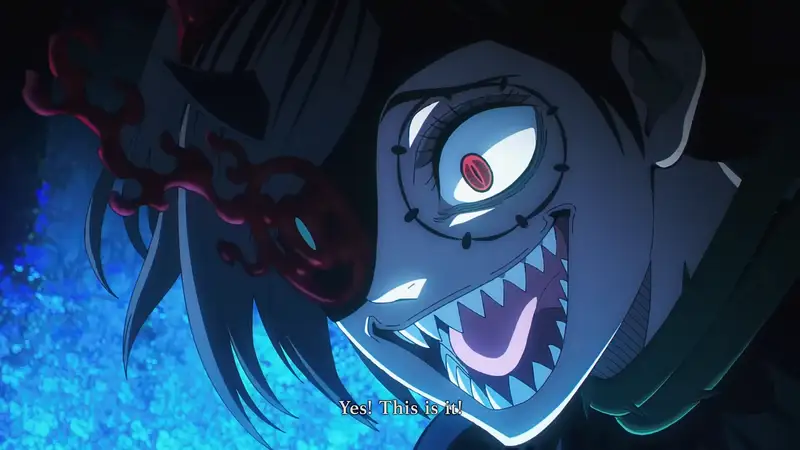
Beyond the enhanced visual spectacle, the narrative landscape of Black Clover Season 2 is set to take a darker turn. Tanemura dropped a significant hint about the upcoming arc, noting that certain characters will be "taken away" from the core narrative. This impending loss serves as a major thematic catalyst, forcing the remaining characters to form tighter bonds and lean on their respective squads for survival.
This development shifts the focus from individual duels to collective military-style strategy. Asta's role will evolve from a solo powerhouse into a true leader who must coordinate with his comrades in the Black Bulls to survive overwhelming odds. This focus on joint struggle and emotional healing after loss promises to deliver some of the most compelling dramatic sequences in the entire franchise.
Sources
- Interview details and quotes originally sourced from Anime Corner's exclusive coverage at Anime Expo.
Why it matters
The structural transition of Black Clover from a continuous, weekly broadcast to a highly planned seasonal return reflects a wider, healthier evolution within the anime production industry. Historically, long-running shonen adaptations suffered from intense animator burnout and visual degradation due to non-stop production cycles. By taking a five-year hiatus to secure ample budgets and establish a realistic schedule, Studio Pierrot and the production committee are setting a sustainable precedent. For the audience, this transition promises cinematic-grade combat and a more faithful, carefully paced adaptation of Yuki Tabata's original manga.
Background
Adapting Yuki Tabata's hit manga, Black Clover chronicles the journey of Asta and Yuno, two orphans competing to become the Wizard King in a kingdom where magical aptitude defines social hierarchy. While Yuno is a prodigy, Asta is born completely devoid of magic, eventually obtaining a rare anti-magic grimoire. The original anime series paused in March 2021 as the production drew too close to the ongoing manga chapters. During the subsequent gap, the franchise maintained its momentum with the 2023 movie Black Clover: Sword of the Wizard King. The official announcement of Season 2 at Anime Expo has re-ignited global fan enthusiasm, promising to cover the high-stakes arcs that have since...
The emphasis on Asta showing 'weakness' and characters being 'taken away' highlights a shift in modern shonen storytelling. Modern anime audiences are increasingly fatigued by infallible protagonists who solve every crisis through sudden power-ups. By focusing on emotional grief, permanent loss, and coordinated squad tactics, Black Clover is aligning itself with the gritty, high-stakes narrative style popularized by contemporary giants like Jujutsu Kaisen and Demon Slayer. This creative direction ensures the series remains narratively relevant to an older, more demanding demographic that has grown up alongside the franchise over the past decade.
References
Editorial information
The editorial team reviews sources, adds context, and structures stories so readers can understand the news more clearly.
Article from QNEWS24H
Comments
(0)No comments yet. Be the first to share your thoughts.