BanG Dream! YUME∞MITA Episode 7: Manipulation Unveiled Amidst Dazzling Performance
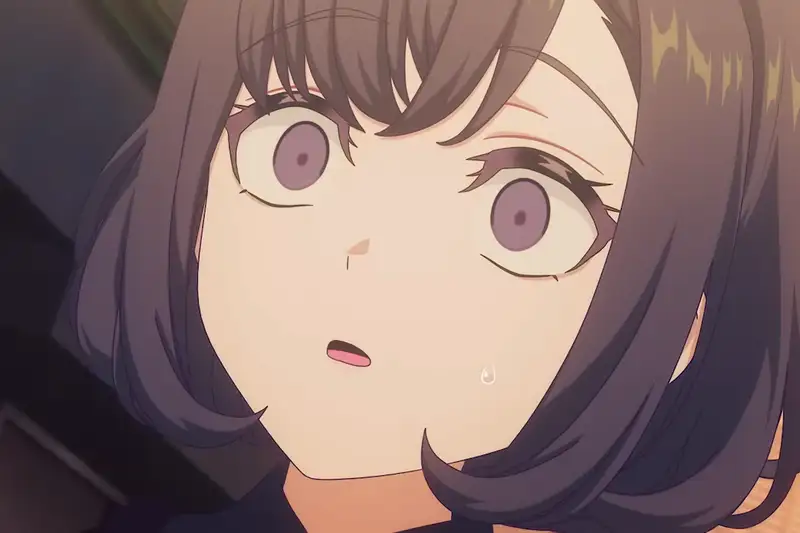
- The band Yumemita held its first energetic live performance, showcasing individual member personalities and fluid animation.
- Miyako's intense stage presence was revealed to stem from Viola's manipulation, exploiting her naive admiration and introverted nature.
- Viola's master plan escalated, causing deep emotional distress for Arale, particularly after Miyako innocently praised Viola's understanding of her work.
- The episode solidified a brewing confrontation, with Arale and Ritsu aligning to expose Viola's deceptive tactics.
The vibrant energy of a band's first live performance often signifies a moment of pure triumph and collective aspiration. Yet, in the latest installment of BanG Dream! YUME∞MITA, this spectacle of dazzling lights and catchy melodies served as a stark contrast to the shadowy machinations unfolding behind the scenes. Episode 7 plunged viewers into an emotional maelstrom, intertwining the exhilarating debut of the band Yumemita with a chilling narrative of calculated manipulation, fundamentally altering the perception of this usually cheerful franchise.
Quick summary
- The band Yumemita held its first energetic live performance, showcasing individual member personalities and fluid animation.
- Miyako's intense stage presence was revealed to stem from Viola's manipulation, exploiting her naive admiration and introverted nature.
- Viola's master plan escalated, causing deep emotional distress for Arale, particularly after Miyako innocently praised Viola's understanding of her work.
- The episode solidified a brewing confrontation, with Arale and Ritsu aligning to expose Viola's deceptive tactics.


Why it matters
This episode marks a significant departure for the BanG Dream! franchise, known for its uplifting narratives of friendship and musical dreams. The introduction of Viola as a genuinely menacing, unredeemable antagonist injects a darker, more complex psychological layer into a genre typically defined by its wholesomeness. For long-time fans and new viewers alike, this shift presents a compelling, albeit uncomfortable, exploration of human vulnerability, manipulation, and the often-painful process of character growth under duress. It raises the stakes beyond simple musical rivalries, delving into themes of trust, betrayal, and the struggle for authenticity in a world of manufactured perceptions. The series is challenging its own conventions, potentially setting a new benchmark for emotional depth in idol anime and ensuring a gripping viewing experience as characters grapple with profound personal and collective challenges.
Background
The BanG Dream! multimedia franchise has historically cultivated an image of vibrant girl bands, heartwarming friendships, and the pursuit of musical aspirations against a backdrop of personal growth. Previous iterations have focused on overcoming internal struggles, fostering camaraderie, and the joyous journey of creating music together. Characters typically face challenges related to self-doubt, inter-band dynamics, or external pressures, but these are almost always resolved through empathy, communication, and the power of their shared passion.
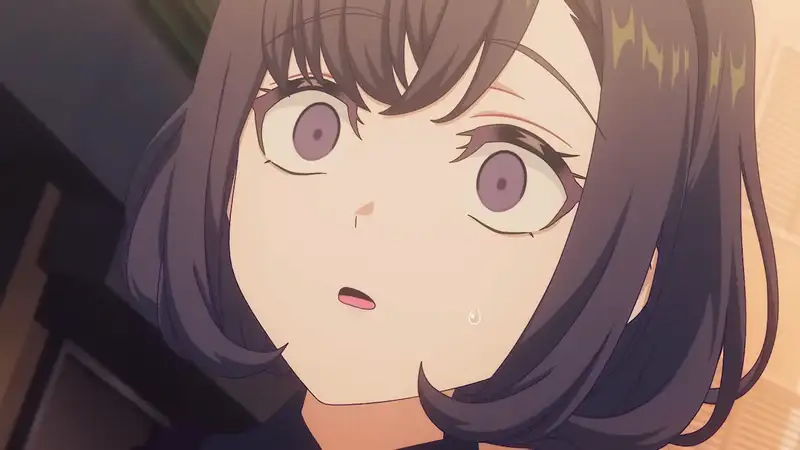
BanG Dream! YUME∞MITA, however, began hinting at a deviation from this established formula early on. Subtle clues and character interactions suggested a more insidious undercurrent, building towards the revelation of Viola as a puppet master. Her presence has gradually escalated, moving from a seemingly enigmatic figure to a deliberate architect of chaos within Yumemita. This episode solidifies her role, transforming the series from a straightforward idol story into a psychological drama, where the internal struggles are now weaponized by an external, manipulative force. The transition is stark, with the usual challenges of band life now overshadowed by a calculated campaign to exploit vulnerabilities and sow discord.
The Dazzling, Deceptive Performance
Yumemita's live performance in Episode 7 was, by all accounts, a masterclass in animation and musical presentation. The visual spectacle captured the raw energy and unique flair of each band member, mirroring the excitement of a real-life concert. The song was infectious, the stage presence captivating, and the fluid animation highlighted the individuality that makes each character shine. This technical prowess served to underscore the growing chasm between the band's public image and the private turmoil brewing beneath the surface.
Central to this dynamic was Miyako, whose performance was exceptionally fervent. Her every move on stage radiated an almost desperate intensity, a passion that felt both admirable and unsettling. It was her conviction that spurred the live event, a decision influenced, unbeknownst to her, by Viola's subtle prodding. Miyako’s introverted nature and inexperience with complex social dynamics made her an ideal target for manipulation. Her genuine feelings of admiration, bordering on infatuation, for Viola were expertly exploited, turning her dedication into a tool for another’s agenda.

Miyako's Vulnerability and Viola's Grip
Miyako's character arc in this episode is a study in compelling vulnerability. Despite her strength as a performer, her sincere and somewhat naive disposition makes her susceptible to Viola's calculated charm. Imagine a diligent individual, often consumed by their work and rarely engaging in social circles, suddenly encountering someone captivating who professes deep admiration for their deepest passion. This scenario, depicted through Miyako's eyes, explains her profound attachment and trust, even when objective viewers can see the strings being pulled.
Her perceived flaws—naivety and gullibility—are not presented as signs of weakness or stupidity, but rather as products of a sheltered existence and lack of experience in navigating complex interpersonal relationships. These very qualities, ironically, transform her into one of the episode's most tragically compelling figures. Her intense desire to be acknowledged and understood becomes a powerful, yet fragile, lever for Viola to control.
Arale's Awakening and Heartbreak

While Miyako found herself ensnared, Arale demonstrated remarkable growth, finally shedding her tendency to retreat from conflict. Her confrontation with Viola was a pivotal moment, showcasing her newfound resolve and willingness to stand her ground. However, her journey was far from over. The most emotionally devastating scene unfolded when Miyako, in her innocent devotion, confided in Arale that Viola was the only one who truly understood her work.
For Arale, who deeply respects Miyako and shares a bond of genuine artistry, hearing such words felt like a critical blow. To be told that a manipulative impostor, someone who has been orchestrating falsehoods from the beginning, is seen as the ultimate confidant by someone you admire, is an almost unbearable experience. This emotional gut-punch resonated deeply, illustrating the profound pain of betrayal and misunderstanding. It underscores the psychological toll Viola's actions are inflicting on the entire group, pushing their personal boundaries and testing their loyalties.
Qnews24h insight
Viola stands out as an exceptionally well-crafted antagonist, particularly within the context of the *BanG Dream!* universe. Her effectiveness as a villain stems from her calculated approach; every manipulation feels purposeful, devoid of gratuitous malice, yet profoundly impactful. Unlike typical antagonists who might possess a tragic backstory or undergo a last-minute redemption arc, Viola embodies a pure, unwavering opposition to the franchise's core tenets of genuine connection and shared light. She doesn't inspire; she exploits. She doesn't uplift; she twists aspirations into tools for her own obscure objectives. This unyielding nature makes her a powerful narrative force, forcing the protagonists to confront not just an external threat, but a fundamental challenge to their very ideals. By creating a character who actively corrupts the spirit of camaraderie and authenticity, *YUME∞MITA* elevates its narrative beyond simple idol drama into a nuanced exploration of psychological warfare, making for a surprisingly mature and captivating viewing experience that asks tough questions about the nature of ambition and human connection.

The Chessboard Takes Shape
Viola's pervasive influence has reached such an extent that it feels as though she is not merely a character within the story, but the actual puppet master behind its very production. Her seemingly omniscient control over the narrative, manipulating situations and characters with uncanny precision, makes her a unique and formidable presence. The audacity of introducing such a profound manipulator into a typically cheerful and wholesome franchise like BanG Dream! is a testament to the bold writing of YUME∞MITA.
As the pieces on Viola's elaborate chessboard move, the stage is set for a significant confrontation. With Ritsu's transfer and Arale's newfound determination, the two appear poised to challenge Viola's control. However, Viola continues to amass her 'weapons' of deceit, further complicating their path. The narrative hints at the eventual involvement of other key members, Yuno and Nonoka, suggesting that the full extent of this psychological battle is yet to be revealed. The ongoing struggle promises to escalate, demanding that the protagonists not only band together musically but also confront the very nature of trust and truth in their fractured world.
Sources

FAQ
Q: What makes Viola such a compelling villain in BanG Dream! YUME∞MITA?
A: Viola is compelling because she operates with calculated manipulation rather than overt malice, exploiting the vulnerabilities of others without a clear tragic backstory or desire for redemption. Her actions directly oppose the franchise's core themes of genuine friendship and aspiration, forcing the protagonists to confront deep psychological challenges.
Q: How does Miyako's character arc contribute to the episode's emotional impact?
A: Miyako's arc is impactful due to her sincere yet naive nature, making her a prime target for Viola's manipulation. Her intense performance, driven by exploited admiration, highlights the emotional toll of unknowingly being a pawn, especially in her heartbreaking interaction with Arale.
Q: What significant shift in tone does Episode 7 bring to the BanG Dream! franchise?
A: Episode 7 marks a significant shift by introducing a darker, more psychologically complex narrative. It moves beyond the typical wholesome and uplifting themes of friendship and musical dreams, venturing into themes of manipulation, betrayal, and the struggle for authenticity, challenging established genre conventions.
Why it matters
This episode marks a significant departure for the BanG Dream! franchise, known for its uplifting narratives of friendship and musical dreams. The introduction of Viola as a genuinely menacing, unredeemable antagonist injects a darker, more complex psychological layer into a genre typically defined by its wholesomeness. For long-time fans and new viewers alike, this shift presents a compelling, albeit uncomfortable, exploration of human vulnerability, manipulation, and the often-painful process of character growth under duress. It raises the stakes beyond simple musical rivalries, delving into themes of trust, betrayal, and the struggle for authenticity in a world of manufactured...
Background
The BanG Dream! multimedia franchise has historically cultivated an image of vibrant girl bands, heartwarming friendships, and the pursuit of musical aspirations against a backdrop of personal growth. Previous iterations have focused on overcoming internal struggles, fostering camaraderie, and the joyous journey of creating music together. Characters typically face challenges related to self-doubt, inter-band dynamics, or external pressures, but these are almost always resolved through empathy, communication, and the power of their shared passion. BanG Dream! YUME∞MITA, however, began hinting at a deviation from this established formula early on. Subtle clues and character interactions...
Viola stands out as an exceptionally well-crafted antagonist, particularly within the context of the BanG Dream! universe. Her effectiveness as a villain stems from her calculated approach; every manipulation feels purposeful, devoid of gratuitous malice, yet profoundly impactful. Unlike typical antagonists who might possess a tragic backstory or undergo a last-minute redemption arc, Viola embodies a pure, unwavering opposition to the franchise's core tenets of genuine connection and shared light. She doesn't inspire; she exploits. She doesn't uplift; she twists aspirations into tools for her own obscure objectives. This unyielding nature makes her a powerful narrative force, forcing the...
References
Editorial information
The editorial team reviews sources, adds context, and structures stories so readers can understand the news more clearly.
Article from QNEWS24H
Comments
(0)No comments yet. Be the first to share your thoughts.