BanG Dream! YUME∞MITA Episode 11: Navigating Online Toxicity, Betrayal, and New Beginnings
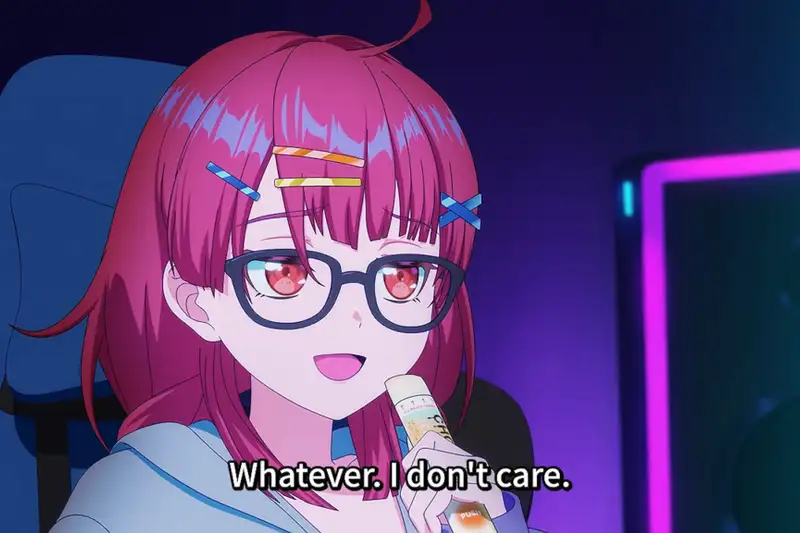
- Episode 11 critically examines online toxicity, highlighting how manipulative individuals can twist narratives and the effectiveness of ignoring baseless accusations.
- Miyako, after a period of emotional turmoil, finally confronts Viola, signaling a pivotal moment in her redemption arc and a move towards personal honesty.
- Yuno achieves significant personal growth, coming to terms with the breakup of her former band, Supremacy, and embracing the idea that endings can foster new opportunities.
- The VTuber band MewType collectively strengthens its bond and identity, solidifying their unity in the face of both internal conflict and external online challenges.
In an era increasingly defined by digital interactions, the latest installment of BanG Dream! YUME∞MITA, Episode 11, plunges deeply into the often-perilous landscape of online communities, offering a poignant reflection on how individuals navigate public scrutiny, false narratives, and personal betrayals. Far from a superficial portrayal, the episode acts as a timely lesson, demonstrating that in the face of relentless online negativity and calculated manipulation, sometimes the most powerful response is resolute indifference, while also underscoring the necessity of confronting personal demons.
Quick summary
- Episode 11 critically examines online toxicity, highlighting how manipulative individuals can twist narratives and the effectiveness of ignoring baseless accusations.
- Miyako, after a period of emotional turmoil, finally confronts Viola, signaling a pivotal moment in her redemption arc and a move towards personal honesty.
- Yuno achieves significant personal growth, coming to terms with the breakup of her former band, Supremacy, and embracing the idea that endings can foster new opportunities.
- The VTuber band MewType collectively strengthens its bond and identity, solidifying their unity in the face of both internal conflict and external online challenges.
Why it matters
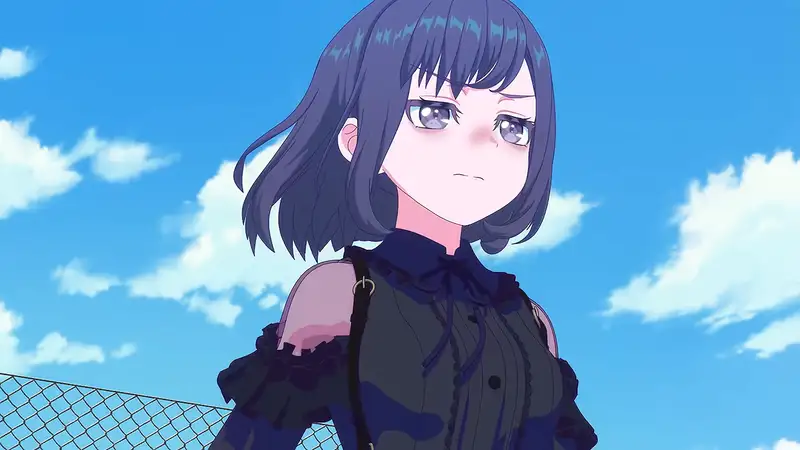
This episode resonates deeply in a world where online presence is almost ubiquitous for many. It offers a crucial commentary on digital literacy and emotional resilience, particularly for younger audiences and aspiring online creators. The portrayal of individuals like 'Viola' underscores the pervasive nature of online negativity and the psychological toll it can exact. By showcasing varied responses—from ignoring the noise to direct confrontation—the narrative provides valuable insights into coping mechanisms for navigating digital spaces. Furthermore, the exploration of 'breakups' extends beyond romantic or musical contexts, reflecting broader life transitions and the often-painful process of letting go of past dreams or relationships. Understanding that such endings can open doors to unforeseen opportunities is a powerful message for anyone experiencing personal or professional change, emphasizing growth and the continuous evolution of self and community.
Background
From its inception, the BanG Dream! YUME∞MITA series distinguished itself within the broader BanG Dream! franchise by centering around Mugendai MewType, a band with a unique identity as VTubers. This foundational premise inherently linked the group to the online world, setting the stage for stories that would naturally explore the nuances of digital engagement. Prior to Episode 11, the band had navigated various internal and external challenges, gradually finding their rhythm and identity, as highlighted in Episode 10 which marked a significant step in MewType feeling like a cohesive unit. However, underlying tensions persisted, particularly involving Miyako, who had inadvertently caused friction within the group due to her prior romantic entanglement with Viola and her struggles balancing multiple personal and professional lives as a mangaka, student, and keyboardist. Yuno, another key member, carried the weight of her past, specifically the dissolution of her previous band, Supremacy, a formative experience that had left unresolved emotional baggage. The narrative built towards a crescendo where these individual and collective conflicts, exacerbated by the relentless pressures of online scrutiny, demanded resolution.
Qnews24h insight
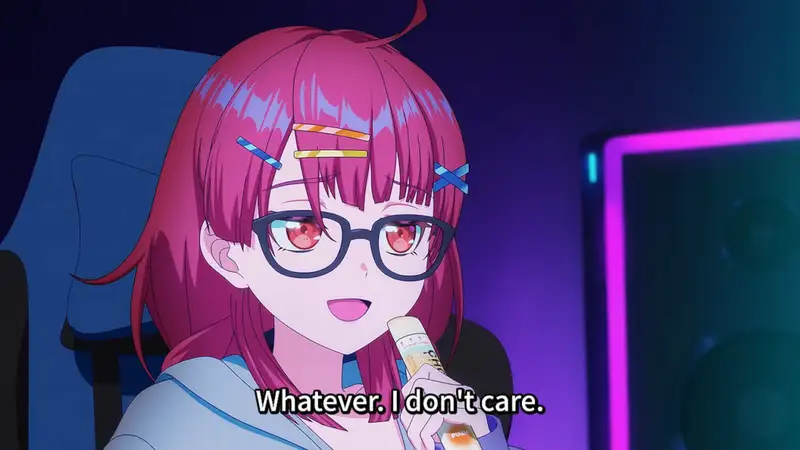
BanG Dream! YUME∞MITA, through Episode 11, offers a remarkably mature and nuanced perspective on modern online interactions and personal development, transcending typical 'cute girls doing cute things' tropes often associated with its genre. The series doesn't merely present online toxicity as an external challenge but integrates it deeply into the characters' personal journeys, particularly through the antagonist, Viola, who embodies the insidious nature of narrative manipulation common in digital echo chambers. The show's distinct insight lies in its dual approach: demonstrating the practical wisdom of disengaging from baseless online attacks while simultaneously asserting the vital importance of confronting internal demons and personal betrayals directly. This balance suggests a sophisticated understanding of digital age psychology, advocating for both resilience against external noise and courageous introspection, thereby offering its audience a more holistic guide to navigating both virtual and real-world complexities.
Navigating the Digital Minefield
The online realm, a cornerstone of MewType’s existence, presents a constant barrage of challenges for the VTuber band. Episode 11 starkly illustrates the ugly side of digital communities through the character of Viola, a mastermind in narrative distortion. Viola's tactics—twisting truths, inventing allegations, and 'clip farming'—are disturbingly familiar to anyone who has spent time online or attempted to build a public persona. The episode’s genius lies in its realistic depiction of such antagonists, people who seek to tear down others for seemingly no reason other than malice or self-aggrandizement. The initial, and often most effective, defense showcased by most MewType members is simple but profound: ignoring the noise. This strategy highlights the futility of engaging with bad-faith actors and the importance of preserving one's energy and mental well-being in the face of manufactured drama.
Miyako's Reckoning and Redemption Arc
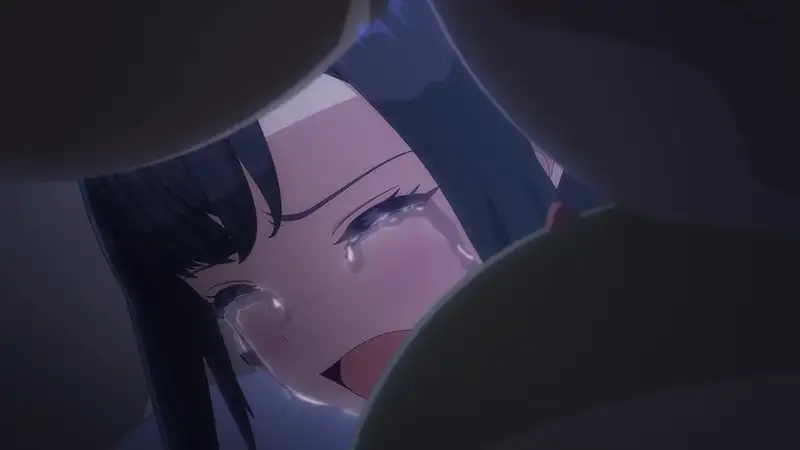
While most of MewType collectively chose to ignore Viola's provocations, Miyako found herself unable to detach. Her personal history with Viola, rooted in a past romantic entanglement, made her particularly vulnerable to the manipulation. For much of the series, Miyako had been grappling with the fallout of this relationship, leading to actions that inadvertently caused distress for her bandmates. However, Episode 11 marks a crucial turning point. Juggling the demanding roles of a mangaka, a student, and MewType's keyboardist, Miyako had been stretched thin, often making impulsive decisions. Witnessing her finally confront Viola, articulating her pain and realization of being 'in love with a snake,' provides a deeply satisfying release. This confrontation is not just about standing up to a manipulator, but the essential first step in Miyako’s long-awaited redemption, paving the way for her to mend relationships within the band and embrace her authentic self, all delivered with her characteristic comedic flair.
Yuno's Path to Acceptance and New Horizons
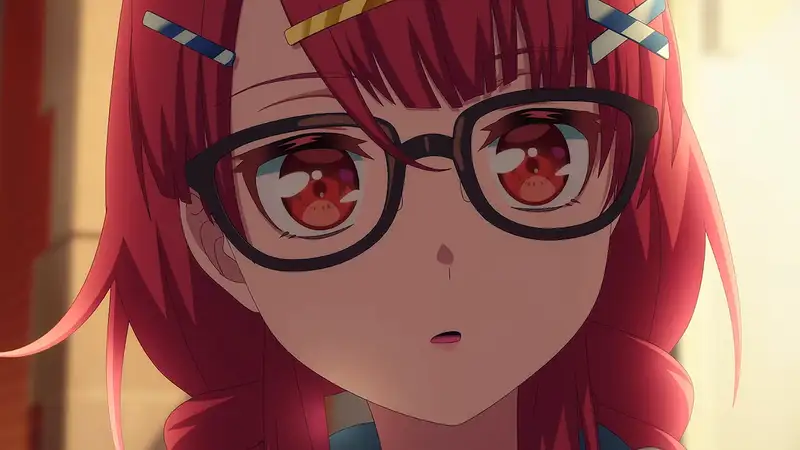
Beyond Miyako's dramatic confrontation, Yuno's journey in Episode 11 stands out as a powerful testament to personal growth and the redefinition of endings. For a significant portion of her story, Yuno had been processing the breakup of her former band, Supremacy, a past event that had colored her outlook and interactions. The episode masterfully portrays her breakthrough, facilitated by the insightful words of Koharu: "Believing in one’s own dream can push towards your own, isn’t that awesome?" This sentiment allows Yuno to realize that the end of Supremacy wasn't an abandonment or a failure, but rather a natural divergence where each member pursued their individual dreams while remaining connected by shared history. Her profound realization that "breaking up isn’t the end, but the start of something new" not only liberates her from past regrets but also enables her to fully embrace her role and potential within MewType, marking a significant evolution in her character both within and outside the narrative framework, especially given the voice actor's personal connection to the scene.
MewType's Evolving Harmony and Future
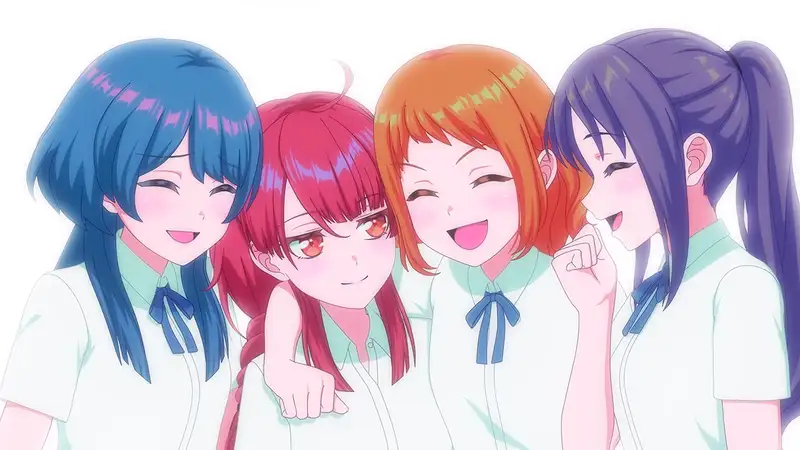
The individual growth experienced by Miyako and Yuno, coupled with the band's collective decision to rise above online negativity, culminates in a profound solidification of MewType’s identity. Episode 11 builds upon the foundation laid in the previous episode, where MewType began to truly feel like a cohesive unit. This latest installment reinforces that cohesion through shared adversity and emotional breakthroughs. It wasn't merely the act of ignoring the online backlash or the members acknowledging their mistakes; it was the subtle, unspoken moments – a shared meal of ramen, a group picture, and notably, Arale’s genuine smile just before that photograph – that cemented their bond. These small, authentic gestures signify their transition from a collection of individuals into a truly unified band, ready to face future challenges with an unshakeable sense of camaraderie and shared purpose, embodying the spirit of mutual support and forward momentum.
Sources
FAQ
Q: What is the main theme of BanG Dream! YUME∞MITA Episode 11?
A: The episode primarily explores themes of navigating online toxicity and manipulation, confronting personal betrayals, and understanding that endings, such as band breakups, can lead to new opportunities and personal growth.
Q: How does the episode address online negativity?
A: It shows that while confronting some issues directly (like Miyako confronting Viola) is necessary, often the most effective way to deal with baseless online criticism and manipulative individuals is to simply ignore them and focus on personal and collective growth.
Q: What significant development occurs for Yuno in this episode?
A: Yuno experiences a major breakthrough in coming to terms with the breakup of her former band, Supremacy. She realizes that such endings are not necessarily failures but can be catalysts for new beginnings and personal paths, allowing her to fully embrace her role in MewType.
Q: What is the significance of MewType's VTuber identity in this episode?
A: MewType's identity as a VTuber band makes their struggles with online negativity and public perception particularly relevant. It grounds the narrative in the realities of digital fame and the unique challenges faced by artists operating primarily in the online space.
Why it matters
This episode resonates deeply in a world where online presence is almost ubiquitous for many. It offers a crucial commentary on digital literacy and emotional resilience, particularly for younger audiences and aspiring online creators. The portrayal of individuals like 'Viola' underscores the pervasive nature of online negativity and the psychological toll it can exact. By showcasing varied responses—from ignoring the noise to direct confrontation—the narrative provides valuable insights into coping mechanisms for navigating digital spaces. Furthermore, the exploration of 'breakups' extends beyond romantic or musical contexts, reflecting broader life transitions and the often-painful...
Background
From its inception, the BanG Dream! YUME∞MITA series distinguished itself within the broader BanG Dream! franchise by centering around Mugendai MewType, a band with a unique identity as VTubers. This foundational premise inherently linked the group to the online world, setting the stage for stories that would naturally explore the nuances of digital engagement. Prior to Episode 11, the band had navigated various internal and external challenges, gradually finding their rhythm and identity, as highlighted in Episode 10 which marked a significant step in MewType feeling like a cohesive unit. However, underlying tensions persisted, particularly involving Miyako, who had inadvertently caused...
BanG Dream! YUME∞MITA, through Episode 11, offers a remarkably mature and nuanced perspective on modern online interactions and personal development, transcending typical 'cute girls doing cute things' tropes often associated with its genre. The series doesn't merely present online toxicity as an external challenge but integrates it deeply into the characters' personal journeys, particularly through the antagonist, Viola, who embodies the insidious nature of narrative manipulation common in digital echo chambers. The show's distinct insight lies in its dual approach: demonstrating the practical wisdom of disengaging from baseless online attacks while simultaneously asserting the vital...
References
Editorial information
The editorial team reviews sources, adds context, and structures stories so readers can understand the news more clearly.
Article from QNEWS24H
Comments
(0)No comments yet. Be the first to share your thoughts.