BanG Dream! YUME∞MITA Episode 6 Analysis: Dark Narrative Shift and Sabotage
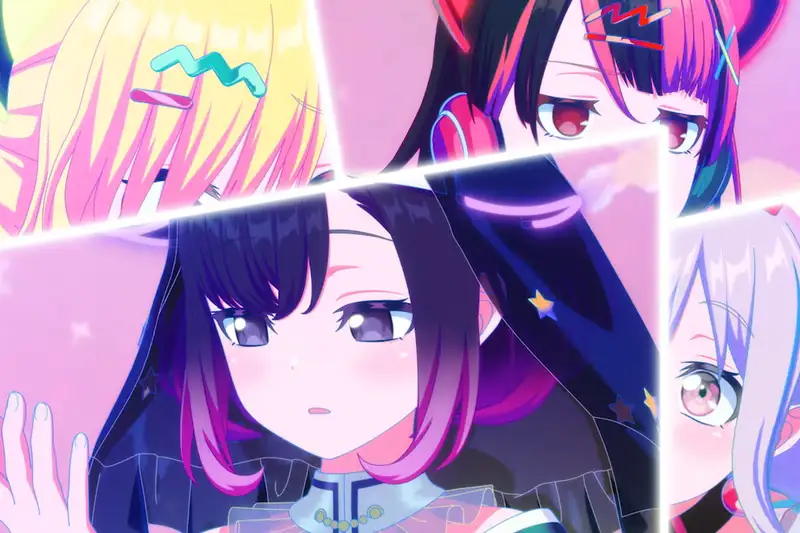
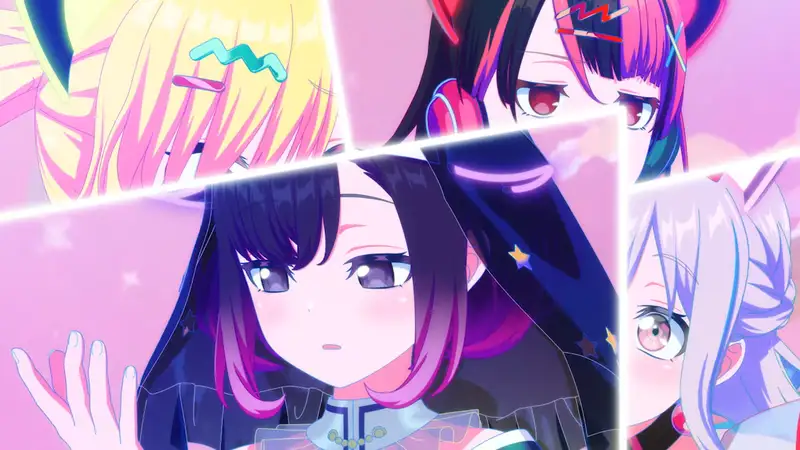
- Ritsu officially exits Fairy Bouquet to join MewType, completing the group's full roster earlier than expected.
- Viola launches a subtle psychological manipulation strategy targeting Miyako's personal insecurities and workload fatigue.
- Unlike traditional franchise rivals who focus on musical competition, Viola actively attempts to break opposing bands apart.
Episode 6 of BanG Dream! YUME∞MITA delivers a stark departure from the traditional music-anime trajectory, pivoting from emotional reconciliation straight into calculated psychological drama. Following the long-awaited resolution between Arale and Ritsu in the previous chapter, viewers expected a gradual rebuilding phase. Instead, the narrative accelerates dramatically, completing MewType's lineup while unveiling a far more sinister conflict lurking behind the scenes.
Quick summary
- Ritsu officially exits Fairy Bouquet and joins MewType, completing the group's lineup earlier than anticipated.
- Viola initiates a subtle psychological manipulation campaign directed at Miyako, capitalizing on her emotional exhaustion and heavy workload.
- Unlike traditional antagonists in the franchise, Viola actively works to dismantle rival bands rather than attempting to outshine them through fair performance.
Ritsu's Unexpected Integration into MewType
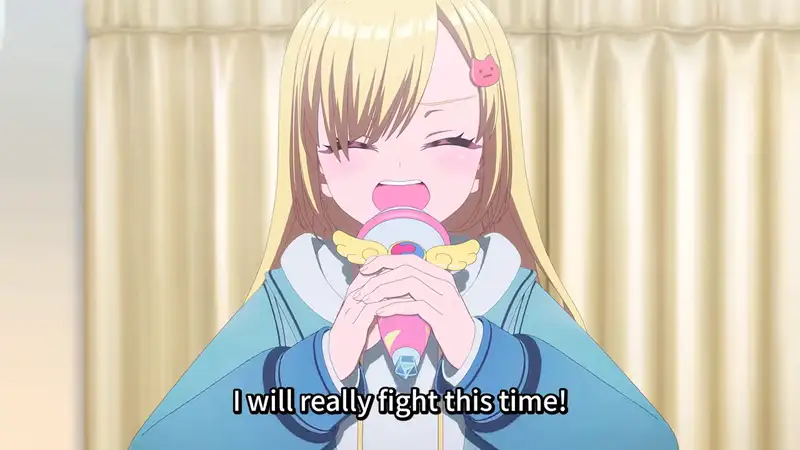
The transition of Ritsu into MewType unfolded with surprising swiftness. Following the heavy emotional stakes of Episode 5, where Ritsu and Arale finally confronted their shared past, many anticipated a prolonged multi-episode arc before Ritsu officially committed to the new group. Surprisingly, Fairy Bouquet allowed her departure with minimal pushback, turning what could have been an extended member-poaching conflict into the final catalyst for MewType's assembly.
While this rapid resolution might initially feel anticlimactic given the drama invested in repairing Ritsu and Arale's relationship, it serves a deliberate narrative purpose. By completing MewType's roster early in the season, the story clears the board of standard band-formation hurdles. The resolution allows the narrative to pivot immediately toward internal stability and external threats, setting up a much larger conflict than simple group logistics.
Viola's Calculated Sabotage: The Vulnerability of Miyako
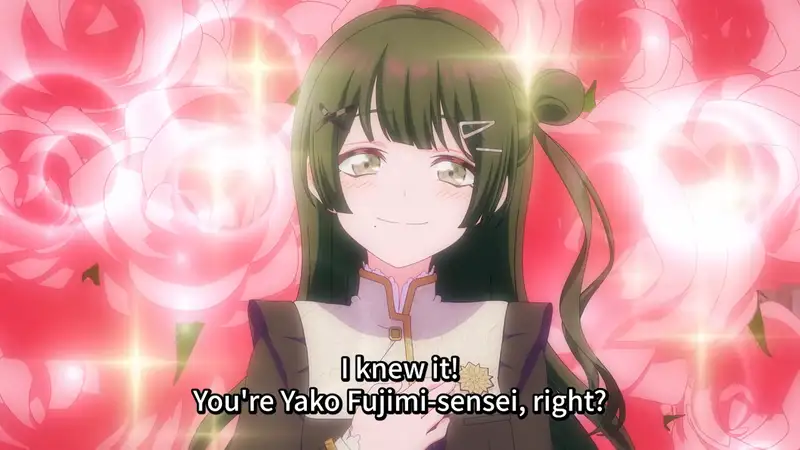
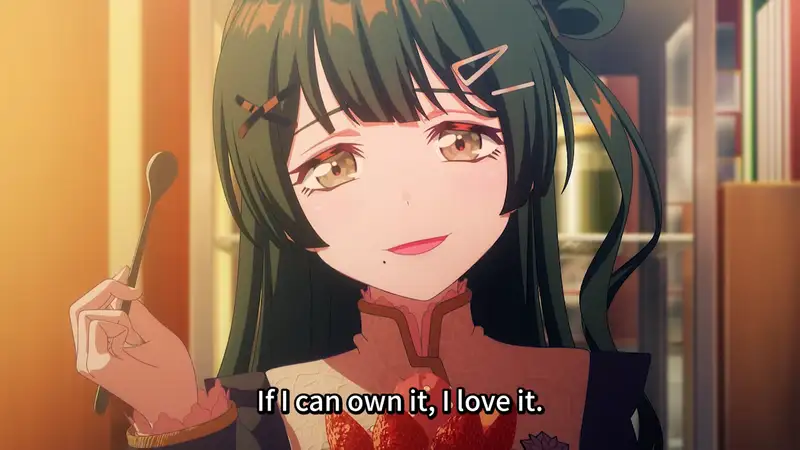
The true centerpiece of Episode 6 is not the completion of MewType, but the calculated exposure of Viola's methods. Functioning like a strategist operating from the shadows, Viola has consistently driven events without drawing direct suspicion to herself. Letting Ritsu reunite with Arale was not a gesture of goodwill; it was a deliberate tactical realignment designed to clear the path for her next target: Miyako.
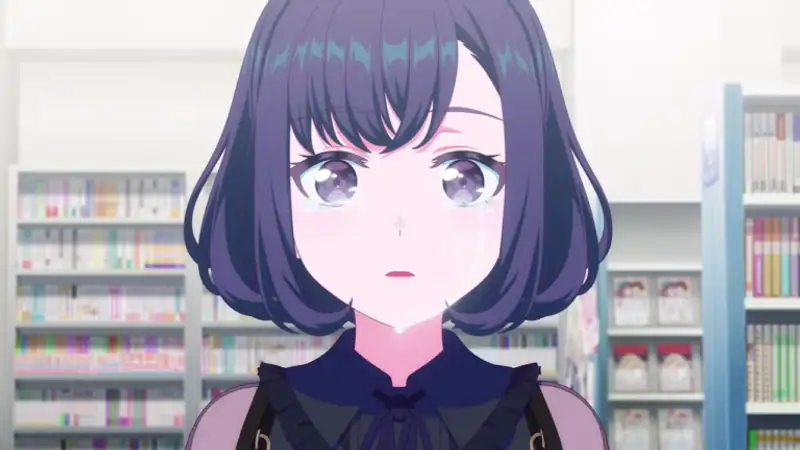
Miyako represents the most vulnerable link within MewType's current dynamic. Responsible, hard-working, and constantly pushing herself to the absolute limit, Miyako suffers from chronic emotional exhaustion and rarely allows herself time to process her own doubts. Arale has already grown wise to Viola's nature, Ritsu has grounded herself after addressing her past, Nonoka's persistent optimism acts as a buffer against cynicism, and Yuno remains quietly perceptive. Miyako's dedication, combined with her fatigue, leaves her uniquely susceptible to covert gaslighting.
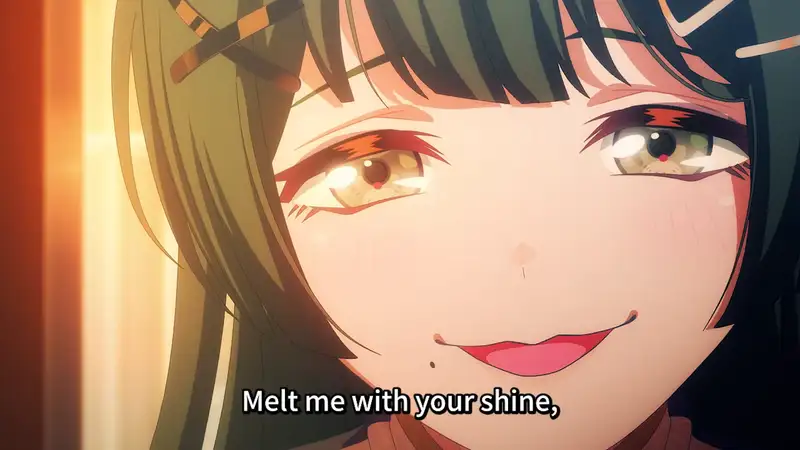
Viola’s approach is chillingly subtle. She avoids bombastic confrontations, relying instead on tailored words that exploit personal insecurities. By gradually creating emotional dependence and self-doubt, Viola destabilizes Miyako from within, creating subtle fractures inside MewType before the band even establishes its momentum on stage.
Subverting the 'Kira Kira Doki Doki' Ethos
For years, the BanG Dream! franchise has been anchored by the core theme of mutual growth and aspiring toward the stage—often summarized by the iconic phrase kira kira doki doki (sparkling, heart-throbbing excitement). Previous figures who occupied rival roles, such as CHU² or Nyamu, were driven by intense ambition and aggressive competition. However, their primary objective was always to surpass their rivals through skill, performance, and personal discipline, ultimately relying on their own bandmates for growth.
Viola completely turns this established dynamic upside down. She shares the exact same core ambition as every musician in the franchise: she wants recognition, stardom, and a place under the spotlight. However, her methodology is fundamentally destructive. Rather than sharpening her own skills or building up Fairy Bouquet, Viola actively works to tear down competing groups. Her strategy relies on extinguishing the light of others so that her own becomes the only one left shining.
This distinct shift redefines the nature of rivalry in BanG Dream! YUME∞MITA. The narrative evolves from a standard story about overcoming artistic and personal hurdles into an ideological battle over what it actually means to stand on stage.
Why it matters
This structural shift significantly alters the stakes for the second half of BanG Dream! YUME∞MITA. By introducing a character who actively engages in emotional gaslighting and systemic sabotage, the anime moves beyond traditional musical coming-of-age tropes into deep character psychology and high-stakes interpersonal drama. For viewers, this evolution offers a fresh, mature perspective on how rivalries operate when personal ethics are stripped away.
Background
Prior to Episode 6, the narrative was heavily focused on the personal tension between Ritsu and Arale, exploring their past grievances and eventual reconciliation in Episode 5. Across the broader BanG Dream! universe, conflicts have historically been resolved through music, shared experiences, and mutual respect among musicians. Even competitive groups ultimately pushed each other toward artistic excellence. The introduction of Fairy Bouquet's internal dynamics and Viola's manipulative tactics marks a dramatic shift away from this established template.
Qnews24h insight
Viola stands out as one of the most intriguing narrative additions to the BanG Dream! ecosystem. Her presence tests the core philosophy of the franchise: can a band built on trust and joint effort survive against a rival who plays by fundamentally different rules? Because Miyako's vulnerabilities are so grounded in realistic overwork and insecurity, this storyline carries weight. The key question moving forward is whether MewType's peripheral members will recognize Viola's subtle manipulation before the internal trust within the band is completely broken.
Frequently Asked Questions
Did Ritsu officially join MewType in Episode 6?
Yes, Ritsu officially left Fairy Bouquet and joined MewType in Episode 6, bringing the group's full lineup together earlier than expected in the series.
Why is Miyako particularly vulnerable to Viola's manipulation?
Miyako takes on extensive responsibilities and pushes herself to emotional fatigue, making her prone to self-doubt and personal insecurities that Viola easily exploits.
How does Viola differ from previous BanG Dream! rivals like CHU²?
While previous rivals sought to outplay and outshine opponents through talent and hard work, Viola seeks to destabilize and destroy rival bands from within through psychological sabotage.
Sources
- Anime Corner - BanG Dream! YUME∞MITA Episode 6 Takes the Story in Another Direction
- BanG Dream! Project / Muse Asia
Why it matters
The introduction of covert psychological sabotage shifts BanG Dream! YUME∞MITA from a traditional musical coming-of-age narrative into a mature psychological drama, testing the structural resilience of MewType.
Background
Leading up to Episode 6, the series focused heavily on resolving the historic rift between Arale and Ritsu. Historically, BanG Dream! rivalries relied on healthy competition and self-improvement rather than deliberate sabotage.
Viola represents a unique thematic subversion within the franchise. By seeking stardom through dismantling rivals rather than self-improvement, her character creates genuine psychological tension that challenges the foundational principles of the series.
References
Editorial information
The editorial team reviews sources, adds context, and structures stories so readers can understand the news more clearly.
Article from QNEWS24H
Comments
(0)No comments yet. Be the first to share your thoughts.