Bandai Unveils Naruto Card Game Rules, Art, and Global Summer 2027 Release Plan
- Bandai revealed core gameplay rules, card types, and deck construction mechanics for the upcoming Naruto Card Game.
- The game covers characters and lore across Naruto, Naruto: Shippuden, and Boruto: Naruto Next Generations.
- First hands-on play begins at Gen Con 2026, leading into local store tutorials in January 2027 and a global launch in Summer 2027.
Bandai has officially unveiled the core mechanics, card categories, and launch timeline for the upcoming Naruto Card Game, establishing a structured pathway toward a worldwide release in Summer 2027. Following its initial reveal in June, the publisher confirmed that fans will get their first hands-on experience at Gen Con 2026, marking the start of an extensive promotional tour across major international gaming conventions.
Quick summary
- Bandai revealed gameplay mechanics, card structures, and art styles for the official Naruto Card Game ahead of its public debut at Gen Con 2026.
- The game encompasses the entire franchise narrative arc, covering Naruto, Naruto: Shippuden, and Boruto: Naruto Next Generations.
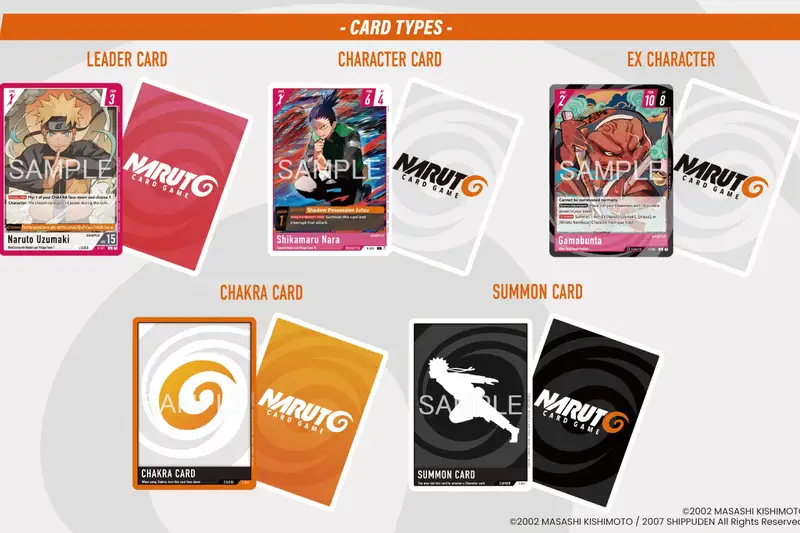
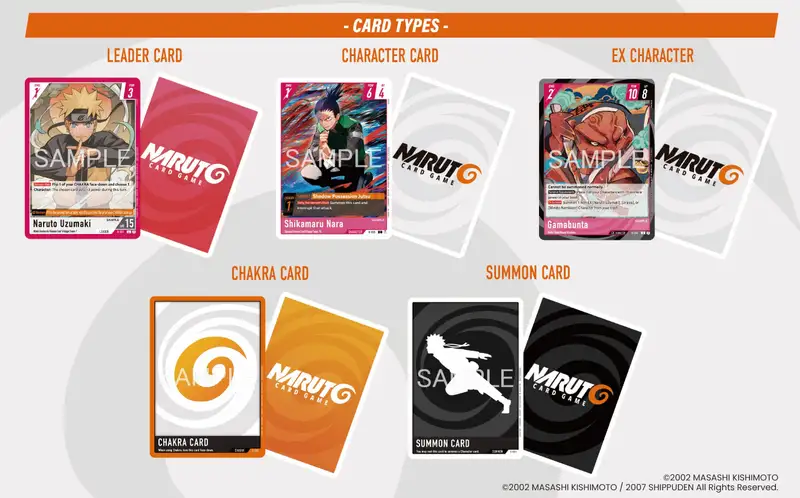
- Deck construction relies on a 51-card deck, 5 Chakra cards, 1 Summon card, and a central Leader Card that determines strategy and deck color.
- A global release is set for Summer 2027, backed by local store tutorials starting in January 2027 and a full competitive tournament circuit ending in a World Championship.
Why it matters
The announcement underscores Bandai’s strategy to solidify its dominant position in the global trading card game market. Having achieved significant commercial success with titles built around major anime intellectual properties, Bandai is now extending that playbook to Masashi Kishimoto’s ninja franchise. By bringing together character rosters and lore from Naruto, Naruto: Shippuden, and Boruto: Naruto Next Generations, the game provides a singular unified platform for diverse fan bases.
For tabletop enthusiasts and collectors, the reveal confirms a tailored resource system, designated card hierarchies, and a structured competitive environment from day one. Establishing local organized play that feeds into national and international championships ensures that the game aims for long-term viability rather than a temporary promotional cycle.
Background
First teased in June, the Naruto Card Game enters a tabletop landscape where anime-licensed card games have experienced record engagement. The Naruto franchise has previously seen various card adaptations over its two-decade history, but this new iteration represents a fresh, modern design built from the ground up by Bandai.
The game covers the complete storyline progression of the anime and manga adaptations created by Masashi Kishimoto. Rather than isolating individual eras, players will be able to mix classic characters with later-generation shinobi, blending traditional jutsu techniques with modern narrative arcs.
Core Gameplay Mechanics and Deck Building Structure
The fundamental objective of the Naruto Card Game is to reduce the opposing Leader Card’s Life count to zero through tactical maneuvers, card synergy, and resource management. To participate in a match, players construct a deck comprising several distinct components:
- Leader Card: Serves as the anchor of the player's strategy, dictating deck color limitations and primary playstyles.
- Main Deck (51 Cards): Contains the tactical units and support cards necessary to execute combat strategies.
- Chakra Cards (5 Cards): Functions as the primary resource engine required to activate abilities, pay costs, and perform Jutsu.
- Summon Card (1 Card): A mandatory component required to bring Character cards into active battle on the field.
Understanding the Five Card Types
Bandai detailed five distinct card categories that govern tactical decision-making during a match:
- Leader Cards: Define the deck's primary strategy and life totals.
- Character Cards: Act as primary offensive and defensive combatants on the board, capable of executing signature Jutsu by spending designated Chakra resources.
- EX Character Cards: Advanced, high-powered combat units that require specific board conditions or prerequisites before they can be played.
- Chakra Cards: Fuel the game's economy, enabling actions, powering up attacks, and driving battle tactics.
- Summon Cards: Provide the necessary gateway mechanics to introduce active Character units to the frontline.
Visual Style and Featured Artwork
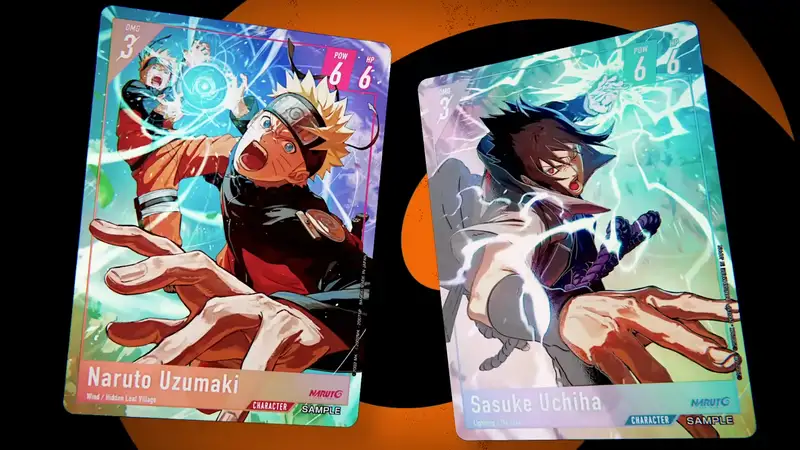
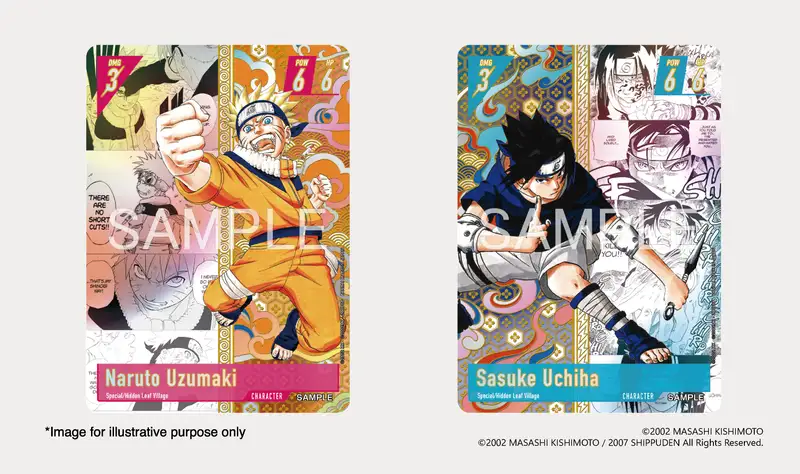
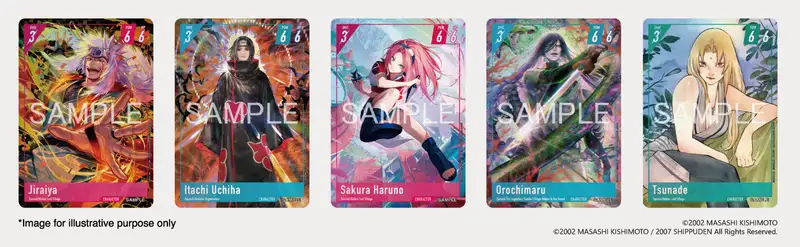
The debut card reveals showcase a dual artistic direction, combining brand-new original illustrations with classic visual assets adapted directly from the manga and anime series. Card art highlights iconic battles and fan-favorite characters, including Naruto Uzumaki, Sasuke Uchiha, Sakura Haruno, Jiraiya, Itachi Uchiha, Orochimaru, and Tsunade.
By blending nostalgic manga panels with dynamic new illustrations, Bandai aims to cater to both veteran collectors seeking iconic frames and modern players looking for contemporary card aesthetics.
Global Tour and Launch Roadmap
The public will get its first hands-on experience with the Naruto Card Game at Gen Con 2026 in Indianapolis, running from July 30 through August 2, 2026. Attendees visiting the Bandai Card Games booth can participate in free tutorial sessions and receive exclusive promotional items.
Following Gen Con, Bandai has scheduled an extensive international convention circuit to build momentum ahead of the 2027 commercial launch. Key tour stops include:
- New York Comic Con
- PAX Australia
- Spiel Essen
- Paris Games Week
- Lucca Comics & Games
- Bandai Card Games Fest
Bandai plans to reveal additional gameplay details in December 2026. In-store tutorial events at local game shops will commence in January 2027, giving communities several months to learn the game before its official worldwide launch in Summer 2027.
Competitive Ecosystem and Organized Play
Alongside retail distribution, Bandai confirmed early commitments to a robust organized play ecosystem. The competitive program will launch with local store tournaments, progressing to regional and national qualifiers, and ultimately culminate in an official World Championship tournament.
Qnews24h insight
Bandai's decision to announce a full year-and-a-half roadmap before retail availability points to a deliberate community-building strategy. Rather than relying solely on retail hype, Bandai is building early player familiarity through free convention demos and local shop tutorials starting six months prior to release.
The inclusion of a strict 51-card deck limit alongside dedicated Chakra and Summon card spaces suggests a highly calculated resource engine designed to minimize luck-based variance. The game's long-term competitive health will depend heavily on keeping Chakra costs balanced between early-game ninja techniques and high-impact EX Character cards, while ensuring power creep across the Naruto-to-Boruto eras remains carefully controlled.
Sources
- Anime Corner - Naruto Card Game Reveals First Gameplay Details, Card Designs Ahead of Summer 2027 Launch
- Bandai Press Release (Official Game Announcement)
Why it matters
The introduction of a unified Naruto card game marks a major step in Bandai's ongoing TCG market expansion. By combining classic and modern franchise eras with a structured organized play program leading to a World Championship, Bandai is positioning the title to capture both nostalgic collectors and competitive TCG players globally.
Background
First announced in June, the project represents a ground-up redesign of Naruto tabletop card combat. Masashi Kishimoto's manga and anime franchise previously featured legacy card games, but this modern release updates mechanics, resource systems, and competitive tournament structures for modern trading card game standards.
Bandai's long rollout schedule from mid-2026 through Summer 2027 highlights a focus on grass-roots player adoption through hands-on demos and shop tutorials. The game's competitive success will depend on managing Chakra resource balance and ensuring older character cards remain viable alongside high-tier Boruto-era units.
References
Editorial information
The editorial team reviews sources, adds context, and structures stories so readers can understand the news more clearly.
Article from QNEWS24H
Comments
(0)No comments yet. Be the first to share your thoughts.