Aton Redefines Outdoor Apparel with Artisanal Craft and Aesthetic Innovation
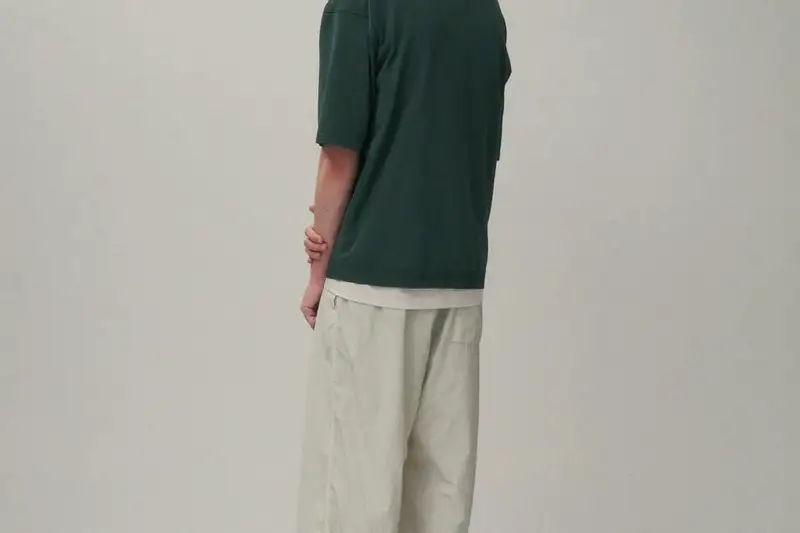
- Aton blends traditional Japanese artisanal textile techniques with modern high-performance fabrics for outdoor clothing.
- The brand focuses on creating unique textures and delicate aesthetics in technical garments, often resembling natural fibers.
- Custom fabrics are meticulously woven in Japan's Hokuriku region and hand-dyed using the ancient *narumi* method.
- Aton champions 'beautiful functionality,' applying meticulous craft to synthetic materials to elevate both style and performance.
In an industry often dictated by rugged performance and purely utilitarian aesthetics, a decade-old Japanese label is quietly, yet powerfully, redefining the very fabric of outdoor apparel. Aton is challenging the established norms of technical gear, proving that the pursuit of ultimate functionality doesn't have to come at the expense of exquisite beauty and the nuanced touch of human craftsmanship. By meticulously integrating age-old artisanal techniques with advanced textile engineering, Aton is crafting pieces that are not only prepared for the elements but also possess a distinct, refined elegance.
Quick summary
- Aton infuses high-performance outdoor clothing with traditional Japanese artisanal techniques, notably *narumi* dyeing and custom weaving.
- The brand prioritizes achieving natural, delicate textures and a soft aesthetic in technical fabrics, often blurring the line between utilitarian gear and casual luxury wear.
- Custom fabrics are woven in Japan's Hokuriku region, renowned for textiles, to develop unique textures, and then hand-dyed using intricate, centuries-old methods.
- Aton's approach demonstrates a unique commitment to 'beautiful functionality,' applying meticulous craft to synthetic materials usually reserved for natural fibers.
Why it matters
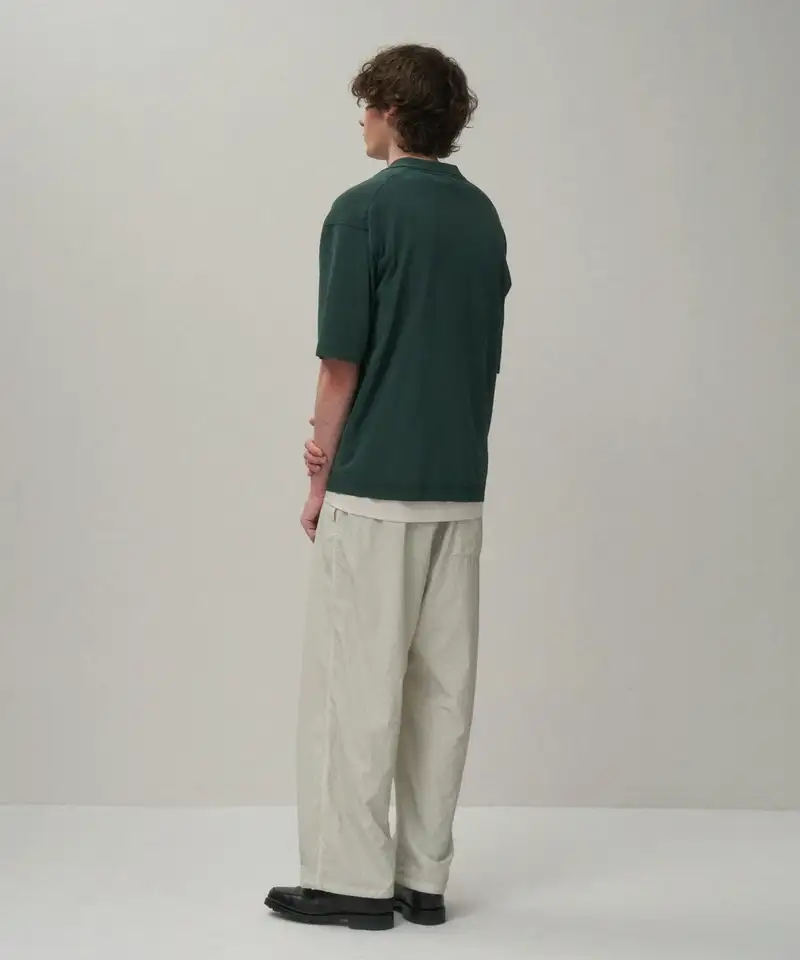
Aton's innovative philosophy carries significant implications for the global fashion and outdoor industries, as well as for discerning consumers. For too long, the technical apparel sector has operated under the assumption that performance must be visually stark or overtly sporty. Aton challenges this dichotomy, demonstrating that sophisticated aesthetics and high functionality can coexist. This shift could inspire other brands to reconsider their design paradigms, pushing the boundaries of what is possible in blending style, comfort, and weather resistance.
For consumers, this means access to outdoor and functional wear that seamlessly integrates into a more curated wardrobe, moving beyond the traditional gorpcore aesthetic to offer pieces with greater versatility and longevity. Instead of items solely relegated to trails or extreme conditions, Aton's offerings are designed to be worn effortlessly in diverse settings, from urban environments to casual social gatherings, without compromising on technical benefits like quick-drying or wrinkle resistance. This approach also underscores a growing appreciation for craftsmanship and unique textile development in an era often dominated by mass production, elevating the perceived value and emotional connection to clothing.
Furthermore, Aton's commitment to specialized weaving and traditional dyeing supports the preservation of valuable artisanal skills and regional textile industries, such as those in Hokuriku, Japan. This integration of heritage with modern design can serve as a model for sustainable luxury, where the investment in skilled labor and distinctive materials leads to garments that are cherished and kept for longer, moving away from fast fashion cycles.
Background
The landscape of outdoor apparel has evolved considerably over the past few decades. Initially, brands focused almost exclusively on practical attributes: waterproofing, breathability, durability, and lightweight design. This led to a boom in synthetic materials like nylon and Gore-Tex, which delivered unparalleled performance but often resulted in a homogeneous aesthetic that prioritized utility over visual appeal. The rise of 'gorpcore' in fashion, where technical hiking gear transitioned into urban streetwear, hinted at a consumer desire for functional clothing that also possessed style, yet many brands still struggled to bridge this gap authentically.
Japan, with its rich textile heritage and deep reverence for craftsmanship, provides fertile ground for Aton's particular vision. Regions like Hokuriku have been centers of textile manufacturing for generations, fostering specialized weaving techniques and a culture of meticulous attention to detail. Concurrently, traditional artisanal practices such as *narumi* dyeing, a tie-dye method with over 400 years of history, represent a profound legacy of human ingenuity in textile artistry. These crafts are typically associated with natural fibers like cotton or silk, celebrated for their unique, often irregular, beauty.
Aton emerged from this context, seeking to apply these time-honored principles to the domain of high-performance synthetics. The brand's decade-long journey has been dedicated to challenging the inherent visual limitations of technical fabrics, aiming to infuse them with the same 'natural and delicate wavy texture' and 'luster and fullness of natural fibers' that are the hallmarks of traditional craftsmanship. This involves not just selecting premium materials, but actively developing custom fabrics and processes that fundamentally alter how technical textiles look and feel, marking a significant departure from the industry's historical trajectory.
Qnews24h insight
Aton's distinctive strategy positions it not merely as an outdoor apparel brand, but as a vanguard in the broader fashion ecosystem. By meticulously merging performance with a sophisticated, artisanal aesthetic, Aton is tapping into a premium niche that values both utilitarian efficacy and elevated design. This approach challenges the prevailing narrative that technical wear must look 'technical' and opens up a compelling alternative for consumers who seek subtlety and luxury in their functional garments. The brand's reliance on specific regional craftsmanship, like Hokuriku weaving and *narumi* dyeing, provides a tangible story of heritage and quality that resonates deeply in an increasingly globalized and commoditized market.
This careful blend of tradition and innovation also serves as a strategic differentiator against larger, more established outdoor brands, many of whom struggle to pivot beyond their performance-first identities. Aton proves that true innovation can lie in unexpected intersections – applying ancient, human-centric processes to modern, machine-produced materials. While this bespoke, labor-intensive approach might limit mass production and keep prices at a premium, it cultivates a strong identity and loyal following among those who appreciate the 'fabric trickery' that makes a weather-resistant item feel like a luxurious casual staple. Aton's trajectory suggests a future where the lines between high fashion, technical wear, and sustainable craftsmanship continue to blur, driven by a demand for products that are both impeccably functional and enduringly beautiful.
A New Fabric Philosophy
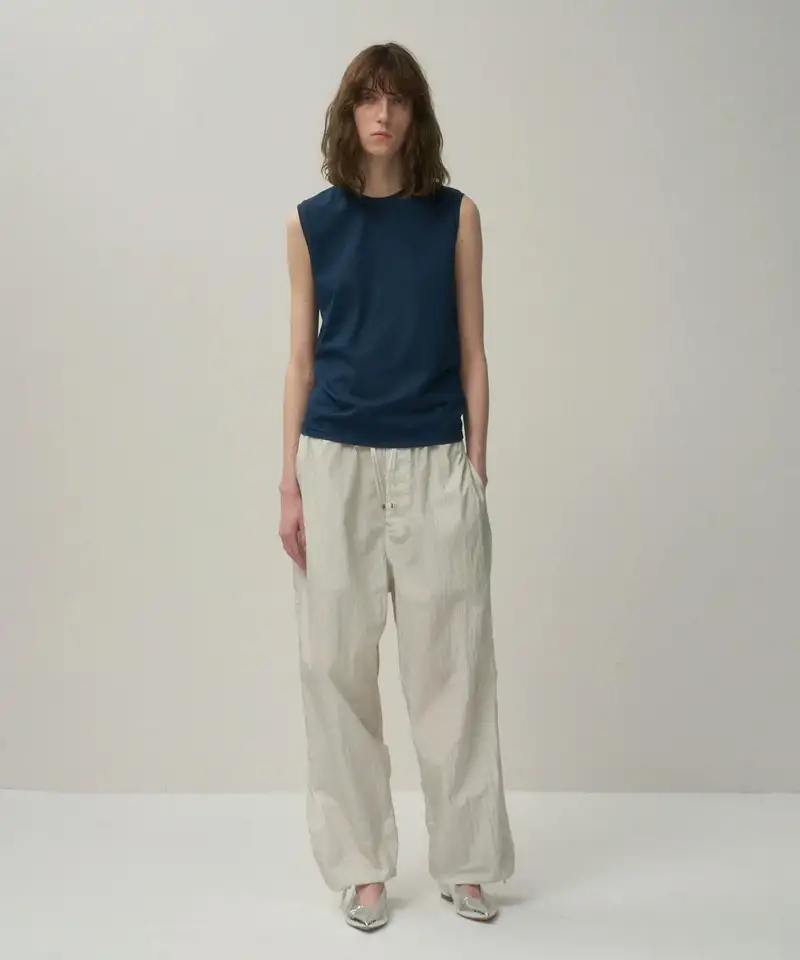
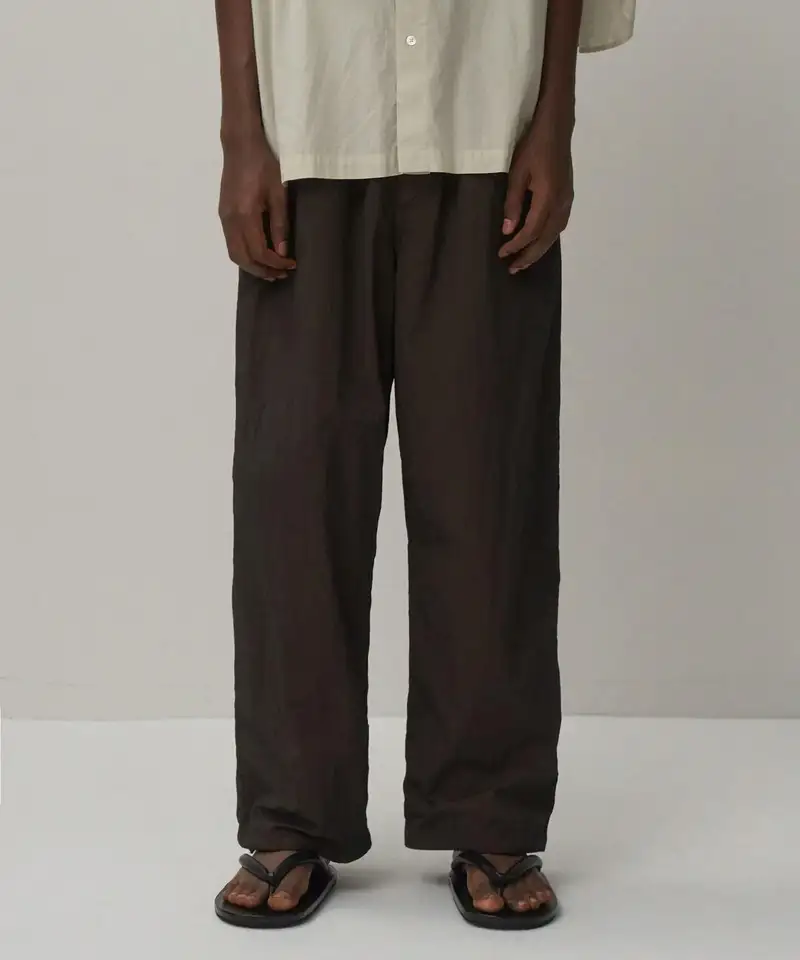
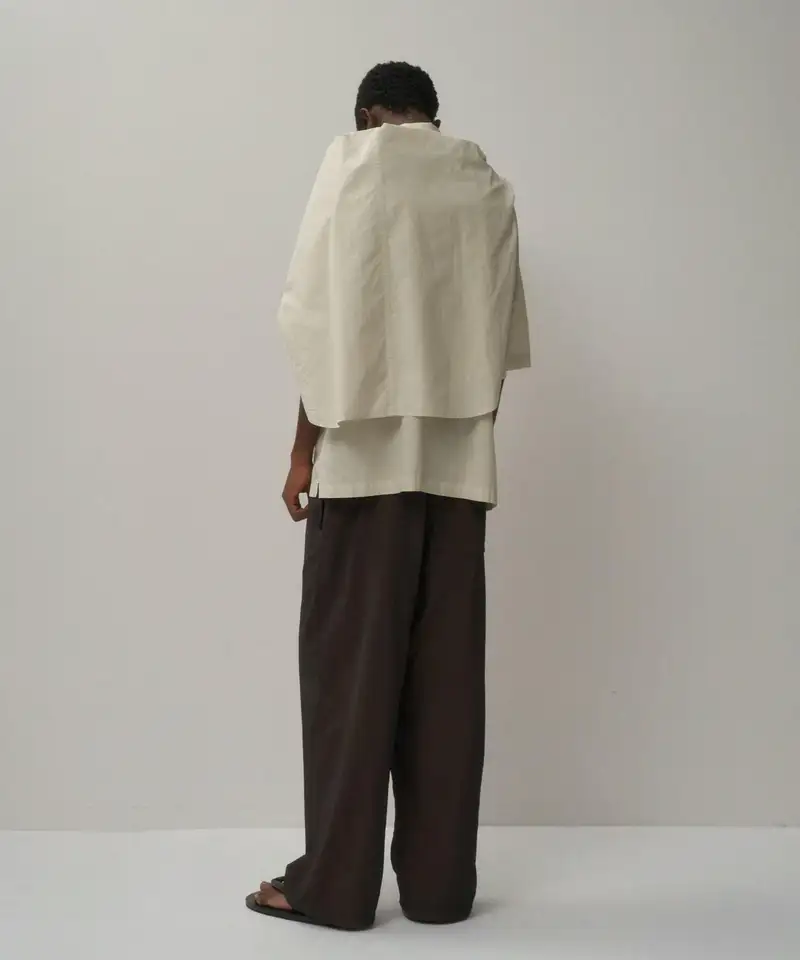
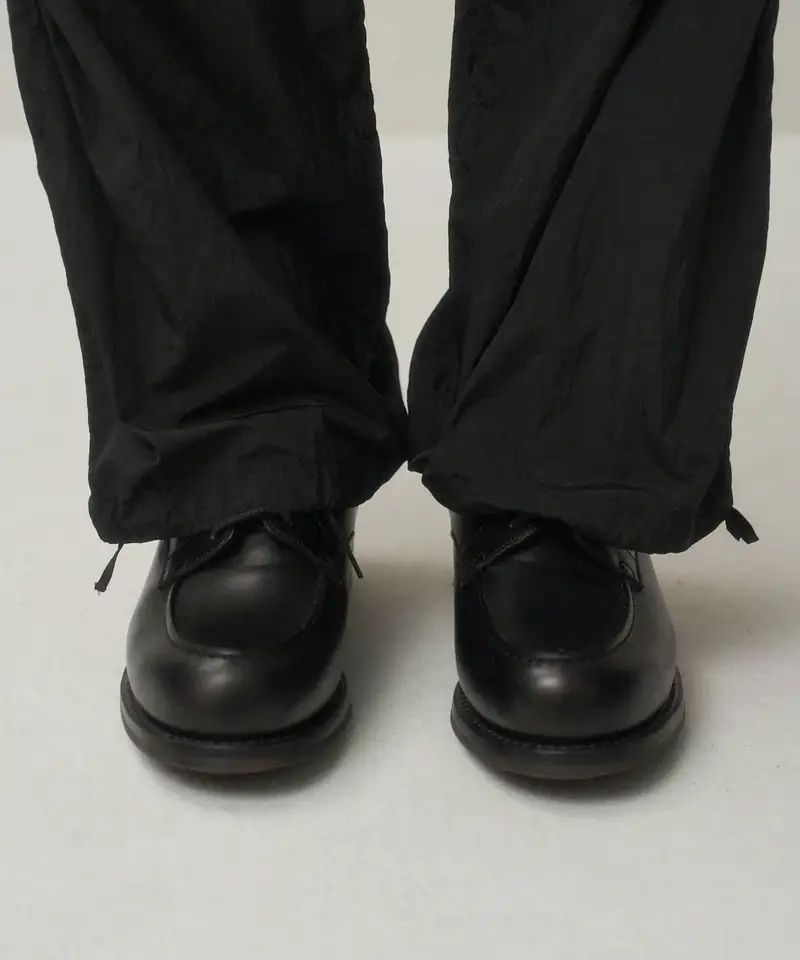
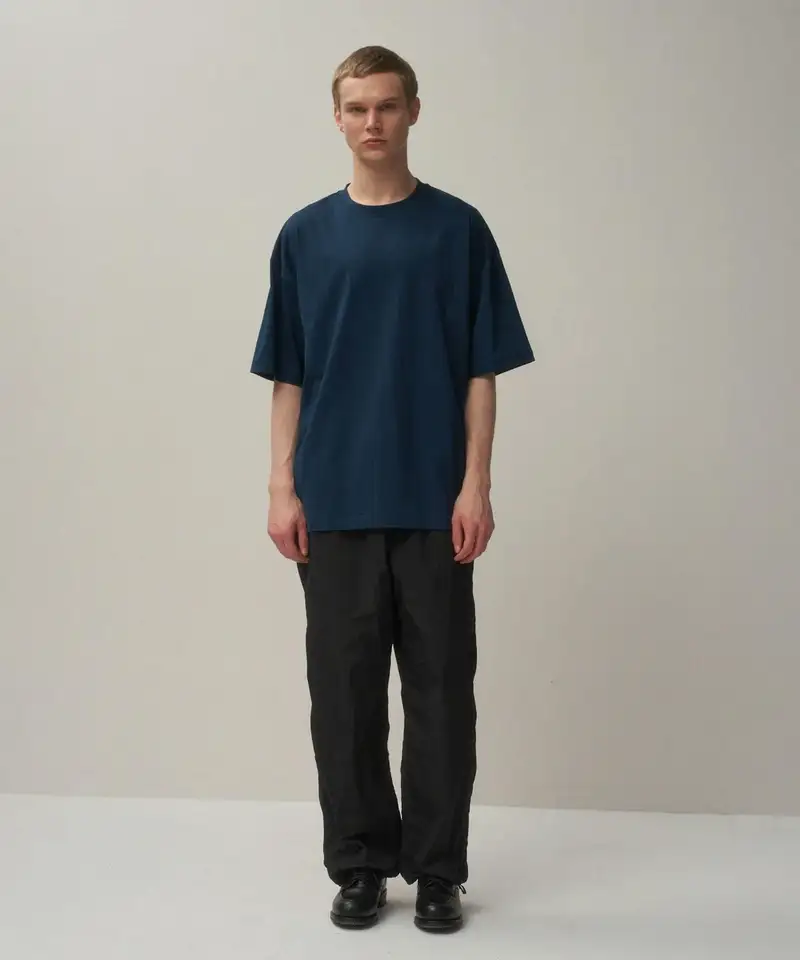
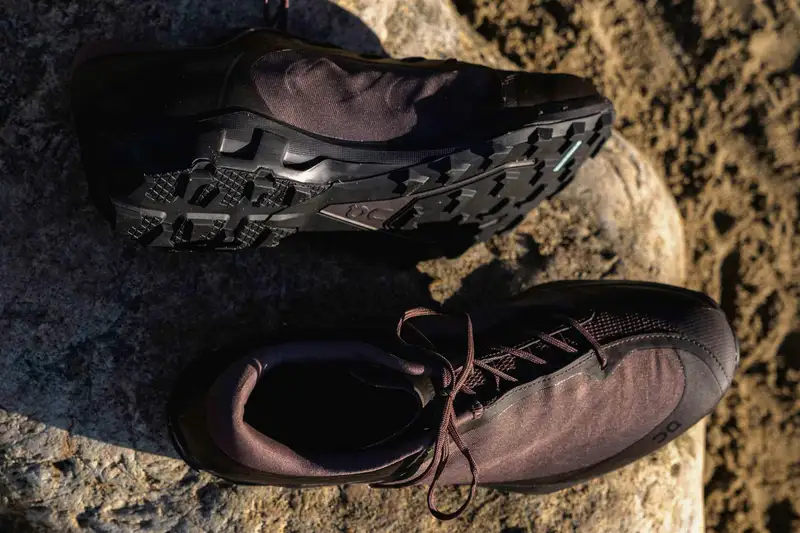
At the core of Aton's unique offering is its commitment to fabric innovation, a process that begins far before the garment takes shape. The brand eschews off-the-shelf materials, opting instead for custom fabrics developed to precise specifications. For its signature nylon utility pants, for instance, the material is meticulously woven in Hokuriku, a Japanese coastal region long celebrated for its advanced textile manufacturing capabilities. This specialized weaving is engineered to create a fabric that is not merely durable and functional—offering quick-drying and wrinkle-resistant properties—but also possesses a desired 'natural and delicate wavy texture,' a characteristic rarely found in conventional synthetic outdoor gear.
The Art of Narumi Dyeing
Beyond the weave, Aton elevates its textiles through traditional artisanal processes. A prime example is the application of *narumi* dyeing, an intricate tie-dye technique that boasts a heritage of over 400 years in Japan. Trained artisans painstakingly fold and stitch the fabric by hand to create elaborate patterns before the dyeing process, ensuring that each piece carries a unique, handcrafted imprint. This labor-intensive method results in subtle inconsistencies and depth of color that machines simply cannot replicate, transforming what could be a standard technical garment into a piece of wearable art. The result is a softness and visual intrigue that stands in stark contrast to the often uniform appearance of mass-produced technical goods.
Beyond the Utility Pant: Expanding the Aesthetic

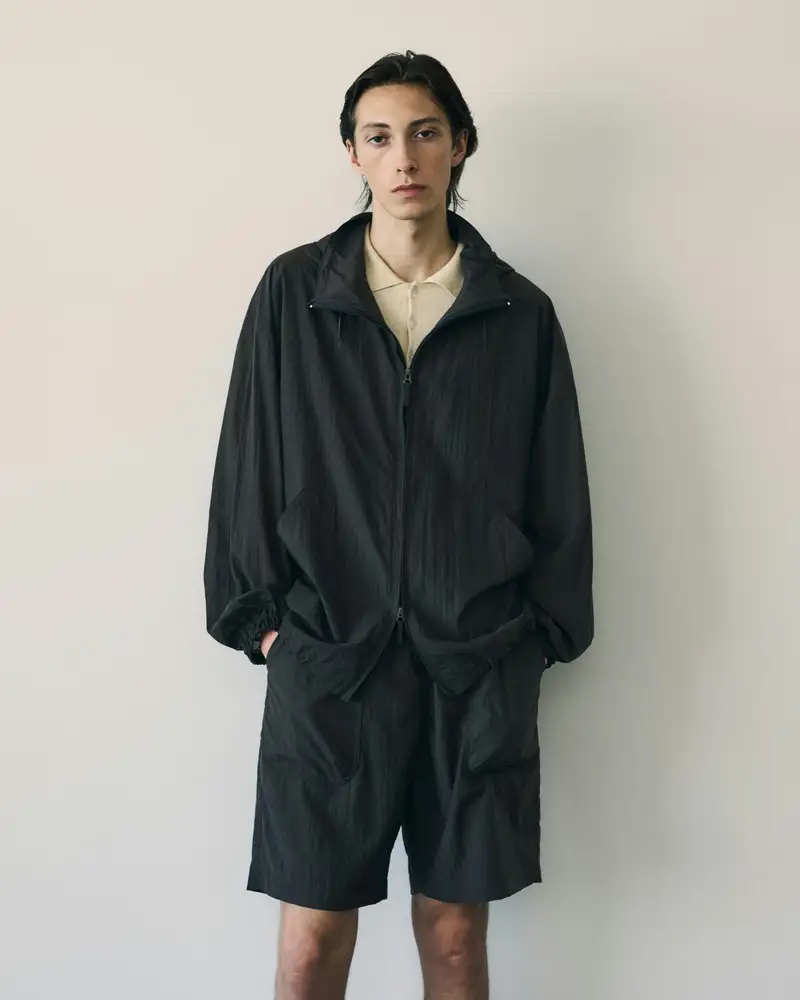
Aton's commitment to beautiful functionality extends beyond its popular utility pants. The brand's diverse range includes items like sporty windbreakers, where the custom-developed nylon filament yarn is woven at the highest possible density. This specific construction imparts a unique crispness that feels distinct from regular nylon, contributing to both its performance and refined aesthetic. Similarly, their airy nylon taffeta shorts are engineered to achieve the 'luster and fullness of natural fibers,' a testament to Aton's persistent efforts to bridge the tactile and visual gap between synthetics and traditional materials.
Redefining Outdoor Elegance
The essence of Aton's design philosophy lies in its ability to create garments that challenge perception. The loose fit and delicate texture of their utility pants, born from hours of meticulous handiwork, imbue them with an easygoing casualness. At first glance, these highly functional, weatherproof trousers could easily be mistaken for comfortable cotton slacks, a testament to what the brand terms 'fabric trickery.' This ability to imbue utilitarian clothing with unexpected softness and a sophisticated, almost understated, elegance is a hallmark of Aton's approach, setting them apart in a crowded market.

The Intersection of Tradition and Technology
Aton's core innovation stems from its daring intersection of ancient craft with modern textile technology. Historically, the subtle inconsistencies and unique beauty derived from patient, handwrought techniques have been almost exclusively applied to natural fibers. Aton, however, consciously applies these valuable skills and artistic practices to technical materials, asserting that functional clothes should also be 'blessed with the beauty of handwrought inconsistencies.' This groundbreaking fusion not only revitalizes traditional crafts but also elevates the entire category of functional wear, proving that performance and profound aesthetic appeal are not mutually exclusive but can, in fact, enhance one another.
Sources

- Aton Found a More Beautiful Way to Make Outdoor Clothing (highsnobiety.com)
FAQ
What makes Aton's outdoor clothing unique?
Aton distinguishes itself by blending high-performance technical fabrics with traditional Japanese artisanal techniques, such as custom weaving in Hokuriku and 400-year-old *narumi* hand-dyeing. This results in outdoor apparel that offers advanced functionality (e.g., quick-drying, wrinkle-resistant) while possessing a unique aesthetic beauty, delicate textures, and a sophisticated, almost natural feel.
Where are Aton's fabrics sourced and produced?
Aton's custom fabrics are woven in Hokuriku, a Japanese coastal region renowned for its textile manufacturing heritage. The dyeing process for many of their garments also involves traditional, hand-applied *narumi* techniques by skilled artisans, ensuring a high level of craftsmanship and unique finishes.
Does Aton prioritize aesthetics over functionality in its designs?
No, Aton's philosophy is about achieving 'beautiful functionality.' While they place a strong emphasis on aesthetic qualities like natural textures, soft looks, and elegant drapes, these are integrated without compromising the inherent technical performance requirements of outdoor wear, such as weather resistance, durability, and comfort.
Why it matters
Aton's innovative approach challenges the long-standing industry perception that outdoor gear must sacrifice aesthetics for performance, potentially inspiring a broader trend towards more versatile and design-conscious technical apparel. For consumers, it offers sophisticated, multi-functional garments that integrate seamlessly into diverse wardrobes, valuing both style and utility. Furthermore, by integrating ancient Japanese craftsmanship into modern production, Aton contributes to the preservation of cultural heritage and sets a precedent for sustainable luxury through handcrafted detail and product longevity.
Background
The evolution of outdoor apparel has historically prioritized raw functionality, leading to a largely utilitarian aesthetic in technical fabrics. While the 'gorpcore' trend introduced performance wear to urban fashion, a gap persisted in truly blending high-end design with technical efficacy. Japan, with its deep textile traditions and meticulous craftsmanship—evident in regions like Hokuriku and techniques like 400-year-old *narumi* dyeing—has long been a crucible for textile innovation. Aton, a decade-old Japanese label, emerged from this context, dedicated to bridging this gap by applying these time-honored artistic principles and custom fabric development to modern synthetics, thereby...
Aton occupies a strategic and forward-thinking position within the luxury and functional apparel markets. Its distinct value proposition lies in its ability to offer discerning consumers a product that transcends mere utility, delivering a nuanced blend of performance and artisanal beauty. This approach creates a strong brand identity and a loyal following, appealing to individuals who seek authenticity, craft, and understated elegance in their technical garments. While Aton's labor-intensive processes and premium materials may naturally lead to higher price points and niche market appeal, its influence could extend beyond its direct sales. The brand serves as a powerful testament to the...
References
Editorial information
The editorial team reviews sources, adds context, and structures stories so readers can understand the news more clearly.
Article from QNEWS24H
Comments
(0)No comments yet. Be the first to share your thoughts.