Apple's $250M Siri Lawsuit Settlement: Who Gets Payouts & Why It Matters
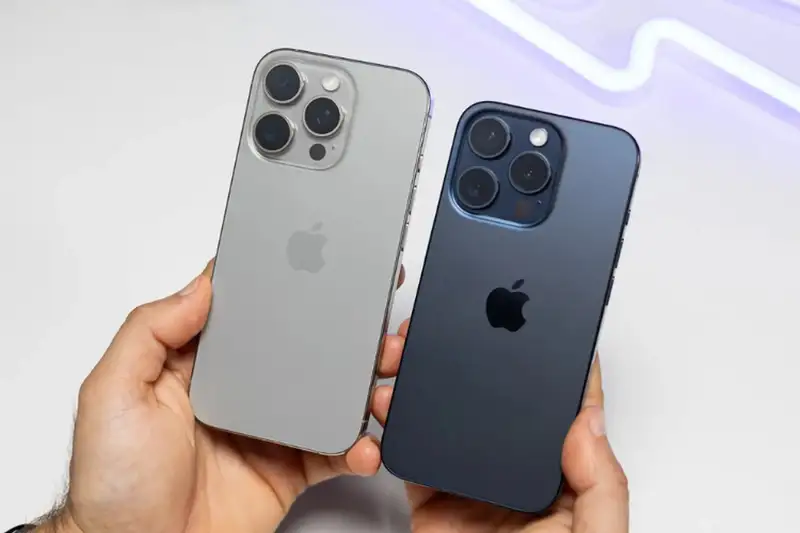
- A U.S. federal court has preliminarily approved Apple's $250 million settlement in a class-action lawsuit.
- The lawsuit centers on the delayed rollout of new Siri and Apple Intelligence features advertised for specific iPhone models.
- Eligible U.S. residents who purchased certain iPhone 15 Pro or iPhone 16 series devices between June 10, 2024, and March 29, 2025, may qualify for a payout.
- Individual payouts could range from an initial $25 up to $95 per eligible device, depending on the total number of valid claims filed.
Apple, the global tech giant, is moving closer to resolving a significant class-action lawsuit that could result in payouts of up to $95 for certain iPhone users in the United States. A federal court in Northern California has granted preliminary approval to a $250 million settlement, addressing claims related to the delayed availability of key Siri and Apple Intelligence features on recently purchased devices. This development highlights the growing scrutiny over how technology companies market future software capabilities and the expectations they set for consumers.
Quick summary
- A U.S. federal court has preliminarily approved Apple's $250 million settlement in a class-action lawsuit.
- The lawsuit centers on the delayed rollout of new Siri and Apple Intelligence features advertised for specific iPhone models.
- Eligible U.S. residents who purchased certain iPhone 15 Pro or iPhone 16 series devices between June 10, 2024, and March 29, 2025, may qualify for a payout.
- Individual payouts could range from an initial $25 up to $95 per eligible device, depending on the total number of valid claims filed.
Why it matters
This settlement carries significant implications for both Apple and the broader technology industry. For Apple, it serves as a costly reminder of the risks associated with premature announcements of software features, especially when those features are touted as major selling points for new hardware. In an era where software often drives hardware sales, the timely delivery of promised functionalities is paramount to maintaining consumer trust and avoiding legal challenges.
For consumers, particularly those who invest in premium devices like the iPhone Pro models, the expectation of receiving advertised features upon purchase is fundamental. When these features are delayed, it can lead to frustration and a sense of not receiving full value for their investment. This case reinforces consumer rights and the potential for legal recourse when marketing claims don't align with immediate product delivery.
Furthermore, the settlement could influence how other tech companies approach their product announcements, particularly at major developer conferences. It might encourage more conservative estimates on availability or clearer disclaimers about future feature rollouts, emphasizing transparency to avoid similar class-action disputes. The financial cost, while manageable for Apple, sets a precedent for the value placed on feature delays in the eyes of the law.
Background
The genesis of this lawsuit can be traced back to Apple's highly anticipated Worldwide Developers Conference (WWDC) in June 2024. During the keynote, Apple unveiled iOS 18 and, more notably, 'Apple Intelligence' – a suite of generative AI capabilities designed to deeply integrate across Apple's ecosystem. A central component of this announcement was a significantly upgraded Siri, promised to be more contextually aware, capable of understanding on-screen content, and executing complex, cross-application tasks.
These enhanced features, particularly Apple Intelligence, were presented as a transformative leap forward, closely tied to the latest iPhone hardware. They were showcased as a compelling reason for users to upgrade to the newest and most powerful iPhone models, specifically the iPhone 15 Pro series and the forthcoming iPhone 16 lineup. However, it quickly became apparent that many of these advanced features would not be immediately available upon the launch of iOS 18, and certainly not for all advertised devices within the initial purchase window.
The discrepancy between the ambitious marketing at WWDC and the actual, staggered rollout led to a class-action lawsuit, alleging that consumers were enticed to purchase specific iPhones based on features that were not yet accessible. While Apple has not admitted any wrongdoing or legal liability in the settlement agreement, choosing instead to resolve the matter outside of protracted litigation, the case highlights the tension between promotional hype and delivery timelines in the fast-paced tech world.
Qnews24h insight
The preliminary approval of Apple's $250 million settlement underscores a critical strategic dilemma for major technology firms: balancing the excitement of future innovation with the practical realities of product development and deployment. In the fiercely competitive smartphone market, companies like Apple often rely on aspirational software features to differentiate their premium hardware and drive upgrades. The 'Apple Intelligence' announcement at WWDC 2024 was a prime example, generating significant buzz around what the next generation of iPhones could do.
However, this settlement suggests that the legal and reputational costs of over-promising or under-delivering on these software features can be substantial. For Apple, a company that prides itself on seamless integration and a polished user experience, a class-action lawsuit over delayed features points to a potential miscalculation in their go-to-market strategy. While $250 million is a relatively small sum for a company of Apple's size, the underlying issue – the erosion of consumer trust due to unfulfilled expectations – carries a far greater long-term risk. This event could prompt a more cautious approach to feature announcements, potentially prioritizing immediate availability over showcasing ambitious, yet distant, capabilities.
Who is Eligible for a Payout?
The criteria for eligibility are quite specific. To be considered for a payout from the $250 million settlement fund, an individual must be a resident of the United States. Furthermore, they must have purchased one of the designated iPhone models within the U.S., not for the purpose of resale, during a specific window: from June 10, 2024, to March 29, 2025.
The eligible devices include the high-end iPhone 15 Pro and iPhone 15 Pro Max, as well as several anticipated models from the iPhone 16 series: the iPhone 16, iPhone 16e, iPhone 16 Plus, iPhone 16 Pro, and iPhone 16 Pro Max. It's crucial to understand that merely owning one of these devices within the specified timeframe is not enough; eligible individuals must also submit a valid claim to receive any compensation.
The Path to a Payout: What Users Need to Do
Despite the preliminary approval, funds are not being disbursed immediately. The process of submitting claims and verifying eligibility will follow. Details regarding how to submit a claim, including deadlines and required documentation, will be communicated once the settlement receives final approval. It is critical for potential claimants to monitor official announcements from the court or settlement administrators.
The actual amount an individual receives will hinge on the total number of valid claims submitted. While the initial projection is $25 per eligible device, the court documents indicate this could increase to a maximum of $95 per device if the overall number of claims is lower than anticipated. Conversely, a higher-than-expected number of claims could reduce the per-device payout, as the total settlement fund remains capped at $250 million.
Beyond the Payout: Lessons for Tech Giants
This settlement is more than just a financial transaction; it's a significant marker in the ongoing dialogue between tech companies and their user base. It underscores the increasing expectation for transparency and timely delivery in an industry driven by rapid innovation. As artificial intelligence becomes an even more integral component of consumer devices, the challenge for companies like Apple will be to manage expectations effectively, communicate clearly about feature availability, and ensure that groundbreaking announcements translate into tangible, accessible benefits for users without undue delay.
The outcome of this case may set a precedent, encouraging greater caution in how future-facing technologies are marketed, particularly when they are tied to hardware sales. For consumers, it reinforces the power of collective action and the legal system to hold even the largest corporations accountable for their promises.
Sources
FAQ
- What is the Apple lawsuit settlement about?
The lawsuit, settled for $250 million, concerns claims that Apple advertised advanced Siri and Apple Intelligence features for new iPhone models at WWDC 2024, but these features were not immediately available to consumers who purchased the devices. - Which iPhone models are eligible for this settlement payout?
Eligible models include the iPhone 15 Pro, iPhone 15 Pro Max, iPhone 16, iPhone 16e, iPhone 16 Plus, iPhone 16 Pro, and iPhone 16 Pro Max. - Who is eligible to receive money from the settlement?
U.S. residents who purchased one of the eligible iPhone models in the U.S. (not for resale) between June 10, 2024, and March 29, 2025, and submit a valid claim, are eligible. - How much money can eligible users expect to receive?
The estimated payout is initially $25 per eligible device, but this could increase to a maximum of $95 per device if fewer claims are filed. The actual amount depends on the total number of valid claims against the $250 million fund.
Why it matters
This settlement underscores the critical importance of timely software delivery in the tech industry, especially when advanced features are used as key selling points for new hardware. For Apple, it highlights the reputational and financial risks of premature announcements and sets a precedent for how consumer expectations regarding feature availability are managed. For consumers, it reinforces their rights and the potential for recourse when advertised functionalities are not immediately available, fostering greater transparency from tech companies.
Background
The class-action lawsuit originated from Apple's WWDC 2024 presentation, where it introduced iOS 18 and 'Apple Intelligence,' showcasing a significantly upgraded Siri with advanced contextual and cross-app capabilities. These features were presented as major incentives to upgrade to specific high-end iPhone 15 Pro and upcoming iPhone 16 models. However, the subsequent delay in making many of these promised AI features available upon product launch or within the initial purchase window led to consumer dissatisfaction and the filing of the lawsuit, alleging that users were enticed to buy based on unfulfilled promises. Apple, without admitting wrongdoing, opted for a settlement to avoid...
Apple's decision to settle the $250 million lawsuit, despite not admitting fault, reveals a strategic move to mitigate long-term legal and public relations risks. In an ecosystem where software advancements increasingly drive hardware sales, this case acts as a costly lesson on the perils of over-hyping future capabilities without a clear, immediate delivery timeline. It suggests that while generating excitement for innovation is vital, the industry may shift towards more conservative, transparent announcements regarding feature availability to safeguard consumer trust and avoid similar expensive disputes. The real insight lies in the balance Apple must strike between visionary marketing...
References
Editorial information
The editorial team reviews sources, adds context, and structures stories so readers can understand the news more clearly.
Article from QNEWS24H
Comments
(0)No comments yet. Be the first to share your thoughts.