Apple September Event Preview: iPhone 18 Pro Max, Next-Gen Wearables, and Hardware Upgrades
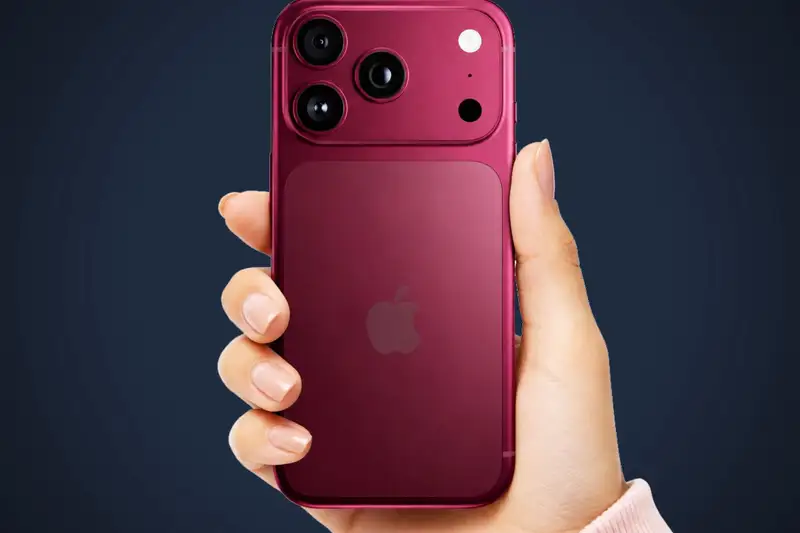
- Apple is preparing a multi-category product launch for its upcoming September keynote event, headlined by the flagship iPhone 18 series.
- The smartphone lineup is expected to highlight the high-end iPhone 18 Pro and iPhone 18 Pro Max, alongside a lightweight, ultra-thin iPhone Air form factor.
- Wearable refreshes will feature next-gen Apple Watch models and redesigned AirPods focused on enhanced audio quality, active noise cancellation, and refined ergonomics.
- Experimental wearable features, such as camera-integrated AirPods for ambient environmental AI processing, remain in development and are not expected at this event.
With barely a month remaining before Apple's tradition-steeped autumn keynote, consumer technology analysts and mobile enthusiasts are bracing for one of the tech giant's most expansive product unveilings in recent history. The Cupertino technology firm is widely expected to anchor its flagship fall showcase around the next-generation iPhone 18 lineup, flanked by an array of updated wearables and potential smart home ecosystem expansions.
Quick summary
- Apple is preparing a multi-category product launch for its upcoming September keynote event, headlined by the flagship iPhone 18 series.
- The smartphone lineup is expected to highlight the high-end iPhone 18 Pro and iPhone 18 Pro Max, alongside a lightweight, ultra-thin iPhone Air form factor.
- Wearable refreshes will feature next-gen Apple Watch models and redesigned AirPods focused on enhanced audio quality, active noise cancellation, and refined ergonomics.
- Experimental wearable features, such as camera-integrated AirPods for ambient environmental AI processing, remain in development and are not expected at this event.
Why it matters
The annual September hardware keynote represents the foundation of Apple's global revenue strategy heading into the lucrative holiday shopping quarter. As smartphone replacement windows continue to extend worldwide, consumer tech manufacturers must deliver tangible performance gains, distinct visual redesigns, and meaningful software integration to motivate upgrades.
For consumers and industry observers, the September event offers a definitive look at how Apple plans to operationalize artificial intelligence across its physical hardware ecosystem. By pairing enhanced local processing chips with computational photography and multi-device continuity, Apple aims to solidify customer retention while setting design trends that competitors across the mobile and wearable sectors will inevitably respond to over the coming market cycle.
Background
Apple's autumn hardware reveal has historically served as the benchmark for consumer electronics innovation. Over past release cycles, incremental refinements focused primarily on camera sensor dimensions, chassis materials like titanium, and baseline battery efficiency gains. However, the rapid advancement of artificial intelligence and spatial computing has redefined expectations for personal devices.
Prior hardware generations established the foundation for on-device machine learning through dedicated neural processing units built directly into Apple Silicon. The upcoming product cycle represents a crucial transition where hardware architecture and AI software capabilities are designed to operate in total synchronization. Furthermore, consumer demand for varied form factors has prompted Apple to re-evaluate its device portfolio, creating distinct tiers ranging from ultra-sleek everyday options to high-powered professional tools.
iPhone 18 Series: AI Capabilities and Ultra-Thin Design
At the center of the upcoming event is the flagship iPhone 18 lineup, with the iPhone 18 Pro and iPhone 18 Pro Max serving as the technological showcases. Industry intelligence indicates that Apple is directing substantial engineering resources toward hardware-accelerated AI functionalities, advanced camera hardware, and system-level performance gains. These enhancements aim to create a clear operational distinction between the new flagship tier and previous generations.
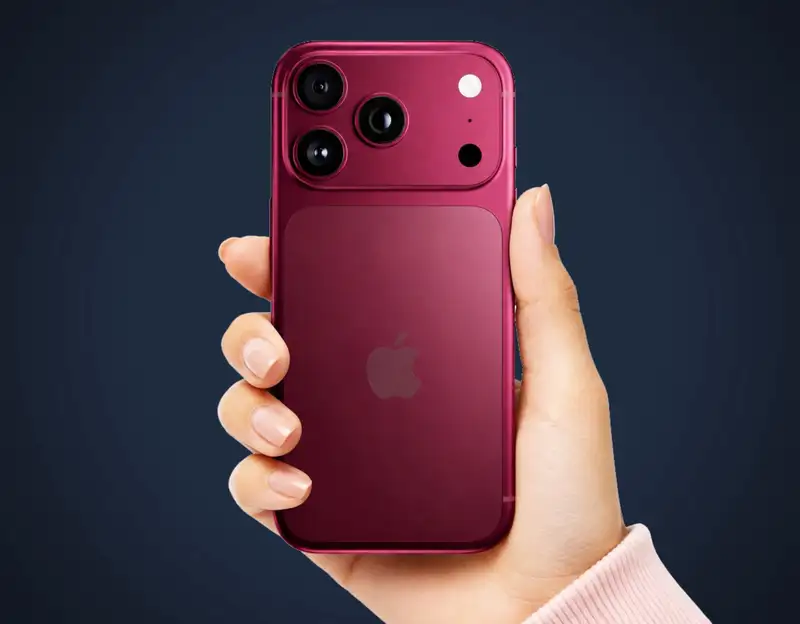
Visual and structural refinements are also anticipated across the smartphone catalog. Alongside the core flagship models, excitement has built around the potential inclusion of an ultra-thin iPhone Air variant. Designed for users prioritizing minimalist aesthetics and lightweight portability, this sleek model aims to deliver high-end processing power without the physical bulk of traditional pro-tier smartphones.
Camera upgrades are slated to play a pivotal role in the iPhone 18 narrative. Improvements in low-light capture, optical zoom performance, and real-time computational image processing are expected to appeal heavily to content creators and mobile photography enthusiasts. These optical developments are tightly coupled with updated system processors engineered to handle complex machine learning tasks locally, preserving battery longevity while enhancing overall operational speed.
Wearable Ecosystem: Apple Watch and Updated AirPods
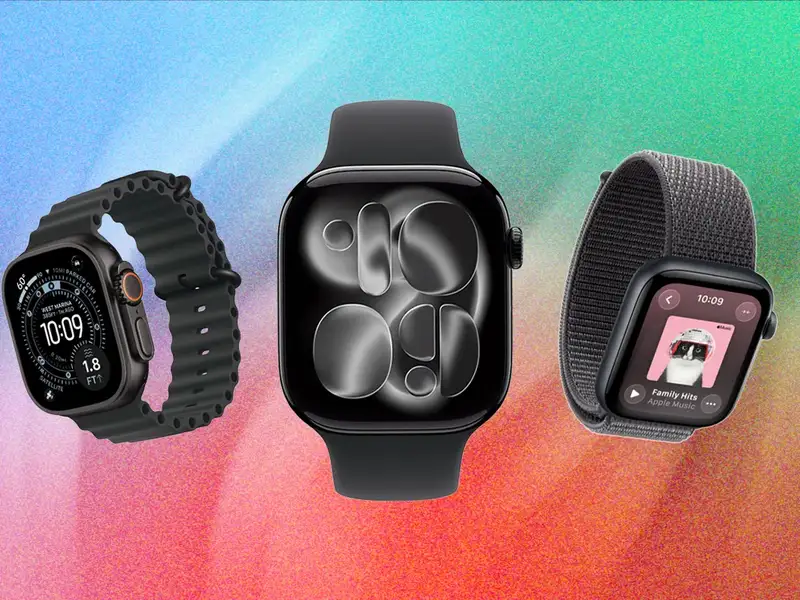
Beyond smartphones, Apple's wearable division is set for significant updates during the September showcase. The next-generation Apple Watch is anticipated to bring updated biometric tracking capabilities, refined display geometry, and optimized power management, reinforcing its position as a dominant force in personal health monitoring.
In tandem with wristwear updates, the AirPods lineup is poised for an overhaul. While recent rumors highlighted internal research into camera-equipped earbuds designed to provide ambient contextual intelligence for AI features, that technology is not slated for debut this year. Instead, the upcoming AirPods refresh will emphasize core audio capabilities, superior active noise cancellation, improved microphone performance for voice calls, and ergonomic design adjustments aimed at enhancing long-term wearing comfort.
Smart Home and Ecosystem Expansion
Apple's fall keynotes are renowned for occasionally introducing unexpected product categories under its classic element of surprise. Industry insiders suggest that Apple may utilize the September platform to highlight new smart home hardware or updated ecosystem accessories designed to unify its connected product family.
Expanding the smart home footprint remains a strategic priority for Apple as it seeks to deepen user engagement beyond personal mobile devices. While concrete technical details regarding secondary hardware remain tightly controlled, any introduction of home-oriented controllers, smart displays, or enhanced audio hubs would signal a deliberate push to compete more aggressively against established smart home ecosystems.
Qnews24h insight
The reported roadmap for Apple's September release demonstrates a disciplined and calculated approach to hardware iteration. By prioritizing core performance refinements in the iPhone 18 lineup while deferring overly experimental concepts like camera-embedded AirPods, Apple is choosing operational reliability over speculative gimmickry. The introduction of an ultra-thin iPhone Air form factor alongside the high-performance Pro Max highlights a dual-track strategy: capturing top-tier performance enthusiasts while simultaneously serving design-conscious consumers seeking sleek, modern aesthetics. In an environment where hardware cycles are increasingly judged on practical AI integration, Apple's measured execution appears aimed at delivering sustained ecosystem value rather than short-lived novelty.
Sources
Original source material supplied by Soha.vn.
Why it matters
The annual September hardware keynote represents the foundation of Apple's global revenue strategy heading into the lucrative holiday shopping quarter. As smartphone replacement windows continue to extend worldwide, consumer tech manufacturers must deliver tangible performance gains, distinct visual redesigns, and meaningful software integration to motivate upgrades. For consumers and industry observers, the event provides key insights into how Apple plans to operationalize artificial intelligence across its physical hardware ecosystem.
Background
Apple's autumn hardware reveal has historically served as the benchmark for consumer electronics innovation. Over past release cycles, incremental refinements focused primarily on camera sensor dimensions, chassis materials like titanium, and baseline battery efficiency gains. However, the rapid advancement of artificial intelligence and spatial computing has redefined expectations for personal devices, driving Apple to tightly integrate custom silicon processing with ecosystem-wide software capabilities.
The reported roadmap for Apple's September release demonstrates a disciplined and calculated approach to hardware iteration. By prioritizing core performance refinements in the iPhone 18 lineup while deferring overly experimental concepts like camera-embedded AirPods, Apple is choosing operational reliability over speculative gimmickry. The dual focus on pro-grade processing and ultra-thin ergonomics targets both power users and design-focused buyers.
References
Editorial information
The editorial team reviews sources, adds context, and structures stories so readers can understand the news more clearly.
Article from QNEWS24H
Comments
(0)No comments yet. Be the first to share your thoughts.