Apple Reportedly Scraps All-Glass 20th Anniversary iPhone Over Yield Issues
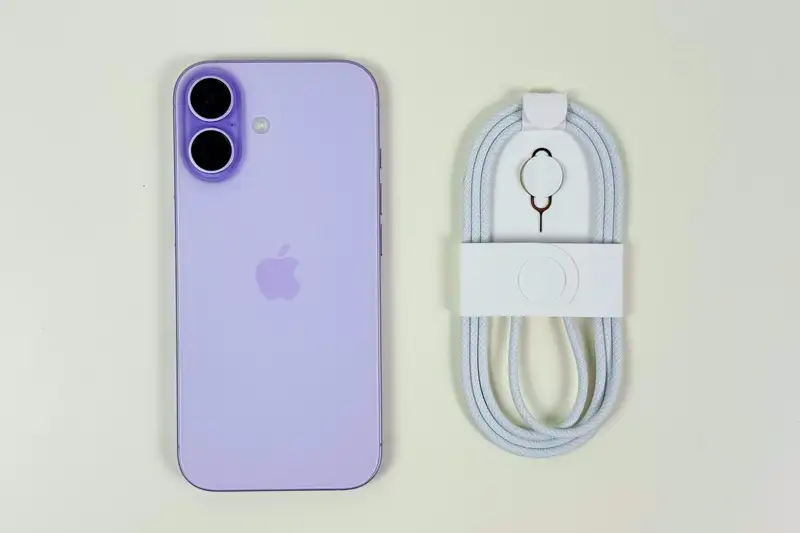
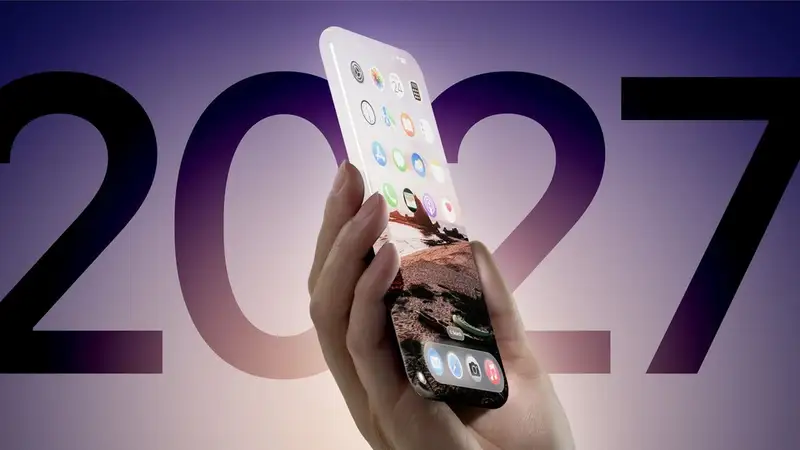
- Jefferies analyst Edison Lee reports Apple has cancelled its all-glass 20th-anniversary iPhone targeted for 2027 due to low production yield rates.
- Wall Street reacted swiftly, with Jefferies downgrading Apple (AAPL) stock to 'Underperform' and lowering its target price to $263.66, triggering a 2.1% share price drop.
- The high-end device was projected to carry an average selling price around $2,060, designed to bolster revenue and offset rising DRAM memory and component costs.
- Broader supply chain pressures continue, with DRAM shortages impacting A20 Pro chip packaging and Apple squeezing OLED panel suppliers to maintain margins.
Apple's long-rumored plans to revolutionize smartphone aesthetics with a completely glass-enclosed device have hit a major roadblock. Industry reports indicate that the Cupertino tech giant has cancelled the development of its specialized 20th-anniversary iPhone—originally slated for release in late 2027—after technical tests revealed unacceptably low manufacturing yield rates. The setback has already sent ripples through Wall Street, sparking stock downgrades and raising fresh questions about Apple's high-end pricing strategy amidst rising component expenses.
Quick summary
- Jefferies analyst Edison Lee reports that Apple has cancelled its all-glass 20th-anniversary iPhone planned for September 2027 due to low production yield rates.
- Wall Street reacted sharply, with Jefferies downgrading Apple stock (AAPL) to "Underperform" and cutting its price target from $285.56 to $263.66, leading to a 2.1% stock decline.
- The specialized device was anticipated to carry an average selling price of roughly $2,060, serving as a vehicle to offset escalating DRAM memory and component costs.
- Supply chain bottlenecks persist across Apple's lineup, including DRAM shortages slowing down A20 Pro chip packaging and cost negotiations with OLED panel suppliers.
Wall Street Reacts to the Cancellation
In a research note reported by Barron's, Jefferies analyst Edison Lee revealed that Apple abandoned the all-glass enclosure project after testing confirmed that standard manufacturing yields could not be achieved. The news prompted Lee to downgrade Apple stock to "Underperform"—the equivalent of a "Sell" rating—while cutting his price target from $285.56 to $263.66 per share. This adjustment represents one of the most bearish valuations on Wall Street for the tech giant. Following the announcement, Apple shares fell by 2.1%.
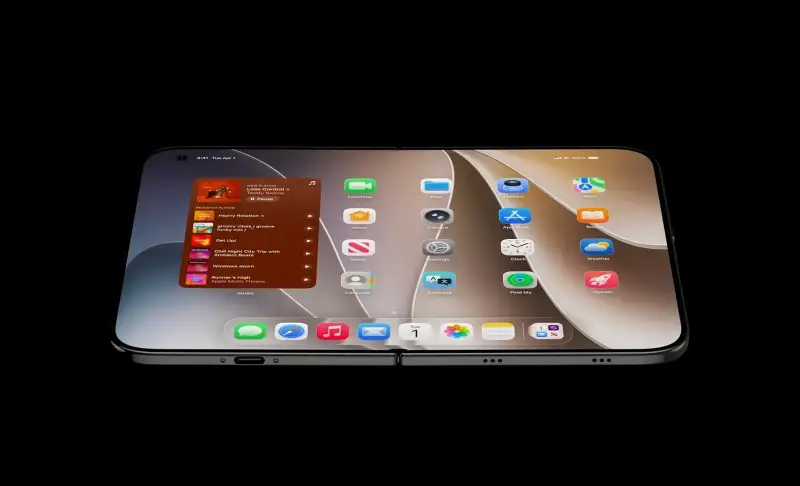
For over a year, rumors had circulated regarding a commemorative iPhone designed to mark two decades since Steve Jobs unveiled the original model in 2007. Billed as the most dramatic architectural overhaul since the bezel-less iPhone X in 2017, the special edition was expected to launch in Autumn 2027 alongside Apple's second-generation foldable device. However, manufacturing a chassis constructed entirely out of seamless glass proved too complex for commercial mass production at scale.
Why it matters
The cancellation of the all-glass concept is a major strategic setback for Apple's average selling price (ASP) expansion. Analyst Edison Lee estimated that had the 20th-anniversary model reached the market in 2027, it would have commanded an unprecedented retail price averaging around $2,060 per unit—making it the most expensive traditional smartphone in Apple's portfolio.
This ultra-premium price point was not merely symbolic; it was integral to Apple's broader financial strategy. With memory chip costs, specifically DRAM, increasing rapidly, Apple relied on high-margin luxury tiers to protect its overall gross margins. Lee had previously anticipated that the groundbreaking all-glass design language would eventually trickle down to future iPhone Pro and Pro Max models, allowing Apple to justify higher price tags across its flagship line. Without this key design breakthrough, Apple faces tighter limits on its ability to pass rising bill-of-materials (BOM) costs onto consumers.
Background
Initial leaks regarding the 20th-anniversary milestone project emerged in 2025. Conceptualized as a futuristic glass monolith, leaked specifications described a phone encased entirely in curved glass wrapping around both front and rear panels. The design aimed to eliminate screen cutouts entirely by integrating under-display Face ID sensors, paired with solid-state force-touch capacitive buttons and a chassis gently curved on all four edges.
Despite the high expectations, technical hurdles have consistently plagued Apple's aggressive hardware roadmap. Industry watchers note that even smaller modifications, such as completely removing the Dynamic Island cutout for upcoming hardware cycles, have faced continuous skepticism due to engineering roadblocks. While the full glass casing has been abandoned, analysts note that select design choices—such as a quadruple-curved frame—could still potentially materialize in future iterations.
Broader Supply Chain Pressures and Roadmap Adjustments
The cancellation of the anniversary flagship comes at a complicated time for Apple's hardware supply chain. The company is actively navigating component shortages and rising costs across multiple product lines:
- DRAM Shortages: Deficits in global DRAM supply have delayed packaging processes for the upcoming A20 Pro silicon, forcing Apple to source additional supplier partners to meet manufacturing targets for the iPhone 18 Pro and iPhone Ultra.
- Display Cost Negotiations: To counter surging memory and chip costs, Apple has exerted increased commercial pressure on its primary OLED display panel suppliers to lower component pricing.
- Tiered Launch Schedules: Internal memos point toward an intensive release cadence, including launch events scheduled for the first half of September to introduce first-generation foldables alongside the iPhone 18 Pro. Meanwhile, early research and development is already underway for a third-generation foldable targeted for 2028.
- Pricing Restructuring: Market chatter indicates potential price adjustments across standard models, including price increases on the iPhone 17 ahead of subsequent flagship releases.
Qnews24h insight
The decision to abandon the all-glass anniversary iPhone highlights a clear reality in consumer technology: pushing industrial design past structural limits eventually runs into manufacturing bottlenecks. While Apple has built a reputation for turning ambitious concepts into mass-market hardware, low production yield rates directly threaten profit margins, especially when component costs like DRAM are climbing sharply across the industry.
Investors should view Jefferies' downgrade not merely as a reaction to a cancelled device, but as concern over Apple's pricing flexibility. Without a revolutionary, top-tier luxury device commanding a $2,000+ price point, Apple's ability to maintain upward pressure on average selling prices will depend heavily on software integration, display refinements, and foldable form factors rather than radical casing materials.
Frequently Asked Questions
Why was the all-glass 20th anniversary iPhone cancelled?
According to analysis from Jefferies, Apple cancelled the project because prototype manufacturing tests yielded unacceptably low pass rates, making mass production financially and logistically unviable.
How did the financial markets react to the news?
Jefferies downgraded Apple stock to "Underperform" and lowered its price target to $263.66 per share, triggering a 2.1% drop in Apple's stock price.
Will any features from the concept still be used?
While the all-glass casing has been abandoned, certain design elements associated with the project—such as a frame curved on all four edges—may still appear in future iPhone models.
Sources
Source report published by Znews.vn based on analysis from Jefferies and coverage by Barron's.
Why it matters
The cancellation deprives Apple of a major driver for average selling price (ASP) expansion at a time when memory component costs are escalating. The projected $2,060 price point for the all-glass flagship was intended to establish a high margin tier that could offset rising bill-of-materials costs across future Pro and Pro Max lineups.
Background
Since 2025, reports indicated Apple was designing a flagship device to commemorate the 20th anniversary of the iPhone in autumn 2027. Intended as the biggest design shift since the iPhone X, rumors pointed to a completely glass-encased body with under-display Face ID, quad-curved glass, and force-touch capacitive buttons alongside 2nd-generation foldable releases.
Apple's decision demonstrates that engineering limits and yield economics still constrain industrial design. In an environment dominated by rising chip costs, Apple cannot afford low yields on luxury hardware. Moving forward, revenue growth will depend heavily on foldables and incremental tier adjustments rather than unproven housing materials.
References
Editorial information
The editorial team reviews sources, adds context, and structures stories so readers can understand the news more clearly.
Article from QNEWS24H
Comments
(0)No comments yet. Be the first to share your thoughts.