Apple Faces Soaring RAM Costs: iPhone Pricing & Supply Chain Under Pressure
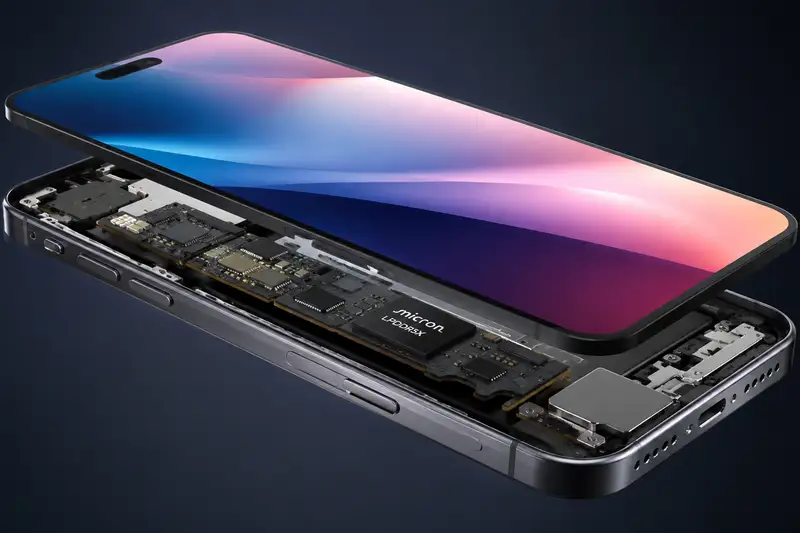
- Prices for 12GB LPDDR5X RAM modules surged from $77.1 in Q1 2026 to $145.9 in Q2 2026, marking an 89% increase.
- This type of high-performance RAM is critical for premium smartphones like the iPhone, supporting advanced multitasking and on-device AI features.
- The primary driver behind the price hike is a booming demand for memory from AI infrastructure and data centers, creating intense competition for DRAM supply.
- Apple, despite its historical advantages in bulk purchasing, is vulnerable to this market volatility, potentially leading to difficult decisions regarding product pricing.
The global technology sector is bracing for a significant financial ripple effect as the cost of a crucial component, LPDDR5X RAM, has reportedly skyrocketed by nearly 90% in the second quarter of 2026. This unprecedented surge in memory chip prices presents a formidable challenge for major device manufacturers, with Apple, a titan in the smartphone industry, now facing the prospect of substantially higher production costs for its flagship iPhones.
Quick summary
- Prices for 12GB LPDDR5X RAM modules surged from $77.1 in Q1 2026 to $145.9 in Q2 2026, marking an 89% increase.
- This type of high-performance RAM is critical for premium smartphones like the iPhone, supporting advanced multitasking and on-device AI features.
- The primary driver behind the price hike is a booming demand for memory from AI infrastructure and data centers, creating intense competition for DRAM supply.
- Apple, despite its historical advantages in bulk purchasing, is vulnerable to this market volatility, potentially leading to difficult decisions regarding product pricing.
Why it matters
This sharp increase in LPDDR5X RAM prices reverberates far beyond semiconductor foundries and component suppliers. For consumers, it could translate directly into higher retail prices for next-generation smartphones, laptops, and other high-end electronic devices, especially those boasting significant memory capacities or advanced AI capabilities. Device manufacturers, including giants like Apple, will face immense pressure on their profit margins, forcing them to either absorb the escalated costs or pass them on to the end-user. The situation also highlights the intricate dependencies within the global tech supply chain and the profound impact of emerging technologies like artificial intelligence on the availability and pricing of fundamental hardware components. It underscores a shifting landscape where strategic procurement and supply chain resilience become even more critical for industry leaders.
Background
For years, the memory market has experienced cycles of boom and bust, but the current surge is largely attributed to a structural shift in demand. The advent of sophisticated on-device artificial intelligence and the exponential growth of cloud computing and data centers have created an insatiable appetite for high-bandwidth, low-power memory solutions like LPDDR5X. This specific RAM standard, prevalent in flagship smartphones, delivers superior performance and energy efficiency compared to its predecessors, making it indispensable for modern mobile processors handling complex tasks, from advanced photography algorithms to real-time AI processing. Historically, Apple has leveraged its enormous purchasing power and long-term supply contracts to secure favorable pricing and stable component supplies, often insulating itself from the short-term fluctuations that plague smaller competitors. This strategic advantage allowed Apple to maintain robust profit margins even as component costs varied. However, the sheer scale and speed of the current memory market's transformation, fueled by unprecedented demand for AI infrastructure, appear to be challenging even Apple's formidable procurement capabilities, signaling a potentially new era of cost pressures.
Qnews24h insight
The current surge in LPDDR5X RAM prices places Apple at a critical juncture, testing its long-held strategy of balancing premium pricing with controlled production costs. While Apple's brand loyalty and ecosystem strength provide some insulation, an 89% component cost increase for a vital part like RAM cannot be easily dismissed. The company now faces a strategic dilemma: absorb the significant additional expenses, thereby impacting its traditionally healthy profit margins, or adjust product pricing, potentially pushing the cost burden onto consumers. Either path carries risks. Absorbing costs could disappoint investors, while increasing iPhone prices could affect sales volume, particularly in price-sensitive markets, or make premium models less accessible. This scenario underscores a broader industry challenge: the rapid expansion of AI infrastructure is creating unexpected demand-side pressures across the entire semiconductor landscape, diverting essential components and driving up costs for consumer electronics. Manufacturers must now navigate this new reality, potentially revisiting supply chain diversification and long-term component sourcing agreements to mitigate future volatility. The coming months will reveal how successfully Apple and its peers adapt to this evolving economic landscape.
The Critical Role of LPDDR5X in Modern Devices
LPDDR5X, or Low Power Double Data Rate 5 eXtreme, is not merely another memory chip; it represents a pinnacle of mobile DRAM technology. Its high bandwidth is crucial for rapidly transferring vast amounts of data between the central processing unit (CPU), graphics processing unit (GPU), and neural processing unit (NPU) within a smartphone. This capability is paramount for enabling seamless multitasking, running graphically intensive games, and, critically, powering the sophisticated on-device artificial intelligence features that are becoming standard in premium devices. From advanced computational photography and real-time language translation to enhanced security protocols and personalized user experiences, LPDDR5X facilitates the computational heavy lifting required for these innovations. Its lower power consumption also contributes significantly to extending battery life, a key differentiator in the competitive smartphone market. Therefore, the spiraling cost of this particular component directly impacts the performance, features, and power efficiency benchmarks that consumers expect from their high-end devices.
The AI Gold Rush: Reshaping Memory Markets
The primary catalyst for the current memory price surge is undeniably the global 'AI gold rush.' Companies worldwide are investing billions in building and expanding data centers and AI training infrastructure. These facilities require immense quantities of high-performance DRAM (Dynamic Random-Access Memory) to feed powerful AI accelerators and processors. This enterprise-level demand is incredibly lucrative for memory manufacturers, who naturally prioritize the production of these high-margin, high-volume data center and AI-specific memory chips. The ripple effect is a tightening of supply for consumer-grade LPDDR5X memory, even though it serves a different segment of the market. Essentially, the battle for computational dominance in AI is inadvertently driving up the cost of components for your next smartphone. This illustrates a growing trend where advancements in one sector of technology have profound, often unforeseen, implications for others, creating a complex web of interconnected supply and demand dynamics.
Apple's Strategic Crossroads: Absorbing Costs or Raising Prices?
For a company renowned for its meticulously managed supply chain and premium pricing strategy, the LPDDR5X cost increase presents a delicate balancing act. Historically, Apple has maintained robust gross margins, a testament to its strong brand, efficient operations, and ability to command premium prices. Absorbing an 89% increase on a key component could shave percentage points off these margins, potentially disappointing shareholders who expect consistent profitability. Conversely, passing on these increased costs to consumers risks alienating a segment of its customer base, especially as global economic uncertainties persist. The decision will likely involve careful analysis of market elasticity, competitive landscape, and brand perception. Apple could opt for a nuanced approach, perhaps maintaining the base model prices while increasing those for higher-storage or 'Pro' variants that utilize more LPDDR5X memory. The company's ability to innovate and optimize other aspects of its manufacturing process might also play a role in mitigating the impact.
Broader Industry Implications and Future Outlook
While Apple garners significant attention due to its market capitalization and visibility, the LPDDR5X price hike is a systemic issue affecting the entire electronics industry. Competitors in the premium smartphone segment, alongside laptop manufacturers and other device makers relying on advanced memory, are grappling with similar pressures. This could lead to a broader trend of price increases across the consumer electronics landscape, or force manufacturers to explore cost-cutting measures elsewhere in their Bill of Materials (BOM). The situation also highlights the increasing importance of supply chain diversification and forward-looking procurement strategies. Companies that can secure long-term contracts or invest in vertical integration may be better positioned to weather such volatility. Looking ahead, if the demand for AI infrastructure continues its aggressive trajectory, sustained high memory prices could become the new norm, fundamentally reshaping the economics of consumer technology and demanding greater innovation in both chip design and supply chain management.
Sources
FAQ
- Q: What is LPDDR5X RAM and why is it important for iPhones?
A: LPDDR5X (Low Power Double Data Rate 5 eXtreme) is an advanced type of memory chip used in high-end smartphones like the iPhone. It offers high bandwidth and low power consumption, crucial for enabling smooth multitasking, running demanding applications, and powering sophisticated on-device artificial intelligence features that define modern smartphone experiences. - Q: Why have LPDDR5X RAM prices increased so dramatically?
A: The primary reason for the nearly 90% price surge is a massive increase in demand for high-performance memory from the burgeoning artificial intelligence (AI) industry and the expansion of global data centers. Memory manufacturers are prioritizing these highly profitable enterprise customers, leading to a tighter supply and higher prices for consumer-grade LPDDR5X modules. - Q: Will the increased RAM costs directly lead to higher iPhone prices for consumers?
A: While an 89% increase in a key component's cost creates significant pressure for Apple, the company has not officially confirmed any price increases for iPhones. Apple will need to decide whether to absorb these higher production costs, potentially impacting its profit margins, or pass some or all of them onto consumers through higher retail prices. The decision will likely depend on market conditions and Apple's strategic priorities. - Q: Are other smartphone manufacturers also affected by this RAM price increase?
A: Yes, the surge in LPDDR5X RAM prices is a broad industry issue. Other manufacturers of high-end smartphones, laptops, and various electronic devices that rely on similar advanced memory components are also facing similar cost pressures. Apple is a prominent example due to its high production volumes and reliance on premium parts, but the impact is widespread across the tech sector.
Why it matters
This sharp increase in LPDDR5X RAM prices reverberates far beyond semiconductor foundries and component suppliers. For consumers, it could translate directly into higher retail prices for next-generation smartphones, laptops, and other high-end electronic devices, especially those boasting significant memory capacities or advanced AI capabilities. Device manufacturers, including giants like Apple, will face immense pressure on their profit margins, forcing them to either absorb the escalated costs or pass them on to the end-user. The situation also highlights the intricate dependencies within the global tech supply chain and the profound impact of emerging technologies like artificial...
Background
For years, the memory market has experienced cycles of boom and bust, but the current surge is largely attributed to a structural shift in demand. The advent of sophisticated on-device artificial intelligence and the exponential growth of cloud computing and data centers have created an insatiable appetite for high-bandwidth, low-power memory solutions like LPDDR5X. This specific RAM standard, prevalent in flagship smartphones, delivers superior performance and energy efficiency compared to its predecessors, making it indispensable for modern mobile processors handling complex tasks, from advanced photography algorithms to real-time AI processing. Historically, Apple has leveraged its...
The current surge in LPDDR5X RAM prices places Apple at a critical juncture, testing its long-held strategy of balancing premium pricing with controlled production costs. While Apple's brand loyalty and ecosystem strength provide some insulation, an 89% component cost increase for a vital part like RAM cannot be easily dismissed. The company now faces a strategic dilemma: absorb the significant additional expenses, thereby impacting its traditionally healthy profit margins, or adjust product pricing, potentially pushing the cost burden onto consumers. Either path carries risks. Absorbing costs could disappoint investors, while increasing iPhone prices could affect sales volume, particularly...
References
Editorial information
The editorial team reviews sources, adds context, and structures stories so readers can understand the news more clearly.
Article from QNEWS24H
Comments
(0)No comments yet. Be the first to share your thoughts.