Apple's macOS 27 Golden Gate Leaves Intel Macs Behind, Solidifying Silicon Era
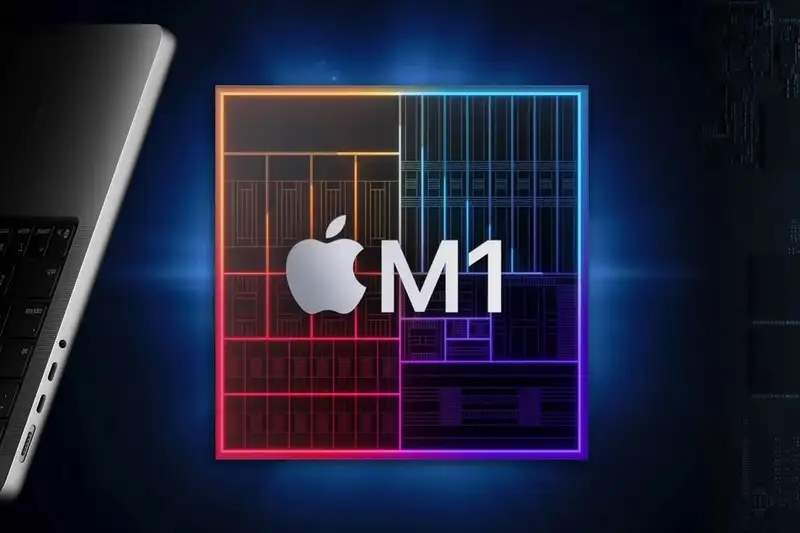
- macOS 27 Golden Gate will exclusively support Apple Silicon Macs, ending new feature updates for all Intel-based models.
- Intel Mac users will continue to receive security patches but will miss out on future OS innovations and performance improvements.
- Apple's decision streamlines development by focusing resources entirely on its custom Arm-based architecture, promising faster innovation.
- This move marks the complete fulfillment of Apple's multi-year transition away from Intel processors, solidifying its self-reliant ecosystem.
During its highly anticipated WWDC 2026 keynote, Apple unveiled macOS 27 Golden Gate, a new operating system promising a suite of enhanced features and performance improvements. While the presentation highlighted the innovative capabilities of the software, a quiet revelation on Apple's website confirmed a monumental shift: macOS 27 Golden Gate will exclusively support Mac devices running on Apple Silicon. This move effectively relegates all Intel-powered Macs to legacy status, cutting them off from future flagship operating system updates and marking a significant turning point in Apple's architectural strategy.
Quick summary
- Apple's upcoming macOS 27 Golden Gate operating system will only be compatible with Mac devices featuring Apple Silicon chips, officially ending support for all Intel-based models.
- Intel Mac users will no longer receive new OS features or performance enhancements, though they may continue to get essential security patches.
- The decision allows Apple to streamline macOS development, focusing resources entirely on its custom Arm-based architecture for future innovations.
- This marks the complete and final transition away from Intel processors, cementing Apple's self-reliant hardware and software ecosystem.

Why it matters
This strategic pivot by Apple has profound implications for a vast segment of its user base and the broader technology landscape. For owners of Intel-based Macs, the announcement means their hardware has reached the end of its feature upgrade path. While security updates might continue for a period, the lack of access to new functionalities and performance optimizations inherent in macOS 27 Golden Gate will inevitably diminish the long-term utility and resale value of these machines. This creates a strong incentive, if not a necessity, for many users to consider upgrading to an Apple Silicon Mac to remain current with Apple's ecosystem.
From a development standpoint, consolidating macOS around a single, proprietary architecture allows Apple's engineering teams to focus their resources more efficiently. This could translate into faster innovation cycles, more tightly integrated hardware-software experiences, and potentially even greater performance gains for Apple Silicon Macs. It reinforces Apple's vertical integration strategy, giving it unprecedented control over the entire computing stack, from chip design to operating system features.
The decision also significantly impacts the 'Hackingtos' community, which has historically relied on Intel compatibility to run macOS on non-Apple hardware. The cessation of Intel support effectively closes this avenue for future OS versions, pushing these enthusiasts towards official Apple hardware or alternative operating systems. This move by Apple is not merely a technical update; it is a declaration of complete independence from x86 architecture, reshaping user expectations, developer priorities, and market dynamics within the premium computing segment.
Background
Apple's relationship with Intel processors spanned over a decade, beginning in 2005 when the company announced its shift from PowerPC to Intel x86 architecture. This transition, completed in 2006, marked a significant era for the Mac, allowing it to leverage Intel's robust processor roadmap and run Windows applications natively via Boot Camp. For years, Intel chips powered everything from the MacBook Air to the Mac Pro, establishing a consistent platform for macOS development.
However, cracks began to show as Apple sought greater control over performance, power efficiency, and feature integration. The company's experience with designing its own A-series chips for iPhones and iPads demonstrated the benefits of custom silicon. This led to the groundbreaking announcement at WWDC 2020: Apple would transition the entire Mac lineup to its self-designed Apple Silicon chips, based on the Arm architecture. The introduction of the M1 chip later that year for MacBook Air, MacBook Pro, and Mac mini was met with critical acclaim for its impressive performance and battery life.
The subsequent years saw a rapid rollout of more powerful M-series chips (M1 Pro, M1 Max, M1 Ultra, M2, etc.) across the Mac portfolio, progressively replacing Intel models. While previous macOS versions, such as macOS 26 Tahoe, still maintained compatibility with a range of Intel Macs, this was understood to be a transitional phase. The latest confirmation regarding macOS 27 Golden Gate, revealed at WWDC 2026, brings this multi-year roadmap to its logical conclusion, officially severing ties with Intel and fully embracing the Apple Silicon ecosystem.

Qnews24h insight
Apple's move to make macOS 27 Golden Gate exclusive to Apple Silicon is less a surprise and more the logical culmination of a meticulously executed long-term strategy. This isn't merely a technical upgrade; it's a decisive declaration of Apple's vertical integration prowess, cementing its control over every fundamental aspect of the Mac experience. By shedding the complexities of supporting two distinct processor architectures (Intel's x86 and Apple's Arm-based Silicon), the company liberates its engineering teams to innovate with unparalleled focus.
The insight here is that Apple is prioritizing a highly optimized, fully integrated future over backward compatibility with older, third-party hardware. While this inevitably creates a forced upgrade cycle for some users, it promises a more seamless, performant, and power-efficient ecosystem for those who adopt Apple Silicon. This strategy, while potentially alienating a segment of its loyal user base in the short term, ensures Apple can dictate its own pace of innovation, tightly coupling hardware and software advancements without external dependencies. It's a calculated risk, historically characteristic of Apple, designed to deliver a superior, differentiated product experience in the long run.
The End of New Features for Intel Macs
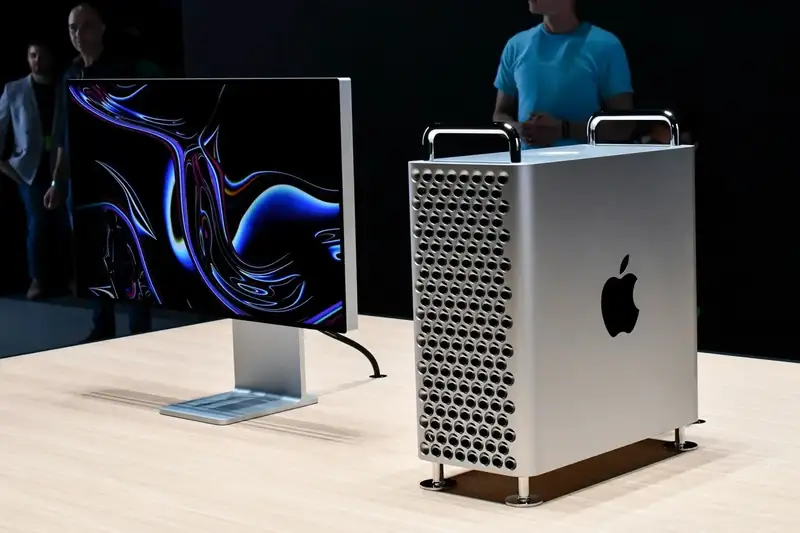
The comprehensive list of devices set to receive macOS 27 Golden Gate includes all MacBook Air M1 and newer models, MacBook Pro M1 (including 13-inch 2020, 14-inch 2021, and 16-inch 2021 variants), MacBook Neo, iMac M1 2020, Mac mini M1, Mac Studio 2022, and all subsequent generations of these lines. Conspicuously absent from this list are any Intel-powered Macs, meaning iconic models such as the 16-inch MacBook Pro (2019), 13-inch MacBook Pro (2020), iMac (2020), and even the powerful Mac Pro (2019) will be excluded from the new OS. This exclusion extends even to the highest-end professional workstations Apple once offered with Intel chips.
Users of these Intel-based machines are not left entirely without support. Apple has indicated that systems running macOS 26 Tahoe will continue to receive necessary security patches. However, the critical distinction is that no new features, performance enhancements, or design updates—such as the rumored Liquid Glass interface refinements for macOS 27—will be available to them. To experience the latest innovations, upgrading to an Apple Silicon Mac becomes the only path forward.
Streamlining Development and Performance
According to insights from publications like TechRadar, Apple's singular focus on its custom-designed, Arm-based chips is a strategic boon for its development teams. By eliminating the need to optimize macOS for both Apple Silicon and Intel's x86 architecture, engineers can dedicate their entire resources to enhancing the performance and feature set of the Arm-native platform. This streamlined approach is expected to unlock further efficiencies, allowing Apple to push the boundaries of software innovation and hardware integration at an accelerated pace.
The benefits of this consolidation are multi-faceted. It simplifies debugging, reduces the overhead of maintaining compatibility layers, and allows for deeper integration of software with the unique capabilities of Apple Silicon, such as its Neural Engine for AI tasks. This strategic alignment is a clear testament to Apple's vision of creating a tightly controlled ecosystem where hardware and software are designed in concert, delivering an optimized user experience that rivals or surpasses competitors who rely on more fragmented component sourcing.
Impact on the Hackingtos Community
Beyond mainstream users, Apple's decision carries significant weight for the 'Hackingtos' community. These enthusiasts have historically pieced together custom-built PCs using non-Apple components and then installed macOS, leveraging its compatibility with Intel processors. For years, the availability of macOS versions that supported Intel configurations provided a foundation for this often-complex endeavor.
The hard cutoff of Intel support with macOS 27 Golden Gate effectively spells the end of the road for Hackingtos users hoping to run the latest macOS on their custom machines. Without a supported Intel codebase, the intricate modifications and workarounds required to port the operating system to non-Apple hardware become significantly more challenging, if not impossible, for future versions. This development represents a definitive close to an era for a dedicated segment of the computing community, forcing them to re-evaluate their setup or abandon the pursuit of running macOS on unauthorized hardware.
The Broader Ecosystem Shift
This full transition away from Intel chips also aligns with Apple's other recent hardware decisions. The company has previously confirmed the end of life for the Mac Pro and its subsequent lack of hardware replacement plans, positioning the Mac Studio as its current high-end desktop offering. This move further emphasizes Apple's commitment to its own silicon and its vision for future professional workstations, which will be entirely reliant on the performance and efficiency of M-series chips.
The timeline of Apple's chip development, from the initial M1 release to the latest iterations, has consistently demonstrated an upward trajectory in power, efficiency, and integrated capabilities. This allows Apple to tout advantages in areas such as battery life and raw processing power, often surpassing competitors still tied to traditional x86 architectures. The full embrace of Apple Silicon in macOS 27 Golden Gate is therefore not just an update but a declaration of Apple's complete confidence in its proprietary chip strategy, setting the stage for the next phase of Mac innovation.
Sources
FAQ
Q1: Which Mac models will be compatible with macOS 27 Golden Gate?
A1: macOS 27 Golden Gate will only be compatible with Mac devices running on Apple Silicon. This includes all MacBook Air M1 and newer, MacBook Pro M1 and newer (including various 13-inch, 14-inch, 16-inch models from 2020/2021 onwards), MacBook Neo, iMac M1 2020, Mac mini M1, Mac Studio 2022, and all subsequent generations of these Apple Silicon-powered machines.
Q2: What happens to users with Intel-based Macs after macOS 27 Golden Gate is released?
A2: Users of Intel-based Macs will not receive new operating system features, performance enhancements, or design updates from macOS 27 Golden Gate onwards. While they may continue to receive essential security patches for macOS 26 Tahoe, access to the latest innovations will require an upgrade to an Apple Silicon Mac.
Q3: Why is Apple making this change to exclude Intel Macs from macOS 27?
A3: Apple's decision is strategic, allowing the company to streamline macOS development by focusing solely on its custom Arm-based Apple Silicon architecture. This consolidation is expected to lead to faster innovation cycles, more efficient resource allocation for engineers, and deeper integration of hardware and software, ultimately delivering enhanced performance and features for Apple Silicon devices.
Q4: How does this decision impact the 'Hackingtos' community?
A4: The exclusion of Intel Macs from macOS 27 Golden Gate effectively ends the ability for the 'Hackingtos' community to run the latest macOS versions on custom-built, non-Apple hardware. The absence of a supported Intel codebase makes it significantly more difficult, if not impossible, to port future macOS versions to unofficial machines, closing a long-standing avenue for enthusiasts.
Why it matters
Apple's complete transition away from Intel with macOS 27 Golden Gate forces millions of Intel Mac users to consider hardware upgrades to access new features and maintain cutting-edge functionality. This pivot allows Apple to optimize its software development purely for its custom silicon, potentially accelerating innovation and tightening hardware-software integration across its ecosystem. It also decisively impacts the 'Hackingtos' community by closing their avenue to run the latest macOS on non-Apple hardware, reinforcing Apple's walled-garden approach and reshaping market expectations for premium computing longevity and upgrade cycles.
Background
Apple's computing history saw a significant shift from PowerPC to Intel processors in 2005, a partnership that lasted over a decade. However, seeking greater control over performance and power efficiency, Apple announced its ambitious transition to self-designed Apple Silicon chips at WWDC 2020. The subsequent years saw a gradual rollout of M-series chips across the Mac lineup, replacing Intel models. While prior macOS versions (like macOS 26 Tahoe) still supported a range of Intel Macs during this transition, the unveiling of macOS 27 Golden Gate at WWDC 2026 and its explicit Apple Silicon-only compatibility marks the definitive end of this multi-year roadmap, bringing Apple's chip...
Apple's decision to make macOS 27 Golden Gate an Apple Silicon exclusive is not a sudden pivot, but a calculated, final step in a long-term strategy for vertical integration. This move signals Apple's unwavering commitment to optimizing its entire ecosystem, prioritizing an unparalleled hardware-software synergy over broad backward compatibility. The immediate consequence is a forced obsolescence for older Intel Macs regarding new features, but the underlying insight is Apple's drive to unlock next-generation performance and capabilities unburdened by third-party chip constraints. This consolidates Apple's control over its product vision, potentially accelerating innovation, albeit at the...
References
Editorial information
The editorial team reviews sources, adds context, and structures stories so readers can understand the news more clearly.
Article from QNEWS24H
Comments
(0)No comments yet. Be the first to share your thoughts.