Apple's iPhone 18 RAM Dilemma: Why Standard Models May Miss Out on Next-Gen iOS 27 AI

- The standard iPhone 18 and iPhone 18e are rumored to only feature 9GB of RAM, leaving them short of the 12GB required for top-tier iOS 27 AI features.
- Premium models—including the iPhone 18 Pro, Pro Max, and a rumored $2,500 folding phone—will retain 12GB of RAM and full AI capabilities.
- Due to rising component costs, standard iPhone 18 models could face a retail price increase of $100 to $200 compared to their predecessors.
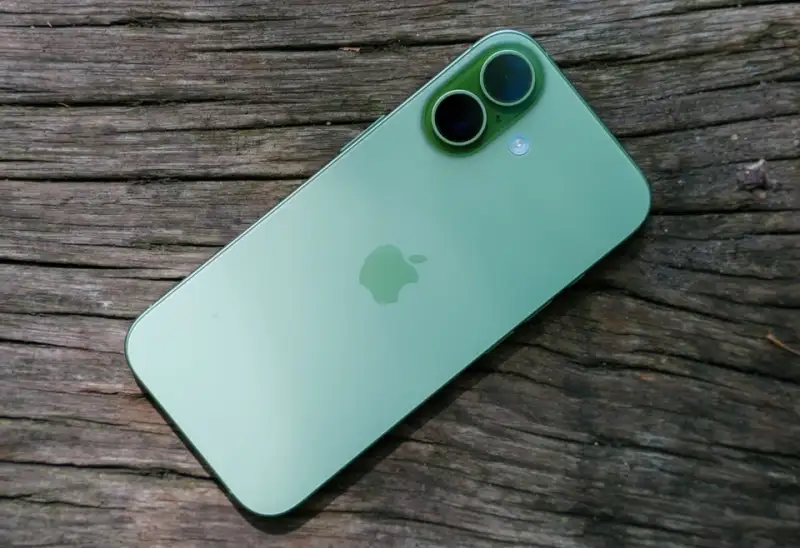
The divide between Apple's standard and premium hardware is poised to grow wider than ever. While artificial intelligence dominates Silicon Valley's roadmap, upcoming buyers of Apple's baseline smartphones might find themselves on the wrong side of the digital divide. Industry insiders suggest that despite an incremental hardware upgrade, the base iPhone 18 and iPhone 18e may lack the computational muscle required to run the most advanced features of the upcoming iOS 27 operating system, highlighting a calculated—and controversial—hardware strategy by Cupertino.
Quick summary
- Limited RAM Upgrade: According to prominent analyst Ming-Chi Kuo, the standard iPhone 18 and iPhone 18e will feature 9GB of RAM, up from the 8GB found in their predecessors, but short of the high-end standard.
- AI Exclusion: Because advanced on-device Apple Intelligence features reportedly require a minimum of 12GB of RAM, the standard models are expected to miss out on key iOS 27 capabilities, such as advanced Siri speech improvements and expression tuning.
- Two-Tiered Lineup: The premium tier—consisting of the iPhone 18 Pro, iPhone 18 Pro Max, and a rumored $2,500 folding iPhone—will carry 12GB of RAM, creating a distinct functional gap across the device generation.
Why it matters
This development underscores a shifting reality for smartphone consumers: hardware longevity is no longer just about battery health or processor speed, but about RAM allocation. By restricting the standard models to 9GB of RAM, Apple is essentially creating a software-gated ecosystem where entry-level buyers are excluded from the core selling points of future iOS updates. For consumers, this means purchasing a brand-new "flagship" device may no longer guarantee access to the full suite of Apple’s latest software innovations, forcing a difficult choice between cost and functionality.
Background
Historically, Apple has been highly conservative with RAM allocation, often trailing Android competitors who routinely pack 12GB or 16GB into mid-range devices. However, the sudden explosion of localized generative AI has changed the rules of the game. On-device large language models (LLMs) are notoriously memory-hungry, requiring massive amounts of active memory to run local processes without latency.
Apple previously faced backlash when the standard iPhone 15 was excluded from the first wave of Apple Intelligence due to its 6GB RAM limit, while the 8GB iPhone 15 Pro models supported it. Although the standard iPhone 17 line is slated to receive 8GB of RAM, the swift evolution of AI technology means that by the time the iPhone 18 and iOS 27 arrive, even 9GB of RAM may be insufficient. Compounding this issue are rising component prices; the cost of silicon, NAND flash memory, and RAM has surged globally, forcing Apple to balance production costs with retail pricing.

The On-Device AI Memory Barrier
According to reports from MacRumors and industry analysts, the execution of complex generative models directly on-device requires substantial headroom. The standard iPhone 18's projected 9GB of RAM is rumored to lack the bandwidth for several upcoming capabilities. Specifically, features like real-time expression tuning, granular adjustments to Siri’s vocal pacing, and high-precision speech-to-text transcription may be entirely stripped from the base models, running only on devices equipped with 12GB of RAM or more.
Hardware Innovations and Supply Chain Constraints
Despite memory constraints, Apple is exploring advanced engineering to optimize the hardware it does include. The standard iPhone 18 is expected to be powered by the upcoming A20 bionic chip. Reports suggest the A20 could utilize a manufacturing process called Wafer-Level Multi-Chip Module (WLMCM). This packaging technology integrates the memory directly onto the silicon wafer alongside the CPU, GPU, and Neural Processing Unit (NPU). While this design increases data transfer speeds and drastically improves energy efficiency, the sheer cost of this advanced manufacturing process likely prevents Apple from scaling the memory capacity on lower-tier models.
To cope with high production costs, leaks from Chinese social platform Weibo suggest that Apple may even downgrade certain secondary specifications on the standard iPhone 18 to align with the budget-friendly iPhone 18e, ensuring that profit margins are maintained without pushing retail prices completely out of reach for average consumers.
A Split Launch Schedule
In addition to hardware fragmentation, Apple is also rumored to be shifting its release cycle. Instead of launching the entire lineup simultaneously, Apple may split the iPhone 18 rollout into two distinct waves:
- September Wave: Focused on the high-end segment, introducing the iPhone 18 Pro, iPhone 18 Pro Max, and Apple's highly anticipated first-generation folding iPhone.
- Early-Year Wave: Debuting the standard iPhone 18, the budget-focused iPhone 18e, and the second-generation ultra-thin iPhone Air.
This staggered release not only eases supply chain strains but also ensures that the most premium, high-margin devices enjoy exclusive spotlight during the crucial holiday shopping season.
Qnews24h insight
Apple's decision to gate advanced AI capabilities behind a 12GB RAM requirement is a classic display of the company's margin-first philosophy, but it carries significant risk. In previous smartphone eras, a standard iPhone felt like a complete, top-tier experience, lacking only the telephoto lenses or faster display refresh rates of the Pro models. However, in the AI era, stripping away software features creates a fundamental divide in user experience.
By forcing standard iPhone 18 buyers to pay an estimated $100 to $200 more than previous generations due to rising component costs, while simultaneously delivering a compromised AI experience, Apple risks alienating its core mainstream customer base. If the standard model is perceived as an expensive, compromised product, consumers may either opt for the much cheaper 18e or abandon the ecosystem for Android competitors who offer superior RAM configurations at lower price points. Apple is betting that its ecosystem lock-in is strong enough to weather this friction, but as AI becomes a daily utility, that bet will face its toughest test yet.
Sources
This report is based on information and supply chain insights originally published by Znews.vn, alongside analyst disclosures from Ming-Chi Kuo, Jeff Pu, and hardware reports from MacRumors and Bloomberg.
Why it matters
The RAM gap creates a functional divide in Apple's ecosystem, where standard-tier buyers are locked out of critical on-device AI innovations. It shifts the smartphone buying decision from simple cosmetic preferences to core software capabilities.
Background
Historically, Apple has limited RAM to save production costs, but the high demands of localized LLMs have made RAM the ultimate bottleneck. Standard iPhone 15 models were famously excluded from Apple Intelligence due to having only 6GB of RAM, a trend of hardware-gating that appears set to continue with the iPhone 18 and iOS 27.
Apple is prioritizing profit margins and upselling incentives over feature parity. While technically impressive due to the new A20 WLMCM chip packaging, the standard iPhone 18 risks being viewed as an expensive compromise if it cannot run the signature software features of its own generation.
References
Editorial information
The editorial team reviews sources, adds context, and structures stories so readers can understand the news more clearly.
Article from QNEWS24H
Comments
(0)No comments yet. Be the first to share your thoughts.