Apple to Terminate Support for 16 Devices: Is Your Mac, iPad, or Apple Watch on the List?

- Apple is ending software updates for 16 legacy devices across Mac, iPad, Apple Watch, and Apple TV product categories.
- macOS 27 Golden Gate will officially require Apple Silicon, completely cutting off support for all remaining Intel-based Macs.
- The watchOS 27 update introduces the biggest compatibility cut in the platform's history, requiring an S9 or S10 chip and dropping devices like the 2022 Apple Watch Ultra.
Purchasing an Apple device has long been considered a safe long-term investment due to the company's industry-leading software support window. However, the inevitable march of technology eventually leaves older hardware behind. Following a post-keynote discussion session, Apple confirmed a major shift in its operating system compatibility list. The upcoming releases of macOS 27 Golden Gate, watchOS 27, iPadOS 27, and tvOS 27 will officially deprecate support for 16 legacy devices. This update represents more than just a routine cleanup; it signals the final, absolute death of Intel-based Macs and a dramatic shift toward a unified, AI-capable hardware ecosystem.
Quick summary
- The End of Intel Macs: macOS 27 Golden Gate will be the first macOS release to run exclusively on Apple Silicon, cutting off support for the final remaining Intel-powered MacBook Pro, iMac, and Mac Pro models.
- Massive Apple Watch Purge: In the largest compatibility reduction in watchOS history, five popular models—including the first-generation Apple Watch Ultra and Series 8—will not receive watchOS 27.
- A14 Bionic Baseline for iPads: iPadOS 27 is raising its minimum hardware requirements to the A14 Bionic chip, leaving several older iPad Air, Pro, mini, and entry-level models locked out of future upgrades.
Why it matters
For consumers and enterprise users alike, this announcement is a significant turning point. Devices that were once premium powerhouses, like the 2019 Mac Pro or the first-generation Apple Watch Ultra, are now officially entering their sunset phase. When Apple terminates major operating system updates for a device, the countdown begins for third-party app compatibility. Within a couple of years, popular applications will stop updating on these legacy platforms, slowly degrading their utility.
Furthermore, this move will trigger immediate financial depreciation. The resale value of the affected 16 devices on the secondhand market is expected to drop significantly. Buyers looking for budget-friendly Apple hardware must now exercise extreme caution, as purchasing any of these blacklisted devices means buying into a dead-end ecosystem. On an ecological level, this transition will inevitably push a massive wave of still-functional hardware into the recycling or e-waste stream, highlighting the environmental cost of rapid software evolution.
Background
To understand why Apple is making such a drastic cut now, we have to look back at the historical transitions of each product lineup. In 2020, Apple announced a two-year transition plan to move away from Intel processors in favor of its custom ARM-based Apple Silicon. While the hardware transition was completed relatively quickly, Apple continued to maintain macOS compatibility for Intel machines to appease enterprise clients who had invested heavily in expensive hardware like the 2019 Mac Pro. macOS 27 Golden Gate officially ends this grace period, marking the absolute finalization of the Apple Silicon transition.
Similarly, the iPad lineup has faced a fragmented chip landscape for years, blending older A-series processors with high-performance M-series chips. By drawing a line at the A14 Bionic chip for iPadOS 27, Apple is establishing a modern performance baseline. This cleanup allows developers to optimize apps for a more standardized architecture without having to write legacy code for outdated graphics engines and neural processors.
Detailed Breakdown: The 16 Deprecated Devices
macOS 27 Golden Gate (The Final Intel Clear-Out)
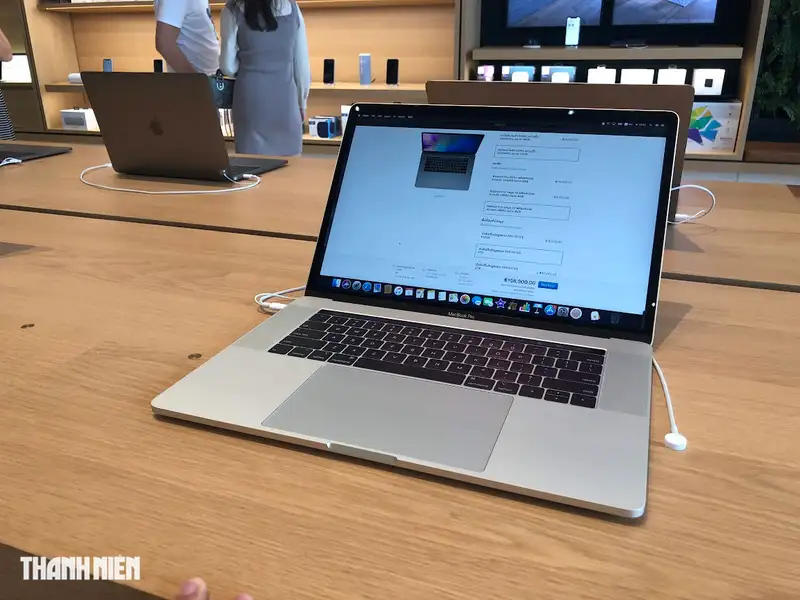
The complete shift to Apple Silicon means that any Mac powered by an Intel processor is stuck on older macOS versions. The four specific models losing support are:
- MacBook Pro (16-inch, 2019)
- MacBook Pro (13-inch, 2020, featuring four Thunderbolt 3 ports)
- iMac (2020)
- Mac Pro (2019)
This is particularly painful for owners of the 2019 Mac Pro, a machine that cost tens of thousands of dollars at launch and is now excluded from the latest macOS innovations just a few years later.
watchOS 27: The Most Aggressive Cut in Apple Watch History
Apple Watch users are facing the most severe compatibility reduction ever. To run watchOS 27, devices must feature Apple's newer S9 or S10 system-in-a-chip (SiP). As a result, the following five models have been dropped:
- Apple Watch Series 6 (2020)
- Apple Watch Series 7 (2021)
- Apple Watch Series 8 (2022)
- Apple Watch Ultra (First Generation, 2022)
- Apple Watch SE (Second Generation, 2022)
The inclusion of the original Apple Watch Ultra and the Series 8—both released in late 2022—has shocked many users, as these premium devices are only a few years old.
iPadOS 27: Setting the A14 Bionic Standard
By making the A14 Bionic the absolute minimum requirement, Apple is dropping support for several beloved tablets. The five excluded models are:
- iPad Air (Third Generation, 2019)
- iPad Pro 12.9-inch (Third Generation, 2018)
- iPad Pro 11-inch (First Generation, 2018)
- iPad (Eighth Generation, 2020)
- iPad mini (Fifth Generation, 2019)
tvOS 27: Dropping Legacy Home Hardware
The living room ecosystem is also getting a refresh. Apple is cutting off two older streaming boxes:
- Apple TV HD (Originally launched in 2015)
- Apple TV 4K (First Generation, 2017)
Moving forward, only the second and third-generation Apple TV 4K models will receive tvOS 27 updates.
The iPhone Exception: iOS 27 Compatibility
In contrast to the sweeping cuts across other product lines, iPhone users received relatively good news. iOS 27 will remain compatible with all iPhone models currently running iOS 26. This includes the iPhone 11 series, which was released way back in September 2019.
However, there is a major catch. While these older iPhones will get the core security updates and basic features of iOS 27, they will be completely shut out from Apple's new AI-driven features. The highly anticipated Apple Intelligence capabilities will remain exclusive to the iPhone 15 Pro and newer. Furthermore, the advanced, next-generation Siri AI features will be strictly limited to the upcoming iPhone 17 Pro, 17 Pro Max, and the rumored iPhone Air.
Qnews24h insight
This coordinated deprecation of 16 devices highlights Apple's broader strategic pivot. The company is no longer interested in maintaining backwards compatibility for legacy architectures. The push toward AI and modern neural processing requires specialized hardware that older Intel chips, early Apple Watch S-series chips, and pre-A14 iPad processors simply cannot deliver.
By shedding this legacy weight, Apple achieves two critical goals. First, it simplifies software development. Engineers no longer need to spend resources optimizing macOS or iPadOS for older architectures, allowing them to focus entirely on Apple Silicon performance and on-device AI integration. Second, it aggressively drives the hardware upgrade cycle. By making relatively modern devices like the 2022 Apple Watch Ultra ineligible for watchOS 27, Apple is sending a clear message: the future of their ecosystem belongs exclusively to those willing to keep up with their latest silicon innovations.
Sources
This article is compiled based on official developer session announcements from Apple and retail product timeline records as reported by Thanh Nien.
Why it matters
The software end-of-life for these 16 devices will accelerate their financial depreciation on the secondhand market and eventually lead to a loss of third-party app compatibility. It signals that Apple is narrowing its focus toward an AI-first, unified hardware ecosystem, forcing users to upgrade if they want the latest features.
Background
Apple began transitioning from Intel processors to custom Apple Silicon in 2020. While the company maintained software compatibility for Intel devices for several years to accommodate enterprise users, macOS 27 Golden Gate marks the absolute end of this transition. Similarly, iPadOS 27 and watchOS 27 are establishing newer, higher silicon baselines (A14 Bionic and S9/S10 chips, respectively) to streamline development and focus on modern AI processing.
Apple's decision to drop support for relatively recent hardware, such as the 2022 Apple Watch Ultra, shows a aggressive strategy to streamline their operating systems. By cutting out legacy architectures, Apple reduces software fragmentation, allowing their development teams to build deeply integrated, AI-driven experiences that are only possible on modern Apple Silicon.
References
Editorial information
The editorial team reviews sources, adds context, and structures stories so readers can understand the news more clearly.
Article from QNEWS24H
Comments
(0)No comments yet. Be the first to share your thoughts.